
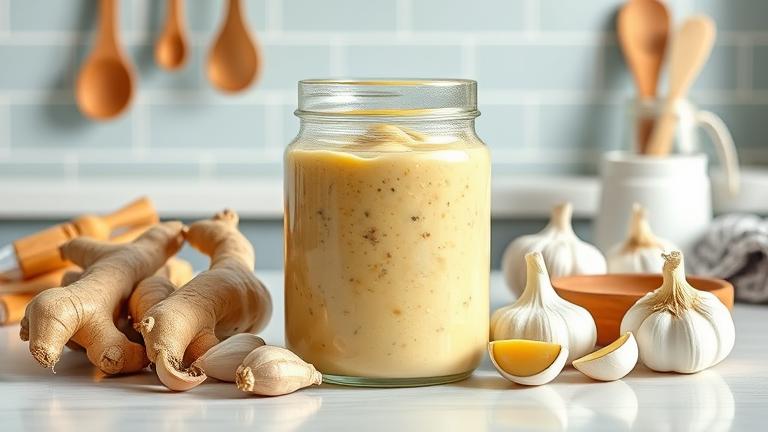
Best Ways to Store Ginger Garlic Paste
Storing ginger garlic paste properly is key to keeping its fresh flavor and health benefits. Whether you make a small batch for the week or want to prepare a larger amount for future use, the right storage method can make a big difference.
Ginger garlic paste is a favorite in many kitchens because it adds depth to curries, stir-fries, and marinades. But without proper storage, it can spoil quickly or lose its vibrant flavor. Let’s explore the best ways to keep your homemade or store-bought ginger garlic paste fresh and flavorful.
Short-Term Storage Options
If you plan to use your ginger garlic paste within a few days, refrigerating it is your best bet. Here are some tips:
- Use an airtight container: Store the paste in a clean, airtight jar or container. This prevents exposure to air, which can cause spoilage.
- Opt for a small container: Fill a small jar rather than a big one. Less air contact helps keep the paste fresh longer.
- Keep it chilled: Place the container in the refrigerator’s coolest part, usually the middle shelf.
For best results, use the paste within a week. Always check for signs of spoilage such as mold, off smell, or discoloration before using.
Long-Term Storage Options
If you want to store ginger garlic paste for longer periods, freezing is the most effective method. Here’s how to do it safely:
- Portion the paste: Divide the paste into small portions using ice cube trays or silicone molds. This allows you to thaw only what you need.
- Wrap or cover: Once frozen, transfer the cubes to a sealed freezer bag or container. Label with the date so you know when it was stored.
- Freeze immediately: Place in the freezer as soon as the portions are frozen to preserve freshness.
This method can help your ginger garlic paste stay fresh for up to 3-4 months. When needed, simply remove a cube and thaw briefly in the fridge or microwave.
Additional Tips for Storage
- Use clean utensils: Always use a clean spoon or knife to scoop out the paste to prevent bacteria from contaminating the whole jar.
- Avoid cross-contamination: Never double-dip into the jar, especially if you’re planning to store it long-term.
- Prevent moisture: Keep the container dry to avoid mold growth.
- Maintain freshness: If the paste develops a sour smell or mold appears, discard it immediately to avoid food poisoning.
Quick Summary
| Storage Method | Duration | Best For |
|---|---|---|
| Refrigeration | Up to 1 week | Short-term use |
| Freezing in small portions | Up to 3-4 months | Long-term storage |
Ideal Containers for Fresh Paste
When storing ginger garlic paste, choosing the right container is key to maintaining its flavor, aroma, and freshness. The goal is to pick a container that keeps the paste sealed from air and light, preventing spoilage and flavor loss. Whether you make a batch for the week or keep leftovers, the right container makes a big difference.
Types of Materials
Glass containers are a popular choice for storing fresh ginger garlic paste. They are non-reactive, meaning they won’t change the taste of your paste, and are easy to clean. Glass also won’t absorb smells or stains, keeping your paste fresh and free from unwanted odors. Look for containers with airtight lids to maintain a good seal.
Plastic containers are lightweight and often more affordable. Choose BPA-free options to ensure they are safe. They are also available in many sizes, making it easy to find a perfect fit for your storage needs. However, plastic may absorb some odors over time, so pick good-quality, food-grade plastic for best results.
Stainless steel containers are durable and do not stain or absorb smells. They are a good choice if you want a sturdy, long-lasting option. Just make sure the container has an airtight lid to prevent air from getting in and spoiling your paste. Avoid using unlined metal containers, as some metals can react with acidic ingredients.
Size Matters
Small to medium-sized containers are ideal for storing ginger garlic paste. A container that holds about half to one cup of paste is perfect for regular use. Smaller containers help prevent exposure to air once opened, keeping your paste fresher for longer.
If you make large batches, consider using bigger containers or splitting the paste into smaller portions. This way, you only open what you need each time, reducing the risk of spoilage. Always leave a little space at the top of the container to allow for expansion or any liquid that may develop.
Features to Look For
- Airtight Seal: Prevents air, which can cause spoilage and change flavor.
- Leak-proof Lid: Avoid messes in the fridge or during transport.
- Opaque or Dark-Colored Containers: Protect the paste from light, which can degrade quality over time.
- Easy to Clean: Smooth surfaces and wide openings make cleaning hassle-free.
Extra Tips
For best results, store your ginger garlic paste in the fridge. Many cooks also like to add a little oil on top before sealing, which helps prevent oxidation and keeps the paste vibrant. Always use a clean spoon or spatula to scoop out the paste—never use fingers or unclean utensils—this will help keep it fresh longer.
Remember to label your containers with the date you made or stored the paste. This way, you’ll know how long it has been in the fridge and when it’s time to make a fresh batch. With the right container in hand, your ginger garlic paste will stay flavorful and ready to enhance your dishes anytime.
How Long Does It Last? Storage Lifespan
Ginger garlic paste is a wonderful kitchen staple that adds flavor and aroma to many dishes. Knowing how long it lasts helps you keep your pantry and fridge organized and ensures your dishes stay safe and tasty. The shelf life of ginger garlic paste can vary depending on how you store it and whether it is homemade or store-bought.
Room Temperature Storage
If you keep ginger garlic paste in a sealed jar at room temperature, it usually remains good for about 1 to 2 days. This is only recommended if the paste was freshly made and stored in a very clean container. After this period, the risk of bacterial growth increases, especially in warm or humid climates.
Always check for signs of spoilage before use. If the paste develops a sour smell, mold, or a change in color, it’s best to discard it. For safe storage at room temperature, it’s better to use small amounts at a time and keep the rest refrigerated.
Refrigeration
Storing ginger garlic paste in the fridge extends its shelf life considerably. When kept in an airtight container, homemade paste generally lasts up to 1 to 2 weeks. Store-bought versions often have preservatives that can keep them fresh for 2 to 3 weeks or even longer.
To maximize freshness, always use a clean spoon or utensil to scoop out the paste. This helps prevent bacteria from contaminating the entire jar. If you notice any fermentation, mold, off-odor, or unusual appearance, it’s time to toss the paste.
Freezing
If you want to store ginger garlic paste for longer, freezing is a great option. Divide the paste into small portions using an ice cube tray or silicone molds. Once frozen, transfer the cubes into a sealed freezer bag or container.
Frozen ginger garlic paste can last up to 3 to 4 months without losing its flavor or potency. When needed, just pop out a cube, thaw briefly, and add it to your cooking. Keep in mind that freezing may slightly change the texture, but the flavor remains intact.
Signs of Spoilage
- Foul or sour smell
- Visible mold or discoloration
- Unusual sliminess or bubbling
- Off taste upon tasting a small amount
Quick Tips for Freshness and Safety
- Always store ginger garlic paste in airtight containers to prevent spoilage.
- Use clean utensils when handling the paste to avoid contamination.
- Label homemade paste with the date to keep track of freshness.
- Opt for freezing if you don’t plan to use the paste within a week or two.
Freezing Tips for Long-Term Storage
Freezing ginger garlic paste is a smart way to keep these flavorful ingredients fresh and ready whenever you need them. Proper preparation and storage can extend their usability for months, saving you time and effort in the kitchen.
Start by preparing your ginger and garlic thoroughly. Peel the ginger and garlic cloves to remove the outer layers. You can chop or grate the ginger for easier blending, and peel the garlic so it mixes smoothly into the paste. For best results, use fresh, high-quality ingredients. This helps ensure the flavor remains lively after freezing.
Next, blend the ginger and garlic with a little bit of water, oil, or lemon juice. The liquid helps create a smooth paste and prevents it from sticking to the container or forming ice crystals. You don’t need to add a lot—just enough to make the paste easy to scoop and spread. Once blended, taste and adjust the seasoning if needed to match your flavor preferences.
Now, choosing the right freezing method is key. There are a few options:
- Ice cube trays: This is a popular method. Spoon the paste into an ice cube tray and freeze until solid. Once frozen, pop out the cubes and transfer them into a sealed plastic bag or airtight container. This way, you can thaw only what you need, without waste.
- Freezer-safe containers or jars: For larger portions, store the paste in small, airtight containers or glass jars. Leave some space at the top for expansion during freezing. Label the container with the date so you can keep track of how long it’s been stored.
- Forced portioning: Consider dividing the paste into small, usable amounts using silicone molds or bags. This is especially handy if you often use small quantities in recipes.
When freezing, avoid repeatedly thawing and refreezing the paste. This can degrade the quality and flavor. Always scoop out only the amount you need and return the rest to the freezer promptly.
For best results, store the ginger garlic paste at a consistent freezing temperature of 0°F (-18°C). Done correctly, frozen ginger garlic paste can last up to 6 months without losing its flavor and potency. Be sure to check for any signs of freezer burn or off odors before using stored paste.
Finally, label your containers with the date of freezing so you can keep track of freshness. Over time, even well-stored paste may lose some of its sharpness, so try to use it within the recommended period for the best flavor in your dishes.
Preventing Spoilage and Bacterial Growth
Keeping your paste fresh and safe to eat is all about preventing spoilage and stopping harmful bacteria from growing. Bacteria can develop quickly if conditions aren’t right, which is why understanding how to store and handle your food properly is so important.
Firstly, cleanliness is key. Always start with clean hands, utensils, and containers before touching or storing your paste. Bacteria from dirty surfaces can transfer easily, increasing the risk of contamination. Wash your containers thoroughly with hot, soapy water before use and make sure they are completely dry. If you’re using jars, check that they are free from cracks or chips, which can harbor bacteria.
Next, consider how you store your paste. Temperature plays a big role in preventing bacterial growth. Keep it in the refrigerator, ideally at 40°F (4°C) or lower. Cold temperatures slow down bacteria and mold development. If your paste is homemade or stored in a container, seal it tightly with a lid or plastic wrap to prevent air exposure, which can introduce new bacteria and cause spoilage.
Proper storage conditions also include avoiding temperature fluctuations. Try not to leave paste out at room temperature for more than two hours, especially if the room is warm. Bacteria grow rapidly at temperatures between 40°F (4°C) and 140°F (60°C). This temperature range is often called the “danger zone.”
Using preservatives can help extend the freshness of your paste. Natural preservatives like vinegar, lemon juice, or salt can inhibit bacterial growth. For example, adding a splash of vinegar can create an acidic environment bacteria dislike. Just be careful with the amount so that it doesn’t alter the flavor too much. Commercial preservatives are also available, but always follow the recommended usage instructions.
Monitoring the paste regularly is another good practice. Check for any signs of spoilage such as a sour smell, mold, or an odd color. If you notice anything unusual, it’s safest to discard the paste. Do not taste test food that looks or smells off, as that could be dangerous.
Finally, label your containers with the date you made or stored the paste. This helps you keep track of how long it’s been in the refrigerator. Most homemade pastes will stay good for about one week when stored properly. If you need longer storage, consider freezing it in small portions, which can extend freshness to several months.
- Always wash hands, utensils, and containers before handling paste.
- Keep your paste refrigerated at or below 40°F (4°C).
- Seal containers tightly to prevent air and bacteria from getting in.
- Use preservatives like vinegar or salt in moderation to inhibit bacteria.
- Discard paste if you see mold, an off smell, or unusual color changes.