
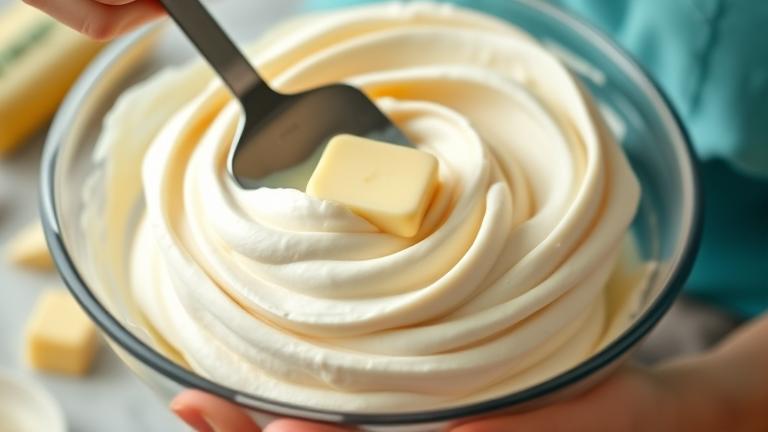
Why Is Butter Essential in Frosting?
Butter is a key ingredient in many frosting recipes because it brings a rich flavor and smooth texture that makes your frosting irresistible. When you spread butter-based frosting on a cake or cupcakes, it adds a creamy, luxurious taste that transforms your baked goods from good to fantastic.
Butter also plays a crucial role in the consistency of frosting. It acts as a base that helps achieve the perfect spreadability, ensuring the frosting is neither too runny nor too stiff. This balance makes it easier to spread evenly over cakes and decorate with piping tips. Without enough butter, the frosting might be too thin and runny or, on the other hand, too thick and difficult to work with.
Butter enhances flavor, improves texture, and provides stability for your frosting, making it an indispensable ingredient. Watching the video below will give you additional insights into the importance of butter in frosting techniques.
Flavor Enhancement
One of the main reasons butter is so essential is its flavor. Butter provides a rich, slightly sweet taste that complements the sweetness of sugar and enhances other flavors like vanilla or cocoa. It also gives frosting a warm, buttery aroma, making every bite more delightful. If you skip butter and use a less flavorful fat, like shortening, your frosting might taste bland or greasy.
Texture and Smoothness
Butter contributes to the smooth, creamy texture of frosting. When you beat butter with sugar, it creates a fluffy mixture that holds air, making the frosting light. This process, called creaming, is key to creating a frosting that is airy and soft. Properly creamed butter and sugar also help prevent the frosting from becoming grainy or crumbly.
Consistency and Stability
Butter helps keep frosting stable and easy to work with, especially at room temperature. It thickens the mixture so it spreads easily and holds its shape when piped. If you need stiff frosting for decorations like flowers or borders, butter is what provides that firmness. For softer fillings, slightly less butter can be used, but overall, butter provides the necessary structure.
Additional Tips
- Use unsalted butter for control over the salt content and better flavor.
- Make sure your butter is softened but not melted to achieve the best texture when mixing.
- For a lighter frosting, some bakers blend butter with cream cheese or shortening, but butter remains the flavor star.
- Avoid using cold butter—you want it soft enough to mix smoothly without lumps.
Common Mistakes to Avoid
- Using melted butter, which can make the frosting too greasy and cause separation.
- Not creaming the butter long enough, resulting in a dense texture.
- Adding sugar too quickly, which can cause splattering or uneven mixing.
By understanding why butter is essential in frosting, you can make better choices in your baking. It ensures your frosting has a delicious flavor, a smooth texture, and the right consistency for decorating or spreading. Whether you’re making a simple vanilla buttercream or a rich chocolate frosting, butter’s role is irreplaceable for that perfect finish.
Benefits of Adding Butter to Your Frosting
When it comes to making frosting, adding butter is a game-changer. Butter not only enhances flavor but also improves the texture, making your frosting more appealing and easier to work with. Many home bakers prefer butter-based frosting because of its rich, creamy consistency and classic taste.
One of the main advantages of using butter in frosting is the flavor. Butter provides a smooth, rich taste that complements sweet cakes and cupcakes perfectly. It adds a gentle sweetness and a hint of creaminess that store-bought or powdered sugar frostings might lack. This makes your baked goods taste homemade and indulgent.
Besides flavor, butter helps create a smooth and creamy texture. When whipped into frosting, butter creates a cohesive mixture that spreads evenly across cakes and cookies. The creaminess makes it easier to spread without tearing the cake surface, giving your baked treats a polished and professional look. This smoothness is especially important for decorating cupcakes or layered cakes.
Butter also plays a role in the ease of spreading the frosting. Its soft consistency when at room temperature makes it simple to apply with a spatula or knife. You won’t need to fight with stiff or crumbly frosting, which can happen with other fats or powdered sugar alone. Properly softened butter helps achieve an even, fluffy frosting that sticks well to your baked goods.
Another benefit of butter is how it affects the shelf life of your frosting. Because butter contains fat and moisture, it helps preserve the freshness of the frosting longer than some alternatives. However, keep in mind that butter-based frosting should be stored in the refrigerator, especially if it contains dairy, to prevent spoilage. When stored properly, it can last up to a week, maintaining its flavor and texture.
In addition to taste and texture, using butter can make your frosting visually more appealing. The richness of butter results in a shiny, inviting finish that makes decorated cakes look irresistible. For best results, use unsalted butter so you can control the sweetness and salt levels, enhancing the overall flavor profile.
While butter enhances many aspects of frosting, it’s worth noting that it can make the frosting slightly softer, especially in warm environments. To keep your frosting firm enough for decorations, consider chilling it briefly before applying or decorating. Also, if you prefer a lighter option, you can blend butter with other fats like shortening, but for a rich, authentic taste, pure butter is hard to beat.
- Use softened, room-temperature butter for easier mixing and spreading.
- Keep your frosting refrigerated if not used immediately to maintain freshness.
- Experiment with butter ratios to find your perfect balance of flavor and consistency.
- For a fluffier frosting, beat the butter thoroughly before adding other ingredients.
Adding butter to your frosting makes a noticeable difference. It boosts flavor, improves texture, simplifies spreading, and keeps your frosting looking beautiful for longer. Whether you’re making a simple vanilla frosting or a rich chocolate ganache, butter is a versatile ingredient that adds that extra touch of homemade goodness.
How to Properly Mix Butter into Frosting
Mixing butter into frosting might seem simple, but doing it correctly makes a big difference in the final texture and taste. Proper blending ensures your frosting is smooth, creamy, and easy to spread or pipe. Whether you’re making a classic buttercream or a specialty frosting, following some key steps will help you achieve the best results.
First, it’s important to start with softened butter. Cold butter will not blend smoothly and might result in lumps, while overly melted butter can make your frosting too runny. Aim for butter that feels soft but not greasy, usually at room temperature for about 30 minutes. This allows the fat to blend evenly with the other ingredients.
Step-by-Step Process
- Beat the butter first. Use an electric mixer on medium speed to beat the softened butter alone for 1-2 minutes. This step aerates the butter, making your frosting light and fluffy.
- Add the sugar gradually. If your frosting includes powdered sugar or other sweeteners, add them little by little while mixing. This helps prevent clumps and ensures a smooth consistency.
- Incorporate the butter in stages. If you have softened butter in chunks, add it a few pieces at a time, continuing to beat well after each addition. This encourages even blending and reduces the chance of lumps.
- Mix on a low speed first. When you add the butter, start mixing on low. This prevents splattering and helps the sugar and butter combine slowly. Once mixed, increase the speed to medium or high for about 2-3 minutes to create a fluffy texture.
- Check the temperature. If the frosting seems greasy or separates, your butter might be too warm. In that case, chill the mixture for a few minutes before continuing. Conversely, if the butter is too cold, your frosting may be stiff and lumpy, so let it sit at room temperature for a few minutes before mixing again.
- Scrape the sides of the bowl. During mixing, stop occasionally to scrape down the sides and bottom of the bowl. This ensures all ingredients are evenly incorporated.
Tips for Best Results
- Always use fresh, good-quality butter for a rich flavor.
- Keep your tools and bowls at room temperature unless otherwise specified.
- If your frosting is too soft, refrigerate it for 10-15 minutes before using. If too stiff, give it a quick mix or add a tiny bit of milk or cream to loosen it.
- Be patient—the key to a smooth, stable frosting is gentle, consistent mixing.
With a bit of practice, mixing butter into frosting becomes a straightforward task. Remember to pay attention to butter temperature, mix gradually, and stop periodically to check the consistency. This way, you’ll always end up with frosting that looks great and tastes delicious.
Tips for Achieving Perfect Frosting Texture
Getting the perfect frosting texture can make a big difference in how your baked goods look and taste. Whether you want a smooth, spreadable frosting or a fluffy, pipable one, the key lies in the right technique and ingredients. Don’t worry if your frosting isn’t perfect at first — with a few practical tips, you’ll be able to create a flawless finish every time.
The first thing to remember is that mixing time greatly affects frosting texture. Overmixing can make your frosting too runny, while undermixing might leave it too stiff. Generally, aim to beat your frosting until it’s smooth and creamy, usually about 3 to 5 minutes. If you’re using a stand mixer, stop frequently to check the consistency. When your frosting looks light and fluffy, it’s ready to use.
Another important factor is ingredient ratios. Too much butter or shortening can make your frosting greasy and soft, while too little can make it stiff and crumbly. For most recipes, use a balanced ratio of fat to powdered sugar, roughly 1 part fat to 2 parts powdered sugar. Adjust slightly depending on whether you want a thicker or thinner frosting. If it’s too thick, add a small splash of milk or cream, one teaspoon at a time. If it’s too runny, add more powdered sugar gradually until you reach the desired consistency.
Sometimes, simple tweaks can improve frosting stability and texture. For example, adding a pinch of cornstarch can help thicken when your frosting feels too soft. Conversely, a teaspoon of milk or cream can loosen a stiff frosting without altering the flavor much. An extra trick is to chill the frosting in the fridge for about 15 minutes before spreading—this firms up just enough for easier handling and a neater finish.
If you want a frosting that holds its shape well for decorating or piping, consider adding a small amount of cream of tartar or meringue powder. These ingredients reinforce the structure and keep your frosting from wilting in warmer environments. Start with a half teaspoon and adjust if needed.
Consistency can also depend on the type of frosting. Buttercream, for instance, should be smooth and fluffy, while cream cheese frosting needs to be soft and spreadable. Adjust your techniques accordingly, and don’t be afraid to experiment a little to find what works best for your specific recipe.
Finally, remember that practical tips like using room temperature ingredients and measuring carefully can make a big difference. Cold butter or cream cheese can lead to lumpy frosting, while uneven measurements might throw off your ratios. Invest time in preparation, and your frosting will come together more smoothly.
- Mix steadily but don’t overmix — aim for smooth and fluffy.
- Maintain good ingredient ratios for consistency.
- Adjust with small amounts of milk or powdered sugar as needed.
- Chill your frosting to improve its texture before serving or decorating.
- Consider adding stabilizers like cream of tartar for piping strength.
Common Mistakes When Making Frosting with Butter
Frosting with butter can turn a simple cake into a beautiful dessert, but it’s easy to make mistakes along the way. Knowing what to watch out for can help you create smooth, delicious frosting every time. Let’s go over some common errors and how to avoid them so your frosting turns out perfect.
1. Using the Wrong Butter Temperature
One of the most common mistakes is not paying attention to the butter’s temperature. If your butter is too cold, it won’t cream well, resulting in a lumpy or greasy texture. If it’s too soft or melted, your frosting can become runny and difficult to spread.
For best results, use butter that is soft but not melted. Typically, soft butter is about 65°F (18°C). You can leave it out at room temperature for about 30 minutes before mixing. If you’re in a hurry, cut the butter into small pieces to help it soften evenly without melting.
2. Overmixing or Undermixing
Mixing frosting with butter requires a gentle touch. Overmixing can incorporate too much air, making your frosting fluffy but unstable. This can cause it to be crumbly or separate later.
Undermixing, on the other hand, can leave lumps of butter or sugar clumps, resulting in a grainy texture. Mix until the ingredients are just combined and smooth. Scrape down the sides of the bowl often to ensure even mixing.
3. Not Sifting Ingredients
Skipping the sifting process can lead to lumps in your frosting, especially when working with powdered sugar or cocoa powder. Lumps can make your frosting gritty and uneven.
Always sift powdered sugar and dry ingredients before adding them to your butter mixture. This creates a smoother, more velvety frosting that spreads easily.
4. Adding Liquid Too Quickly
Adding liquids like milk or cream too fast can cause the frosting to become too thin and runny. It’s better to add small amounts gradually, mixing well after each addition.
This step allows you to control the consistency, making sure your frosting stays fluffy and spreadable without becoming soupy.
5. Not Allowing Ingredients to Rest
Sometimes, rushing through the mixing process can lead to uneven frosting that doesn’t set well. Once your frosting reaches the right consistency, give it a few minutes to rest and firm up before applying to your cake or cupcakes.
This helps improve the texture and ensures that the frosting stays in place when decorated.
Tips for Success:
- Use room temperature butter for smooth mixing.
- Mix on a low speed to prevent air bubbles.
- Sift powdered sugar to avoid lumps.
- Add liquids gradually for perfect consistency.
- Let the frosting rest briefly before spreading.