
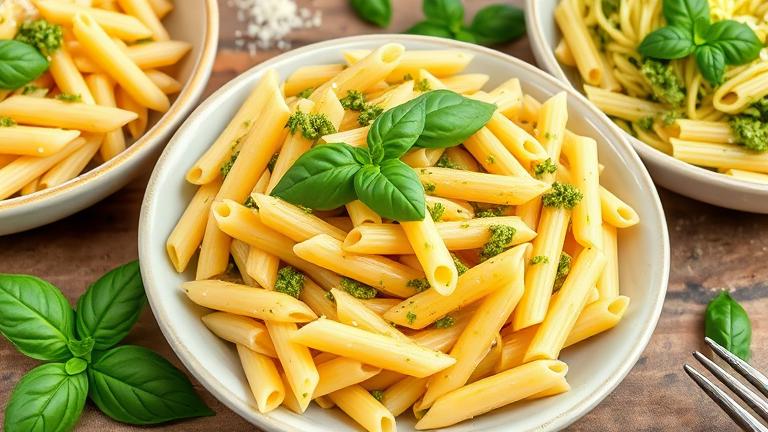
Top Pasta Types for Pesto Lovers
If you love pesto, you probably want a pasta that really brings out the fresh, herby flavors of the sauce. The good news is, some pasta shapes just work better with pesto than others. Whether you prefer classic basil pesto or a twist on the traditional, choosing the right pasta can make your dish even more delightful.
Traditional pesto pairs beautifully with pasta shapes that can hold onto the sauce well. Think of textures and surface areas that trap the flavorful mixture, ensuring each bite is full of pesto goodness. The most popular options are typically those that are not too delicate nor too bulky, striking the perfect balance for a light but satisfying meal.
Classic Choices for Pesto
- Spaghetti: Long, thin strands of pasta like spaghetti are a timeless pairing. Their smooth surface helps the pesto cling nicely, giving you a nice coating without overwhelming the sauce. Spaghetti is versatile and easy to toss with pesto.
- Linguine: Slightly flatter than spaghetti, linguine is a favorite for pesto lovers. Its shape provides a larger surface area for the herbs and oils to stick to, making each forkful flavorful.
- Fettuccine: Broader and thicker, fettuccine offers a hearty texture. It holds onto pesto well, especially if you toss it generously. It’s perfect for a richer pesto or when you want a pasta with more bite.
Unique and Popular Alternatives
- Penne: With its tube-shaped design and angled ends, penne is excellent at trapping pesto inside and on the cut edges. It’s great for a pesto pasta salad or a warm, saucy dish.
- Fusilli: The spiral shape of fusilli grabs onto pesto nicely, especially in dishes with a variety of other ingredients like cherry tomatoes or mozzarella. It adds a fun, textured experience to your plate.
- Troffie: A traditional Ligurian pasta similar to thin, twisted strands perfect for pesto. Its shape allows the sauce to cling closely, creating an authentic flavor experience.
Tips for Choosing the Best Pasta for Pesto
- Opt for pasta with a rougher surface if possible. This helps the pesto stick better compared to smooth pasta shapes.
- Consider the thickness of your pesto. Thicker, chunkier pestos might pair better with wider pasta shapes like fettuccine or troffie.
- Cook your pasta al dente, which means it’s still slightly firm when bitten. This texture holds up well against the sauce and prevents a mushy dish.
- Save some pasta cooking water before draining. Tossing a little of this starchy water with your pesto can help the sauce spread evenly and cling better.
Whether you stick with the timeless spaghetti or try something more playful like fusilli, choosing the right pasta will elevate your pesto dish. The key is to match the shape and texture of the pasta to the consistency and style of your pesto for a truly delicious meal.
Classic vs. Creative Pesto Pairings
Pesto is a versatile sauce that can turn simple dishes into something special. Traditionally, pesto is paired with pasta, vegetables, or bread, but there are many ways to get creative with it. Whether you prefer the classic combination or want to try something new, understanding the differences can help you cook with confidence.
Classic Pesto Pairings
Most people think of pesto as a sauce for pasta. The traditional combination is basil pesto with spaghetti or linguine. The fragrant basil, garlic, pine nuts, Parmesan cheese, and olive oil make a rich, flavorful sauce that clings perfectly to long pasta strands.
Another classic pairing is pesto on toasted bread or crostini, topped with cheese or sliced tomatoes. Pesto also works wonderfully as a spread for sandwiches, adding a burst of flavor.
In addition, pesto pairs nicely with vegetables like roasted potatoes, green beans, or grilled zucchini. It can be stirred into salads or served on the side with grilled chicken. These traditional uses highlight pesto’s versatility and its ability to enhance simple ingredients.
Creative Pesto Pairings
If you want to move beyond the traditional, there are many inventive ways to enjoy pesto. Experimenting with different ingredients can create exciting flavor combos.
One popular idea is swapping basil with herbs like cilantro or mint for a fresh twist. For example, cilantro pesto pairs well with seafood or tacos, giving each dish a bright, herbaceous flavor.
You can also use pestos made from other nuts or seeds instead of pine nuts. For instance, sunflower seed pesto has a nutty taste and makes a great dairy-free option.
Creative pairings also include using pesto as a topping for pizza or mixing it into scrambled eggs. For a more substantial meal, try layering pesto with grilled salmon or marinated tofu.
Another fun twist is to add unexpected ingredients into the pesto itself. Try blending roasted red peppers, sun-dried tomatoes, or even roasted beets into the sauce for bold new flavors. These variations can make pesto suitable for many different cuisines.
Tips for Pairing Pesto
- Think about the main dish — light pesto pairs well with delicate seafood, while richer pestos complement hearty meats.
- Adjust the thickness of the pesto — add more olive oil to make it runnier for dressings or less for a thicker spread.
- Don’t be afraid to mix and match ingredients like herbs and nuts — this is a great way to customize your pesto.
- Use fresh, high-quality ingredients for the best flavor, especially with herbs and cheese.
- Keep in mind that some pairing ideas work better with homemade pesto, where you control the ingredients and freshness.
Whether sticking to classic combinations or crafting your own creative pairings, pesto adds a burst of flavor to many dishes. By understanding these options, you can broaden your culinary horizons and enjoy pesto in countless delicious ways.
Tips for Cooking Perfect Pesto Pasta
Making great pesto pasta starts with cooking the pasta just right. Whether you prefer spaghetti, penne, or another shape, the goal is to achieve a tender yet firm texture called al dente. Here are some practical tips to help you master the art of cooking pasta for the perfect pesto dish.
Choose the Right Pasta and Use Plenty of Water
Select the pasta shape that suits your preference or the dish you’re making. Long straight noodles like spaghetti and linguine are classic choices for pesto, but short shapes like penne or fusilli also work well. Use a large pot filled with lots of water—at least 4 to 6 quarts for every pound of pasta. This prevents sticking and allows the pasta to cook evenly.
Adding enough water also helps the pasta cook faster and ensures it doesn’t clump together. A good rule of thumb is to keep the water salty; about 1 to 2 tablespoons of salt per 4 quarts of water. This seasons the pasta as it cooks, making the final dish much tastier.
Watch the Cooking Time and Taste Test Often
Follow the package instructions as a starting point but start tasting the pasta about a minute before the suggested time. Perfect pasta for pesto should be tender but still have a slight firmness when bitten, known as al dente. Overcooked pasta turns mushy and loses its bite, which isn’t ideal for a fresh pesto dish.
If you are unsure, it’s better to check early and remove the pasta from boiling water once it reaches your preferred texture. Remember, pasta continues to cook slightly after draining due to residual heat.
Keep the Water at a Rolling Boil and Stir Frequently
Maintain a steady, rolling boil throughout the cooking process. Gentle stirring every couple of minutes prevents the pasta from sticking to itself or the bottom of the pot. This is especially important when cooking shapes like penne or farfalle that can trap water and stick together.
Stirring also helps distribute heat evenly, which results in more consistent cooking. Once the pasta reaches al dente, quickly drain the water using a colander.
Reserve Some Pasta Water for the Perfect Sauce
Before draining, scoop out a cup of the starchy pasta water. This water can be a secret weapon for your pesto pasta. When mixing the pasta with pesto, add a splash of the reserved water to loosen the sauce and help it cling better to every strand or piece.
The starch in the pasta water gives the sauce a silkier texture and intensifies flavors. Add small amounts gradually, tasting as you go, until you reach the ideal consistency.
Practice and Adjust Based on Your Preferences
- If your pesto seems too thick, adding a little pasta water can help thin it without losing flavor.
- For a more flavorful dish, toss the pasta with a drizzle of good olive oil before mixing with the pesto.
- Always sample your pasta before serving to ensure it’s cooked to your liking and the sauce is perfect.
With these tips, you’ll consistently cook pasta that forms the perfect canvas for your delicious, fresh pesto. Keep practicing, and soon cooking pasta for pesto will feel second nature!
Simple Recipes for Pesto Pasta Dishes
Pesto pasta is a wonderful way to enjoy a flavorful, satisfying meal without spending hours in the kitchen. With just a few ingredients and a little bit of prep, you can create a variety of pesto pasta dishes that are perfect for weeknights or entertaining friends. Whether you love classic basil pesto or want to try a different flavor, there are endless ways to enjoy this versatile dish.
One of the biggest benefits of making pesto pasta is its speed. Most recipes take about 15 to 20 minutes from start to finish. Plus, pesto adds a fresh, herbaceous taste that pairs beautifully with pasta. You can use store-bought pesto for convenience or make your own at home. Either way, you’ll end up with a delicious meal that’s easy to customize to your taste.
What You Need
- Pasta of your choice (spaghetti, penne, fusilli, etc.)
- Pesto sauce (store-bought or homemade)
- Olive oil
- Optional toppings: grated cheese, chopped nuts, cherry tomatoes, grilled chicken, or vegetables
Basic Pesto Pasta Recipe
- Cook the pasta: Bring a large pot of salted water to a boil. Add the pasta and cook according to the package instructions until al dente, which means it’s cooked but still firm to bite. Drain the pasta, reserving a small cup of pasta water.
- Mix with pesto: Return the pasta to the pot or place it in a large mixing bowl. Add the pesto sauce and about 2-3 tablespoons of the reserved pasta water. This helps the pesto coat the pasta smoothly and keeps it from drying out.
- Toss and serve: Toss everything together until the pasta is evenly coated with pesto. Taste and add more pesto or pasta water if needed. Serve immediately with your favorite toppings.
Tips for Perfect Pesto Pasta
- Use freshly cooked pasta for the best texture and flavor.
- If your pesto is too thick, stir in a little more pasta water to loosen it up.
- Top with grated Parmesan or Pecorino cheese for extra richness.
- For added protein, toss in grilled chicken, shrimp, or toasted nuts.
- Mix in vegetables like cherry tomatoes, roasted zucchini, or sautéed spinach for more color and nutrition.
Variations to Try
- Sun-Dried Tomato Pesto Pasta: Substitute traditional basil pesto with sun-dried tomato pesto for a tangy twist.
- Herbaceous Pesto Pasta: Blend fresh herbs like parsley, cilantro, or basil with olive oil, garlic, and nuts for a homemade pesto.
- Vegan Pesto Pasta: Use nutritional yeast or vegan cheese in your pesto to keep it plant-based.
Enjoy your pesto pasta dishes anytime you need a quick, tasty meal. The best part is that they’re easy to adapt and perfect for showcasing your favorite ingredients. Give different pesto flavors a try and discover your new go-to dinner!
Expert Advice on Serving Pesto Pasta
Serving pesto pasta in a way that looks as good as it tastes can really elevate your dining experience. Culinary experts recommend focusing on presentation, garnishes, and serving tips to make your dish stand out. Whether you’re preparing a family dinner or hosting friends, these simple tricks will help you serve your pesto pasta beautifully and deliciously.
First, consider how you plate the pasta. Use a large, shallow bowl or a wide plate to give your pesto pasta room to shine. Twirling the pasta with a fork and tongs helps create a neat mound in the center of the plate, making the dish look more attractive. Avoid piling the pasta too high, as a balanced presentation makes the dish look inviting.
Garnishes and Add-Ins
Garnishes are key to adding color and flavor contrast. Fresh basil leaves are a classic choice, placed on top to highlight the pesto’s herbal notes. Cherry tomatoes sliced in halves or wedges add a pop of bright color and a touch of sweetness that complements the savory pesto. For a bit of crunch, sprinkle toasted pine nuts or sliced almonds over the top.
Cheese fans can add a final touch with a light sprinkle of freshly grated Parmesan or Pecorino Romano cheese. For a more gourmet look, you could even add a few small dollops of ricotta or burrata on top. Just be careful not to overload the dish, as it can ruin the overall aesthetic and balance of flavors.
Serving Suggestions
Serving your pesto pasta immediately after preparation ensures the flavors are fresh and vibrant. If you need to hold it for a few minutes, cover the dish lightly with foil or a clean towel to keep it warm. Reheating can sometimes make the pasta soggy, so it’s best enjoyed fresh.
If you’re serving pesto pasta as part of a larger meal, consider pairing it with a simple green salad dressed with lemon vinaigrette. This adds a fresh, tangy contrast to the rich pesto. Crusty bread on the side also works well to scoop up any sauce left on the plate, making every bite satisfying.
Extra Tips for a Perfect Serve
- Use high-quality pesto made with fresh basil, good olive oil, and real cheese for the best flavor.
- Lightly toss the pasta with a bit of olive oil after draining to prevent sticking and add extra shine.
- Adjust the seasoning with a pinch of salt or a squeeze of lemon juice just before serving to brighten the flavors.
- For a colorful presentation, serve different types of pasta in small portions, such as fusilli or pappardelle, along with the traditional spaghetti.
By paying attention to how you plate, garnish, and present your pesto pasta, you turn a simple dish into a memorable feast. Remember, a little creativity and care can make all the difference in elevating your pesto pasta experience to restaurant quality right at home.