
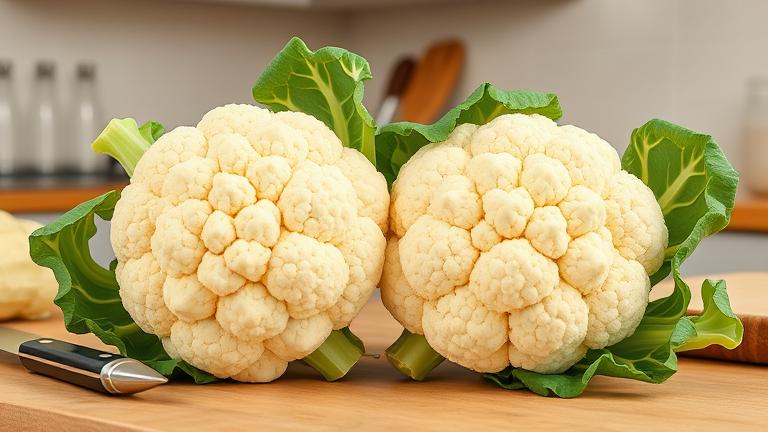
Best Ways to Store Cauliflower
Storing cauliflower properly is key to keeping it fresh, crispy, and delicious for as long as possible. Whether you’ve just bought a whole head or leftover florets, knowing how to store cauliflower will help you avoid spoilage and wasted food. The good news is, with simple tricks, you can enjoy your cauliflower for several days or even a week after purchase.
When you bring cauliflower home from the store, start by inspecting it. Look for heads that are firm, tightly closed, and free from dark spots or soft areas. Fresh cauliflower should feel heavy for its size and have a clean, mild scent. These tips help ensure you’re starting with a good quality vegetable that will store well.
Storing Whole Cauliflower
- Keep it in the crisper drawer: The refrigerator’s crisper drawer is designed to maintain optimal humidity. Wrap the whole cauliflower loosely in a plastic bag or perforated produce bag. This allows air circulation while protecting it from staling or drying out.
- Do not wash before storage: Wait to wash cauliflower until just before use. Excess moisture can promote mold and decay during storage. If it’s dirty, gently brush off dirt or rinse and dry thoroughly before storing.
- Store on a shelf, not the door: Keep cauliflower away from warmer areas, such as the fridge door. The temperature is more stable inside the drawer or on a shelf—around 32 to 40 degrees Fahrenheit (0 to 4 degrees Celsius).
Stored this way, whole cauliflower can stay fresh up to 5 to 7 days. Check periodically for any signs of spoilage like wilted leaves or soft spots, and use it soon if you notice anything off.
Storing Cauliflower Florets
- Use an airtight container or resealable bag: For chopped cauliflower, place the florets in an airtight container. Cover tightly or use a resealable plastic bag with excess air pressed out. Adding a paper towel to absorb moisture helps keep florets crisp.
- Avoid excess moisture: Excess moisture speeds up spoilage. Make sure the cauliflower is dry before storing, and check for condensation, which indicates excess water.
- Keep in the fridge’s coldest part: Store the container in the fridge’s main compartment, ideally on a middle shelf where temperature is stable.
Cauliflower florets typically stay fresh for 3 to 4 days. If you notice any florets turning yellow or slimy, it’s time to discard them. For longer storage, consider blanching and freezing.
Freezing Cauliflower for Longer Storage
If you want to keep cauliflower beyond a week, freezing is a great option. To do this, blanch the cauliflower first. This process involves briefly boiling the florets, then plunging them into ice water to stop the cooking. Blanching helps preserve flavor, texture, and color, and destroys enzymes that cause spoilage.
- Cut cauliflower into uniform florets.
- Bring a large pot of water to a boil.
- Drop the florets in for about 3 minutes.
- Transfer immediately to ice water to cool quickly.
- Drain and pat dry thoroughly.
- Place in airtight freezer bags or containers, removing as much air as possible.
- Label with date and freeze. Properly stored, cauliflower can last up to 12 months.
Remember to only freeze cauliflower that is fresh and in good condition to get the best results when cooking later. Proper storage methods will help your cauliflower stay crisp, flavorful, and ready for your favorite recipes.
Common Reasons Cauliflower Spoils
Cauliflower is a versatile vegetable that can stay fresh for several days when stored properly, but it can spoil quickly if certain conditions are not met. Understanding the common reasons why cauliflower goes bad can help you take better preventive measures. This way, you’ll enjoy your cauliflower at its best, whether for roasting, steaming, or raw snacking.
One of the main causes of cauliflower spoilage is exposure to excess moisture. When cauliflower is stored in a damp environment or washed and not dried well, moisture can promote mold growth and decomposition. Always make sure to dry cauliflower thoroughly before storing it in the fridge. If you see any water on the surface, gently pat it dry with a paper towel.
Another common issue is temperature. Cauliflower is sensitive to cold temperatures, but storing it at too high a temperature speeds up spoilage. The ideal storage temperature for cauliflower is around 32°F to 36°F (0°C to 2°C). Keep it in the crisper drawer of your refrigerator, which maintains a consistent cool environment. Avoid storing cauliflower near fruits like apples and bananas, which emit ethylene gas that can spoil vegetables faster.
Damage during handling can also shorten cauliflower’s shelf life. Bruising or cuts from rough handling create entry points for bacteria and mold. When buying cauliflower, choose heads that are firm, tight, and free from brown spots or cracks. Handle it gently when preparing and storing to keep its freshness intact.
Poor storage conditions are a major reason for spoilage. Wrap your cauliflower loosely in perforated plastic bags or store it in a breathable vegetable container. This helps regulate humidity and prevents excess moisture buildup. Do not store cauliflower in sealed plastic bags without ventilation as this traps moisture and encourages spoilage.
Age is another factor. Fresh cauliflower is best consumed within a week of purchase. Over time, the natural enzymes break down the vegetable, turning it yellow or brown and losing flavor. Keep track of how long your cauliflower has been in the fridge and use it before it shows signs of aging.
Lastly, contamination can cause quick spoilage. Bacteria or mold from dirty surfaces or contaminated tools can infect the cauliflower. Always wash your hands before handling vegetables and clean your cutting boards and knives thoroughly before preparing cauliflower. If you notice any mold spots or an off smell, it’s safest to discard the entire head.
- Summary of main causes: moisture, improper temperature, handling damage, poor storage, age, and contamination.
By paying attention to these common reasons cauliflower spoils, you can extend its freshness and enjoy its crisp texture and delicate flavor longer. Proper storage, gentle handling, and timely use are your best tools to keep cauliflower healthy and delicious in your kitchen.
Signs Cauliflower Has Gone Bad
Figuring out if cauliflower has gone bad is important to keep your meals safe and tasty. Fresh cauliflower should look crisp, smell fresh, and have a firm texture. When it starts to spoil, some clear signs will tell you it’s time to toss it out.
First, examine the color. Bright white cauliflower is a good sign it’s still fresh. If you notice any dark spots, yellowing, or browning patches, these are signs of spoilage. These discolorations often mean the vegetable has begun to deteriorate. Keep in mind that small brown spots can be cut away, but if most of the head shows discoloration, it’s best to discard it.
Next, check for softness or sliminess. Fresh cauliflower should feel firm and crunchy when you touch it. If it feels soft, mushy, or watery, it’s no longer good. Slimy patches especially indicate mold or bacterial growth. These slimy areas may have a foul smell or feel sticky. If you notice sliminess, avoid eating the cauliflower to prevent any risk of foodborne illness.
Speaking of smell, your nose is a great tool to assess freshness. Fresh cauliflower has a mild, clean smell. If it has a sour, rotten, or sourish odor, it’s a sign of spoilage. Don’t ignore unpleasant smells, as they indicate bacterial growth or mold that can cause food poisoning.
Look closely for mold. Mold can appear as fuzzy growths that are white, green, black, or gray. Sometimes mold can develop on the surface or inside the florets. If you see any mold, it’s safest to throw the entire head away. Do not try to cut off moldy parts, as spores can spread deeper into the vegetable.
Another sign is shriveled or dried-out cauliflower. If the vegetable looks wilted and loose, with dried out florets and stems, it’s past its prime. While not dangerous to eat, such cauliflower may be less flavorful and lose its crisp texture. For the best taste and texture, use cauliflower while it’s still firm and fresh.
Finally, inspect the storage. Cauliflower should be kept in the refrigerator, ideally in a perforated bag or container that allows air circulation. If stored for too long, even good-looking cauliflower can spoil. Check expiration dates on packaged cauliflower, and always use it within a week of purchase if fresh.
By paying attention to these signs—color, texture, smell, mold, and storage—you can confidently identify when cauliflower is no longer good to eat. Properly discarding spoiled cauliflower helps prevent foodborne illness and keeps your meals safe and delicious.
Tips to Keep Cauliflower Fresh Longer
Cauliflower is a versatile and healthy vegetable, but it can spoil quickly if not stored properly. Thankfully, with a few practical tips, you can extend its freshness and enjoy it at its best for more days. Whether you’re shopping for a bunch or have leftovers, these simple methods will help you keep cauliflower crisp, firm, and tasty.
The first step to maintaining cauliflower’s freshness is choosing fresh, healthy heads. When shopping, look for cauliflower that has white, firm florets and tight, compact curds. The leaves surrounding the head should be green and fresh-looking. Avoid cauliflower with brown spots, limp leaves, or a soft texture, as these are signs it may be past its prime. Picking a fresh cauliflower ensures it lasts longer once you bring it home.
Proper Storage Techniques
- Keep it cold: Cauliflower stays fresh longer in the refrigerator. Store it in the crisper drawer, which maintains a stable humidity level. The ideal temperature is around 32–40°F (0–4°C).
- Use a breathable bag: Place the cauliflower in a perforated plastic bag or wrap it loosely with paper towels before putting it in a plastic bag. This allows air circulation, preventing moisture buildup that causes mold or decay.
- Do not wash before storing: Wait to wash cauliflower until just before cooking or eating. Excess moisture from washing can promote spoilage and make it spoil faster.
Additional Storage Tips
- Keep the leaves on: If your cauliflower has green leaves attached, leave them in place. They act as a natural protective barrier against moisture loss and help maintain freshness.
- Avoid storing near ripe fruits or vegetables: Fruits like apples and bananas release ethylene gas, which can cause cauliflower to spoil more quickly. Store cauliflower separately to prolong its shelf life.
- Check regularly: Every few days, inspect the cauliflower and remove any parts that show signs of decay. This prevents mold from spreading to other parts.
Freezing Cauliflower for Long-Term Storage
If you want to keep cauliflower for several months, freezing is a great option. Before freezing, blanch the cauliflower florets in boiling water for a few minutes. Then, quickly transfer them to ice water to stop the cooking process. Drain well and arrange the florets on a baking sheet to freeze individually before transferring to a sealed freezer bag. Properly frozen cauliflower can last up to 12 months, maintaining good flavor and texture.
Common Mistakes to Avoid
- Buying overripe cauliflower: Always choose the freshest-looking heads to ensure longer freshness at home.
- Storing in airtight containers without ventilation: Lack of air flow promotes moisture and mold.
- Washing before storage: Moisture encourages spoilage, so only wash cauliflower when you’re ready to use it.
Following these easy tips helps maximize the shelf life of cauliflower, so you can enjoy its crunchy texture and delicious flavor over several days. Proper storage is simple, but it makes a big difference in keeping your cauliflower fresh and tasty longer.
Delicious Recipes with Fresh Cauliflower
Fresh cauliflower is a versatile vegetable that can be the star of many delicious dishes. Its mild flavor and satisfying texture make it perfect for everything from roasted sides to hearty main courses. Incorporating good quality cauliflower into your meals not only boosts flavor but also adds valuable nutrients like fiber, vitamins C and K, and antioxidants.
Getting the most out of fresh cauliflower starts with selecting the best head at the store. Look for firm, tightly packed florets with vibrant white or creamy color. Avoid heads with brown spots, wilting, or soft areas, as these indicate age or spoilage. Fresh cauliflower can be stored in your refrigerator for up to a week if kept in a ventilated bag or container.
Cooking Tips for Cauliflower
- Wash the cauliflower thoroughly under cold running water to remove dirt and any residual pesticides.
- Trim off the leaves and cut the cauliflower into even-sized florets for uniform cooking.
- Blanching cauliflower briefly in boiling water can help remove any bitterness and improve texture before roasting or frying.
Popular Cauliflower Recipes
- Roasted Cauliflower: Toss florets with olive oil, salt, pepper, and your favorite seasonings such as garlic powder or paprika. Roast in a preheated oven at 400°F (200°C) for 25-30 minutes until golden and crispy on the edges. This simple method enhances the natural sweetness of cauliflower.
- Creamy Cauliflower Soup: Sauté chopped onions and garlic until fragrant, then add chopped cauliflower and vegetable broth. Simmer until tender, then blend until smooth using an immersion blender. Stir in a splash of cream or plant-based milk for richness. Season with salt, pepper, and a pinch of nutmeg.
- Cauliflower Rice: Pulse cauliflower florets in a food processor until they resemble rice grains. Sauté the “cauliflower rice” in a little oil with garlic, vegetables, and seasonings for a quick, low-carb side dish or base for bowls.
- Buffalo Cauliflower Bites: Cut cauliflower into bite-sized pieces. Dip in a batter made from flour, water, and spices, then bake or fry until crispy. Toss with buffalo sauce and serve with ranch or blue cheese dressing for a flavorful appetizer.
Additional Tips for Delicious Cauliflower Dishes
- Experiment with seasoning blends like curry powder, cumin, or Italian herbs to add variety.
- For extra flavor, add grated Parmesan cheese or lemon zest after cooking.
- Try pairing cauliflower with bold flavors such as spicy sriracha or tangy balsamic glaze.
Storage and Food Safety
Fresh cauliflower should be stored in the refrigerator and used within a week for best flavor and texture. Keep it in a perforated plastic bag to allow airflow and prevent moisture buildup, which can cause spoilage. If you’ve cooked cauliflower leftovers, they can be kept in an airtight container for up to three days. Reheat gently to maintain texture and avoid overcooking.