
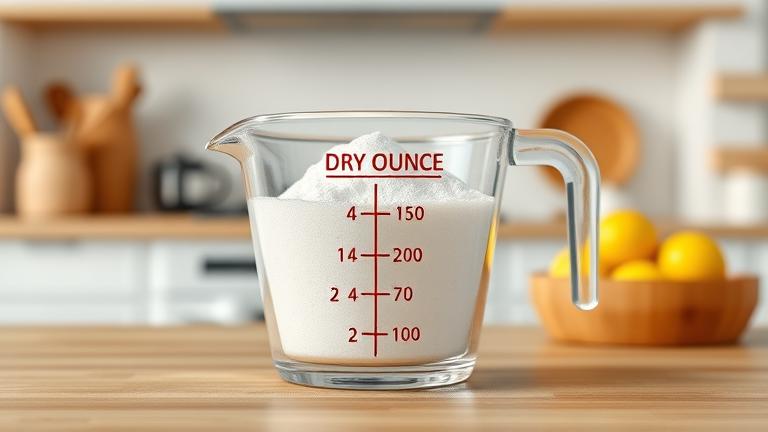
Understanding Dry/Ounce Measurements
When cooking and baking, measuring ingredients accurately is key to achieving good results. One common measurement used in recipes is the dry ounce. Knowing what a dry ounce is and how to measure it correctly can help you produce consistent, delicious dishes every time.
A dry ounce is a unit of weight, not volume. This means it measures how heavy an ingredient is, rather than how much space it occupies. For example, a cup of flour can be packed tightly or loosely, which affects the volume. But a dry ounce of flour always weighs the same, regardless of how it looks inside your measuring cup.
Using weight measurements like dry ounces is especially helpful because it improves accuracy. When you measure ingredients by weight, you reduce the chances of adding too much or too little. This is particularly important for baking recipes, where small differences can significantly alter the texture or rise of bread, cakes, and cookies.
Why Dry/Ounce Measurements Matter
- Consistency: Weighing ingredients ensures every batch is just like the last.
- Precision: Some ingredients, such as flour or sugar, can vary greatly in volume depending on how they are packed. Measuring by weight eliminates this inconsistency.
- Saving Time: Using a digital scale can speed up the process and streamline baking and cooking.
Common Methods to Measure Dry Ounces
Since dry ounces refer to weight, the best way to measure them is with a kitchen scale. Here’s how to do it:
- Place your empty container or bowl on the scale.
- Turn on the scale and reset it to zero (tare function). This ensures you’re only measuring the ingredient’s weight.
- Add your ingredient slowly until the scale shows the required number of ounces for your recipe.
- Check your measurement before adding it to your mixture.
Converting from Volume to Weight
If your recipe provides measurements in cups or tablespoons and you prefer weighing, you can convert these to dry ounces. Keep in mind that different ingredients have different weight-to-volume ratios. For example:
| Ingredient | Approximate Ounces per Cup |
|---|---|
| All-purpose flour | 4.25 oz |
| Granulated sugar | 7 oz |
| Butter (solid) | 4 oz |
| Rice | 6.5 oz |
Using reference charts like this can assist in switching between volume and weight. For best results, especially in baking, it’s recommended to use a scale whenever possible to ensure accuracy.
Practical Tips for Accurate Dry/Ounce Measurements
- Always use a good-quality digital scale for precision.
- Place your container on the scale first, then zero it out before adding ingredients.
- Be consistent with your method—whether packing flour tightly or spooning it in can affect the measurement.
- Store ingredients in clearly labeled containers with measurements for easy access.
By understanding dry ounce measurements and using a scale, you can improve your cooking accuracy. This small step greatly influences the outcome of your recipes, especially in baking where precision is everything.
Converting Cups to Ounces Made Easy
When baking or cooking, understanding how to convert cups to ounces enhances measurement accuracy. This is especially helpful when following recipes using different units or when scaling recipes up or down. Although it may seem complicated at first, a few simple methods and tips will help you convert cups to ounces confidently for various dry ingredients.
First, remember that the weight of one cup varies depending on the ingredient. For example, one cup of flour weighs about 4.25 ounces, whereas one cup of sugar roughly weighs 7 ounces. These differences arise because ingredients have different densities. Knowing these specific conversions helps prevent baked goods from turning out too dense or dry.
Use Conversion Charts
The easiest way to convert cups to ounces is by using a conversion chart. These charts list common dry ingredients with their corresponding weight per cup. Keep one handy in your kitchen or bookmark an online version for quick reference. Here’s an example of a basic conversion chart for popular ingredients:
| Ingredient | Ounces per Cup |
|---|---|
| Flour (all-purpose) | 4.25 oz |
| Sugar (granulated) | 7 oz |
| Brown sugar (packed) | 6.5 oz |
| Rice | 6.2 oz |
| Cocoa powder | 3.5 oz |
Use a Digital Scale for Precise Measurement
The most accurate results come from using a digital kitchen scale. To convert cups to ounces, simply place your dry ingredient into the scale’s bowl, turn it on, and read the weight in ounces. This method guarantees exact measurements and consistently good results.
Tip: When measuring ingredients like flour or sugar, scoop or spoon the ingredient into your measuring cup without tapping it down. Level it off with a knife to ensure precision. Weighing this amount on your scale helps you become familiar with the typical weight of your favorite ingredients, enhancing your conversion accuracy over time.
Practical Tips and Common Mistakes to Avoid
- Always check whether your recipe specifies whether ingredients should be packed or lightly filled, especially for brown sugar or powdered ingredients.
- Remember that packed brown sugar weighs more than loosely packed brown sugar.
- Different ingredients have unique weights per volume; always use specific conversions for each.
- Double-check your measurements to avoid errors that could compromise your final dish.
- Practice with small amounts first to build confidence before scaling up recipes.
Converting cups to ounces may seem intimidating initially, but with practice, it becomes second nature. Whether using conversion charts or a digital scale, understanding that the weight of a cup varies by ingredient is essential. With these tips, your measurements will be accurate, leading to successful cooking and baking every time.
Common Ingredients and Their Measures
Understanding how various ingredients measure out in dry ounces is crucial for consistent results. Dry ounces provide a reliable way to ensure your recipes turn out as expected, especially for ingredients like flour, sugar, or nuts. Accurate measurement prevents over- or under-using ingredients, which can affect texture, flavor, and presentation.
Since ingredients differ in density and packaging, measuring by weight often results in better consistency. For instance, a cup of flour may weigh less than a cup of chopped nuts. Many cooks prefer using a kitchen scale for precision. However, knowing typical dry ounce equivalents can help when converting recipes or following instructions without a scale.
Common Ingredients and Their Typical Dry Ounce Measures
| Ingredient | Approximate Ounces per 1 Cup |
|---|---|
| All-purpose flour | 4 1/4 oz |
| Granulated sugar | 7 oz |
| Brown sugar (packed) | 7 oz |
| Powdered sugar | 4 oz |
| Butter | 8 oz (1 cup) |
| Nuts (chopped) | 4 oz |
| Cocoa powder | 3 1/2 oz |
| Oats | 3 oz |
| Chocolate chips | 6 oz |
Note that these measurements are approximate, as packing or ingredient type can slightly alter weights. For example, pressing down brown sugar into your measuring cup will make it weigh more than loosely filling it. Always spoon ingredients into your measuring cup or spoon and level it off with a straight edge for best accuracy.
Measuring Tips for Accuracy
- Use a kitchen scale whenever possible. Weighing ingredients provides the most consistent results, especially in baking where precision is vital.
- Spoon ingredients into your measuring cup or spoon rather than scooping directly from the package, preventing overpacking or loose measurements.
- Level ingredients with a butter knife or a straight-edged spatula for precise volume.
- Remember that ingredients like brown sugar or oats may settle or compact, so fluff and spoon when measuring.
- When adjusting recipes, verify if the measurements are by weight or volume to maintain proportion accuracy.
Implementing these tips will help you follow recipes more accurately and achieve delicious, reliable results every time. Investing in a good kitchen scale can dramatically improve your baking, but understanding the typical dry ounce measures of ingredients is a practical way to enhance your cooking skills without always relying on weight.
Tips for Accurate Kitchen Measurement
Precise measurement of dry ingredients is fundamental to successful cooking and baking. Whether you’re baking bread, cookies, or preparing a hearty stew, accurate measurements ensure consistent and reliable results. Small adjustments and careful attention have a big impact on your dishes.
Begin with the right tools. Use measuring cups made specifically for dry ingredients. These are typically made of metal or plastic and come in standard sizes such as 1 cup, 1/2 cup, and 1/4 cup. Avoid using liquid measuring cups for dry ingredients, as their accuracy diminishes when filled to the top.
Next, make sure your measuring cups are level. After scooping the ingredient into the cup, use the back of a knife or a straight edge to level it off evenly. This prevents over- or under-measuring, which can affect your recipe’s success. Be gentle when measuring ingredients like flour to prevent packing too tightly.
Another tip involves fluffing and spooning dry ingredients like flour or cocoa powder. For flour, stir the bag or container to loosen it, then lightly spoon the flour into your measuring cup without pressing or tapping. Level it off with a knife to avoid excess. This technique helps you avoid over-measuring due to packing.
Using a kitchen scale can significantly improve accuracy, especially for baking. Weighing ingredients like flour and sugar provides consistent results regardless of variations in measuring methods. For example, a cup of packed brown sugar weighs about 220 grams, while the same volume of flour might weigh only 120 grams.
When measuring multiple ingredients, clean your measuring tools between different items to prevent cross-contamination or flavor transfer. For example, remove residue from salt before measuring baking powder.
Ensure your measuring tools are clean and dry. Moisture can cause ingredients like flour or powdered sugar to clump, which impacts the measurement accuracy. After washing, dry tools thoroughly before use.
Finally, don’t rush. Accurate measurement requires patience. Double-check your measurements if needed and take your time, especially when baking, to ensure proper proportioning. Small errors can lead to big differences in your final dish.
- Use appropriate tools: dry measuring cups and a kitchen scale.
- Level off ingredients with a straight-edged tool.
- Fluff and spoon ingredients to avoid packing errors.
- Weigh ingredients for increased precision whenever possible.
- Keep tools clean and dry to prevent measurement errors.
- Be patient and double-check measurements for accuracy.
Adhering to these tips promotes better accuracy in your cooking and baking endeavors. While a good kitchen scale can be a game-changer, understanding common ingredient weights and proper measuring techniques are invaluable skills that will elevate your culinary creations.
Baking and Cooking: Measurement Mistakes to Avoid
One of the leading reasons recipes don’t turn out as expected is improper or inaccurate measurement. Whether you’re baking a layered cake or simmering a stew, precise measurements are essential for success. Recognizing common mistakes and learning how to avoid them can lead to consistently excellent results.
Firstly, use the correct tools for measurement. For liquids, always opt for a liquid measuring cup placed on a flat surface and read at eye level. For dry ingredients, use dry measuring cups, filling them to the top and leveling with a straight-edged utensil to ensure accuracy.
Next, avoid guessing. Over- or under-measuring ingredients can drastically impact your final product. For example, using too much flour can make a cake dense, whereas too little sugar can make it bland. Carefully measure with spoons and cups and always level off dry ingredients for precise amounts.
Be mindful of whether the recipe specifies volume (cups) or weight (ounces). Many professional recipes, especially in baking, are more accurate when using weight. A cup of flour can vary greatly based on how it is scooped, leading to inconsistency. Whenever possible, weigh your ingredients to ensure uniformity.
Another common mistake involves measuring ingredients at inappropriate temperatures. Cold butter or honey can be difficult to measure accurately. Slightly soften butter or warm honey to facilitate proper measurement. Also, check if liquids should be at room temperature, as cold liquids can affect batter or dough consistency.
Packaging matters too. Ingredients like brown sugar or oats should be packed into measuring cups until overflowing and then leveled off. Do not scoop or pour loosely, which can result in incorrect amounts being added.
- Tip: Carefully read your recipe for specific instructions such as “lightly packed” or “scant” measures, which can influence the outcome.
- Tip: Always use the proper measuring tools—cups for volume, spoons for small amounts—and avoid substituting.
- Tip: When measuring liquids, place the container at eye level to read the measurement accurately.
Finally, avoid scaling recipes without adjusting measurements properly. If doubling or halving, double-check quantities to maintain the correct proportions. Small discrepancies can affect texture, taste, and appearance.
By paying close attention to measurement accuracy and avoiding common pitfalls, you’ll improve your chances of producing delicious, professional-quality dishes every time. Remember, precise measurement is often the secret ingredient to successful cooking and baking.