
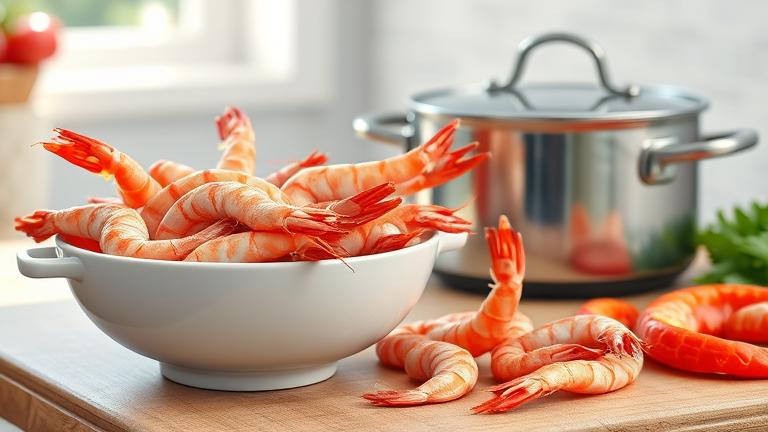
To Peel or Not: Boiling Shrimp Debate
When it comes to boiling shrimp, many home cooks wonder whether to peel the shells first or leave them on. This is a common debate in the kitchen, and the answer really depends on your cooking goals, taste preferences, and what you plan to do with the shrimp afterward.
Peeling shrimp before boiling makes for a neater presentation and is often preferred when you want tender, easy-to-eat shrimp. On the other hand, leaving the shells on during boiling can add flavor and help keep the shrimp juicy. Let’s explore the pros and cons of each approach to help you decide what’s best for you.
Boiling Shrimp with Shells On
- Flavor boost: The shells act as a natural barrier that traps juices, resulting in richer, more flavorful shrimp.
- Juiciness: Shrimp cooked in their shells tend to stay moist and tender because the shells help prevent overcooking.
- Less prep work: Leaving shells on saves time, as you don’t need to peel each piece before boiling.
- Ideal for soups and boils: Shell-on shrimp are great for dishes like shrimp boil or seafood stews, where the shells can be slipped off easily before eating.
- Tip: Be sure to rinse the shrimp thoroughly and remove any dirt or debris from the shells before cooking.
Boiling Shrimp Peeled
- Ease of eating: Peeled shrimp are ready to eat right out of the pot, making them perfect for salads, cocktails, or quick meals.
- Uniform cooking: Without the shells, the shrimp cook more evenly, reducing the risk of overcooking or undercooking parts.
- Shorter cooking time: Peeled shrimp typically cook faster because there’s no shell to slow down heat transfer.
- Less flavor: They may lack some of the depth that shells add, so consider boiling them in seasoned water or adding herbs for extra taste.
- Tip: If you peel before boiling, do it carefully to avoid breaking the delicate flesh, especially if the shrimp are small.
Which method is right for you?
If you want maximum flavor and plan to use the shrimp in a dish where you remove the shells later, boiling with shells on is a smart choice. It’s also great if you’re short on prep time or want to serve whole shrimp for a presentation.
However, if your priority is convenience and quick eating, peeling the shrimp before boiling is the way to go. This method is especially handy for salads, shrimp cocktails, or when serving shrimp cold.
Some helpful tips:
- Always use fresh, quality shrimp for the best results, whether peeled or not.
- Feel free to add seasonings like lemon, bay leaves, or garlic to the boiling water for added flavor.
- Don’t overcook the shrimp; they turn opaque and curl up when done. Usually, 2-3 minutes in boiling water is enough.
- If peeling after boiling, chill the cooked shrimp briefly in an ice bath to make peeling easier and to stop the cooking process.
Best Methods to Boil Perfect Shrimp
Boiling shrimp is a quick and easy way to prepare this seafood favorite. Whether you’re making a shrimp salad, cocktail, or adding them to pasta, achieving tender, flavorful shrimp is key. The secret lies in using the right techniques, timing, and seasoning. Here, you’ll find simple steps and helpful tips to boil shrimp perfectly every time.
Choosing the Right Shrimp
The first step to perfect boiled shrimp is selecting good quality shrimp. Fresh or frozen shrimp will work well. If using frozen shrimp, thaw them in the refrigerator overnight or run them under cold water. Decide whether you want shell-on or peeled shrimp. Shell-on shrimp tend to stay juicier and have more flavor, while peeled shrimp are convenient for salads and dishes.
Preparing the Water
Fill a large pot with enough water to submerge all the shrimp. Use about 4 quarts of water for every pound of shrimp. Add salt to mimic ocean water, about 1-2 tablespoons per quart. This seasoning enhances the shrimp’s natural flavor. For extra taste, toss in aromatics like lemon slices, garlic cloves, bay leaves, or peppercorns. These ingredients infuse the shrimp with subtle flavors during boiling.
Timing and Cooking Process
The key to tender, juicy shrimp is avoiding overcooking. Once the water reaches a rolling boil, carefully add the shrimp. As soon as the water returns to a boil, start timing. Most shrimp cook quickly: about 2-3 minutes for small shrimp and 3-4 minutes for larger ones.
Watch for the color change; shrimp turn pink and opaque as they cook. Use a slotted spoon or strainer to remove them promptly. Overcooked shrimp become tough and rubbery, so it’s better to check a sample early. Once done, transfer the shrimp to a bowl of ice water to halt the cooking and keep them tender.
Tips for Perfect Boiled Shrimp
- Always start with a large, deep pot to prevent overcrowding.
- Do not add raw shrimp to boiling water all at once; add them gently to avoid splashing.
- Shake off excess water before serving or assembling your dish.
- Cooked shrimp can be stored in an airtight container in the refrigerator for up to two days.
Additional Equipment and Variations
If you frequently boil shrimp, investing in a large stockpot with a steamer insert can make the process easier. Steaming shrimp instead of boiling is another method that results in tender results while reducing the risk of overcooking.
For flavor variations, try adding different herbs, spices, or even a splash of your favorite hot sauce to the boiling water. This way, each batch can have a unique, flavorful twist.
With these straightforward techniques, you can boil shrimp to perfection every time. Practice timing and seasoning, and you’ll enjoy delicious, juicy shrimp for any dish or snack.
Tips and Tricks for Easy Shrimp Peeling
Peeing shrimp can seem tricky at first, but with the right techniques and a few handy tools, it becomes much easier and even enjoyable. Whether you’re preparing shrimp for a salad, pasta, or a seafood platter, these tips will help you peel smoothly and efficiently.
First, start with fresh or properly thawed shrimp. Frozen shrimp should be thawed completely in the refrigerator or under cold running water. Cold shrimp are firmer and easier to handle, which makes peeling less messy.
Gather Your Tools
- Kitchen scissors or shrimp sheller: Specialized tools can make peeling a breeze. They help cut through the shell without damaging the meat.
- Small paring knife: Handy for gently sliding underneath shells or deveining.
- Bowls of water and paper towels: Keep your workspace tidy and reduce sticking shells.
Best Techniques for Peeling Shrimp
Here are some simple methods to peel shrimp easily:
- Start from the top: Hold the shrimp firmly by the tail or legs. Use your thumb or a utensil to lift the shell at the head end.
- Use the legs as a guide: The legs are attached to the shell; grabbing them can help loosen the shell smoothly.
- Peel in one piece: Try to remove the shell in one go. Carefully lift the shell away from the meat, working from the head to the tail.
- Deveining at the same time: If desired, run a small knife or a toothpick along the back of the shrimp to remove the dark vein. This saves time and improves taste.
Tips to Make Peeling Less Tedious
- Chill the shrimp: Cold shrimp are firmer and easier to grip. Keep them in the fridge until you’re ready to peel.
- Work over a sink or bowl: Peeling shrimp can be messy, especially with juices and shell pieces. Doing it over a sink keeps cleanup simple.
- Use a gentle touch: Applying too much force can tear the flesh or break the shell, making peeling harder. Be patient and gentle.
- Practice makes perfect: The more you peel, the faster you’ll develop a steady hand and sense of how much pressure to apply.
Common Mistakes to Avoid
- Peeling when warm or at room temperature: Warm shrimp are softer and more difficult to peel neatly. Chill before peeling.
- Using blunt tools: Dull knives or scissors can crush the shell or slip, causing frustration. Keep your tools sharp.
- Forcing the shell off: If resistance is strong, stop and reposition your grip. Forcing can damage the meat or tear the shell unevenly.
With these tips and tricks, peeling shrimp will become quicker and less of a chore. Remember, patience and the right tools are your best friends in the kitchen. Before long, you’ll be peeling shrimp with ease and confidence, ready to enjoy your seafood dishes.
Flavor Boosts for Boiled Shrimp
Adding flavor to boiled shrimp is a simple way to make this seafood dish even more delicious. While plain boiled shrimp are tasty on their own, incorporating marinades, seasonings, and creative serving ideas can elevate your meal. Whether you’re preparing a quick snack or a fancy appetizer, these tips will help you get the most flavor out of your shrimp.
Marinade Ideas
Marinating cooked shrimp is a great way to infuse extra flavor. Consider a light marinade made with fresh lemon juice, minced garlic, and a splash of olive oil. Let the shrimp sit in this mixture for about 15-30 minutes in the refrigerator before serving. The acidity from the lemon adds brightness, while garlic gives a savory punch.
Another tasty option is a spicy marinade featuring smoked paprika, cayenne pepper, and a hint of honey. This adds a smoky heat that complements the sweetness of the shrimp. Just toss cooked shrimp with the marinade and let it sit for 10 minutes to soak up those flavors.
Seasoning Tips
- Salt and pepper: Basic but essential. Season the boiling water with plenty of salt so the shrimp absorb this flavor during cooking.
- Herbs: Add fresh herbs like parsley, thyme, or dill to the boiling water or sprinkle on the shrimp after cooking.
- Spices: Consider adding red pepper flakes, Old Bay, or curry powder to the boiling water for a flavor kick.
Remember, seasoned water not only flavors the shrimp but also improves presentation if the shells are kept on. Be cautious with salt, especially if you plan to serve the shrimp with seasonings or dips later.
Serving Suggestions
Presentation and accompaniments can make a big difference in taste perception. Serve boiled shrimp chilled on a platter with lemon wedges and a side of cocktail sauce or garlic butter for dipping. Garnish with chopped fresh herbs for color and extra flavor.
For a fun twist, consider serving shrimp over a bed of mixed greens with sliced avocado, cherry tomatoes, and a drizzle of vinaigrette. This creates a light, flavorful salad that’s perfect for summer meals.
If you’re feeling adventurous, toss your boiled shrimp into a pasta salad or as part of a seafood boil with corn on the cob and Andouille sausage. The key is to balance the natural sweetness of the shrimp with bold seasonings and fresh herbs.
Lastly, don’t forget about presentation. Serving shrimp on a beautiful platter with vibrant garnishes can make even simple boiled shrimp look impressive. A drizzle of flavorful sauces or a sprinkle of paprika can add a splash of color and flavor.
Common Mistakes When Cooking Shrimp
Cooking shrimp might seem simple, but even experienced cooks can make some common mistakes that affect the final dish. Whether you’re boiling, sautéing, or grilling, knowing what to avoid helps ensure your shrimp turn out tender, flavorful, and perfectly cooked every time.
One of the biggest errors is overcooking the shrimp. Shrimp cook quickly—usually in just a few minutes—so leaving them on the heat too long makes them tough and rubbery. To avoid this, watch for the color change. Raw shrimp are gray and translucent, but when cooked, they turn pink and opaque. As soon as shrimp reach this color, remove them from heat.
Another mistake is not properly preparing the shrimp before cooking. Many recipes call for peeling or deveining, but skipping these steps can create unpleasant textures or affect flavor. Remove shells if the recipe requires it, and devein if needed, especially if the shrimp are large. This makes for a more enjoyable eating experience and allows spices or seasonings to penetrate better.
Using the wrong heat level is a common issue too. Cooking over too high a heat can burn the exterior while leaving the inside undercooked. Conversely, too low heat might result in uneven cooking. Medium-high heat usually works best for sautéing or grilling shrimp—hot enough to cook quickly but not burn. When boiling, a gentle simmer is enough. Adjust your stove accordingly to prevent overcooking or undercooking.
Many home cooks also make the mistake of seasoning too late. Shrimp benefit from being seasoned beforehand or marinated. Salt, garlic, lemon juice, or spices added early help tenderize the seafood and infuse flavor. If you wait until after cooking, the flavor might not penetrate the meat as well, resulting in bland bites.
It’s easy to assume that all shrimp are the same size, but this can lead to uneven cooking. Small shrimp cook faster, while larger ones take a bit longer. Use a kitchen scale or check the packaging for size info, and adjust your cooking time accordingly. For uniform results, try to cook shrimp of similar size together.
One mistake often overlooked is storing shrimp improperly. Keep raw shrimp in the coldest part of your fridge and use within one or two days. If you plan to hold them longer, freeze them in an airtight container. Proper storage prevents spoilage and ensures safety when you’re ready to cook.
Finally, neglecting to pat the shrimp dry before cooking can cause excess moisture, leading to steaming rather than searing. Use paper towels to remove excess water, especially if you’re sautéing or grilling. This step helps achieve a nice, crispy exterior and retains juiciness inside.
- Practice patience with your cooking time to prevent rubbery shrimp.
- Use a reliable timer or visual cues to catch the perfect moment of doneness.
- Experiment with seasonings to discover your favorite flavor combinations.