
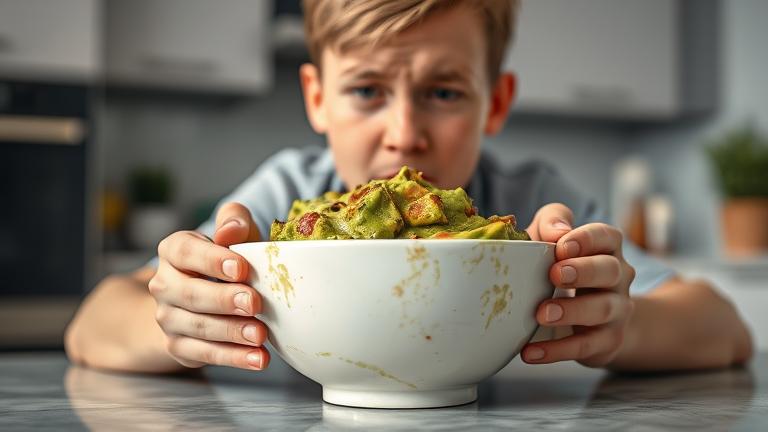
Is Old Guacamole Safe to Eat?
Many of us love guacamole, especially when it is fresh and creamy. But what about when it’s been sitting in the fridge for a few days? Eating old guacamole can sometimes be risky, so it’s important to know how to tell if it is still safe.
Guacamole is made from mashed avocados mixed with ingredients like lime juice, onions, tomatoes, and seasonings. Because it contains fresh produce and dairy, it can spoil quickly if not stored properly. The key is to understand what signs indicate spoilage and when it’s best to throw it away.
How Long Does Guacamole Stay Fresh?
Generally, homemade guacamole stays good for about 1 to 2 days in the refrigerator. Store-bought guacamole, if unopened, can last a little longer according to the expiration date on the package. Once opened, it is similar to homemade—best consumed within 1 to 2 days.
Always check the packaging or recipe instructions for specific storage times, but when in doubt, use your senses. If it looks old or smells off, it is safest to discard it.
Signs That Guacamole Has Spoiled
- Color change: Fresh guacamole has a bright, vibrant green color. If it turns brown or gray, especially on the surface, it is a sign of oxidation or spoilage.
- Unpleasant smell: Spoiled guacamole gives off a sour or rancid odor. If it smells off or just “not right,” it’s best to toss it.
- Texture issues: When guacamole becomes slimy or excessively watery, that’s a sign bacteria may be growing.
- Presence of mold: Any visible mold or fuzzy growth indicates it’s time to throw it away immediately.
Why Does Guacamole Spoil?
Guacamole spoils because bacteria, yeasts, and molds grow on the ingredients, especially once exposed to air. The avocado’s high-fat content makes it prone to turning rancid if left out or stored improperly. Adding acidic ingredients like lime juice can slow down spoilage, but it doesn’t stop it entirely.
Even if the guacamole looks and smells okay, bacteria like Salmonella or Listeria could be present if it’s been stored too long or handled improperly. Eating spoiled guacamole can lead to food poisoning, with symptoms such as nausea, vomiting, diarrhea, or stomach cramps.
How to Avoid Eating Old Guacamole
- Store properly: Keep guacamole in an airtight container in the fridge. Press plastic wrap directly onto the surface to prevent air contact.
- Use clean utensils: Always use a clean spoon or fork each time you serve guacamole. Never double-dip, as this introduces bacteria.
- Check regularly: Before eating leftovers, inspect the texture, smell, and color. When in doubt, throw it out.
- Stay within recommended times: Remember that 1 to 2 days is usually safest for homemade or opened store-bought guacamole.
What Should You Do If You’re Unsure?
If you’re uncertain about the freshness of your guacamole, it’s better to err on the side of caution. When in doubt, discard it. Health risks from eating spoiled food are not worth the occasional waste.
To keep your guacamole fresh longer, consider adding extra lime juice, keeping it airtight, and ensuring your fridge is at the right temperature — ideally below 40°F (4°C). Proper storage not only extends its shelf life but also keeps your snack safe to enjoy.
Signs of Spoiled Guacamole
Guacamole is a delicious and popular dip, but it can spoil quickly if not stored properly. Knowing what to look for helps you avoid eating bad guacamole, which can cause food poisoning or upset your stomach. Here are some clear signs that your guacamole has gone bad, so you can toss it out in time.
Visual Signs of Spoilage
The most obvious indicator of spoiled guacamole is its appearance. Fresh guacamole is usually a vibrant green color. If you notice it turning a dull, brownish, or grayish color, it’s a sign that it’s starting to spoil. This discoloration happens when the avocado oxidizes, but if it’s accompanied by other signs, it’s best to discard it.
- Brown or black patches: Large areas of dark discoloration mean the guacamole isn’t fresh anymore.
- Excess liquid or separation: If you see watery liquid pooling on top or the guacamole looks separated and lumpy, it’s probably past its prime.
- Mold: Any visible mold spots—fuzzy or colorful patches—are a definite sign to throw the guacamole away.
Smell Indicators
Smell is a quick way to judge if guacamole is still good. Fresh guacamole has a mild, fresh smell of avocado with hints of lime and seasoning. When it starts to spoil, the scent changes noticeably.
- Bad or sour smell: A sour, rancid, or off-putting odor indicates that bacteria or mold has developed.
- Strong ammonia-like or foul odor: This unpleasant smell means the guacamole is no longer safe to eat.
If your nose detects any strange or unpleasant odors, it’s best to discard the guacamole. Don’t ignore bad smells, as they are often the first warning signs of spoilage.
Texture Clues
Texture also reveals a lot about the freshness of guacamole. Fresh guacamole should be creamy and smooth, maybe slightly chunky, but not slimy or overly watery.
- Sliminess or a sticky feel: Slimy texture is a sign bacteria may have started growing.
- Grittiness or lumpy texture: While some chunkiness is normal, excessive lumps or grittiness can indicate spoilage.
- Excessive liquid or pooling: Runny guacamole is a sign it’s old or has been sitting too long.
If the texture feels off or has changed significantly from when you first made or opened it, it’s safer to throw it out.
Key Tips for Storage and Safety
- Always cover guacamole tightly with plastic wrap or store it in an airtight container to prevent air exposure, which speeds up spoilage.
- Try to consume opened guacamole within 1 to 2 days for the best quality and safety.
- Consider adding a thin layer of lemon or lime juice on top before storing—this can slow down oxidation and browning.
- When in doubt, trust your senses. If it looks, smells, or feels off, it’s best to discard it.
By keeping an eye out for these signs—visual discoloration, bad smell, and textural changes—you can enjoy your guacamole safely and avoid any health risks associated with spoiled food. Remember, when in doubt, it’s always better to be safe than sorry.
Health Risks of Eating Old Guacamole
While fresh guacamole can be a tasty and healthy snack, eating old or spoiled guacamole can pose serious health risks. It’s important to know what happens when you consume guacamole that’s gone past its prime. Leftover or improperly stored guacamole may seem okay at first glance, but it can harbor bacteria and other pathogens that cause illness.
One of the main dangers of eating old guacamole is food poisoning. When guacamole sits out at room temperature for too long or isn’t refrigerated properly, bacteria such as Salmonella, Listeria, and especially Salmonella can multiply quickly. These bacteria can lead to symptoms like stomach cramps, diarrhea, nausea, and vomiting. In severe cases, food poisoning may require medical attention or lead to dehydration.
Another common problem linked with spoiled guacamole is bacterial infection. Bacteria flourish in environments where the acidity drops and bacteria begin to grow. Since guacamole contains avocado, lime juice, and other ingredients that can change throughout time, bacteria thrive especially if the guacamole is left uncovered or stored improperly. Outdated guacamole may also contain molds which are not visible to the naked eye. Consuming mold can cause allergic reactions and respiratory issues in some individuals.
It’s worth noting that guacamole can also harbor parasites or toxins if not stored correctly. For example, bacterial contamination can often be hidden, making it unsafe to rely on smell or appearance alone to determine freshness. Sometimes, guacamole may look, smell, and taste fine but is still unsafe to eat. Consuming spoiled guacamole can lead to foodborne illnesses that sometimes cause severe symptoms, especially in young children, pregnant women, older adults, or people with weakened immune systems.
Common signs that guacamole has gone bad include a sour, off smell, a change in color from vibrant green to brown or grey, a slimy texture, or visible mold. If you notice any of these signs, it’s safest to discard the leftovers. Do not taste a small amount to check; this can be risky. Always err on the side of caution to avoid unnecessary health issues.
To reduce the risk, store guacamole in an airtight container in the refrigerator and consume it within one or two days. Using clean utensils and keeping it covered helps slow down bacterial growth. When in doubt, throw it out because your health is more important than saving a few leftovers. Remember, preventing foodborne illness is better than dealing with the consequences later.
Overall, understanding the health risks of eating old guacamole helps you make smarter choices in your kitchen. Always prioritize food safety, and when in doubt, toss it out. Better safe than sorry, especially with something as delicate as guacamole that can spoil quickly.
How to Store Guacamole Properly
Storing guacamole the right way is key to keeping it fresh, tasty, and safe to enjoy later. Because guacamole is made from fresh avocados and other perishable ingredients, proper storage helps prevent browning, spoilage, and bacterial growth. With a few simple tips, you can extend its shelf life and enjoy it at its best.
First, always store guacamole in an airtight container. This minimizes exposure to air, which is the main cause of browning. You can use a plastic container with a tight-fitting lid or a glass jar. Before sealing, gently press a piece of plastic wrap directly onto the surface of the guacamole to create an extra barrier against air. This extra layer helps keep the color vibrant and flavor fresh.
Next, consider adding a thin layer of citrus juice on top of your guacamole, such as lime or lemon juice. The acidity slows down oxidation, which causes browning. Simply pour or brush a small amount of citrus juice over the surface before sealing the container. This tiny step can make a big difference in keeping your guacamole looking fresh.
Proper Storage Temperature
Always keep guacamole refrigerated at a temperature below 40°F (4°C). It’s best to place it in the coldest part of your fridge, usually at the back. Avoid leaving guacamole out at room temperature for more than two hours, especially in warm weather, as bacteria can grow quickly.
How Long Can You Keep Guacamole?
| Storage Duration | Notes |
|---|---|
| Up to 1-2 days | For the freshest taste and best appearance, try to consume within this time frame. Bright green color and fresh flavor are best preserved early on. |
| Up to 3-4 days | If properly stored with an airtight seal and citrus juice, guacamole can last a little longer. However, expect some browning and softer texture over time. |
| Beyond 4 days | It’s safer to discard guacamole that is more than 4 days old. Signs of spoilage include a sour smell, mold, or sliminess. |
Tips for Storing Leftover Guacamole
- Always use a clean spoon or spatula to scoop out leftover guacamole. Dirt and bacteria can speed up spoilage.
- Label your storage container with the date you made or stored the guacamole. This helps you keep track of how long it’s been in the fridge.
- If you notice any brown spots, you can scrape them off to enjoy the rest. But if the guacamole smells off or has mold, it’s safest to toss it.
- For longer storage, consider freezing guacamole in small portions. Use freezer-safe containers or bags, leaving some space for expansion.
- When thawing frozen guacamole, do it in the fridge overnight. Give it a good stir before serving, as textures might change after freezing.
Following these storage practices ensures your guacamole stays fresh, safe, and delicious for as long as possible. Remember, proper handling and early consumption give you the best experience!
Tips for Making Fresh Guacamole
Making fresh guacamole is a simple way to add flavor and freshness to any snack or meal. It’s a crowd-pleaser and can be customized with your favorite ingredients. To get the best results and keep your guacamole tasting vibrant, here are some helpful tips and tricks.
Start with ripe avocados. A ripe avocado will feel soft but not mushy when gently squeezed. If it gives slightly under pressure, it’s perfect. If it’s too firm, let it sit at room temperature for a day or two. Ripe avocados ensure a creamy texture and rich flavor for your guacamole.
When preparing your avocados, cut them in half lengthwise around the pit. Twist to separate the halves and use a spoon to scoop out the flesh. To prevent browning, add a squeeze of fresh lemon or lime juice immediately after mashing. The acidity helps slow down oxidation, keeping your guacamole fresh and green longer.
For a smooth, well-blended guacamole, mash the avocado using a fork or a potato masher. Leave some chunks if you prefer a bit of texture. Mix in your preferred ingredients like diced tomatoes, finely chopped onion, minced garlic, and chopped cilantro. Season with salt to taste and adjust slices of chili or hot sauce for a little heat if you like.
To keep your guacamole fresh after making it, cover the surface directly with plastic wrap. Press the wrap lightly to remove any air and place it in the refrigerator. This minimizes contact with air and helps prevent browning. For added protection, you can also store the guacamole in an airtight container with a thin layer of water on top, then drain the water before serving.
If you need to prepare guacamole in advance for a gathering, consider preparing the ingredients separately and mixing them just before serving. This way, the flavors stay bright, and the guacamole remains fresh. When storing leftovers, try to consume them within 1–2 days for the best taste and safety.
Here are some additional tips to perfect your guacamole:
- Use fresh ingredients for the best flavor. Fresh tomatoes and herbs make a big difference.
- Don’t overmix. Gentle folding keeps the texture nice and prevents it from turning too smooth.
- For extra flavor, add a pinch of cumin or a dash of hot sauce.
- Avoid large amounts of onions or garlic if serving immediately—these can overpower the delicate flavor of the avocados.
- Always wash your hands and utensils thoroughly to prevent bacteria transfer, especially if you’re using fresh herbs or handling hot peppers.
Making great guacamole is all about timing, quality ingredients, and proper storage. With these friendly tips, your homemade guacamole will stay fresh, flavorful, and safe to enjoy for any occasion.