
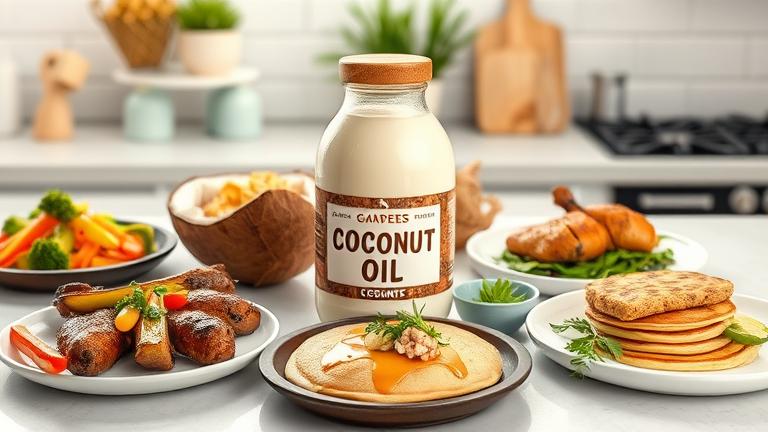
Top Foods to Cook with Coconut Oil
Coconut oil is a fantastic ingredient to have in your kitchen because of its versatility and rich flavor. Its creamy texture and subtle coconut aroma can enhance many dishes. Whether you’re frying, baking, or sautéing, coconut oil works well with a variety of foods. Here are some of the top foods to cook with coconut oil and tips to get the best results.
1. Vegetables
Roasting or sautéing vegetables in coconut oil adds a delicious coconut flavor. It works especially well with root vegetables like carrots, sweet potatoes, and parsnips. Simply heat a tablespoon of coconut oil in your pan and cook the vegetables until tender. The healthy fats can also help your body absorb fat-soluble vitamins from the vegetables.
Tip: Toss vegetables with a little coconut oil, salt, and your favorite spices before roasting for extra flavor.
2. Eggs
Coconut oil is great for cooking scrambled eggs, omelets, or fried eggs. Its high smoke point means you can cook eggs at a higher temperature without burning the fat. The result is fluffy eggs with a hint of coconut aroma.
Tip: Use coconut oil instead of butter or traditional cooking oils for a dairy-free twist and added health benefits.
3. Poultry and Meat
Chicken, beef, and pork all benefit from being cooked in coconut oil. The oil’s stability at high heat makes it ideal for grilling, roasting, or pan-frying meats. Adding coconut oil to marinades can also tenderize the meat and boost flavor.
Tip: Sear meats in coconut oil before cooking them through for a crispy exterior and juicy interior.
4. Fish and Seafood
Seafood like salmon, shrimp, and tilapia come out tasty and moist when cooked with coconut oil. It imparts a light coconut flavor and helps keep delicate fish from sticking to the pan.
Tip: Combine coconut oil with garlic and lemon for a quick and flavorful seafood sauté.
5. Baked Goods
Coconut oil is a popular substitute for butter or margarine in baking. It makes cookies, muffins, or bread moist and adds a subtle coconut taste. Because it solidifies at room temperature, it can also be used in pie crusts.
Tip: Use melted coconut oil in your recipes for a healthier fats option and extra flavor.
6. Snacks and Sweet Treats
Mix coconut oil with nuts or seeds before roasting for a crispy snack. It’s also perfect in homemade granola or energy bars. Its natural sweetness and aroma enrich the flavor of your treats.
Tip: Combine coconut oil with honey or maple syrup for coating popcorn or making sweet caramel sauces.
7. Tofu and Plant-Based Proteins
If you enjoy plant-based meals, coconut oil works wonderfully for frying or baking tofu. It helps achieve a golden-brown crust and enhances the flavor when seasoned well.
Tip: Marinate tofu in your favorite spices before frying in coconut oil for added taste.
Using coconut oil in cooking opens up a world of flavorful dishes. Its ability to handle high temperatures and pairing well with many ingredients makes it a kitchen staple for home cooks. Experiment with these foods and see how coconut oil can become your go-to cooking partner.
Best Recipes Featuring Coconut Oil
Coconut oil is a versatile ingredient that adds flavor and richness to many dishes. Its subtle coconut aroma and healthy fats make it a favorite for both sweet and savory recipes. Whether you’re baking, sautéing, or making snacks, coconut oil can elevate your cooking.
Here are some of the best recipes that showcase the wonderful qualities of coconut oil. These dishes are easy to make and perfect for those looking to incorporate more coconut oil into their daily meals.
Coconut Oil Pancakes
This fluffy breakfast favorite gets a tropical twist with coconut oil. To make them, combine flour, baking powder, and a pinch of salt. Whisk eggs, milk, and melted coconut oil until well blended. Mix the wet ingredients into the dry until just combined. Cook on a hot griddle or skillet until golden brown on both sides. Top with fresh fruit or a drizzle of honey for extra flavor.
Coconut Oil Granola
Homemade granola is a delicious, healthy snack or breakfast topping. Mix rolled oats, nuts, and dried fruit in a large bowl. In a small saucepan, melt coconut oil with honey or maple syrup. Pour the warm mixture over the oats and toss until evenly coated. Spread on a baking sheet and bake at 350°F (175°C) for about 20 minutes, stirring halfway through. Let cool and store in an airtight container.
Sautéed Vegetables
Coconut oil is excellent for sautéing vegetables because it withstands high heat and adds a slight sweetness. Heat a tablespoon of coconut oil in a skillet over medium heat. Add chopped vegetables like bell peppers, zucchini, and spinach. Stir frequently and cook until tender. Season with salt, pepper, or your favorite herbs. This method keeps vegetables crispy and flavorful.
Coconut Oil Chicken Curry
This comforting curry combines spices with the rich taste of coconut oil. Sauté diced onions and garlic in coconut oil until fragrant. Add chunks of chicken and cook until browned. Stir in curry powder, turmeric, and a can of coconut milk. Simmer until the chicken is cooked through and the sauce thickens. Serve over rice for a satisfying meal.
Healthy Coconut Oil Energy Bites
These no-bake snacks are perfect for a quick boost of energy. Mix shredded coconut, oats, nut butter, honey, and a little vanilla extract. Shape into small balls and refrigerate until firm. They make great snacks for busy days or post-workout recovery.
- Tip: Use virgin or extra virgin coconut oil for the best flavor.
- Tip: Be cautious when melting coconut oil to avoid splatters; melt slowly over low heat.
- Tip: Store cooked dishes with coconut oil in airtight containers in the fridge for up to 3 days.
Enjoy experimenting with these recipes and discover how coconut oil can bring a tropical touch to your kitchen. Its versatility makes it easy to incorporate into many meals, adding both taste and health benefits.
Health Benefits of Cooking with Coconut Oil
Cooking with coconut oil can be a tasty way to boost your overall health. This popular oil is known for its unique composition of healthy fats and natural properties that may support your wellness goals. If you’re thinking of adding coconut oil to your kitchen, understanding its benefits can help you make informed choices.
Coconut oil is rich in medium-chain triglycerides, or MCTs. Unlike long-chain fats found in many cooking oils, MCTs are quickly broken down by your body for energy. This means they are less likely to be stored as fat and can give you an easy energy boost throughout the day.
One of the key reasons many people use coconut oil is its potential to improve heart health. It contains lauric acid, a fatty acid shown to increase good HDL cholesterol. Maintaining healthy HDL levels is important for overall cardiovascular wellness. However, since coconut oil is high in saturated fat, moderation is essential, and it can be best used as part of a balanced diet.
Antimicrobial and Anti-Inflammatory Properties
Coconut oil has natural antimicrobial properties thanks to lauric acid, which can help fight off harmful bacteria and fungi. Some research suggests that consuming coconut oil might support your immune system by reducing the growth of certain pathogens.
In addition to its antimicrobial effects, coconut oil may have anti-inflammatory properties. Incorporating it into your cooking could help reduce inflammation in the body, which is linked to chronic conditions like arthritis and heart disease. Using coconut oil in recipes instead of less healthy fats can be a simple way to support joint health and reduce internal inflammation.
Enhanced Brain Function
The MCTs in coconut oil are not only good for energy but may also support brain health. Some studies indicate that these fats can be beneficial for cognitive function, especially in older adults or those with memory concerns. While more research is needed, including small amounts of coconut oil in your diet might provide a cognitive boost.
Skin and Digestive Health
When used in cooking, coconut oil adds a subtle flavor and moisture to dishes, but it also offers benefits for your skin and digestion. The healthy fats can promote better absorption of fat-soluble vitamins and antioxidants. Additionally, coconut oil’s antimicrobial properties help maintain good gut bacteria, contributing to a healthy digestive system.
- Tips for using coconut oil: Use it to sauté vegetables, roast potatoes, or as a spread on toast.
- Be mindful of quantity: Although healthy, it is calorie-dense. Limit to about 1-2 tablespoons per day to keep things balanced.
- Choose high-quality coconut oil: Look for virgin or extra-virgin varieties that are minimally processed for the best health benefits.
Incorporating coconut oil into your cooking routine offers many potential health benefits. From boosting your energy levels to supporting your heart and brain health, this versatile oil can be a nutritious addition to your kitchen. Just remember to use it in moderation and choose high-quality options for the greatest advantages.
Tips for Using Coconut Oil in Cooking
Coconut oil is a versatile ingredient that can bring a tasty, tropical flavor to your dishes. It is also valued for its high smoke point and health benefits. Whether you’re sautéing vegetables, baking, or making smoothies, using coconut oil correctly can make a big difference.
First, it’s important to choose the right type of coconut oil. There are two main varieties: refined and unrefined. Refined coconut oil has a milder taste and higher smoke point, making it great for high-heat cooking like frying. Unrefined, or virgin coconut oil, retains more of the coconut flavor and is perfect for baking or as a finishing oil.
Before cooking, melt solid coconut oil. It solidifies at temperatures below 76°F (24°C). Simply scoop out what you need and warm it gently in a pan or microwave until liquid. This helps it blend smoothly into your recipes and ensures even distribution.
When using coconut oil for sautéing or frying, keep in mind its high smoke point—around 350°F (177°C) for unrefined and up to 450°F (232°C) for refined oil. This means you can cook at fairly high temperatures without worry. However, avoid overheating beyond these temps to prevent smoke and preserve the oil’s health qualities.
For baking, coconut oil can be used as a substitute for butter or using in recipes calling for oil. When measuring, keep in mind that melted coconut oil is slightly less dense than solid. Use a measuring cup for accuracy, especially in baking where precise measurements matter.
If your recipe calls for softened coconut oil, use the microwave or leave it at room temperature for a few hours. Softened oil blends well into batters, making it easier to incorporate other ingredients smoothly.
Be mindful of the flavor. Unrefined coconut oil adds a distinct coconut taste that pairs well with tropical dishes, baked goods, or smoothies. If you prefer a neutral flavor, stick to refined coconut oil. Always taste a small amount first if trying a new recipe with coconut oil to ensure the flavor complements your dish.
Storing coconut oil is simple. Keep it in a cool, dark cupboard away from heat and direct sunlight. It has a long shelf life—about 2 years for unopened jars. Once opened, use it within a year for best freshness.
When frying or sautéing, avoid overcrowding the pan. Too many ingredients at once can lower the temperature, causing sticking or uneven browning. Also, make sure to stir frequently for even cooking.
Finally, don’t forget that coconut oil can also be used in raw recipes. It adds healthy fats and richness to smoothies, energy balls, or drizzled over fruits and salads. Experimenting with small amounts lets you discover how coconut oil enhances your favorite dishes.
- Choose the right type of coconut oil based on your cooking needs.
- Gently warm solid coconut oil before measuring or using.
- Use high heat with refined coconut oil for frying, but avoid overheating.
- Store in a cool, dark place to preserve freshness.
- Experiment with both flavor and neutral varieties to match your recipe.
Popular Dishes with Coconut Oil
Coconut oil is a versatile ingredient that can add a delicious, tropical flavor to many dishes. Its mild sweetness and rich texture make it perfect for both everyday meals and special treats. If you’re looking to incorporate coconut oil into your cooking, here are some popular dishes to try.
1. Coconut Curry
This flavorful dish is a favorite in many kitchens around the world. Coconut oil is used at the beginning of the recipe to sauté onions, garlic, and spices. The oil helps release their aromas and creates a rich base for the curry sauce.
Once the vegetables and protein (like chicken or chickpeas) are added, coconut milk and coconut oil blend to give the dish a creamy, tropical taste. It pairs well with rice or noodles. For a gentle flavor, opt for light coconut oil, but for a richer curry, try extra virgin coconut oil.
2. Coconut Oil Popcorn
This is a simple snack that turns ordinary popcorn into something special. Melt a few tablespoons of coconut oil and pour it over freshly popped popcorn. Toss to coat evenly. The oil gives a naturally sweet, nutty flavor that pairs perfectly with a sprinkle of sea salt or cinnamon sugar.
It’s much healthier than butter and adds a delightful crunch. Make sure to use a good quality coconut oil, especially if you’re sensitive to strong flavors.
3. Banana Bread
Replacing butter or vegetable oil with coconut oil in banana bread creates a moist, tender crumb with a subtle coconut aroma. Simply melt the coconut oil before mixing it into the batter. This adds a bit of healthy fat and enhances the bread’s flavor.
For extra flavor, toss in some chopped nuts or chocolate chips. Using coconut oil also extends the bread’s freshness and keeps it soft longer.
4. Roasted Vegetables
Drizzle vegetables like sweet potatoes, carrots, or Brussels sprouts with coconut oil before roasting. The oil helps vegetables caramelize and develop a tasty, slightly crisp exterior. Plus, coconut oil’s high smoke point means it can handle the heat without smoking or burning.
Season with herbs, salt, and pepper for a healthy and colorful side dish. This technique works well for both casual weeknight dinners and holiday feasts.
5. Smoothies
Add a teaspoon of coconut oil to your favorite smoothie for a boost of healthy fats and a touch of tropical flavor. The oil blends smoothly, giving your drink a creamy consistency. It also helps your body absorb fat-soluble vitamins from the fruits and veggies.
Try banana, pineapple, spinach, and coconut oil for a refreshing and nutritious blend. It’s a simple way to make your everyday smoothie a little more indulgent.
6. Coconut Oil Brownies
Use coconut oil instead of butter to make rich, fudgy brownies. It adds moisture and a subtle coconut flavor that enhances chocolate. Melt the coconut oil and mix it into your batter for a smooth, glossy finish.
This makes a decadent treat perfect for special occasions or a cozy weekend dessert.
By experimenting with these popular dishes, you can enjoy coconut oil’s unique taste and health benefits in everyday meals and festive gatherings. Remember, choose high-quality, extra virgin coconut oil for the best flavor and nutrition.