
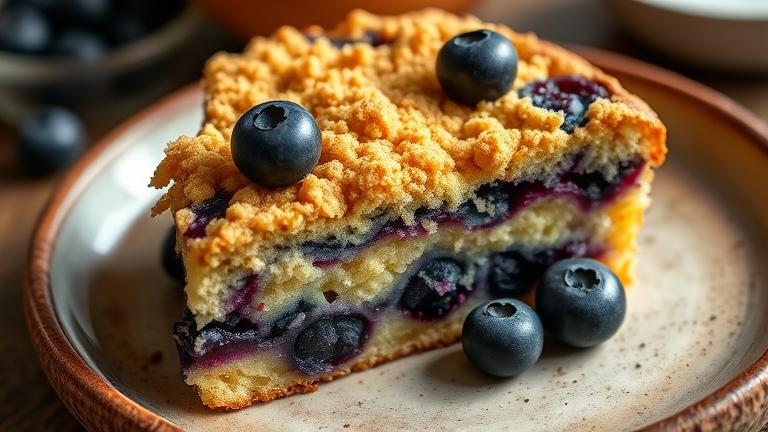
Origin of the Name Blueberry Buckle
The name “blueberry buckle” has an interesting and charming history that reflects the dessert’s character and how it was viewed in the past. Many people wonder where the name came from and what it really means. Let’s explore the story behind this sweet name and its origins.
The word “buckle” in blueberry buckle refers to a specific type of crumbly topping or rising effect seen in the dessert. Historically, “buckle” was used to describe a baked good that had a slightly uneven, “bucked” appearance on the surface, often due to the crumble topping or the way the batter puffed up during baking. This uneven, bumpy look resembles a buckle or a small rounded rise, which is visually distinctive.
In the early 1900s, bakers and recipe writers in the United States started using the term “buckle” to describe fruit desserts with a crumbly topping that “bucked” or puffed up in the oven. Over time, this naming became associated specifically with cakes that include fruit and a crumb topping, especially blueberries, which are a popular choice for this dessert.
The “blueberry” part of the name simply indicates the key ingredient—fresh or frozen blueberries that add flavor, color, and juiciness. Blueberries, native to North America, became an integral part of American summer baking and inspired many traditional recipes, including the blueberry buckle.
Another reason for the name’s charm is that the dessert’s imperfect, bumpy top often looks a bit like a buckle or a small waistline, especially when it rises unevenly. This rustic, homey appearance made it a favorite among bakers who enjoyed the simplicity and comforting appeal of the dish.
While the exact origin of the term “buckle” is not entirely clear, it is believed to come from the 19th-century usage in the Southern United States, where many unique regional names for baked goods developed. These names often described the look or texture of the dessert rather than its ingredients, making “buckle” a fitting description.
Today, blueberry buckle remains a popular summer dessert that combines the sweetness of blueberries with a crumbly topping and a tender cake base. Its name pays homage to its rustic look and the early baking traditions that gave it a distinctive identity. Understanding the origin of the name helps us appreciate not just the taste but also the rich history and charm behind this delicious dish.
History and Roots of the Dessert
The blueberry buckle is a classic American dessert that has gained popularity for its sweet, fruity flavor and comforting texture. Its origins trace back to early 20th-century America, where it was loved as a simple yet irresistible treat. The term “buckle” refers to a crumbly topping that “buckles” into the cake beneath as it bakes, creating a delightful contrast of textures.
While its exact beginnings are a bit fuzzy, many food historians believe that blueberry buckle originated in the northeastern United States, an area abundant with wild blueberries. These berries were a natural choice for early bakers looking to make the most of local fruit during the summer months. The dessert was often baked in home kitchens as a way to preserve the fresh flavor of blueberries while enjoying it beyond the harvest season.
Early recipes for blueberry buckle appeared in American cookbooks around the 1930s and 1940s. These recipes were simple, using readily available ingredients like flour, sugar, butter, and milk. Over time, the recipe evolved with regional twists and variations, but the core idea of a blueberry-topped cake remained the same. Some variations included adding spices such as cinnamon or nutmeg to enhance the flavor.
The name “buckle” is thought to come from the way the crumb topping “buckles” or dips into the cake as it bakes. It shares similarities with other fruit desserts of the era, like coffee cakes and streusels, but the blueberry buckle is distinctive due to its use of fresh berries and a light, tender crumb.
Throughout the years, blueberry buckle has become a nostalgic fixture in American baking, especially in the regions where blueberries are plentiful. Its popularity surged during the mid-20th century when home baking gained widespread appeal. Today, it remains a beloved comfort food, often enjoyed at family gatherings, potlucks, or as a special breakfast treat.
Even though it’s rooted in American tradition, the blueberry buckle also reflects a larger trend of using seasonal fruit in desserts, making it a perfect example of how local ingredients shape culinary history. Whether made with wild berries or farm-fresh ones, this dessert embodies the simple joys of baking and the long-standing love affair with berries in the American dessert repertoire.
Classic Blueberry Buckle Recipes
If you’re looking for a delightful treat to enjoy with coffee or tea, a blueberry buckle is a wonderful choice. This comforting dessert combines fresh blueberries with a tender batter and a crumbly topping, creating a perfect balance of sweet and tart flavors. Whether you’re an experienced baker or a beginner, these traditional recipes are easy to follow and sure to impress.
Ingredients You’ll Need
- 2 cups fresh blueberries
- 1 ½ cups all-purpose flour
- 1 cup granulated sugar
- ½ cup unsalted butter, melted
- 2 teaspoons baking powder
- ½ teaspoon salt
- 2 large eggs
- ½ cup milk
- 1 teaspoon vanilla extract
Classic Blueberry Buckle Preparation Steps
- Preheat your oven to 375°F (190°C). Grease an 8-inch square baking dish or a similar-sized ovenproof dish.
- In a medium bowl, whisk together the flour, baking powder, and salt. Set aside.
- In a large bowl, combine the eggs, sugar, milk, vanilla extract, and melted butter. Mix well until smooth.
- Gradually add the dry ingredients into the wet mixture, stirring gently until just combined. Do not overmix, as this can make the buckle dense.
- Pour the batter into the prepared baking dish and spread evenly.
- Scatter the fresh blueberries over the batter, pressing them slightly into the mixture so they stay in place during baking.
- Now, prepare the crumb topping: In a small bowl, mix ½ cup flour, ½ cup sugar, and ¼ cup cold butter. Use a fork or your fingers to create a crumbly texture.
- Sprinkle the crumb topping evenly over the blueberries and batter.
- Bake in the preheated oven for about 40–45 minutes, or until the top is golden brown and a toothpick inserted into the center comes out clean.
- Allow the blueberry buckle to cool slightly before serving. It is delicious warm or at room temperature.
Tips for a Perfect Blueberry Buckle
- Use fresh blueberries for the best flavor. If unavailable, frozen blueberries work, but do not thaw them before baking to prevent coloring the batter.
- For added texture, sprinkle sliced almonds or a light dusting of powdered sugar on top before serving.
- Serve with a dollop of whipped cream or a scoop of vanilla ice cream for extra indulgence.
- Store leftovers covered at room temperature for up to one day or in the refrigerator for up to three days. Reheat gently in the oven or microwave.
Variations to Try
- Replace blueberries with other berries like raspberries or blackberries for variation.
- Add a pinch of cinnamon or lemon zest to the batter for extra flavor.
- Make mini buckles in muffin tins for individual servings, baking for about 20–25 minutes.
Tips for Perfect Blueberry Buckle
Blueberry buckle is a delightful dessert that combines juicy berries with a tender cake and a crumbly topping. To make sure your blueberry buckle turns out perfectly every time, here are some helpful tips and techniques. Whether you’re a beginner or an experienced baker, these tips will help you achieve the best results.
Choose the Right Blueberries
Start with fresh, ripe blueberries for the best flavor and texture. If fresh berries are out of season, frozen blueberries work well too, just make sure to thaw and drain them to prevent excess moisture. Using quality berries ensures a burst of flavor in each bite, and ripe ones will be sweet enough that you won’t need to add much sugar.
Prepare the Berry Filling
Gently toss the blueberries with a tablespoon of sugar and a teaspoon of lemon juice before adding them to the batter. This simple step enhances the berries’ natural sweetness and adds a lovely brightness. For a slightly thicker filling, sprinkle a teaspoon of cornstarch over the berries before mixing. This helps thicken the juices as it bakes, preventing a soggy buckle.
Use the Right Batter Consistency
The batter for blueberry buckle should be thick but scoopable. If it’s too runny, the topping might sink, and if it’s too stiff, it could be difficult to spread. Mix the wet and dry ingredients until just combined; overmixing can make the crumb tough. A few lumps in the batter are okay and won’t affect the texture.
Layering is Key
Pour the batter into your prepared baking dish, then evenly distribute the blueberry mixture on top. This helps create a beautiful marbled effect and ensures each slice has plenty of berries. After that, sprinkle the crumb topping generously over the berries. A thick layer of crumb adds texture and richness to the final dessert.
Perfect Your Crumb Topping
The crumb topping usually consists of flour, sugar, butter, and sometimes a pinch of cinnamon. Cut the cold butter into small cubes and mix it with the dry ingredients until crumbly but not greasy. If you want a crunchier topping, add a handful of chopped nuts, such as pecans or walnuts.
Bake Until Golden and Juicy
Preheat your oven to 350°F (175°C) and bake for about 40-45 minutes. Look for a golden-brown topping and bubbly fruit around the edges. To check doneness, insert a toothpick into the center; it should come out clean or with just a few moist crumbs. Avoid opening the oven door too often, as this can cause the buckle to sink or turn uneven.
Freshly Served, Best Enjoyed
Let your blueberry buckle cool slightly before slicing. This helps it set and makes serving easier. For extra flavor, serve warm with a dollop of whipped cream or a scoop of vanilla ice cream. Remember, the flavors deepen if you let it sit for a few hours, so don’t hesitate to make it ahead of time.
- Avoid overmixing the batter to keep the texture light and tender.
- Make sure berries are evenly distributed for consistent flavor in every slice.
- Keep an eye on the topping to prevent burning; tent with foil if it gets too dark early.
Comparing Buckle to Similar Pies
If you’re new to baking or just want to understand the differences between popular fruit desserts, it helps to compare blueberry buckle with similar treats like cobbler and crisp. Though they all feature baked fruit, each has distinctive characteristics that set them apart.
Starting with blueberry buckle, this dessert is a type of coffee cake that combines a tender cake base with fresh or cooked blueberries. It usually has a crumbly topping known as “streusel,” which adds a crunchy texture on top. Buckle is often served warm and is great for breakfast, brunch, or dessert. Its name comes from the idea that the cake “bellies out” or “buckles” when baked, giving it a slightly uneven, rustic look.
Now, let’s look at cobbler. A cobbler features a fruit filling — often berries, peaches, or apples — topped with a biscuit-like or crumbly crust. The crust in a cobbler is softer and more bread-like than the streusel in a buckle. When baked, cobbler’s topping is usually golden and slightly chewy, offering a homey, comforting vibe. Unlike buckle, which has a cake-like bottom, cobbler tends to be more layered, with fruit juice bubbling underneath the crust.
Next up is the crisp, which shares similarities with the buckle and cobbler but has its own twist. A crisp is characterized by a streusel topping made from butter, sugar, oats, and flour. This gives it a crunchy, crumbly texture that’s distinct from the softer biscuit crust of a cobbler. The fruit filling in a crisp is covered with this buttery, oat-based topping and is baked until bubbling and golden. The crisp is known for its crunchy topping over juicy fruit, making it a crowd favorite for its texture contrasts.
Here’s a quick comparison to help visualize the main differences:
| Feature | Blueberry Buckle | Cobbler | Crisp |
|---|---|---|---|
| Base | Soft, cake-like | Fruit filling with biscuit or crust topping | Juicy fruit with crumbly streusel topping |
| Top layer | Streusel (crumbly) | Biscuit or crust-like | Oat and butter streusel (crunchy) |
| Texture | Moist, tender cake with crunchy topping | Soft fruit with chewy or biscuit topping | Juicy fruit with crunchy topping |
| Serving style | Usually sliced like cake, served warm | Served with a scoop of ice cream or whipped cream | Same as cobbler, often with ice cream |
| Flavor emphasis | Sweet, fruity, with buttery streusel | Sweet and tart, with biscuit-like crust | Sweet, tart fruit with crispy topping |
In summary, while blueberry buckle, cobbler, and crisp all celebrate baked fruit, their textures and toppings set them apart. Buckle’s cake base gives it a soft bite, with a crunchy streusel on top. Cobbler offers a more layered approach with its biscuit crust, and crisp is distinguished by its oat streusel’s crunch. Knowing these differences helps you pick the perfect dessert for any occasion or experiment with variations in your kitchen.