
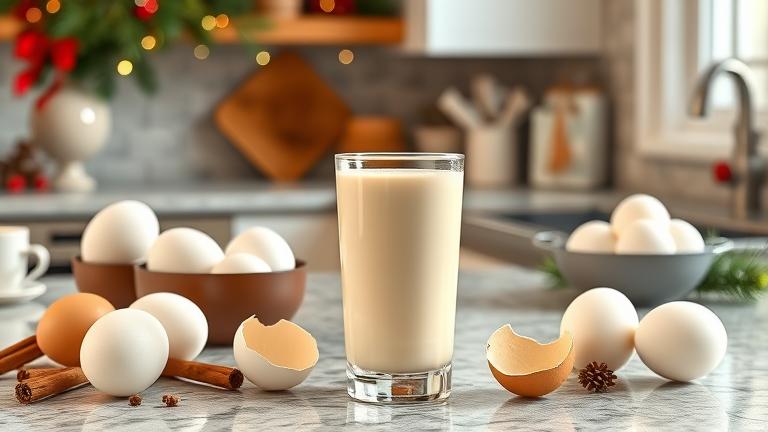
What Is Eggnog Made Of?
Eggnog is a classic festive drink that many people enjoy during the holiday season. It’s known for its creamy texture, rich flavor, and a touch of sweetness. To make this delicious beverage, a few key ingredients come together to create its characteristic taste. Understanding what eggnog is made of can help you customize recipes or even make your own from scratch.
The primary ingredients used in traditional eggnog recipes include eggs, milk, cream, sugar, and a spirit like rum, bourbon, or brandy. Each component plays an important role in giving eggnog its unique flavor and texture. Let’s take a closer look at these ingredients and what makes them special.
Eggs
Eggs are the star of eggnog. They give the drink its rich, silky consistency. Typically, egg yolks are whisked with sugar to create a smooth base, while egg whites can be whipped into soft peaks and folded in for extra fluffiness. When using raw eggs, it’s important to ensure they are fresh and handled safely. Some recipes call for lightly cooking the egg mixture to kill any bacteria, especially if you plan to serve it without alcohol.
Milk and Cream
Milk and heavy cream are what make eggnog creamy and smooth. Whole milk provides a good balance of richness without being too heavy, while heavy cream adds extra indulgence and body. These dairy ingredients are what give eggnog its luxurious mouthfeel. If you prefer a lighter version, you can substitute some of the cream with milk or use dairy alternatives like almond or coconut milk.
Sugar
Sweetener is essential in eggnog to balance the richness of eggs and dairy. Granulated sugar is most common, but you can also use brown sugar, honey, or maple syrup for different flavor notes. The sugar is usually dissolved into the milk mixture before adding the eggs, ensuring it’s evenly distributed. Remember, the amount of sugar can be adjusted based on your taste preference and the sweetness of your other ingredients.
Spirits
Adding alcohol is traditional in eggnog, especially during holidays. Common choices include rum, bourbon, or brandy. The spirits add warmth, enhance the flavor, and also help preserve the drink lightly. If you want a kid-friendly version, you can skip the alcohol or substitute with a little vanilla extract or non-alcoholic flavoring. Keep in mind that alcohol content can affect how long eggnog stays good in the refrigerator.
Additional Flavorings
For extra flavor, many recipes include spices like ground nutmeg, cinnamon, or vanilla extract. Nutmeg, in particular, is a classic topping for eggnog, adding a warm, aromatic touch. These flavorings are added during the mixing process or sprinkled on top just before serving. They help give eggnog its festive aroma and enhance the taste.
When making eggnog at home, choosing quality ingredients and balancing these components carefully will give you a delicious, authentic flavor. Whether you prefer traditional recipes or want to tweak the ingredients for your taste, understanding what eggnog is made of is the first step to perfecting this holiday classic.
Traditional Eggnog Recipes
Eggnog is a festive favorite during the holidays, loved for its rich, creamy texture and warm spices. Making traditional eggnog at home is simpler than you might think, and it allows you to customize the flavors to suit your tastes. The classic recipe usually involves eggs, milk or cream, sugar, and a touch of spice, often finished with a splash of alcohol if desired. Whether you prefer it non-alcoholic or with a boozy twist, this guide will walk you through the essential steps.
Basic Ingredients
- Eggs: Use fresh, high-quality eggs for safety and best flavor. Traditionally, the yolks and whites are separated, but some recipes blend the whole egg for simplicity.
- Milk and Cream: Whole milk and heavy cream create a rich, velvety base. You can also substitute part of the cream with evaporated milk for a slightly lighter version.
- Sugar: Regular granulated sugar sweetens the drink. Honey or maple syrup can be used as alternatives for a different flavor.
- Spices: Ground cinnamon, nutmeg, and vanilla extract are classic choices for added warmth and depth.
- Liqueur (optional): Rum, bourbon, or brandy are popular options. Add according to taste, usually about 1 to 2 ounces per serving.
Traditional Eggnog Preparation
Follow these simple steps to create your own homemade eggnog:
- Mix the eggs and sugar: In a large bowl, whisk the egg yolks and sugar together until the mixture is smooth and slightly thickened. This helps dissolve the sugar completely and creates a creamy base.
- Add the milk and cream: Gradually pour in the milk and heavy cream while whisking. This prevents lumps and combines everything evenly.
- Incorporate spices and vanilla: Stir in ground cinnamon, freshly grated nutmeg, and a splash of vanilla extract for that classic eggnog flavor.
- Heat gently (optional but recommended): For extra safety, warm the mixture gently over low heat until just hot, about 160°F (71°C). Do not boil, as this may curdle the eggs.
- Cool the mixture: Transfer to a container and refrigerate for at least 2 hours or until well chilled. This allows the flavors to meld nicely.
- Add alcohol (if using): Once chilled, stir in your choice of liquor. Adjust the amount based on your preference for strength.
Safety Tips and Variations
- Always use fresh eggs and keep your mixture refrigerated to prevent foodborne illnesses.
- If you’re concerned about raw eggs, you can use pasteurized eggs or cook the mixture gently as described in step 4.
- For a non-dairy version, substitute milk and cream with almond milk, coconut milk, or oat milk.
- Add whipped cream on top and a sprinkle of nutmeg for an appealing presentation and extra flavor.
Serving Suggestions
Pour your homemade eggnog into glasses and garnish with a sprinkle of ground nutmeg or cinnamon. It’s perfect served chilled, especially during holiday gatherings. You can also prepare it ahead of time and store it in the fridge for a day or two, making it a stress-free addition to your festive table.
Can Eggnog Be Egg-Free?
Many people love eggnog for its creamy, spicy flavor, but some avoid eggs due to allergies, dietary restrictions, or personal preferences. Luckily, there are plenty of egg-free options and recipes available that let everyone enjoy this festive treat. Whether you’re vegan, allergic to eggs, or just want a different twist, you can make delicious eggnog without eggs.
Egg-free eggnog typically uses alternative ingredients to achieve a rich, smooth texture. Common substitutes include plant-based milks, such as almond, soy, or oat milk, which create a creamy base. To replicate the thickening and binding properties of eggs, cooks often add ingredients like cornstarch, silken tofu, or thick coconut cream. These help give the beverage its signature velvety consistency without using any eggs.
One popular method is blending dairy-free milk with sweeteners and flavorings. For example, combine almond milk, sugar or maple syrup, vanilla, and a pinch of ground nutmeg or cinnamon for that warm, spicy flavor. To add richness, throw in a few tablespoons of coconut cream or softened silken tofu. This mixture is blended until smooth, then chilled before serving. For an even creamier version, some recipes include soaked cashews or silken tofu blended into the mix, which adds extra thickness and protein.
When preparing egg-free eggnog, it’s essential to balance sweetness and spice. You can also add a splash of alcohol like rum or bourbon for an adult version. For a non-alcoholic option, skip the spirits or add a little extra vanilla or cinnamon for flavor. If you enjoy a frothy top, try whisking in some coconut milk or adding a dairy-free whipped topping before serving.
Making eggnog without eggs is quite forgiving, but here are a few tips to get it just right:
- Use full-fat plant-based milk for a creamier texture.
- Adjust sweeteners to suit your taste—start with less and add more if needed.
- Add spices like nutmeg, cinnamon, or allspice to enhance the flavor.
- Chill the mixture well before serving so it’s cold and refreshing.
- If using tofu or cashews, blend thoroughly to avoid any grainy texture.
It’s also good to keep in mind that store-bought eggnog versions labeled as dairy-free or vegan are generally egg-free. Always read the ingredient list to be sure, especially if you have allergies. You can enjoy these pre-made options straight from the container or heat them gently with spices for a warm, comforting drink.
In summary, yes, eggnog can definitely be egg-free! With a little creativity and the right ingredients, you can craft a tasty, safe, and festive beverage suitable for everyone. Whether made from scratch or store-bought, egg-free eggnog is a delightful addition to holiday celebrations or cozy winter nights.
Why Use Eggs in Eggnog?
Eggs are a key ingredient in traditional eggnog, and they play a big role in giving this festive drink its unique texture and rich flavor. When you add eggs to eggnog, they help create a smooth, creamy consistency that makes each sip feel indulgent and luxurious.
One of the main reasons for including eggs is their ability to thicken the drink. During preparation, the proteins in eggs cook gently, which tightens the liquid into a velvety, custard-like base. This creates that signature rich mouthfeel that many people love about eggnog.
Beyond texture, eggs also enhance the flavor. They add a subtle richness and depth that balances the sweetness of sugar and the warmth of spices like cinnamon and nutmeg. Without eggs, eggnog might taste more like a sweet milk drink, but with them, it develops a complex, indulgent taste that’s hard to beat.
Eggs also act as a natural stabilizer. This means they help prevent the ingredients from separating over time, keeping your eggnog looking smooth and appealing from the first pour to the last sip. In addition, when eggs are properly cooked through gentle heating, they help make the drink safe to serve, reducing the risk of foodborne illness.
For those concerned about raw eggs, there are plenty of options. You can use pasteurized eggs or cook the egg mixture gently (think of making a custard) so that the eggs are cooked through but the texture remains silky. This way, you enjoy all the benefits of eggs without worry.
Also, it’s worth noting that eggs contribute to the overall richness and traditional feel of eggnog. If you prefer a lighter version, you can experiment with using fewer eggs or egg substitutes, but keep in mind that this may change the texture and flavor quite a bit.
- Tip: Always use fresh eggs for the best flavor and safety.
- Tip: If you’re cautious about raw eggs, opt for pasteurized eggs or cook the mixture gently.
- Tip: Whisk eggs thoroughly to avoid scrambling, especially if you’re heating the mixture.
In summary, eggs are essential in eggnog for their roles in creating a luscious texture, deepening flavor, and ensuring stability. Incorporating eggs carefully and safely will give you that rich, classic eggnog that makes holiday gatherings extra special.
Tips for Perfect Eggnog
Eggnog is a beloved holiday treat, and making it just right can turn your gathering into a special occasion. Whether you prefer traditional eggs or want to use egg substitutes, these practical tips will help you achieve a rich, smooth, and delicious eggnog every time.
Start with Quality Ingredients
The foundation of a good eggnog is quality ingredients. Use fresh eggs if you’re going the traditional route, or choose a good egg substitute if you’re avoiding eggs. Fresh dairy such as whole milk and heavy cream makes the drink creamier and more flavorful. Don’t forget spices like nutmeg and cinnamon to add that classic holiday aroma and taste.
Handle Eggs Safely
If using raw eggs, ensure they are fresh and store them properly. To reduce the risk of foodborne illness, consider lightly cooking your egg mixture. You can do this by gently warming the mixture over low heat until it reaches 160°F (71°C), stirring constantly. Use a thermometer for accuracy. If you’re using egg substitutes, follow the package instructions, as these often don’t require cooking.
Mix Thoroughly and Chill
Combine all ingredients thoroughly to ensure the flavors blend evenly. Use a whisk or mixer to create a smooth, velvety mixture. Once combined, chill the eggnog in the refrigerator for at least a few hours before serving. This helps the flavors meld and makes the drink more refreshing. For an extra chilled experience, serve over ice or add a few ice cubes just before serving.
Adjust Sweetness and Spices
Taste your eggnog before chilling, and adjust the sweetness to your preference. Sweeten with sugar, honey, or maple syrup. Keep in mind that adding more sugar may affect the texture slightly, so dissolve it well. Spice levels can also be personalized — more nutmeg for a punch, or cinnamon for warmth. Remember, start small and add gradually; it’s easier to add more than to fix an overly spiced batch.
Whip for a Lighter Texture
If you prefer a frothy, light eggnog, consider whipping some heavy cream or egg whites separately and folding them in gently after the mixture has been chilled. This adds a luxurious texture and makes the drink feel festive and special. Be careful not to overmix, or you might lose the lightness.
Avoid Common Mistakes
- Overcooking the eggs: This can cause a grainy texture and cook the eggs around the edges. Keep temperature low and steady.
- Using old eggs: Old eggs may not emulsify well and could affect flavor. Always check for freshness.
- Serving too warm: Eggnog is best chilled, but if you prefer it warm, warm it gently and gradually to avoid curdling.
- Adding too much alcohol: A splash of rum, bourbon, or brandy enhances flavor but too much can overpower. Use moderation for balance.
With these simple tips, you’ll craft a smooth, flavorful, and festive eggnog that everyone will enjoy. Remember, personal tweaks are part of the fun — don’t be afraid to experiment until you find your perfect blend.