
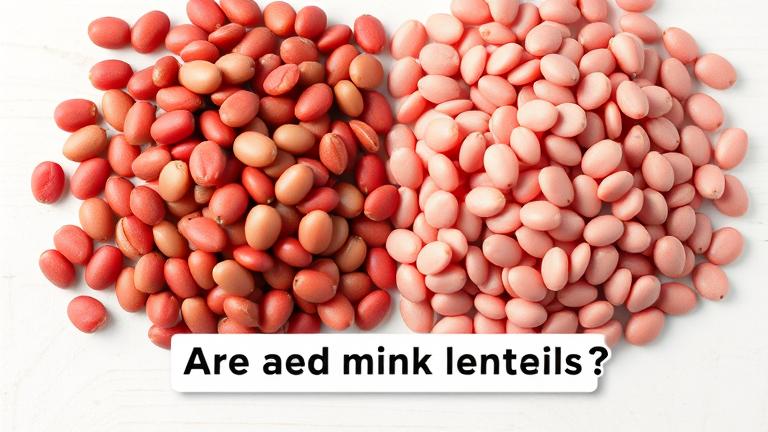
What Are Red and Pink Lentils?
Red and pink lentils are popular varieties of legumes that many home cooks enjoy using in soups, stews, and side dishes. They are known for their mild flavor and quick cooking time. These lentils are actually the same species, but they are often called different names based on their color and origin.
Red lentils are thought to have originated in the Middle East and India, where they have been a staple food for thousands of years. Pink lentils, on the other hand, often come from India or Turkey and are sometimes called “pink lentils” to distinguish them from the red variety. Despite the different names, they are very similar in nutritional content and cooking properties.
Characteristics of Red and Pink Lentils
- Color: Red lentils are usually a bright, vibrant red, while pink lentils have a softer, rosy hue. The color can fade slightly when cooked, turning into a light, creamy shade.
- Size and Shape: Both types are small and lens-shaped. Pink lentils tend to be slightly smaller or more rounded than red lentils, but the difference is subtle.
- Texture: When cooked, both become soft and mushy, making them perfect for purees or thickening soups. They break down easily and do not hold their shape well.
- Flavor: They have a gentle, nutty flavor with a hint of earthiness. Their mild taste makes them adaptable to various spices and herbs.
- Nutritional Benefits: These lentils are an excellent source of protein, fiber, and essential minerals like iron and magnesium. They are low in fat and calories, which makes them a healthy choice for many diets.
Common Uses of Red and Pink Lentils
Red and pink lentils are incredibly versatile. They are often used in soups, curries, and dals because they cook quickly and become tender. Their soft texture makes them great for purees, dips, or to thicken sauces. You can also add them to salads, but keep in mind they usually need to be cooked first.
These lentils are especially popular in Indian cuisine, where they are used to make dishes like dal. They are also perfect for busy weeknights thanks to their fast cooking time — typically around 20 to 30 minutes. Simply rinse them before cooking to remove any dust or debris, then simmer in water or broth until they are soft and ready to serve.
Summary
In short, red and pink lentils are nutritious, quick-cooking legumes with a mild flavor and soft texture. They are paler varieties of the same species and are widely used in many culinary traditions. Understanding their similarities and differences helps you choose the right type for your recipes. Whether you prefer making hearty soups or smooth purees, these lentils are a simple, wholesome ingredient to keep in your pantry.
Key Differences in Color and Size
When cooking with lentils, understanding the difference between red and pink lentils can make a big difference in your dish. Both types are popular choices for soups, stews, and dals. Although they look similar, they have distinct qualities in their color and size that are helpful to recognize.
Red lentils are usually a vibrant, deep orange-red color. They tend to be slightly larger than pink lentils. These lentils are quite uniform in size, typically measuring about 2 to 3 millimeters in diameter. Because of their bright color, they add a warm hue to your dishes. Their size makes them easy to spot, so they are often used when a thicker, creamier texture is desired after cooking.
Pink lentils, on the other hand, are generally a softer, more muted pink or light beige with a hint of orange. They are slightly smaller and more delicate in appearance, usually about 1.5 to 2 millimeters across. Their more subtle color makes them less visually dominant in a dish but still adds a lovely, slightly earthy tone. Due to their smaller size, pink lentils tend to cook faster and break down easily, making them excellent for purees and thick soups.
| Feature | Red Lentils | Pink Lentils |
|---|---|---|
| Color | Bright orange-red | Muted pink or light beige |
| Size | Approximately 2-3 mm in diameter | Approximately 1.5-2 mm in diameter |
| Shape | Round and smooth | Round and slightly smaller |
| Cooking Texture | Adds creaminess, holds shape better | Breaks down easily, creates texture-rich purees |
- Tip: When shopping, check the package label. Sometimes, the terms are used interchangeably, but the actual color and size can help you choose the right one for your recipe.
- Tip: Keep in mind that the color might fade slightly when cooked, especially for pink lentils, which can turn a softer, more pastel hue.
Recognizing these differences in color and size helps you select the best lentil type for your cooking needs. Whether you want a vibrant dash of color or a smooth, pureed texture, understanding these visual cues makes your cooking more precise and enjoyable.
Culinary Uses and Cooking Tips
Red and pink lentils are popular ingredients in many kitchens because of their quick cooking times and versatile flavors. Both types are great for creating hearty soups, creamy dishes, and even salads. Understanding how to prepare and cook each type properly can help you make the most of their unique qualities.
Red lentils are known for their bright color and soft texture once cooked. They tend to break down more easily, making them perfect for purees, dals, and thick soups. Pink lentils, although very similar in appearance, usually hold their shape a bit better during cooking, which makes them suitable for salads, side dishes, or added to rice dishes for extra flavor and protein.
Preparation Tips
- Before cooking, rinse lentils thoroughly under cold water to remove any dirt or debris. This step also helps prevent foaming during boiling.
- Unlike other legumes, lentils don’t require soaking. They cook quickly—typically in about 15-20 minutes—so plan accordingly.
- For softer, creamier dishes, cook red lentils until very tender and mash or blend them as needed.
- If you want lentils to hold their shape better, especially pink lentils, try cooking them for a slightly shorter time. Keep an eye on them as they tend to become mushy if overdone.
Cooking Methods
- Simmer lentils in water or broth using a 1:3 ratio (one part lentils to three parts liquid). Bring to a boil, then reduce heat and simmer until tender.
- For heartier dishes, you can add spices, vegetables, or meats during cooking for more flavor.
- To enrich the dish, stir in a bit of olive oil or butter after cooking to enhance texture and taste.
Recipe Ideas
- Red Lentil Soup: Use red lentils as the base for a quick, comforting soup. Add garlic, onions, carrots, and spices like cumin or turmeric. Blend part of the soup for extra creaminess or keep it chunky.
- Pink Lentil Salad: Cook pink lentils until just tender, then cool. Mix with chopped cucumbers, tomatoes, herbs, and a lemon vinaigrette for a fresh and filling salad.
- Lentil Curry: Simmer red or pink lentils with curry powder, coconut milk, and vegetables for a flavorful dish that’s easy to make in one pot.
- Lentil Patties: Combine cooked pink lentils with breadcrumbs, herbs, and an egg. Shape into patties and pan-fry until golden for a tasty veggie burger alternative.
Practical Tips & Common Mistakes
- Be cautious with cooking times; overcooked lentils turn into mush, which can be fine for purees but not for salads or dishes where you want shape.
- Use enough liquid to prevent sticking or burning at the bottom of the pot, especially if cooking without a lid.
- If you prefer a firmer texture, keep an eye on the cooking process and check doneness frequently.
- Leftover cooked lentils store well in the refrigerator for up to 3-4 days. Reheat gently to avoid breaking down their texture.
With these tips and ideas, you can confidently incorporate red and pink lentils into a variety of delicious dishes. Their quick cooking and adaptability make them a handy staple for nutritious meals any day of the week.
Nutrition and Health Benefits
Red and pink lentils are excellent sources of plant-based nutrition, making them a popular choice for a healthy diet. These tiny legumes are packed with essential nutrients that support overall health and well-being. Including them regularly in your meals can help you enjoy a balanced diet while adding flavor and variety.
One of the main benefits of red and pink lentils is their high protein content. They provide a good amount of plant protein, which is especially important for vegetarians or those reducing meat intake. Protein helps build and repair tissues, supports immune function, and keeps you feeling full longer. They also contain dietary fiber, which promotes healthy digestion and can help prevent constipation. A fiber-rich diet is linked to lower cholesterol levels and better heart health.
| Nutritional Component | Amount per 100g cooked lentils |
|---|---|
| Calories | 116 |
| Protein | 9g |
| Carbohydrates | 20g |
| Dietary Fiber | 8g |
| Fat | 0.4g |
| Iron | 3.3mg |
| Folate (Vitamin B9) | 179mcg |
- Rich in vitamins and minerals: Red and pink lentils are packed with nutrients such as folate, iron, magnesium, and potassium. Folate is vital for cell growth and development, making it especially important during pregnancy. Iron helps prevent anemia by supporting red blood cell health. Magnesium and potassium contribute to healthy muscle function and blood pressure regulation.
- Low in fat and calories: These lentils are naturally low in fat and calories, making them suitable for weight management. Their high fiber content helps you feel full without consuming excess calories.
- Blood sugar control: The fiber in lentils slows down the absorption of sugars into your bloodstream. This can help stabilize blood sugar levels, making them a smart choice for people with diabetes or those looking to prevent blood sugar spikes.
- Antioxidant properties: Lentils contain phytochemicals and antioxidants that can help combat oxidative stress. Regular consumption may reduce the risk of chronic diseases such as heart disease and certain cancers.
Including red and pink lentils in your diet can be easy and versatile. They work well in soups, stews, salads, and even veggie burgers. Be mindful of soaking them briefly before cooking to reduce cooking time and improve digestibility. Remember, incorporating a variety of nutrient-rich foods is key to a healthy, balanced diet.
Common FAQs About Red & Pink Lentils
Red and pink lentils are popular ingredients in many kitchens. They cook quickly and add vibrant color and flavor to dishes. If you’re new to cooking with these lentils, you might have some questions. Here are some of the most common FAQs and helpful answers to guide you.
Are red and pink lentils the same thing?
Yes, in many cases, red and pink lentils refer to the same type of legume. The name often depends on the region or the brand. They are both small, lens-shaped pulses that cook quickly and turn a soft, mushy texture when prepared. Sometimes, pink lentils are a slightly lighter shade and may have a subtle difference in flavor, but they are generally interchangeable in recipes.
How do I cook red or pink lentils?
Cooking these lentils is simple and fast. Rinse them well under cold water to remove any dust or debris. Use about 1 cup of lentils for every 2.5 cups of water or broth. Bring the liquid to a boil, then reduce the heat to a simmer. Cook uncovered for about 15 to 20 minutes. They should become tender and start to break down. Remember, they do not require soaking like some other beans. Stir occasionally to prevent sticking and check for doneness.
What should I watch out for when cooking with red or pink lentils?
- Overcooking can make them too mushy, so keep an eye on the texture.
- Rinsing thoroughly helps remove any impurities.
- If using in salads, cook just until tender and then cool quickly to prevent over-softening.
Do red or pink lentils require soaking before cooking?
No, unlike some other beans, red and pink lentils do not need pre-soaking. This makes them perfect for quick meal prep. Rinsing them well is enough to clean the lentils before cooking.
Can I use red or pink lentils in all recipes that call for other lentils?
These lentils are best for soups, stews, purees, and curries. Because they break down easily, they are less suitable for salads or dishes where you want the lentils to hold their shape. For recipes requiring whole lentils, consider using green or brown lentils instead.
How should I store cooked red or pink lentils?
Store leftovers in an airtight container in the refrigerator. They usually stay good for 3 to 5 days. To keep them fresh longer, you can freeze cooked lentils for up to 3 months. Reheat thoroughly before serving, and you might want to add a splash of water or broth to refresh them.
Are there nutritional benefits to red or pink lentils?
Yes, these lentils are a great source of protein, fiber, and essential nutrients like iron and folate. They are low in fat and calories, making them a healthy addition to your diet. Regularly including lentils can support digestion and energy levels.
What are common mistakes to avoid with red and pink lentils?
- Not rinsing well, which can leave dirt or dust.
- Overcooking, leading to a mushy texture.
- Adding too much water, which can dilute flavors or make the dish too watery.
Now that you know the basics, cooking with red and pink lentils can be quick, easy, and delicious. Experiment with different recipes and enjoy their vibrant color and rich texture in your meals.