
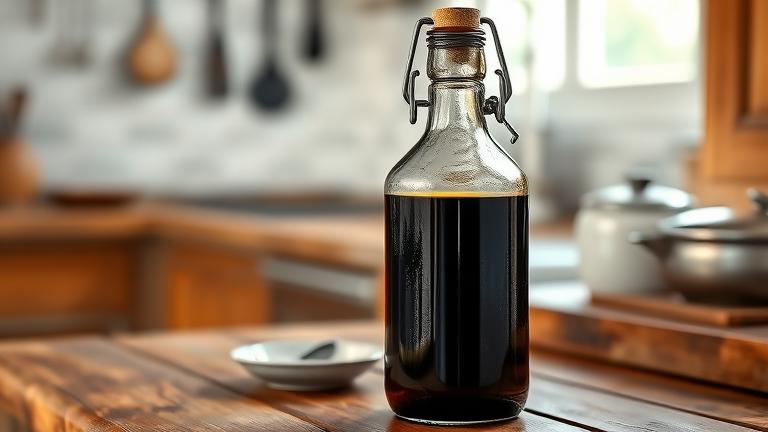
Does Balsamic Vinegar Spoil?
Many people wonder if balsamic vinegar can go bad or spoil over time. The good news is that balsamic vinegar has a very long shelf life because of its acidity, which helps prevent bacteria and mold from growing. However, like all condiments, it can change in flavor, aroma, or appearance if not stored properly or if left for too long. Understanding the factors that affect its freshness can help you keep your balsamic vinegar tasting its best.
Can Balsamic Vinegar Go Bad?
Strictly speaking, pure balsamic vinegar does not spoil or become unsafe to eat because its high acidity creates an environment that inhibits harmful bacteria. If stored correctly, it can last indefinitely. That said, over time, you might notice changes in its quality. The vinegar could develop a duller color, a less vibrant aroma, or a slightly different taste. These changes are natural and do not mean it is unsafe to consume, but they might affect the flavor you expect from your balsamic vinegar.
Factors That Influence Shelf Life
- Storage Conditions: Keep your balsamic vinegar in a cool, dark place away from direct sunlight. Light and heat can degrade the quality over time.
- Container Type: Use an airtight container, preferably glass, to prevent air from entering. A tightly sealed bottle slows oxidation and preserves flavor.
- Age of the Vinegar: Older balsamic vinegar, especially artisanal types, can develop more complex flavors but may also be more prone to changes if not stored properly.
Tips for Storing Balsamic Vinegar
- Store it in a cool, dark cupboard, away from heat sources like stoves or ovens.
- Keep the bottle tightly sealed after each use to prevent evaporation and contamination.
- Use a clean spoon or pour spout when transferring to avoid introducing impurities.
Signs Balsamic Vinegar May Have Gone Bad
- Unpleasant or off-putting smell
- Change in color, becoming cloudy or cloudy
- Development of mold or sediment that doesn’t settle
- Unusual taste, such as sour or rancid notes that aren’t typical
Conclusion
In most cases, balsamic vinegar does not spoil in a way that makes it dangerous. Proper storage, such as keeping it in a cool, dark place and tightly sealed, can keep it fresh for years. While it’s unlikely to go bad, pay attention to changes in smell, color, or taste. When in doubt, trust your senses. If it smells or looks strange, it’s best to replace it for the best flavor in your dishes.
How Long Does Balsamic Vinegar Last?
Balsamic vinegar is a popular condiment known for its rich flavor and versatility in salads, marinades, and dishes. If you’re wondering how long it stays fresh and when you might need to replace it, this guide is here to help. The good news is that properly stored balsamic vinegar can last a very long time, often indefinitely, but its quality may change over time.
In general, unopened bottles of balsamic vinegar can last for several years if kept in a cool, dark place. Once opened, it typically remains good for about 3 to 5 years. However, many home cooks find that their balsamic vinegar maintains its flavor even longer, sometimes over a decade, especially if stored correctly. The key is to understand how storage conditions influence its longevity.
How Storage Conditions Affect Balsamic Vinegar
Storage is crucial for maintaining the best quality of your balsamic vinegar. Keep the bottle tightly sealed after each use to prevent exposure to air, which can gradually degrade the flavor. Store your balsamic vinegar in a cool, dark place away from direct sunlight, heat sources, or temperature fluctuations. A pantry or cupboard is an ideal spot.
Unlike some condiments, balsamic vinegar doesn’t need to be refrigerated. Refrigeration isn’t necessary and can sometimes cause the vinegar to become cloudy or develop sediment. The acidity level in balsamic vinegar naturally preserves it from spoilage, making refrigeration optional unless you prefer it chilled for certain recipes.
What Changes Might Indicate Spoilage?
Despite its long shelf life, it’s good to know the signs of a balsamic vinegar that has gone bad. Usually, it doesn’t spoil in the traditional sense because of its high acidity. However, you might notice:
- A sudden change or loss in flavor, making it taste dull or off.
- Unusual cloudiness or sediment that’s new or different from usual.
- A strong, foul smell that differs from its typical rich aroma.
If you observe any of these signs, it’s best to discard the vinegar and get a fresh bottle.
Quick Storage Tips for Longevity
- Always keep the bottle tightly sealed when not in use.
- Store in a cool, dark place, away from heat or sunlight.
- Use clean utensils when pouring to avoid contamination.
- Label the bottle with the purchase date if you want to keep track of how long it’s been open.
By following these simple storage practices, you can enjoy the best flavor from your balsamic vinegar for many years, making it a valuable and long-lasting addition to your kitchen pantry.
Signs Balsamic Vinegar Has Gone Bad
Knowing when your balsamic vinegar has gone bad is important to avoid unpleasant flavors in your dishes. Balsamic vinegar is a pantry staple that can last a long time, but like all condiments, it can spoil or deteriorate over time. Being able to spot the signs early will help you decide whether to use, discard, or replace it.
Changes in Smell
One of the first signs that balsamic vinegar has gone bad is a change in its aroma. Fresh balsamic vinegar has a rich, sweet, and tangy scent that is quite pleasant. If you notice a sour, musty, or off-putting smell that was not there before, it’s a sign that the vinegar may be spoiled.
Sometimes, mold or bacteria can develop if the vinegar has been contaminated or stored improperly. If the smell is overly sharp or rancid, it’s best to discard the bottle.
Alterations in Appearance
Look closely at your balsamic vinegar. Usually, it has a dark, glossy appearance. If you see any sediment that wasn’t there before or a cloudy layer forming, it might be a sign of spoilage. Although some natural sediment can be normal in aged balsamic, unusual cloudiness or particles can indicate bacterial growth or spoilage.
Additionally, if you notice mold floating on the surface, do not use the vinegar. Mold can appear as fuzzy patches in various colors, and it indicates contamination.
Taste Test
If the smell and appearance seem fine but you still suspect the vinegar might be old, you can try a tiny taste. Fresh balsamic vinegar should have a balanced sweet and tangy flavor. If it tastes sourer than usual, bitter, or just off, it’s a sign that it may have gone bad.
Keep in mind: if the taste seems strange or unpleasant, it’s safest to throw it away. Do not consume vinegar that tastes radically different from when you first bought it.
Additional Tips for Storage and Longevity
- Store your balsamic vinegar in a cool, dark place away from direct sunlight.
- Keep the bottle tightly sealed when not in use to prevent contamination.
- While unopened bottles last for years, opened bottles are best used within 3 to 5 years for optimal flavor and safety.
When in Doubt, When to Toss
If you notice any of the above signs, especially mold, an off smell, or strange taste, it’s best to err on the side of caution and discard the vinegar. Using spoiled balsamic vinegar can ruin your dish or cause stomach discomfort.
In summary, trust your senses — smell, look, and taste — to determine if your balsamic vinegar is still good. Proper storage and regular inspection will keep your pantry safe and your dishes delicious!
Tips for Proper Balsamic Vinegar Storage
Storing your balsamic vinegar properly is key to keeping its flavor fresh and vibrant over time. Although balsamic vinegar is quite durable, improper storage can lead to changes in taste, aroma, and color. By following some simple tips, you can ensure your vinegar stays delicious for months or even years.
First, always keep your balsamic vinegar in a cool, dark place. Light and heat can cause it to degrade faster, so avoid storing it near windows, stoves, or direct sunlight. A pantry or cupboard away from heat sources is ideal. Ideal storage temperature is between 50°F and 70°F (10°C and 21°C).
Next, make sure your bottle is tightly sealed after each use. Oxygen exposure can alter the vinegar’s flavor over time. If the bottle has a cork or screw cap, check that it fits securely. Some bottles come with built-in pour spouts, which can also help prevent spillage and contamination. If your vinegar has been opened for a long period, inspect it for any unusual cloudiness or sediment, which can be a sign of spoilage or contamination.
Choosing the Right Container
While you can store balsamic vinegar in its original bottle, a glass bottle with a tight-fitting lid is usually best. Glass does not react with the vinegar or impart any flavors. Avoid storing balsamic vinegar in metal containers, as acid can react with some metals, affecting taste and quality. Plastic bottles are acceptable but should be food-grade and BPA-free, and they should be stored away from heat and sunlight.
Additional Storage Tips
- Avoid refrigeration: Most aromatic qualities of balsamic vinegar are preserved at room temperature. Refrigeration can cause it to thicken and develop an opaque appearance, which doesn’t harm quality but may affect pouring and appearance.
- Use smaller bottles for long-term storage: If you buy a large bottle but use small quantities regularly, consider transferring portions into smaller bottles. This minimizes oxygen exposure for the remaining vinegar.
- Label your bottles: If you transfer balsamic vinegar into a different container, add a label with the purchase date to keep track of freshness.
Signs of Proper and Improper Storage
| Good Storage | Signs of Poor Storage |
|---|---|
| Dark, cool, and dry place | Light exposure, warmth, and humidity |
| Tightly sealed bottles | Cloudiness, sediment, or off-odor |
| Stored in glass or BPA-free plastic | Stored in metal containers or open bottles |
By keeping these storage tips in mind, you can enjoy your balsamic vinegar at its best. Proper storage not only preserves its rich flavor but also extends its shelf life, making every drizzle taste just as delightful as the day you bought it. So, take a moment to check your bottles today and make sure they are stored correctly for future deliciousness.
Can You Use Expired Balsamic Vinegar?
If you find a bottle of balsamic vinegar in your pantry that’s past its expiration date, you might wonder if it’s still safe and tasty to use. The good news is that for most vinegars, including balsamic, expiration dates are more about quality than safety. Generally, balsamic vinegar has a long shelf life and can remain good for years if stored properly.
When checking if expired balsamic vinegar is safe to use, it’s important to understand what “expired” really means. Typically, the bottle’s date indicates when the manufacturer guarantees the best flavor and quality. It doesn’t necessarily mean the vinegar becomes unsafe after that date. Vinegar’s acidity acts as a natural preservative, preventing bacterial growth, which makes it quite stable over time.
Signs of Spoilage or Quality Loss
- Changes in color: If the balsamic vinegar looks cloudy or has developed an unusual color, it might be past its prime.
- Unpleasant smell: A sour, off, or musty odor can indicate spoilage or contamination.
- Changed flavor: If the vinegar tastes off or less vibrant, it may have deteriorated or been affected by improper storage.
- Sediment or particles: Some separation or sediment can occur naturally, but excessive or unusual particles might suggest spoilage.
Storage Tips for Longevity
To ensure your balsamic vinegar stays good for as long as possible, store it in a cool, dark place away from direct sunlight. Keep the cap tightly closed after each use to prevent oxidation. Proper storage can keep balsamic vinegar in excellent condition for many years, even past the expiration date printed on the bottle.
When to Use or Discard
| Condition | Action | Notes |
|---|---|---|
| Vinegar looks, smells, and tastes normal | Use it safely | It’s likely still good, even if past the date |
| Vinegar has an off smell, cloudy appearance, or strange flavor | Discard it | To avoid any risk of consuming spoiled product |
In most cases, expired balsamic vinegar remains safe to use if it shows no signs of spoilage. Its flavor might mellow or deepen over time, adding a lovely richness to dishes. However, always trust your senses first — if it smells or looks off, it’s better to be cautious and toss it out.
Remember that a little bit of change in flavor is common with aged balsamic, especially if stored well. When in doubt, replace your bottle to ensure your recipes taste their best. Happy cooking!
Best Uses for Fresh Balsamic Vinegar
Fresh balsamic vinegar is a versatile and flavorful ingredient that can elevate many dishes. Its tangy, slightly sweet taste makes it a perfect addition to salads, marinades, and even desserts. Whether you’re a seasoned chef or a home cook exploring new flavors, knowing how to best enjoy fresh balsamic vinegar will help you get the most out of this tasty condiment.
Adding Brightness to Salads
The most common use for fresh balsamic vinegar is as a salad dressing. Its balance of acidity and sweetness pairs beautifully with greens like arugula, spinach, or mixed lettuce. To make a simple dressing, toast some freshly ground black pepper and a pinch of salt, then whisk together equal parts balsamic vinegar and olive oil. A splash of honey or Dijon mustard can add extra depth.
Drizzle the mixture over your salad just before serving to enhance the flavors and add a shiny, appetizing look. For a twist, include ingredients like fresh strawberries, goat cheese, or toasted walnuts for a delightful combination of textures and tastes.
Marinating Proteins and Vegetables
Fresh balsamic vinegar is excellent for marinating meats, chicken, fish, or even vegetables. Its acidity helps tenderize while infusing a subtle sweetness. Mix balsamic vinegar with olive oil, garlic, herbs, and a little salt to create a simple marinade.
For best results, marinate your ingredients for at least 30 minutes, or up to a few hours for more flavor. This adds depth and a savory tang that complements grilled or roasted dishes. Remember to discard used marinade or boil it before serving to avoid contamination.
Drizzling on Caprese and Cheese Platters
Fresh balsamic vinegar is perfect for drizzling over classic Caprese salads, made with ripe tomatoes, mozzarella, and fresh basil. The vinegar adds acidity that enhances the natural sweetness of the tomatoes and the creaminess of the cheese.
You can also pour a few drops over a cheese platter with varieties like aged cheddar, gouda, or blue cheese to add a bright flavor contrast. Pairing balsamic with fresh fruit such as figs or peaches makes a stunning appetizer or dessert plate.
Enhancing Soups, Stews, and Risottos
A splash of balsamic vinegar added towards the end of cooking can brighten up hearty dishes. Stir a teaspoon or two into tomato-based soups or rich stews to deepen their flavor. It also works well in risottos, adding a subtle tang that balances creamy textures.
Just be careful not to add too much, as balsamic’s strong flavor can overpower delicate dishes. Start with a small amount and taste as you go.
Sweet and Savory Desserts
With its natural sweetness, fresh balsamic vinegar can be used in desserts too. Drizzle it over strawberries, peaches, or ice cream for a sophisticated touch. You can also incorporate it into fruit compotes or use it to make balsamic glaze, which is great for drizzling over desserts like panna cotta or cheesecake.
Remember, a little goes a long way. Use the vinegar sparingly to add depth and complexity without overwhelming your sweet creations.
Tips for Using Balsamic Vinegar
- Choose high-quality, fresh balsamic vinegar for the best flavor.
- Store it in a cool, dark place to maintain its quality.
- Experiment with small amounts first to see how it complements each dish.
- Use it to add a bright note without overpowering other ingredients.
FAQs About Balsamic Vinegar Shelf Life
How long does balsamic vinegar last?
Balsamic vinegar is known for its long shelf life. When stored properly, it can last indefinitely. Unlike some condiments that expire after a few months, a well-preserved bottle of balsamic vinegar can remain safe and flavorful for years.
The main factor that affects its longevity is how it’s stored. Over time, the flavor might mellow or become more complex, but the vinegar itself doesn’t spoil. However, if it develops an off smell, strange appearance, or mold, it’s better to discard it.
How should I store balsamic vinegar to keep it fresh?
The best way to store balsamic vinegar is in a cool, dark place away from direct sunlight. A pantry or cupboard works well. Keep the bottle tightly sealed after each use to prevent evaporation and contamination.
Because balsamic vinegar is acidic, it’s quite resistant to bacteria and spoilage, so refrigeration isn’t necessary. However, if you notice that the flavor has changed or if you prefer a colder product, storing it in the refrigerator is okay. Just make sure it’s in an airtight container to avoid absorbing other odors.
Can balsamic vinegar go bad or spoil?
Pure balsamic vinegar rarely goes bad in the traditional sense. Its acidity helps prevent bacterial growth. So, you usually don’t have to worry about food poisoning from it. Still, it can deteriorate in quality if exposed to heat, light, or air for too long.
If you notice a cloudy appearance, sediment, or an odd smell, these might be signs that it’s past its best. Although not dangerous, the flavor may no longer be at its peak. It’s best to replace old vinegar if you’re unsure about its quality.
What are signs that balsamic vinegar has gone bad?
- Unpleasant or sour smell that’s different from the usual aroma
- Visible mold or cloudy patches inside the bottle
- Change in color, especially if it becomes significantly darker or murky
- Unusual taste, such as a bitter or off flavor
If you encounter these signs, it’s safest to throw out the vinegar. Storing it properly and regularly checking the bottle can help maximize its shelf life and ensure you always have delicious balsamic vinegar on hand for salads, marinades, or drizzling over dishes.