
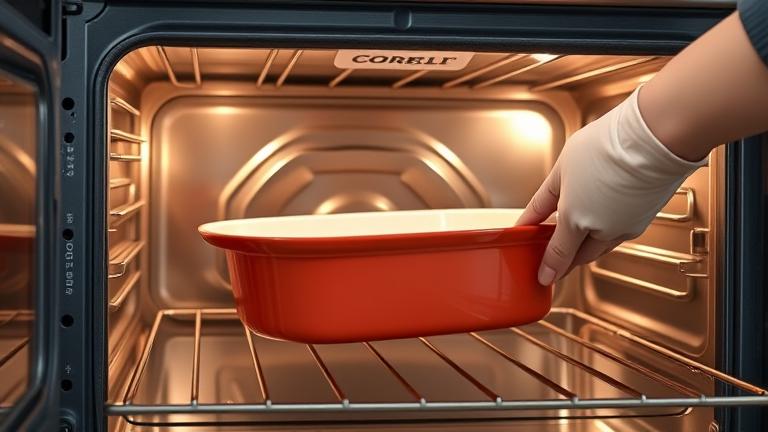
Are Corelle Dishes Oven Safe?
If you’re wondering whether Corelle dishes can go into the oven, you’re not alone. Many home cooks love their Corelle because it’s lightweight, durable, and easy to clean. But when it comes to oven safety, it’s important to know what these dishes are made of and how to use them properly.
Corelle dishes are made from a special type of glass called Vitrelle, which is made by layering two types of tempered glass. This unique construction makes them sturdy and resistant to chipping or breaking under typical use. Because of their glass composition, many people assume they are oven safe, but it’s always good to double-check first.
What Standards Do Corelle Dishes Meet?
Corelle dishes are manufactured to meet strict safety standards set by organizations like the U.S. Food and Drug Administration (FDA) and similar agencies worldwide. They are designed to withstand temperatures that occur during typical oven use, such as reheating food or baking at moderate temperatures.
However, the manufacturer generally states that Corelle dishes are oven safe up to a certain temperature. For most Corelle products, this limit is around 350°F to 400°F. This means they are suitable for warming, baking, or reheating food, but not necessarily for baking at very high temperatures or broiling.
Are All Corelle Dishes Oven Safe?
Most plain Corelle dinnerware, especially those labeled with the Vitrelle mark, are oven safe within the specified temperature range. But some decorative pieces or dishes with painted designs, metallic accents, or special finishes may not be oven safe. Always check the bottom of the dish or the manufacturer’s packaging for an explicit oven safety label or temperature limit.
Tips for Using Corelle in the Oven
- Preheat the oven before placing your Corelle dish inside, to prevent sudden temperature shock.
- Avoid using Corelle dishes in the oven at temperatures above 350–400°F unless specifically stated otherwise.
- Don’t place cold dishes directly into a hot oven. Let them warm up gradually.
- Be cautious when removing hot Corelle dishes from the oven. Use oven mitts to avoid burns because the glass can get very hot.
- Never use coated or decorated Corelle dishes with metallic paints or trims in the oven, as they might damage or crack.
Common Mistakes and Safety Tips
- Avoid sudden temperature changes, like taking a cold dish straight from the fridge to a hot oven, as this can cause the glass to shatter.
- Inspect your dishes regularly for cracks or chips that could weaken the material and make it unsafe for oven use.
- If you’re unsure about a particular piece, test it by gradually increasing the temperature and monitoring for any signs of stress or cracking.
In summary, most Corelle dishes are safe for oven use within their temperature limits. They are perfect for reheating, baking, or keeping your food warm. Just remember to check the manufacturer’s instructions and avoid using decorative elements or exceeding recommended temperatures for the best results and safety.
Understanding Corelle’s Heat Resistance
If you’re a home cook, you’ve probably heard that Corelle dinnerware is known for its durability. One of its standout features is its heat resistance. But what exactly makes Corelle plates and bowls able to handle high temperatures? Let’s explore how their heat resistance works and what limits you should be aware of.
What Makes Corelle Heat Resistant?
Corelle dinnerware is made from a special material called Vitrelle. This is a tough glass-ceramic composed of three layers of glass that are bonded together. Because of this unique construction, Vitrelle provides excellent heat resistance. It can withstand temperatures typical in household ovens and microwaves without cracking or breaking.
Many users find that Corelle products can go from the refrigerator straight into a hot oven and then into the microwave without issue. This flexibility helps make meal prep and serving easier and safer. It also means you don’t have to worry about sudden temperature changes causing damage.
How Much Heat Can Corelle Handle?
Generally, Corelle dinnerware is designed to resist temperatures up to around 350 to 400 degrees Fahrenheit (about 177 to 204 degrees Celsius). This makes it suitable for baking and reheating. However, it’s important to check the manufacturer’s guidelines for your specific pieces since some might have slightly different tolerances.
For example, placing a Corelle plate in a standard home oven for baking is usually safe. Just avoid putting it in the oven at very high heat or for extended periods. Also, be cautious about sudden temperature changes, such as taking it directly from the freezer into a hot oven or microwave. Rapid temperature shifts can sometimes cause thermal shock and breakage.
Practical Tips for Using Corelle in High Temperatures
- Always follow the manufacturer’s cooking and care instructions.
- Avoid exposing Corelle to direct open flame, like on a stovetop or under a broiler, as this can cause damage.
- Allow the dishware to come to room temperature before placing it in a hot oven or microwave, especially if it has been stored in the freezer.
- If you notice chips or cracks, do not use the dishware for hot foods—it may be more vulnerable to breaking under heat.
What Are the Limits?
While Corelle is heat resistant, it is not completely indestructible. Excessively high heat or prolonged exposure to heat sources outside typical oven or microwave use can cause the material to break down over time. Sudden temperature changes, also called thermal shock, are another common cause of damage, so always avoid moving hot dishes directly from cold storage into high heat.
Remember, for safety and to preserve your dinnerware, treat your Corelle with care. Use oven mitts, avoid direct flame contact, and don’t use damaged or heavily cracked pieces for baking or serving hot foods.
Tips for Oven Baking with Corelle
If you’re planning to bake with Corelle dishes, you’ll want to do it safely and get the best results. Corelle glassware is known for being durable and microwave-safe, but not all baking tips are obvious. Here are some helpful ideas to keep in mind when using Corelle in your oven.
Check the Oven Temperature Limits
Before you start baking, always verify the temperature limits of your Corelle dish. Most Corelle products can withstand oven temperatures up to 350°F or 400°F, but it’s wise to double-check the manufacturer’s instructions. Using the dish beyond its recommended temperature can cause cracking or breaking. If you’re unsure, look for the manufacturer’s label or packaging for specific guidelines.
Use Suitable Recipes
Corelle dishes work best with recipes that require moderate oven temperatures. Think casseroles, lasagna, roasted vegetables, or baked desserts like cobblers. Avoid using Corelle for dishes that call for broiling or very high temps unless specified by the manufacturer. Stick to recipes that stay within the safe temperature range for your dish.
Preheat the Oven Properly
Always preheat your oven before placing the Corelle dish inside. A hot, evenly heated oven helps ensure even cooking and reduces the risk of thermal shock— which can happen if the dish suddenly experiences a temperature change. Place the dish on the middle rack for steady heat distribution.
Handle with Care
Corelle dishes can be hot after baking, so use oven mitts or pot holders to handle them. Be gentle when removing your dish from the oven, especially if it’s filled with hot food. Also, avoid sudden temperature changes, like placing a hot dish onto a cold surface or into cold water, as this can cause cracking.
Use a Baking Pad or Tray
To protect your countertops and make transportation easier, place your Corelle dish on a baking sheet or silicone mat during baking and when taking it out of the oven. This helps prevent accidental slips or drops and adds an extra layer of safety.
Avoid Sudden Temperature Changes
One common mistake is moving a hot Corelle dish directly to a cold surface or water. Always let the dish cool down slightly before cleaning or transferring it. This reduces the chance of thermal shock that can cause cracks or shattering.
Cleaning and Maintenance Tips
After baking, let the dish cool completely before washing. Corelle dishes are dishwasher safe, but avoid abrasive scrubbers that may scratch the surface. Use gentle dish soap and a soft sponge for best results. Also, check your dish regularly for small cracks or chips, and replace any damaged pieces to keep baking safe.
Summary of Key Tips
- Check your Corelle’s temperature limits before baking.
- Stick to recipes within the recommended temperature range.
- Preheat your oven properly and handle hot dishes carefully.
- Avoid rapid temperature changes to prevent cracking.
- Use a tray to move dishes safely in and out of the oven.
- Let the dish cool before cleaning or storing.
With these simple tips, you can enjoy safe and successful baking with your Corelle dishes. They are a convenient and attractive choice for many oven recipes, just keep safety in mind and enjoy your cooking!
Precautions When Using Corelle in the Oven
Corelle dishes are a popular choice for many home cooks because they are lightweight, durable, and versatile. However, to keep your Corelle in good shape and prevent accidents, it’s important to follow a few simple precautions when using them in the oven.
First, always check the manufacturer’s instructions. Not all Corelle products are oven-safe. Most modern Corelle dishes are designed to withstand oven temperatures, but it’s best to look for the oven-safe label or check the packaging. Using dishes that are not meant for oven use can lead to cracking or breaking.
When placing Corelle dishes into the oven, avoid sudden temperature changes. For example, do not take a cold dish straight from the refrigerator and put it into a hot oven. This rapid change in temperature can cause thermal shock, which may crack or shatter the dish. To prevent this, gradually warm the dish by letting it come to room temperature first.
Handling and Placement Tips
- Use oven mitts or pot holders when placing or removing Corelle dishes from the oven. The dishes can become hot and cause burns if handled improperly.
- Never put Corelle dishes directly on a stovetop or open flame. They are not designed to withstand direct heat from a flame or heating element.
- Place your dish on a stable, flat baking sheet or oven-safe rack for extra support and to prevent accidental tipping.
Temperature Guidelines
| Recommended Oven Temperature | Maximum Temperature | Notes |
|---|---|---|
| 350°F (175°C) | 450°F (230°C) | Most Corelle products are safe at these temperatures. Check your specific dish for confirmation. |
| Never exceed 450°F | N/A | Higher temperatures increase the risk of cracking or breaking. |
It is also wise to avoid using Corelle dishes with exposed metallic paints or decorations in the oven unless specified by the manufacturer. Metals can cause sparks or uneven heating, which may damage the dish or pose safety hazards.
Cleaning and Maintenance
After baking, let the dish cool gradually before washing. Sudden exposure to cold water immediately after baking can also cause thermal shock. Use warm water and mild dish soap for cleaning, and avoid abrasive scrubbers that might scratch the surface.
By following these precautions, you can enjoy the convenience and elegance of cooking with Corelle dishes safely in your oven. Remember, when in doubt, always consult the manufacturer’s guidelines to keep your dishes looking their best and performing safely over time.
Safe Practices for Baking and Cooking
Cooking and baking can be enjoyable and rewarding, but it’s important to follow some basic safety practices to avoid accidents and ensure your food turns out perfectly. Whether you’re a seasoned chef or just starting in the kitchen, these tips will help you stay safe while preparing delicious meals. One common concern is how to handle kitchenware like Corelle dishes when using the oven. Let’s explore some practical safety steps.
General Cooking and Baking Safety Tips
- Wash your hands: Always wash your hands thoroughly with soap and water before handling food. This helps prevent the spread of germs.
- Keep work surfaces clean: Regularly wipe down counters and utensils to keep everything sanitary.
- Use the right tools: Use oven mitts or pot holders when handling hot dishes. Never try to grab hot items with bare hands.
- Follow recipes carefully: Pay attention to instructions, especially oven temperatures and cooking times, to avoid undercooking or burning food.
- Stay alert: Never leave food unattended in the oven or on the stove. This prevents fires and overcooking.
- Keep children and pets safe: Keep young children and animals away from hot surfaces and sharp tools.
Handling Corelle Dishes in the Oven
Corelle dishes are popular for their durability and stylish designs, but not all Corelle products are oven-safe. Before using Corelle in the oven, check the manufacturer’s instructions. Most Corelle dishes marked as “oven-safe” can handle typical baking temperatures, but it’s essential to verify.
When using Corelle in the oven, follow these precautions:
- Check for oven safety: Look for information on the bottom of the dish or the packaging. If unsure, avoid using it in the oven.
- Use gentle heat: Do not expose Corelle to sudden temperature changes or high heat above the recommended limit, usually around 350°F (177°C).
- Avoid thermal shocks: Do not take a cold Corelle dish straight from the fridge and place it directly into a hot oven. Let it warm up gradually if needed.
- Use oven mitts: Always handle hot dishes with insulated gloves to prevent burns.
- Allow cooling time: Let the dish cool down before washing or storing to prevent cracks or breakage.
If your Corelle dish unexpectedly cracks or chips, discard it. Broken glass can be sharp and dangerous. Safety first!
Additional Tips for Safe Baking and Cooking
- Maintain proper ventilation: Use exhaust fans or open windows when cooking to reduce smoke and fumes buildup.
- Store ingredients safely: Keep raw meats separated from ready-to-eat foods to prevent cross-contamination.
- Clean as you go: Cleaning spilled ingredients or grease promptly helps prevent slips, fires, and dirty surfaces.
- Use correct storage containers: Store leftovers in food-safe containers with tight lids and label them with the date.
By practicing these simple safety tips, you can enjoy baking and cooking with confidence. Remember, safety in the kitchen isn’t just about following rules; it’s about caring for yourself and those you cook for. Happy baking!
Common Concerns and Myths Debunked
Many home cooks have questions or worries about using Corelle dishes in the oven. It’s understandable since not all dinnerware is created equally when it comes to heat. Fortunately, Corelle is known for being durable and versatile, but there are some common misconceptions to clear up.
Can I put Corelle in the oven?
Yes, most Corelle dishes are oven-safe. The brand is designed to withstand oven temperatures typically up to 350°F, and some can handle even higher heat. This makes them convenient for baking, reheating, and serving hot dishes. However, it’s important to check your specific set’s labels or manufacturer’s guidelines to be sure. When in doubt, sticking to lower oven temperatures will keep your dishes safe and in good shape.
Is it safe to put cold Corelle in a hot oven?
Yes, it is generally safe. Corelle dishes are made of tempered glass, which means they can handle rapid temperature changes better than regular glass. Still, sudden extreme temperature shifts, like placing a cold dish directly into a very hot oven, could cause stress. To be safe, you might want to let your dish come closer to room temperature before baking, especially if it’s been refrigerated.
Can Corelle go from the freezer to the oven?
While Corelle can usually go from the freezer to the oven, it’s better to avoid this practice regularly. Rapid temperature changes could increase the risk of cracking. If you plan to do this, allow the dish to warm slightly at room temperature first. Always check your specific product’s guidelines. Proper thawing before baking is the safer route to prevent any damage.
Myth: Corelle is fragile and will break easily in the oven
This is a common misconception. Corelle is made with a tempered glass that is designed to resist breaking under normal use, including oven baking. It is much more durable than ordinary glassware. Of course, it’s not indestructible—avoid dropping it or exposing it to sudden impacts. Used properly, Corelle is quite sturdy for oven use.
Myth: All Corelle dishes are oven-safe
No, not all Corelle products are oven-safe. Some decorative or special collections may have restrictions. Always check the bottom of the dish or the packaging for oven safety labels. If there’s any doubt, opt for dishes explicitly labeled as oven- or microwave-safe to avoid accidents.
- Follow manufacturer instructions for your specific dishes.
- Use lower oven temperatures if unsure.
- Allow dishes to come closer to room temperature before baking if they’ve been refrigerated.
With a little care, Corelle dishes can be a great, reliable option for baking, reheating, and serving hot meals. Understanding what’s safe and what’s a myth helps avoid unnecessary worries and ensures your dishes stay in top shape for years to come.
Cleaning and Maintaining Oven-Safe Corelle
Keeping your oven-safe Corelle dishes clean and well-maintained is important to preserve their durability and function over time. Proper cleaning not only keeps them looking shiny and new but also helps maintain their oven-safe qualities. Fortunately, caring for Corelle is simple and practical.
Start by washing your Corelle dishes with warm water and a mild dish soap. Use a soft sponge or cloth to gently scrub away any food residues or stains. Avoid abrasive scrubbers like steel wool, as they can scratch the surface and weaken the dish over time. Rinsing thoroughly ensures all soap is removed, which helps prevent dullness or build-up.
For stubborn stains or stuck-on food, soak the dish in warm, soapy water for a few minutes before scrubbing. You can also use a baking soda paste—mix baking soda with a small amount of water, then gently scrub the affected area. This natural cleaner is effective and gentle on the dishes.
Safe Use and Handling Tips
- Avoid sudden temperature changes to prevent cracking. For example, don’t transfer a hot dish directly into cold water or onto a cold countertop.
- Always check the manufacturer’s instructions for oven temperature limits. Most oven-safe Corelle can handle up to 350°F or 400°F, but it’s good to confirm.
- Handle your dishes carefully, especially when hot. Use oven mitts or pot holders to avoid burns or accidental drops.
Maintaining the Oven-Safe Qualities
Over time, cores for oven-safe Corelle may develop scratches or wear, especially if you use abrasive cleaners or rough utensils. To extend their lifespan, avoid using metal utensils on the surface. Wooden, silicone, or plastic utensils are gentler and help prevent scratches.
It’s also helpful to periodically inspect your dishes for chips or cracks. Damaged dishes should be replaced, as cracks can worsen during baking and compromise their oven-safety.
Storage and Long-Term Care
When storing your Corelle dishes, avoid stacking heavy items on top of them. Use paper or cloth separators between plates if stacking, to prevent scratches. Store them in a dry, stable place away from direct sunlight, which can cause fading or weakening of the material over time.
For long-term care, avoid using harsh chemical cleaners like bleach on your Corelle. Stick with gentle dish soap and baking soda for cleaning. Regular cleaning after each use keeps dirt and stains at bay and helps maintain the shiny finish.
Summary of Maintenance Tips
| Tip | Why it Matters |
|---|---|
| Use gentle cleaning methods | Prevents scratches and preserves the surface |
| Avoid sudden temperature changes | Reduces the risk of cracking |
| Check for damage regularly | Ensures safety and maintains oven-safe qualities |
| Store carefully | Prevents chipping and surface wear |
| Use non-metal utensils | Protects the surface from scratches |
By following these simple cleaning and maintenance routines, your oven-safe Corelle dishes can last for many years. They’ll remain safe for baking and look beautiful on your table, ready for every meal.