
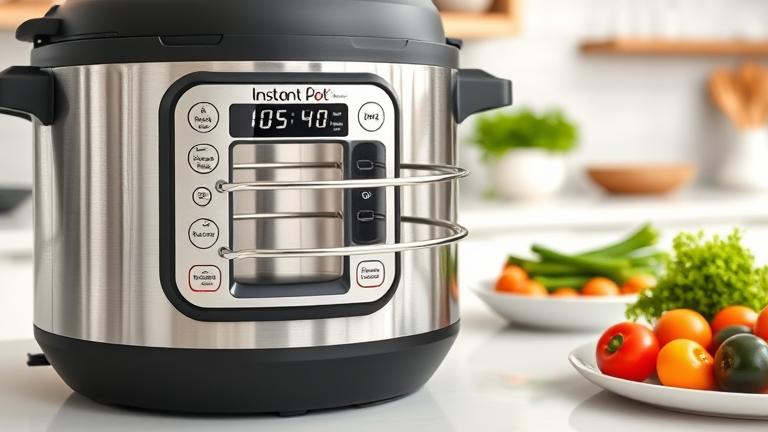
Tips and Tricks for Using the Steam Rack
Using the steam rack in your Instant Pot can make a significant difference in how well your dishes turn out. Whether you’re steaming vegetables, seafood, or even reheating leftovers, the right techniques help ensure even cooking and prevent messes. Here are some friendly and practical tips to help you get the most out of your steam rack every time.
1. Use the Right Placement
Start by placing the steam rack properly inside the Instant Pot. It should sit above the water level, not touching it. If you’re steaming delicate items like fish or dumplings, ensure they don’t sit in the water, which can cause sticking or overcooking. For best results, arrange your food in a single layer so heat circulates evenly.
2. Add Enough Water
Always add at least 1 cup of water to the cooking bowl before placing the steam rack. The water creates the steam necessary for cooking. Remember, the rack itself doesn’t hold water, so the liquid must come from the bottom. Check your recipe for specific water amounts, but don’t go below 1 cup to prevent burning or burning out your machine.
3. Use Parchment or Silicone Liners
If you’re worried about sticking or want easy cleanup, consider using parchment paper or silicone steamers on the rack. These liners help prevent food from sticking and make removing delicate items like fish or fruit easier. Just make sure they don’t block the steam’s movement.
4. Keep a Safe Distance from the Lid
Once you close the lid, ensure that your food isn’t pressed against the lid or lid vent. Proper spacing allows the steam to circulate freely. If food touches the lid or blocks the vent, it can lead to uneven cooking or pressure buildup.
5. Avoid Overcrowding
Don’t overcrowd the rack. It might seem convenient to steam a lot at once, but crowded food items won’t cook evenly. Leave some space between items for the steam to do its job effectively. This tip is especially important when steaming vegetables or seafood for salads or main dishes.
6. Steaming Timing and Checking
Set the timer according to your recipe, but keep in mind that overcooking can happen quickly. It’s a good idea to check your food a minute or two before the timer ends, especially if you’re aiming for perfectly tender results. Use oven mitts to lift the rack carefully when removing hot food.
7. Clean Your Rack Regularly
Food residue can build up on the steam rack over time, affecting future cooking. Wash it with warm, soapy water after each use, and dry thoroughly. For stubborn stains, soak the rack in vinegar or baking soda solution before scrubbing gently.
- Place your items in a single layer for even cooking.
- Always check water levels before starting.
- Use liners for easy cleanup and delicate foods.
| Common Mistake | Better Practice |
|---|---|
| Using too little water | Ensure at least 1 cup of water is added to generate sufficient steam |
| Overcrowding the rack | Arrange food in a single layer, leaving space for steam to circulate |
| Placing food directly on the rack without protection | Use parchment or silicone liners to prevent sticking and make cleanup easier |
With these tips and tricks, you’ll be able to master your Instant Pot steam rack in no time. Happy steaming!
Best Ways to Steam with Your Instant Pot
Steaming with your Instant Pot is a quick, healthy, and simple way to cook vegetables, seafood, dumplings, and more. Using the steam rack setting properly can make all the difference in getting perfect results every time. Whether you’re new to pressure cooking or want to refine your technique, these tips will help you master steaming with ease.
Understanding Your Instant Pot’s Steaming Function
Most Instant Pots come with a built-in steam setting, usually labeled as “Steam” or sometimes as a manual setting where you can set the time. This function uses high pressure to cook food evenly while preserving nutrients and flavors. When you select this mode, the device heats water quickly to generate steam, which then surrounds your food.
Before you start, always check the minimum water requirement typically at least one cup to prevent burning or error messages. This water creates the steam needed to cook your food efficiently.
Preparing Your Foods for Steaming
For best results, cut vegetables into uniform pieces for even cooking. For seafood or dumplings, arrange them on the steam rack or in a heatproof dish that fits inside the pot. Avoid stacking food too high, as the steam needs space to circulate around everything.
- Use a steaming basket or the included steamer rack for easy placement.
- If steaming delicate items like fish or fruit, consider wrapping them loosely in foil to prevent over-softening.
Steps for Perfect Steaming
- Pour at least one cup of water into the Instant Pot’s inner pot.
- Place the food on the steam rack or in a suitable dish.
- Secure the lid and turn the valve to the sealing position.
- Select the “Steam” function and set the time according to your recipe. For vegetables, 2-5 minutes usually works; seafood might need 3-4 minutes.
- Once cooking is complete, perform a quick release by turning the valve to vent, or do a natural release if your recipe benefits from gentle cooling.
Tips for Efficient Steaming
- Always check your food early to avoid overcooking, especially with quick-cooking items like greens and shrimp.
- Use fresh, high-quality ingredients for the best flavor.
- Practice the timing to find your preferred doneness steaming times may vary based on the size and type of food.
- After cooking, open the lid carefully, away from your face, to release hot steam safely.
Common Mistakes to Avoid
- Using too little water, which can cause the pot to dry out and stop functioning properly.
- Overfilling the steaming basket, which prevents steam from circulating evenly.
- Not securing the lid properly, risking steam escaping and uneven cooking.
- Skipping the natural release for certain foods, which can make them soggy or overdone.
Summary
Steaming with your Instant Pot offers a fast and nutritious way to prepare meals. Remember to use enough water, choose the right steaming accessories, and keep an eye on cooking times. With practice, you’ll become confident in crafting perfectly steamed dishes every time.
Common Mistakes and How to Avoid Them
Using a steam rack is a great way to cook vegetables, fish, and other delicate foods gently. However, beginners often run into some common issues that can affect how well their steaming turns out. Knowing these mistakes in advance can help you avoid them and ensure safe, successful steaming every time.
1. Overcrowding the Steam Rack
One of the most frequent mistakes is placing too much food on the steam rack. When food is crowded, steam cannot circulate evenly around each piece. This can lead to uneven cooking, with some parts overdone and others undercooked.
To prevent this, only add what fits comfortably on the rack with a little space between items. This allows steam to reach all surfaces uniformly, resulting in tender, evenly cooked food. If you have a lot to steam, do it in batches rather than piling everything together.
2. Not Using Enough Water in the Steamer
Make sure your steamer pot has enough water before starting. If the water level is too low, the steamer may run dry during cooking, which can damage your equipment and pose safety risks. Always check and refill with hot water if needed before steaming.
As a rule of thumb, keep enough water so it won’t evaporate completely during the cooking time. Many steamers have water level indicators use them to avoid running dry.
3. Steaming with the Wrong Size or Type of Equipment
Using a steamer or steam rack that doesn’t fit your pot can lead to problems. A rack that’s too small might fall in or wobble, while one that’s too large might not sit properly. Similarly, using a rack without proper support can be dangerous.
Double-check your equipment size and stability before cooking. Clear instructions or manufacturer recommendations can help ensure you choose the right tools for safe steaming.
4. Forgetting to Cover the Pot Properly
Covering your pot tightly helps trap steam inside, cooking your food efficiently. A loose lid lets steam escape, prolonging cooking time and making the process less effective. Avoid lifting the lid too often, as every time you do, heat and steam escape, slowing down the process.
Choose a lid that fits well or use a piece of foil to seal any gaps for better results.
5. Not Checking for Safety and Maintenance
Before using your steaming equipment, inspect it for cracks or damaged parts. Old, worn-out steamers may leak or malfunction, posing safety hazards. Regularly clean your steam rack and pot to prevent buildup of residues or mold, which can affect food safety.
Reading your appliance’s instructions and following maintenance tips can extend its life and ensure safe use every time.
Quick Tips for Better Steaming
- Keep water levels above the minimum line at all times.
- Arrange food in an even layer without overcrowding.
- Use fresh water for each steaming session.
- Check that your lid seals tightly to trap steam effectively.
Easy Recipes Using the Steam Rack
The Instant Pot steam rack is a versatile accessory that makes cooking easier and more efficient. It allows you to steam, steam-fry, or even keep foods separate while cooking in the same vessel. If you’re looking for simple, delicious recipes that make the most of this tool, you’re in the right place.
Steaming with the rack is especially great for preparing healthy meals quickly. You can cook vegetables, seafood, dumplings, and even desserts with minimal effort. Plus, it helps prevent food from sitting in liquid, preserving textures and flavors. Let’s explore some practical recipes that start with your steam rack and turn out fantastic every time.
Steamed Vegetables and Fish
This classic combo provides a healthy and fast dinner. Start by adding about one cup of water into your Instant Pot to generate enough steam. Place seasoned fish fillets on the steam rack, then layer your favorite vegetables such as broccoli, carrots, and green beans either on top or beside the fish.
Secure the lid, set the valve to sealing, and cook on high pressure for approximately 3 to 4 minutes. After cooking, perform a quick release and carefully remove the rack. The fish should be flaky, and the vegetables tender and colorful. This simple recipe offers a nutritious meal in less than 10 minutes of cooking time.
Steamed Dumplings or Ravioli
If you love frozen dumplings or ravioli, the steam rack provides a perfect way to cook them without boiling away their flavor. Pour enough water into the Instant Pot so it reaches just below the rack. Place the dumplings or ravioli on the rack, making sure they don’t touch the water.
Close the lid, set to high pressure, and cook for 3 minutes. When finished, do a quick release and carefully lift out the rack. The dumplings will be plump and tender, ready to serve with your favorite dipping sauce. This hands-off approach produces great results every time.
Steamed Desserts
You can even use your steam rack to make desserts like sticky rice or fruit puddings. For example, soak sticky rice and place it in a heatproof bowl on the rack. Add coconut milk over the top, then cover with foil. Set the rack inside the Instant Pot with some water underneath.
Cook on high pressure for 15 to 20 minutes. Once finished, carefully remove the bowl and enjoy a sweet, chewy treat. This method is perfect for delicate desserts that don’t require direct heat or baking.
Additional Tips for Using Your Steam Rack
- Always add enough water to generate steam, but avoid overfilling so it touches the food on the rack.
- Line the rack with parchment paper or silicone liners for easier cleanup, especially with sticky foods.
- Adjust cooking times based on your ingredients and personal preferences for texture.
With these recipes and tips, your steam rack becomes a versatile, time-saving kitchen tool. Experimenting with different foods can lead to new favorites and make your meal prep more efficient. Enjoy your cooking adventures with the Instant Pot steam rack!
Cleaning and Maintaining the Steam Rack
Keeping your steam rack clean is essential for its longevity and your health. A well-maintained rack lasts longer and prevents bacteria and residue buildup that can affect your food. With a few simple steps, you can keep your steam rack in excellent condition and ready for use whenever you need it.
First, clean the rack after each use. Allow it to cool completely before handling. Rinse off any food particles or residue with warm water. For stubborn stains or mineral deposits from hard water, use a soft sponge or brush to scrub gently. Avoid abrasive scrubbers that can scratch or damage the surface.
For a deeper clean, soak the rack in a mixture of warm water and mild dish soap for 10-15 minutes. This helps loosen grease or mineral buildup. After soaking, scrub gently again and rinse thoroughly. Dry the rack completely with a clean cloth or towel before storing. Standing moisture may cause rust or mold, especially on metal racks.
Periodically, do a more thorough cleaning by soaking the rack in a mixture of equal parts water and white vinegar for about 30 minutes. Vinegar dissolves mineral deposits and disinfects naturally. After soaking, scrub stubborn spots, rinse well, and dry thoroughly.
Avoid harsh chemicals or bleach, as these can damage the material or leave residues. If your rack is stainless steel, check if it’s dishwasher safe; most are, but confirm with the manufacturer. Dishwashing is convenient but hand washing may be preferable if you notice stubborn buildup.
Quick maintenance tips include:
- Clean immediately after each use.
- Use a soft brush or cloth to prevent scratches.
- Regularly soak in vinegar solution to remove mineral deposits.
- Dry thoroughly to prevent rust and mold.
- Inspect for damage, and replace if necessary.
Following these simple steps ensures your steam rack stays clean and in excellent condition for countless delicious meals ahead. Proper maintenance not only extends its lifespan but also guarantees your food remains safe and flavorful every time.
Safety Tips for Instant Pot Steam Cooking
Using your Instant Pot for steaming offers a quick and convenient way to cook healthy meals. However, safety should always be a priority to prevent accidents and ensure trouble-free cooking. Here are some essential safety tips to keep in mind during pressure and steam cooking with your Instant Pot.
Always Follow the Manufacturer’s Instructions
Before beginning, read the user manual provided with your Instant Pot. Each model may have specific safety features, maximum fill lines, pressure release procedures, and cleaning guidelines. Adhering to these instructions is crucial to safe operation.
Ignoring manufacturer guidelines can lead to overfilling, which might block vents or cause safety valves to malfunction.
Use Enough Liquid for Steaming
Steam cooking requires liquid to generate pressure. Usually, at least one cup of water or broth is recommended, but always check your model’s instructions. Insufficient liquid may cause the pot to run dry, risking damage or safety hazards.
Ensure the liquid remains below the maximum fill line marked on the inside of the lid or inner pot to prevent overflows and dangerous pressure buildup.
Properly Place and Secure the Lid
Make sure the lid is sealed tightly and correctly aligned before starting. A loose lid can cause steam to escape, preventing proper pressure buildup. After cooking, wait for the safety lock to release or manually release pressure cautiously.
Never open the lid while under high pressure; always wait for natural or quick release depending on your recipe. Carefully open the lid away from your face, letting any residual steam escape safely.
Caution During Pressure Release
When releasing pressure, use a long utensil or oven mitts to keep hands away from escaping steam. Choose between natural release, where pressure lessens naturally, or quick release, where you carefully turn the valve manually.
Always confirm the pressure indicator has dropped before opening the lid to prevent burns from hot steam.
Keep the Area Clear and Dry
Ensure the area around the Instant Pot is clutter-free. Keep the steam release valve and surrounding parts dry, as moisture can cause slipping or improper sealing. Use towels or oven mitts when handling hot surfaces and accessories.
Inspect for Damage and Maintain Your Equipment
Regularly inspect your Instant Pot for cracks, damaged seals, or malfunctioning valves. Replace any faulty parts immediately to maintain safety and proper function. Cleaning and maintenance extend the life and safety of your device.
In Conclusion
Pressure and steam cooking with your Instant Pot is an efficient, healthy cooking method, but safety always comes first. Handle lids and pressure valves carefully, keep your appliance in good condition, and follow the user manual’s instructions.
By adhering to these safety tips, you can enjoy safe, successful steaming sessions every time. Happy cooking!
FAQs About the Instant Pot Steam Rack
What is a steam rack and why do I need it?
The steam rack, also called a steamer basket or trivet, is a small metal or silicone grate that fits inside your Instant Pot. It keeps food elevated above the water at the bottom of the pot, allowing steam to circulate around the food evenly. Using a steam rack helps cook foods uniformly, prevents direct contact with water, and is essential for steaming vegetables, eggs, seafood, and more.
How do I use the steam rack safely?
Ensure the steam rack is correctly positioned inside the Instant Pot before starting. Confirm it fits securely and does not obstruct the pressure release valve. When removing the rack, use tongs or oven mitts to avoid burns. Never force the rack into place if it seems tight, as this could damage your appliance.
Can I use the steam rack for various foods?
Absolutely! Its versatility makes it perfect for steaming vegetables, hard-boiled eggs, fish, dumplings, or reheating leftovers. For delicate foods, place them in silicone baskets on the rack. For larger items like a whole chicken, confirm the rack and lid can accommodate the size comfortably.
How should I clean and maintain my steam rack?
Remove the rack from the Instant Pot and wash with warm, soapy water. Use a soft sponge or brush for stubborn residues. To remove mineral deposits or stains, soak in a vinegar or baking soda solution for a few minutes. Dry completely before storage to prevent rust and corruption.
What if my steam rack is rusted or damaged?
If rust spots or damage appear, replace the rack. A compromised rack can be unsafe and could cause food to fall through. Find suitable replacements online or at kitchen stores. Investing in a quality, rust-resistant rack ensures safety and durability.
Are there different types of steam racks?
Yes, options include simple mesh or flat metal racks, stackable models for multiple layers, silicone baskets, and collapsible racks for space-saving storage. Select one based on your typical recipes and storage needs. Collapsible racks are handy because they fold flat when not in use.
Can I stack foods for multi-layer cooking?
Definitely. Many recipes benefit from stacking foods such as vegetables on one level and seafood on another allowing multiple items to cook simultaneously. Ensure foods don’t touch each other to prevent flavor mixing and leave enough space for steam circulation. Use appropriate stacking accessories for safety and stability.
What are common mistakes to avoid with the steam rack?
- Overfilling the rack, which can cause tipping or uneven cooking.
- Forgetting to add sufficient water to generate steam.
- Using a rusted or damaged rack that could compromise safety.
- Neglecting to clean the rack properly after each use, leading to buildup or rust.
By following these tips and being attentive to maintenance, your Instant Pot steam rack will serve you well for countless tasty and safe meals. Proper care ensures it remains a reliable and effective tool in your kitchen arsenal.