
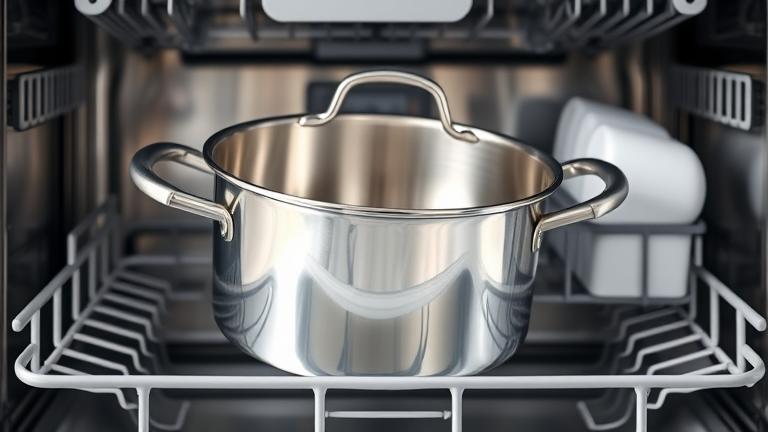
Are Dishwasher Safe Stainless Steel Pots?
Many home cooks wonder if their stainless steel pots can be safely cleaned in the dishwasher. The good news is that in most cases, stainless steel cookware is dishwasher safe. However, there are some important factors to consider before loading your pots into the machine.
Stainless steel is known for being durable and resistant to rust and staining. Because of this, it generally withstands the high temperatures and strong detergents used in dishwashers. Still, manufacturers sometimes have specific recommendations, so it’s always best to check the care instructions that come with your cookware.
Factors That Affect Dishwasher Safety
- Manufacturer’s Instructions: Always look for any labels or instructions that specify whether your pots are dishwasher safe. If your cookware came with a care guide, follow those directions.
- Type of Stainless Steel: Most high-quality stainless steel pots are dishwasher safe. However, cheaper or coated pots may be more prone to damage or discoloration in the dishwasher.
- Age and Condition of the Pot: Older pots or those with scratches and damage might not fare well in a dishwasher. Used or worn cookware could discolor, develop spots, or lose its shine over time.
- Type of Handles and Lids: Stainless steel handles are usually dishwasher safe, but if your pot has glued or plastic parts, check if they are dishwasher friendly. Some handles can become loose or crack with frequent dishwasher cleaning.
Tips for Dishwasher Cleaning
To keep your stainless steel pots looking their best, follow these simple tips:
- Use a gentle cycle if your dishwasher has options for less intense washing. This helps prevent scratches and keeps the shine.
- Avoid using harsh or overly abrasive detergents, especially if your pot has a polished or shiny finish.
- Place your pots and lids securely to prevent bumping and scratching during the wash cycle.
- For stubborn stains or burnt-on food, consider soaking the pot in warm soapy water before dishwasher cleaning.
Common Mistakes to Avoid
- Don’t overload the dishwasher, which can cause banging and scratching.
- Avoid using high heat settings unnecessarily high temperatures can sometimes discolor or warp the metal.
- Skip the dishwasher if your cookware has special coatings or non-stainless elements that might not be dishwasher safe.
Summary
In general, stainless steel pots are dishwasher safe and easy to clean. Just remember to check the manufacturer’s guidelines and consider the age and condition of your cookware. By following simple tips, you can keep your stainless steel pots looking shiny and new for years to come.
Benefits of Dishwashing Stainless Steel Cookware
Cleaning stainless steel cookware in the dishwasher offers many advantages that make kitchen life easier. Stainless steel pots and pans are durable and often designed to withstand high temperatures and regular cleaning cycles. Using the dishwasher to clean them saves you time and effort compared to handwashing.
One major benefit is convenience. After preparing a meal, you can simply place your stainless steel cookware in the dishwasher without worrying about scrubbing or soaking. This helps keep your kitchen organized and allows you to focus on other tasks or relax sooner. Plus, many modern dishwashers have customized cycles that are gentle enough for stainless steel, ensuring your cookware stays in good condition over time.
Time-saving is another key advantage. Handwashing stainless steel pots can sometimes take several minutes, especially if food has stuck to the surface. When you add your cookware to the dishwasher, the machine handles the dirty work for you. With just a quick rinse to remove any large particles, your stainless steel cookware can be cleaned thoroughly in a fraction of the time. This is especially helpful during busy weeknights or when cleaning multiple pots and pans at once.
Maintaining the quality of your stainless steel cookware is also easier with dishwasher cleaning. Proper care extends the lifespan of your pots and pans, keeping them shiny and resistant to stains or discoloration. Many stainless steel items are dishwasher-safe because they are made from high-quality materials that resist corrosion and rust. Regular dishwasher cleaning helps preserve their appearance and ensures they perform well year after year.
| Advantages | Details |
|---|---|
| Convenience | Place cookware in the dishwasher after cooking, saving time and effort. |
| Time-saving | Quick cleaning cycle reduces hand-washing time, especially when multitasking. |
| Durability | Dishwasher safe stainless steel helps maintain shine and prevents rust or stains. |
| Efficiency | Gets cookware thoroughly clean, removing food residue and grease effectively. |
While dishwasher cleaning is generally safe, it is important to check your cookware’s care instructions. Some older or decorative stainless steel pieces with special coatings may not be dishwasher-safe. In such cases, handwashing is recommended to avoid damage.
To get the best results, rinse off large food scraps before loading and avoid overcrowding the dishwasher. Using a regular dishwasher detergent designed for stainless steel can also help protect the finish. Overall, dishwasher cleaning is a practical, effective way to keep your stainless steel cookware looking great and performing well for years to come.
Things to Watch Out For in Dishwashers
Be Careful with Stainless Steel Pots
Stainless steel pots are great for cooking because they are durable and look nice. However, not all stainless steel pots are dishwasher safe. Some pots might have special finishes or glued handles that can get damaged in the dishwasher. Before placing your pot inside, check the manufacturer’s instructions or labels. If it says hand wash only, avoid putting it in the dishwasher.
When you do decide to wash stainless steel pots in the dishwasher, use a gentle cycle. High heat and harsh detergents can cause discoloration or spots on the metal surface. Over time, they may even develop a dull or stained look. To keep your pots shiny and new, consider washing them by hand with warm soapy water whenever possible.
Keep an Eye on Damage & Wear
Dishwashers are convenient, but improper loading can cause damage. Avoid stacking pots too tightly or placing heavy items on top of delicate ones. This can lead to scratches, dents, or breaking handles. Always load pots carefully, ensuring they don’t hit other dishes during the wash cycle.
Remember that dishwasher baskets have specific slots for cups, utensils, and plates. Use these properly to prevent pots from banging into other items. For example, placing stainless steel pots on the bottom rack is usually best, as the spinning spray arm can cause scratches if they are not secured properly.
Precautions for Long-Lasting Pots
- Skip harsh cleaning tablets that contain chlorine or high alkaline content, as they can corrode metal over time.
- Remove food residues from your pots before washing to avoid buildup and reduce the chances of staining or rust.
- Periodically check the dishwasher’s spray arms and filters. Clogged or damaged parts can affect cleaning performance and cause you to rerun cycles, increasing wear on your cookware.
- If your stainless steel pots have plastic or rubber handles, verify they are dishwasher safe as well. These parts can melt or warp if exposed to high temperatures.
Table: Dishwasher Safety for Common Cookware Materials
| Material | Dishwasher Safe? | Tips & Precautions |
|---|---|---|
| Stainless Steel | Often, but check label | Use gentle cycle; avoid harsh detergents |
| Ceramic & Porcelain | Yes, but with caution | Avoid sudden temperature changes to prevent cracks |
| Cast Iron | No, hand wash only | Seasoned cast iron can rust if washed in dishwasher |
| Non-stick Cookware | Usually, but check manufacturer | Hand washing recommended to preserve coating |
In summary, being mindful of your cookware materials and following some simple precautions can extend the life of your pots and keep your dishwasher in top shape. Always read labels and pay attention to manufacturer advice. A little extra care can go a long way toward maintaining your favorite kitchen items and avoiding costly repairs or replacements.
How to Properly Clean Stainless Steel Pots
Keeping your stainless steel pots sparkling and in good condition is easier than you might think. While many stainless steel cookware pieces are dishwasher safe, proper cleaning techniques ensure they stay shiny and last for years. Here’s a simple, step-by-step guide to help you clean your stainless steel pots effectively without damaging their finish.
Before Washing
Start by removing any food scraps or loose debris from your pot. If there are stubborn food residues, soaking the pot in warm, soapy water for a few minutes can loosen bits that are stuck. This makes the cleaning process easier and prevents scratches during washing.
Check the manufacturer’s instructions. Some stainless steel cookware may have specific cleaning guidelines or restrictions, especially if it has special coatings or finishes.
Washing in the Dishwasher
- Place your stainless steel pot securely in the dishwasher, making sure not to overload it. Adequate space allows water and detergent to reach all surfaces.
- Use a mild dishwashing detergent. Strong or abrasive cleaners can dull the finish or cause discoloration over time. Some dishwasher detergents are formulated specifically for stainless steel; check the label if unsure.
- Select a standard or gentle cycle. Extremely hot or long cycles may affect the finish or warp the metal. A normal cycle cleans effectively without unnecessary wear.
After Dishwasher Cleaning
Once the cycle is complete, remove the pot promptly to prevent water spots and mineral deposits. If you notice any mineral marks or streaks, a quick polish can restore the shine.
To do this, dampen a soft cloth with a mixture of equal parts water and vinegar. Gently wipe the surface, then rinse with clean water and dry thoroughly with a microfiber cloth.
Additional Tips for Maintaining Your Stainless Steel Pots
- Avoid using steel wool or abrasive scrubbers, as they can scratch the surface. Instead, opt for non-abrasive sponges or soft cloths.
- For tough stains or discoloration, create a paste with baking soda and water. Apply it gently with a soft cloth, then rinse thoroughly.
- Always dry your cookware after washing to prevent water spots and keep the finish shiny.
Common Mistakes to Avoid
- Using bleach or harsh chemicals, which can damage the surface.
- Overloading the dishwasher, hindering proper cleaning and rinsing.
- Skipping the drying step, leading to water spots or mineral deposits.
By following these simple steps, your stainless steel pots will stay beautiful and serve you well for many cooking adventures. Regular, gentle cleaning combined with proper maintenance will keep your cookware looking brand new and performing at its best.
Tips to Keep Pots Looking New
Stainless steel pots are a kitchen favorite because they’re durable, versatile, and stylish. With good care, they can stay shiny and new-looking for years. Whether you’re a beginner cook or a seasoned chef, these tips will help you maintain the appearance and longevity of your pots.
1. Clean After Each Use
It’s best to wash your stainless steel pots soon after cooking. Letting food or stains sit can make them harder to remove later. Use warm water, a gentle dish soap, and a soft sponge or cloth. Avoid abrasive scrubbers that scratch the surface. If you notice stubborn stains or burnt-on food, soak the pot in warm soapy water before scrubbing gently.
2. Use Baking Soda for Tough Stains
Baking soda is a safe and effective natural cleaner for stainless steel. Sprinkle some on the stained area, add a little water, and make a paste. Gently scrub with a soft cloth or sponge. Rinse thoroughly. This method helps remove discoloration and water spots, restoring your pot’s shine.
3. Avoid Harsh Chemicals
Stay away from bleach or steel wool that’s too coarse. These can damage the surface or leave scratches. Instead, stick to mild detergents and natural cleaning solutions. Regular gentle cleaning preserves the finish and prevents pitting or corrosion over time.
4. Remove Water Spots and Fingerprints
Water spots and fingerprints can dull the shiny look of your pots. To remove these, wipe the surface with a soft cloth dampened with a mixture of equal parts water and vinegar. Buff with a dry microfiber cloth afterward to restore the shine. For fingerprints, a small amount of glass cleaner works wonders.
5. Polish Occasionally
To keep your stainless steel pots looking new, polish them now and then with a stainless steel cleaner or a little olive oil on a soft cloth. Buff in the direction of the grain for a streak-free finish. This adds a nice shine and helps protect the surface.
6. Store Properly
Stack pots carefully to avoid scratches. Use cloth or paper towels between pans if stacking. Hang your pots if possible, so they don’t rub against each other and get scratched over time. Proper storage helps retain their polished look and prevents dents.
7. Use Heat Carefully
High heat can cause discoloration or rainbow stains on stainless steel. Use moderate heat when cooking, and avoid overheating empty pots. If discoloration occurs, cleaning with a vinegar solution or a stainless steel cleaner can often remove it.
8. Regularly Check for Damage
Look over your pots periodically. Small scratches or dents can be repaired or minimized if caught early. Keeping your pots in good shape means they’ll stay looking new longer and perform better over time.
By following these simple tips, your stainless steel pots will maintain their sleek appearance and last through many delicious meals. With a little care, they’ll stay shining and beautiful for years to come!
Common Mistakes to Avoid
Cleaning stainless steel pots might seem simple, but there are some mistakes that can damage the surface or make cleaning harder. Knowing what to avoid can save you time and keep your pots looking shiny and new. Here are some common errors and tips to prevent them.
Using Harsh or Abrasive Cleaners
One of the biggest mistakes is using harsh chemicals or gritty scrubbers. These can scratch the stainless steel surface, leaving dull spots and weakening the material over time. Instead, opt for gentle cleaners like dish soap mixed with warm water or a dedicated stainless steel cleaner.
If you need a bit more abrasion, use a soft sponge or a microfiber cloth. Avoid steel wool or steel brushes unless you want to seriously scratch the surface. Remember, a little elbow grease with the right tools goes a long way without damage.
Cleaning When the Pot Is Too Hot or Cold
Cleaning a hot stainless steel pot right after cooking can cause water spots and reduce its shine. On the other hand, cleaning a cold pot with very cold water can cause it to warp or crack, especially if it’s still warm from cooking. Always wait for the pot to cool down to room temperature before cleaning.
This helps prevent warping and makes cleaning easier. Plus, a cooled-down pot is less likely to develop water spots, keeping it looking bright and polished.
Not Cleaning in the Right Direction
When wiping or polishing your stainless steel, always follow the grain of the metal. Most pots have a visible pattern, and cleaning against this grain can cause streaks and scratches. To keep your pots spotless, wipe gently in the direction of the grain.
This will give you a streak-free, shiny surface. If you’re unsure of the grain, look closely at the surface most are aligned in one direction. Take your time, and your pots will thank you with a smooth, bright finish.
Ignoring Regular Maintenance
Skipping routine cleaning and maintenance leads to buildup, stains, or discoloration. Make it a habit to wash your pots after each use with warm soapy water. Dry them immediately to prevent water spots and mineral deposits.
For a quick polish between uses, you can also rub a few drops of olive oil or a stainless steel polish onto the surface. This keeps the shine fresh and tarnish-free over time.
Not Addressing Stubborn Stains Properly
Burnt food or water spots can be tricky. Harsh scrubbing or using steel wool can make stains worse. Instead, fill the pot with warm water and add a few drops of dish soap or vinegar. Let it soak for a while before gently scrubbing with a soft cloth.
This gentle approach helps lift stains without damaging the finish. Baking soda sprinkled on stubborn spots and then scrubbed gently with a damp cloth can also work wonders.
By avoiding these common mistakes, your stainless steel pots will stay shiny, resistant to stains, and last longer. Proper cleaning techniques are simple but effective, helping you maintain your cookware with little effort and maximum results.
Final Verdict: Dishwasher or Hand Wash?
When it comes to cleaning stainless steel pots, the choice between dishwasher and hand wash depends on a few important factors. Both methods can do a good job, but each has its pros and cons that can affect the pot’s longevity and appearance.
Hand Washing: The Gentle Approach
For most stainless steel pots, hand washing is often the safest choice. Using warm water, a soft sponge or cloth, and mild dish soap helps preserve the shine and prevent scratches. This method is especially recommended if your pot has stubborn burnt-on food or delicate handles.
One tip is to soak the pot for a few minutes before scrubbing tough spots. Always avoid steel wool or abrasive cleaners, which can scratch the surface. After washing, rinse thoroughly and dry with a soft towel to prevent water spots and maintain that beautiful, shiny finish.
Hand washing allows you to inspect the pot closely and catch any potential issues early, like loose handles or stubborn stains. Plus, it’s quick and requires minimal effort, costing you less in the long run.
Dishwasher Washing: Convenient but Cautious
Dishwashers are handy for saving time, and most modern stainless steel pots are dishwasher-safe. They can handle routine cleaning unless specified otherwise by the manufacturer. Using the dishwasher on a gentle cycle helps remove grime without damaging the surface.
However, some cautions are worth noting. High heat and harsh detergents in the dishwasher can cause discoloration or dullness over time. It’s a good idea to check your pot’s care instructions. If in doubt, opt for a top rack placement to reduce exposure to intense heat and avoid contact with other utensils that could scratch the surface.
Another tip is to remove the pot from the dishwasher promptly after the cycle ends. Leaving it in a damp environment might lead to water spots or corrosion in rare cases.
Which Method Is Best for Your Stainless Steel Pot?
| Method | Pros | Cons | Best For |
|---|---|---|---|
| Hand Wash | Gentle, customizable, preserves shine | Requires time, manual effort | Stubborn stains, delicate handles, long-term care |
| Dishwasher | Time-saving, convenient, good for routine cleaning | Possible discoloration, less control | Frequent, light cleaning |
In conclusion, if you want your stainless steel pots to stay in prime condition for years, hand washing is usually the best option. It’s gentle, gives you control, and helps you spot issues early. Use the dishwasher for quick, regular cleanings, but be mindful of its limitations. Combining both methods wisely can help your pots last longer and look great every time you cook.