
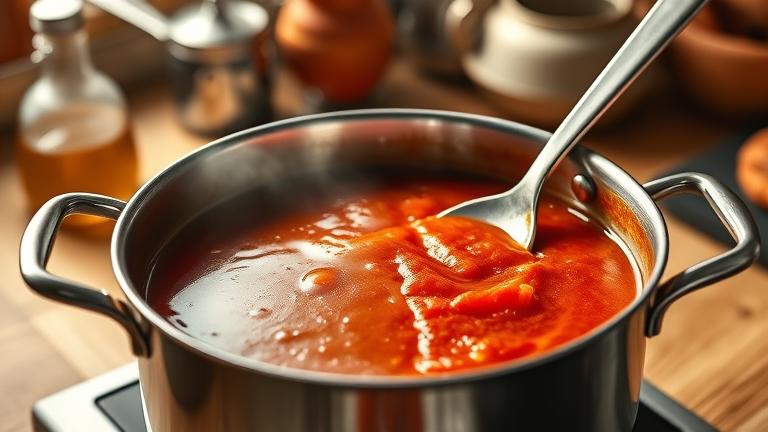
How Sauces Change When Cooling
When you make a sauce, the journey doesn’t end once it leaves the stove. As sauces cool down, they undergo some interesting physical and chemical changes that can affect their texture and thickness. Understanding these changes can help you achieve the perfect consistency every time.
Physical Changes During Cooling
One of the main things that happens as a sauce cools is that it thicken. Hot sauces are often more fluid because heat causes the molecules to move faster, making them more spread out. When the sauce cools, its molecules slow down and come closer together, resulting in a thicker, more viscous texture.
This thickening can be noticeable in sauces like gravy or tomato sauce, which may start to feel heartier and less silky as they cool. Sometimes, this change is desirable, giving the sauce a richer body. Other times, it might make your sauce too thick, especially if you want a pourable consistency for drizzling or mixing.
Chemical Changes and Stabilization
Aside from physical changes, cooling can cause some chemical shifts. For example, if you used thickeners like cornstarch or flour, they may become more effective at thickening as the sauce cools because starches gel and set at lower temperatures. This means your sauce might continue to thicken even after you turn off the heat.
In some sauces, cooling can also bring out flavors and aromas that weren’t as prominent when hot. That’s because heat often causes volatile compounds to evaporate or disperse. Once cooled, these compounds settle back in, making the flavor profile richer and more balanced.
Tips for Managing Sauce Thickness When Cooling
- Adjust before cooling: If you want a thinner sauce for serving, consider removing it from heat a little early. You can always reheat and thicken it later if needed.
- Reheat carefully: When reheating a thickened sauce, gently warm it and stir to loosen it up if it’s become too thick.
- Use gelatin or other thickeners: If you want a sauce that stays consistent in texture when cooled, experimenting with stabilizers like gelatin or adding a small amount of butter can help maintain the desired thickness.
- Store properly: Allow sauces to cool to room temperature before refrigerating to prevent condensation or separation.
Example: Cooling Tomato Sauce
| Stage | Texture | Note |
|---|---|---|
| Hot | Fluid, runny | Easy to pour, may need thickening later |
| Room temp | Thickening begins | Flavor intensifies, set for storage |
| Refrigerated | Very thick, spoonable | Perfect for toppings or mixing into dishes |
By understanding what happens to sauces as they cool, you can better control their final texture. Whether you want it silky and pourable or hearty and spoonable, knowing these changes helps you make delicious sauces that look and taste just right.
Common Methods to Thicken Sauces
When cooking sauces, getting the right thickness can make a big difference in how your dish turns out. Whether you want a rich, velvety sauce or a lighter pour, there are several easy and effective ways to thicken sauces at home. Here, we’ll explore some popular methods like using roux, cornstarch, and reduction, along with helpful tips to get the perfect consistency.
Using Roux
A roux is a mixture of equal parts flour and fat, usually butter or oil, cooked together until it forms a paste. It’s a classic thickening agent, especially in French cuisine. To make a roux, melt butter in a pan, then whisk in the flour. Cook over medium heat for a few minutes until the mixture turns a light caramel color. This helps eliminate the raw flour taste and creates a flavorful base.
Add the roux to your simmering sauce gradually, stirring constantly. Keep cooking and stirring until the sauce thickens to your liking. Be patient, as it may take a few minutes for the sauce to develop the desired consistency. A key tip: don’t add the roux until the sauce is simmering to avoid lumps and ensure even thickening.
Using Cornstarch or Other Starches
Cornstarch is a quick and convenient way to thicken sauces. Mix equal parts cornstarch and cold water or broth to make a slurry. For example, use one tablespoon of cornstarch mixed with one tablespoon of cold water. Stir until smooth, then slowly pour the mixture into your simmering sauce while stirring constantly. Continue to cook for a couple of minutes until the sauce thickens.
Another option is arrowroot powder, which works similarly but creates a clearer sauce. Be careful not to add too much, as this can make your sauce gloopy. Tip: always dissolve starches in cold liquid before adding to hot sauce to prevent lumps.
Reducing the Sauce
Reducing is a natural way to thicken a sauce by simmering away some of its water content. Simply bring your sauce to a gentle boil and let it simmer uncovered. As the liquid evaporates, the sauce will become thicker and more concentrated in flavor. This method is perfect for sauces like gravy, pan sauces, or tomato-based dishes.
Just be sure to stir occasionally to prevent sticking or burning. Reduce the heat if the sauce starts to bubble too vigorously. This method takes a bit more time but results in a rich, velvety texture and intensified flavors.
Tips for Perfectly Thickened Sauces
- Always add thickening agents gradually and stir well to avoid lumps.
- Test the sauce’s thickness by spooning some onto a plate. It should coat the back smoothly.
- Remember that sauces continue to thicken slightly as they cool, so don’t overdo it while cooking.
- If you accidentally add too much thickener, you can thin the sauce with a little more broth or water.
By mastering these simple methods roux, cornstarch slurry, and reduction you’ll be able to achieve the perfect sauce consistency every time. Experiment with each technique to find what works best for your favorite dishes, and enjoy cooking with confidence!
Temperature’s Impact on Sauce Consistency
Understanding how temperature affects the consistency of your sauce is key to achieving that perfect texture. Whether you’re making a rich gravy, a smooth béchamel, or a tangy barbecue sauce, temperature plays a big role in how thick or runny your sauce turns out. Keeping an eye on heat during cooking and serving can help you control the sauce’s viscosity just right.
How Heat Changes Sauce Thickness
When you start cooking a sauce, it usually begins to thicken as it heats up. This is because heat causes liquids to evaporate and ingredients like starch or flour to swell, creating a thicker texture. For example, simmering a tomato sauce gradually reduces the water content, making it richer and more concentrated.
On the other hand, if the sauce gets too hot or boils too vigorously, it can become too thick or even break apart. Breaking happens when fats and liquids separate, leading to a greasy or grainy texture. So, knowing the right temperature and cooking gently helps maintain a smooth, desirable consistency.
The Role of Temperature During Serving
Serving temperature also impacts sauce consistency. Hot sauces tend to be more fluid and easier to pour or spoon over dishes. As they cool, sauces often thicken further. Think about gravy or cheese sauces they gel slightly as they cool, which can be great for holding together on a plate.
However, if a sauce cools too much, it might turn stiff or congealed. Reheating can restore its original flow, but it’s important to reheat gently to prevent separation. Using a low heat or a water bath helps maintain the sauce’s texture without altering flavor or causing it to become rubbery or lumpy.
Practical Tips for Managing Sauce Consistency
- Start with a gentle simmer to better control thickening and avoid breaking.
- If a sauce becomes too thick, add small amounts of warm broth, water, or milk to loosen it.
- For sauces that are too runny, continue simmering or add a thickening agent like a slurry of cornstarch and cold water.
- Monitor your sauce closely boiling over or cooking at too high a temperature can ruin the texture.
- When reheating, do so slowly and stir constantly for even heat distribution.
Quick Reference: Temperature and Sauce Viscosity
| Temperature Range | Sauce Effect | Best Use |
|---|---|---|
| Low (75-85°C or 165-185°F) | Gentle simmer, sauce thickens gradually | Final stages of cooking, finishing touches |
| Medium (85-95°C or 185-205°F) | Moderate simmer, optimal thickening | Cooking sauces to desired consistency |
| High (100°C or 212°F or boiling) | Rapid thickening, risk of separation or boiling over | Initial cooking, but should be reduced to lower heat soon |
By paying attention to temperature, you can fine-tune your sauces to have the perfect consistency. Whether you’re thickening a gravy or keeping a sauce smooth and pourable, controlling heat ensures your culinary creations turn out just right every time.
Quick Tips for Perfect Sauce Thickness
Getting the right sauce thickness can make a big difference in your dishes. Whether you want a rich gravy, a creamy pasta sauce, or a tangy glaze, knowing how to control thickness helps your recipes turn out just right.
Here are some friendly, practical tips to help you achieve and keep the perfect sauce consistency every time.
Start With the Right Base
Use the correct amount of liquid. Too much can make your sauce watery, while too little might make it too thick. For example, when making a tomato sauce, remember that it’s easier to thin it out later than to thicken a sauce that’s too runny from the start.
If you’re unsure, add liquids gradually and keep tasting as you go.
Use Thickeners Properly
Common thickeners include flour, cornstarch, arrowroot, and cream. Each works differently and is suitable for specific sauces.
- Flour: Best for gravy and stews. Cook it for a few minutes to avoid a raw taste.
- Cornstarch: Mix with a little cold water before adding. It thickens quickly and creates a glossy finish.
- Arrowroot: Great for delicate sauces. Use the same method as cornstarch.
- Cream or butter: Add at the end for richness and a slight thickening.
Thickening Techniques
- Simmer and Reduce: Allow the sauce to simmer gently, which helps evaporate excess water and thicken naturally.
- Make a Slurry: Mix equal parts cornstarch or flour with cold water. Stir into the hot sauce and cook for a few minutes until thickened.
- Puree Ingredients: For vegetable-based sauces like marinara or pureed soups, blending some of the ingredients can help thicken naturally.
- Add Dairy: Incorporate cream, cheese, or yogurt for cream-based sauces. Be mindful of heat so dairy doesn’t curdle.
Tips for Maintaining Thickness
- Stir frequently to prevent sticking or burning, especially as the sauce thickens.
- If your sauce becomes too thick, thin it with a little hot water, broth, or milk. Add gradually and mix well.
- For a glossy finish, finish with a small pat of butter or a dash of oil and stir in gently.
- Always taste before serving. Adjust the seasoning or consistency as needed.
Common Mistakes to Avoid
- Adding thickening agents too early or in large amounts, which can make the sauce clumpy.
- Overcooking delicate sauces after thickening, causing them to break or separate.
- Not dissolving thickening agents properly, leading to lumps.
With these simple tips, you can master the art of perfect sauce thickness. Remember, control is key, and small adjustments make a big difference. Practice makes perfect, so don’t be discouraged if your first attempt isn’t ideal. Keep experimenting, and enjoy that beautifully balanced sauce!
FAQs About Sauce Thickness
Why is my sauce too runny?
If your sauce is too thin, it might need more time to cook and reduce. Sometimes, adding too much liquid initially can lead to a runny consistency. To fix this, you’ll want to simmer the sauce longer over low heat, which allows excess moisture to evaporate and thickens the sauce naturally.
Another tip is to check if any thickening agents like flour, cornstarch, or egg yolks were used correctly. If they weren’t cooked enough or added properly, the sauce might stay watery. In such cases, you can create a slurry mix a small amount of cornstarch or flour with water and stir it into the simmering sauce until it thickens.
How can I thicken a sauce quickly?
When you’re in a hurry, a quick fix is to use a slurry made from cornstarch or flour. Mix one tablespoon of cornstarch with a tablespoon of cold water until smooth. Then, slowly add this mixture to your hot sauce, stirring constantly. Cook for a few more minutes until the sauce reaches your desired thickness.
Another fast method is to mash some cooked vegetables like potatoes or carrots into your sauce. This not only thicken it but also adds flavor and nutrition. Always add small amounts at a time to prevent over-thickening.
What are the best natural thickeners?
Some common natural thickeners include flour, cornstarch, arrowroot, and pureed vegetables or fruits. Each has its own best use case:
- Flour: Often used in roux (cooked with fat) to thicken gravy and sauces.
- Cornstarch: Works well for clear sauces like Chinese stir-fry sauces or fruit sauces.
- Arrowroot: Ideal for acidic sauces and works at lower temperatures.
- Pureed vegetables or fruits: Great for adding body and nutrition, perfect in tomato sauces or fruit compotes.
Can I fix a sauce that is too thick?
Absolutely! If your sauce turns out too thick, just add a little liquid water, broth, or milk depending on the dish. Pour in small amounts, stir well, and heat gently until it reaches the right consistency.
Be cautious with the amount of liquid you add; adding too much can dilute the flavor. Taste and adjust seasonings afterward if needed. This method works well for gravy, cream sauces, and tomato-based sauces alike.
Are there things I should avoid when thickening sauces?
Yes, there are some common pitfalls to watch out for:
- Adding thickening agents too early or in large amounts, which can make the sauce clumpy.
- Using high heat after adding a thickening agent, as this can cause breakdown or makes the sauce too gloopy.
- Adding thickeners raw or before cooking enough, which can leave a gritty or raw taste.
Always stir well and cook thoroughly after adding thickening agents for the best results. Remember, patience is key slowly thickening your sauce ensures a smooth, rich texture that’s just right.
Mistakes to Avoid When Thickening Sauces
Thickening sauces is a skill that can elevate your cooking, making dishes more flavorful and appealing. However, it’s easy to run into some common mistakes that can ruin the texture or taste of your sauce. Knowing what to watch out for can help you achieve perfect results every time.
1. Adding Too Much Thickener Too Quickly
One of the most frequent errors is dumping in a lot of thickening agent, like flour or cornstarch, all at once. This can lead to lumps and uneven consistency. Always add your thickener gradually, and stir constantly to see how it affects the sauce’s thickness. Start with a small amount, such as a teaspoon of cornstarch mixed with cold water, and increase as needed.
2. Not Creating a Proper Slurry
If you’re using cornstarch or flour, make sure to create a smooth slurry before adding it to your hot sauce. Mix the thickener with cold water or another cold liquid until it’s fully dissolved. Adding dry powder directly to a hot sauce can cause clumping and lumps that are hard to smooth out.
3. Over-Thickening the Sauce
Sometimes, it’s tempting to cook the sauce longer to make it thicker. But over-thickening can lead to a sauce that’s overly gloopy or sticky. Thin the sauce with a little broth or water if it gets too thick. Remember, you can always thicken it more, but you can’t fix a sauce that’s too thick once it’s overdone.
4. Using the Wrong Thickening Method for the Sauce
Different sauces require different thickening techniques. For example, a creamy béchamel thickens nicely with a roux, while a tomato sauce works better with a cornstarch slurry. Know your sauce type and choose the appropriate method. Using the wrong technique can change the flavor or texture negatively.
5. Adding Thickener at the Wrong Time
Timing matters. Add your thickener towards the end of cooking for better control. If added too early, the sauce may get too thick or lose its desired consistency during simmering. Always taste and check the sauce’s thickness before deciding to add more thickener.
Tips to Prevent Common Thickening Mistakes
- Start with small amounts of thickener and build up gradually.
- Create a smooth slurry before adding it to hot liquids.
- Cook the sauce gently after thickening to prevent overcooking.
- Choose the right technique and timing based on your sauce type.
- Always taste and adjust the consistency as you go.
By keeping these common mistakes in mind and following simple tips, you can become a pro at thickening sauces. Practice makes perfect, and soon you will enjoy rich, smooth sauces that enhance all your home-cooked meals.
Expert Advice for Better Sauces
Cooking a delicious sauce can elevate any dish, but getting the perfect consistency and flavor takes a bit of practice. Luckily, with some professional tips, you can improve your sauce-making skills and achieve consistent, tasty results every time.
Start with Quality Ingredients
The foundation of a great sauce is good ingredients. Use fresh herbs, high-quality oils, and flavorful stock or broth. Even simple sauces like tomato or gravy benefit from quality produce. When ingredients are flavorful on their own, your sauce will naturally taste better and require less seasoning.
Learn the Right Thickness
Achieving the perfect consistency can be tricky. Too thick, and it’s gloopy; too thin, and it runs off your dish. A good rule is to aim for a sauce that coats the back of a spoon. To control thickness, use thickeners like flour, cornstarch, or beurre manié (a paste of butter and flour). Add these gradually, stirring constantly, and cook long enough for the starch to activate.
Use Proper Technique
One common mistake is adding ingredients all at once. Instead, build your sauce in layers by sautéing aromatics first, then adding liquids, and finally thickening. Simmer gently to develop flavors without breaking or burning your sauce. Remember, boiling can cause some sauces to become too thick or cause separation, so maintain a gentle simmer.
Adjust Seasoning Last
Always taste your sauce before serving. It’s easier to add salt, acidity (like lemon juice or vinegar), or sweetness after the sauce has cooked. Be patient sometimes flavors need a little time to meld and develop fully.
Tips for Better Sauce Consistency
- Always whisk sauce while adding thickeners to prevent lumps.
- Use a thermometer to monitor temperature, especially if you’re reducing or thickening with eggs or dairy.
- If your sauce becomes too thick, thin it out with a splash of water, broth, or wine.
- If it’s too thin, continue simmering or add a bit more thickener.
Common Mistakes to Avoid
- Adding salt too early, which can overpower other flavors.
- Cooking on too high heat, causing ingredients to break down or burn.
- Over-thickening, making the sauce gloopy and difficult to pour.
Conclusion
Improving your sauce-making technique really comes down to patience and understanding the basics. With high-quality ingredients, careful temperature control, and gradual thickening, you’ll see your sauces become more consistent and flavorful. Remember, every sauce is a learning experience, so don’t be afraid to experiment and tweak as needed. Soon, you’ll be creating sauces that enhance your dishes and impress your family and friends.