
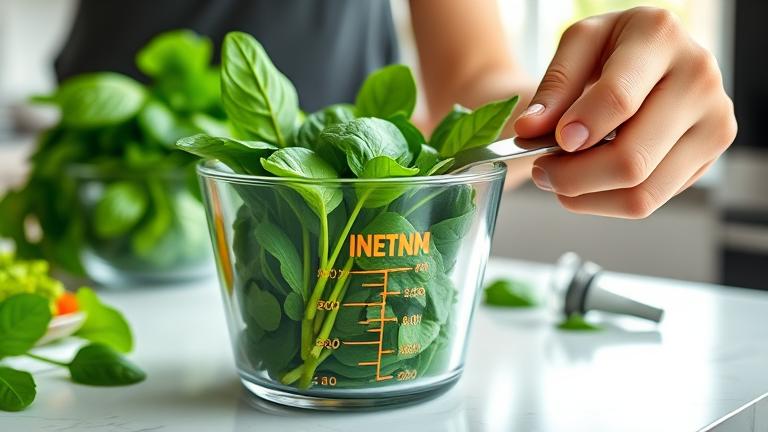
Why Measuring Spinach Matters
Measuring spinach accurately is an important step in both cooking and tracking your nutrition. Whether you’re preparing a salad, making a smoothie, or following a recipe, knowing how much spinach to use makes a big difference. It helps ensure your dish turns out just right and that you’re getting the health benefits you’re aiming for.
Spinach is a popular leafy green that can be tricky to measure because it shrinks significantly when cooked or packed tightly. For example, fresh spinach leaves can look bulky, but once chopped or cooked, they reduce in volume. If you don’t measure properly, your recipe may end up too salty, too bland, or not as nutritious as intended.
Why Accurate Measurement Matters in Cooking
When cooking with spinach, precise measurement ensures your dish has the right balance of flavors and textures. Too much spinach, especially in recipes like quiches or stuffed pastas, can overpower other ingredients and make your dish watery or too dense. Too little, and you might not get the desired flavor or nutritional punch.
For example, if a recipe calls for one cup of cooked spinach, but you add only fresh leaves without considering the shrinkage during cooking, the final dish may lack the spinach flavor and nutrients. Conversely, over-measuring fresh spinach can lead to excess moisture, affecting the consistency of your dish.
Health Benefits and Nutritional Accuracy
Accurately measuring spinach also helps track your nutritional intake. Spinach is rich in vitamins A, C, K, iron, and antioxidants. If you’re following a diet or want to monitor your nutrients, knowing the exact amount helps you stay on track. For instance, one cup of cooked spinach provides about 35 calories, but it contains a high concentration of nutrients. Overestimating or underestimating can skew your nutritional goals.
Many people measure spinach when preparing smoothies or salads to ensure they’re eating enough greens every day. Using proper measurements ensures consistency, so your health routines stay effective and balanced.
Tips for Measuring Spinach Accurately
- Use a standard measuring cup for both fresh and cooked spinach. Remember that fresh spinach will look full but will shrink when cooked.
- If measuring cooked spinach, first cook the leaves and then drain excess water before measuring. One cup of cooked spinach usually starts as about four cups of raw leaves.
- Weigh spinach with a kitchen scale for the most precise measurement, especially for nutritional purposes.
- Be consistent in whether you’re measuring by volume or weight to compare recipes or track your intake accurately.
By paying attention to how you measure spinach, you’ll enjoy better results in the kitchen and better health benefits. It’s a simple step that makes a big difference in your cooking adventures and wellness goals.
Different Ways to Measure a Cup of Spinach
Measuring a cup of spinach might seem simple, but several methods can help you get the right amount for your recipes. Whether you’re using fresh, cooked, or frozen spinach, knowing how to measure accurately ensures your dish turns out just right. Here, we’ll explore different ways to measure a cup of spinach, depending on your preferences and what tools you have on hand.
1. Using a Measuring Cup
The most straightforward way is to use a standard measuring cup. If you’re working with fresh spinach, rinse and drain it well. Then, loosely pack the spinach into a cup until it is overflowing. Use the back of a spoon or a spatula to gently press down and fill the cup to the brim. Level off the excess with the flat edge of a knife for accuracy.
If your recipe calls for cooked spinach, keep in mind that spinach wilts and reduces significantly in volume when cooked. So, measure fresh spinach and cook it afterward, or measure the cooked version directly if your recipe specifies it.
2. Weighing Spinach for Precision
Weighing spinach provides the most precise measurement, especially if your recipe requires accuracy. Typically, a cup of fresh spinach weighs around 30 grams (about 1 ounce). For cooked spinach, a cup usually weighs less due to water loss.
To measure by weight, place the spinach on a kitchen scale. Use a container or a bowl if needed, and zero out the weight before adding the spinach. This method is especially useful for dietary tracking or when you want to be exact.
| Measurement Type | Fresh Spinach | Cooked Spinach |
|---|---|---|
| 1 cup | Approximately 30 grams | Approximately 180 grams (about 6 ounces) after cooking and draining |
3. Visual Estimation and Tips
If you don’t have measuring tools handy, you can estimate a cup of spinach visually. A loosely packed handful of fresh spinach generally equals about one cup. For cooked spinach, a heaping handful is usually enough.
Here are some tips to improve your estimates:
- Use a standard size hand: roughly 1 cup of loosely packed fresh spinach fits in a cupped palm.
- Remember that density varies: packed spinach will take up less space than loosely packed leaves.
- If you prefer consistency, weigh your spinach once and then stick with that method for future recipes.
Measuring spinach accurately helps ensure your recipes come out perfect, whether you’re making a salad, smoothie, or cooked dish. Experiment with these methods to find what works best for your kitchen and enjoy cooking with confidence!
Fresh vs. Packed Spinach: What’s the Difference?
When it comes to cooking with spinach, you might wonder whether to use fresh or packed spinach. Both can be convenient, but they behave differently in recipes. Understanding these differences can help you measure accurately and get the best flavor and texture in your dishes.
Fresh spinach comes straight from the garden or grocery store. It’s usually sold in loose bunches or in plastic containers. Packed spinach is already cleaned, chopped, and pressed into a compact form, often sold in bags or containers. While they look similar, a handful of fresh spinach might weigh more than a handful of packed spinach. This is because packed spinach is pressed down tightly, removing air and excess moisture.
Measuring fresh spinach is straightforward. Because it’s loose, most recipes call for volume measurements, like cups. For fresh spinach, one cup packed loosely weighs about 30 grams or 1 ounce. If a recipe asks for a certain amount of fresh spinach, it’s best to measure it by volume for consistency. To do this, gently fill your measuring cup with the leaves without pressing them down too much.
Packed spinach is already compressed, so the same one-cup measurement will weigh less than fresh spinach about 20 grams or 0.7 ounces. When a recipe calls for packed spinach, measure it by volume the same way. Keep in mind that packed spinach takes up less space but has a more concentrated flavor since it’s already chopped and pressed.
Here’s a simple measurement guide:
| Type of Spinach | Amount (per 1 cup) | Weight (grams) | Notes |
|---|---|---|---|
| Fresh spinach (loose) | 1 cup | 30 grams | Gently fill cup without pressing |
| Packed spinach | 1 cup | 20 grams | Compressed, pressed form |
Tips for best results:
- If a recipe calls for a specific weight, weigh the spinach to be precise.
- When substituting fresh for packed spinach or vice versa, adjust your measurements accordingly.
- Always rinse fresh spinach well before use to remove dirt and grit. Packed spinach is usually pre-washed, but it’s good to check.
A common mistake is to assume a cup of fresh spinach and a cup of packed spinach weigh the same, which they do not. This difference can affect your dish, especially in salads, sautés, or smoothies where spinach flavor and volume matter.
Understanding these differences helps ensure your recipes turn out just right. Whether you prefer fresh or packed spinach, measuring accurately guarantees the best taste and texture in your cooking.
Using Kitchen Tools for Accurate Measurement
When cooking or preparing ingredients like spinach, accurate measurement is key to getting the best results. Using the right kitchen tools helps ensure your spinach is perfectly portioned, whether you’re adding it to a salad, smoothie, or cooked dish. In this section, we’ll explore the essential tools and tips for measuring spinach accurately and confidently.
Measuring Cups
Measuring cups are the most common tools for measuring loose ingredients like chopped spinach. They come in two main types: dry and liquid. For spinach, which is usually measured as a volume of loosely packed leaves or chopped pieces, dry measuring cups are ideal.
To measure spinach with measuring cups:
- Fill the cup with fresh, chopped spinach, loosely packing it without pressing down too hard. Overpacking can lead to over-measuring.
- Use the back of a spoon or a flat utensil to gently level off the excess on the top for an even measurement.
Keep in mind that fresh spinach can shrink when cooked, so adjust the quantity accordingly if you are cooking with it later.
Kitchen Scales
For even greater accuracy, especially when following recipes that specify weight, a kitchen scale is the top choice. Scales measure in grams or ounces, providing precise measurements that help achieve the perfect balance of ingredients.
How to measure spinach with a scale:
- Place a bowl or container on the scale and turn it on or tare it to zero.
- Add chopped or fresh spinach into the container until the desired weight is reached.
Using a scale helps avoid variations caused by packing or moisture content, making it ideal for recipes like salads or smoothies where exact amounts matter.
Additional Tips for Accurate Measurement
- Always use a clean, dry measuring tool to prevent inaccurate readings caused by moisture or residue.
- When measuring leafy greens like spinach, gently chop or tear the leaves to get a more uniform measurement.
- If your recipe calls for cooked spinach, measure it after cooking, as it reduces significantly in volume.
Remember, different tools serve different purposes. For quick, easy measurements, measuring cups are great. But for precision, a kitchen scale offers the most reliable results. Using these tools correctly can make a big difference in the success of your dishes and help you achieve consistent, tasty results every time.
Tips for Measuring Leafy Greens Easily
Measuring leafy greens like spinach can sometimes feel tricky, especially if you want to be accurate without wasting time. Luckily, with a few simple tips, you can measure your greens quickly and reliably every time. Whether you’re cooking a small salad or preparing ingredients for a recipe, these strategies will help you get consistent results.
Use the Right Tools
Having the right tools makes all the difference. A set of measuring cups, especially ones designed for loose ingredients, is perfect for leafy greens. A standard set of dry measuring cups works well for measuring greens by volume. For example, a packed cup of spinach leaves is typically about 30 grams. If you often cook with leafy greens, consider getting a kitchen scale for even more accuracy.
Prepare the Greens Properly
Before measuring, rinse the greens thoroughly to remove dirt and any grit. Then, dry them using a salad spinner or pat them dry with clean towels. Damp greens can pack tightly or cling to the measuring cup, skewing your measurements. Once dry, roughly chop or fold the greens into the measuring cup to fill it evenly without pressing down too hard.
Measure When the Greens Are Loose
For most recipes, leafy greens measure better when they are loose and not tightly packed. Fill the measuring cup with leaves gently, letting them fall naturally. Avoid pounding or pressing down, which can compress the greens and give a false reading. If a recipe calls for chopped greens, measure first and then chop after to make sure you get the correct amount.
Use the Water Displacement Method for Accuracy
If you want to measure greens for weight, try this quick trick: fill a measuring cup with water to a known level, then add the greens slowly. The change in water level indicates the volume the greens occupy. This is especially helpful if you’re trying to estimate how much greens will fit into your pan or bowl. Remember to subtract the initial water level to get the actual volume.
Keep in Mind Common Mistakes
- Pressing or compacting greens can lead to inaccurate measurements. Always fill gently.
- Using wet greens will make them seem more voluminous, so dry thoroughly before measuring.
- Measuring before chopping allows for more consistent amounts, but if a recipe calls for chopped greens, measure afterward for precision.
Quick Reference Table for Typical Quantities
| Green Type | Volume per Cup | Approximate Weight |
|---|---|---|
| Fresh Spinach (loose) | 1 cup | 30 grams |
| Baby Kale (chopped) | 1 cup | 55 grams |
| Arugula (loose) | 1 cup | 20 grams |
By following these simple tips, measuring leafy greens like spinach will become faster, easier, and more accurate. Remember, practice makes perfect, and over time, you’ll develop a feel for how much greens you need for your favorite dishes. Happy cooking!
Common Mistakes When Measuring Spinach
Measuring spinach might seem simple, but it’s easy to make some common mistakes that can affect your recipes. Whether you’re adding fresh spinach to a salad or using it in cooked dishes, accurate measurement helps ensure your dish turns out just right. Let’s look at some pitfalls and practical tips to avoid them.
1. Not Washing or Drying Spinach Before Measuring
Many home cooks forget to wash or dry spinach before measuring. Fresh spinach often has dirt or excess water clinging to the leaves. If you measure spinach right after washing, the excess moisture can add weight and throw off your measurements. To get an accurate amount, gently dry the spinach with a towel or use a salad spinner. Measuring dry spinach gives you a more reliable measurement.
2. Using Loose or Overstuffed Measuring Cups
It’s common to pile spinach into a measuring cup or pack it in tightly. This results in inconsistent measurements. For best accuracy, loosely fill a measuring cup with spinach and level it off if needed. If a recipe calls for a specific weight, use a kitchen scale instead of volume. Remember, a packed cup can have more spinach than a lightly filled one.
3. Confusing Fresh and Cooked Measurements
Fresh spinach takes up more space than cooked spinach because it contains water and air pockets. Some recipes note measurements in terms of fresh spinach, while others specify cooked. Always double-check which one you need. If a recipe asks for cooked spinach, measure it after cooking and draining. Measuring the raw amount and then cooking it may lead to using too much or too little.
4. Ignoring Spinach Size and Type
Different types of spinach, like baby spinach or mature leaves, vary in size and weight. Larger leaves may be more compact or heavier than small, tender ones. When precision matters, note the type you’re using and aim for consistency. For example, a cup of baby spinach might weigh less than a cup of mature leaves but look similar in volume.
Tips to Measure Spinach Correctly
- Always wash and dry spinach thoroughly before measuring.
- Use a kitchen scale for precise weight measurements, especially in baking or specific recipes.
- Loosely fill measuring cups to avoid packing down the leaves.
- Be aware of whether the recipe calls for fresh or cooked spinach and measure accordingly.
- Keep track of the spinach type for better consistency in your dishes.
Summary
Measuring spinach accurately is key to making delicious, well-balanced meals. Avoid common mistakes like not drying the leaves, packing the measuring cup too tightly, confusing fresh and cooked measurements, or ignoring differences in spinach types. With these simple tips, you’ll get consistent results and enjoy perfectly seasoned dishes every time.
How to Convert Spinach Measurements for Recipes
If you love adding spinach to your dishes but find that your recipe uses a different measurement than what you have on hand, don’t worry. Converting spinach measurements is straightforward once you understand some basic equivalents. Whether you’re working with fresh or frozen spinach, knowing how to switch between units can help make your cooking easier and more accurate.
Understanding Different Spinach Measurements
Recipes often list spinach in several ways: handfuls, cups, tablespoons, or weight (ounces or grams). Each measurement has a different use case. For example, a “handful” is informal and can vary by person, while cups or grams are precise. When converting, keep in mind the difference between raw fresh spinach and cooked or chopped spinach, as they occupy different volumes.
Converting Fresh Spinach
Fresh spinach shrinks significantly when cooked, so if your recipe calls for cooked spinach but you only have fresh, you’ll need to convert appropriately. Here are some common conversions:
| Measurement | Equivalent |
|---|---|
| 1 cup chopped fresh spinach | about 2.5 ounces (70 grams) |
| 1 handful of fresh spinach | roughly 1.5 ounces (42 grams) |
| 1 bunch of fresh spinach (about 10 oz) | yields approx. 4 cups chopped |
To convert between fresh and cooked, remember that about 1 cup of raw spinach reduces to roughly ½ cup cooked. So, if your recipe needs cooked spinach, use half of the raw measurement listed in cups.
Converting Frozen Spinach
Frozen spinach is usually available in packages marked in ounces or grams. Typically, one package contains about 10 to 16 ounces. When using frozen spinach, drain excess water before measuring. The general rule of thumb is:
- 1 cup cooked frozen spinach = about 4 ounces (113 grams)
- 1 ounce of frozen spinach = roughly 2 tablespoons
If your recipe calls for fresh spinach and you only have frozen, convert by weight. For example, 4 ounces of frozen spinach can replace about 1 cup cooked fresh spinach.
Tips for Accurate Conversions
- Always measure spinach after chopping if the recipe specifies chopped spinach.
- If using handfuls, try to be consistent by using the same hand size for better accuracy.
- When in doubt, weigh your spinach for the most precise measurement, especially in baking or delicate dishes.
By understanding these conversions and tips, you’ll be able to easily adapt your spinach quantities for any recipe, whether you’re modifying a traditional dish or experimenting with new flavors. Remember, practice helps you get a feel for how much spinach you prefer in your meals, so don’t hesitate to adjust to your taste!