
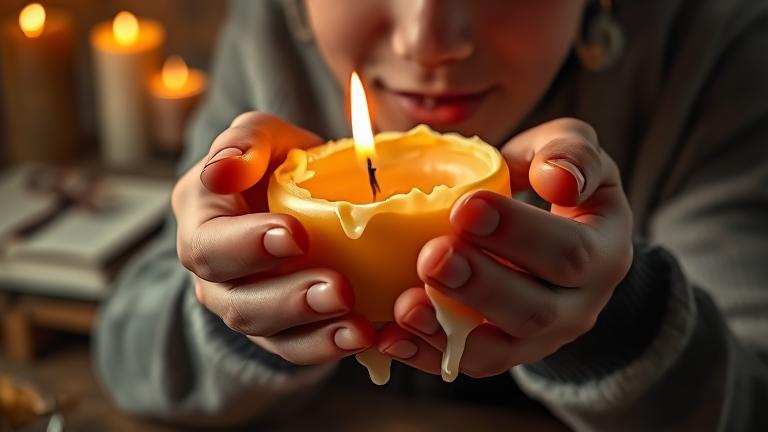
Is Candle Wax Edible? Basic Facts
Many people wonder if candle wax is safe to eat. While candles are made for creating a cozy atmosphere and not for consumption, some curious minds ask whether candle wax is edible. The simple answer is that most candle waxes are not designed to be eaten and can be unsafe if ingested. But to understand why, let’s explore the basic facts about candle wax types and their safety considerations.
Candle wax is typically made from various materials, each with different properties. The most common types are paraffin wax, soy wax, beeswax, and palm wax. Paraffin wax is a petroleum byproduct, which means it isn’t naturally edible and can contain additives or chemicals that are not safe to ingest. Soy wax comes from soybeans and is often considered more natural, but it is still not made for eating. Beeswax is a natural wax produced by bees, and while it is sometimes used in food products like chewing gum, the beeswax in candles is generally processed and might contain residues that aren’t meant for human consumption.
Are All Candle Waxes Safe to Eat?
The short answer is no. Even if some waxes are natural, they are not processed or intended for eating. Ingesting candle wax can cause digestive issues such as stomach upset or constipation. Also, some candles may contain fragrances, dyes, or additives that are not safe to swallow. These ingredients can be irritating or toxic if ingested in any amount. Always remember the purpose of the wax: it’s meant to burn peacefully, not to nourish your body.
Potential Risks of Eating Candle Wax
- Choking hazard: Large pieces of wax can block your airway or cause choking, especially in children.
- Toxic chemicals: Fragrances, dyes, or chemical additives in the wax may be harmful if swallowed.
- Digestive upset: The wax can be difficult for your stomach to process, leading to discomfort or blockage.
When Might Wax Be Edible?
While candle wax should not be eaten, some natural waxes like beeswax are used in food products. For instance, beeswax is sometimes used as a coating on cheeses or in candies like gums. These food-grade beeswax products are processed specifically for human consumption and are quite different from candle wax. Always make sure that any wax you eat is labeled as food-grade and intended for ingestion.
| Wax Type | Use in Candles | Edible? (Yes/No) | Notes |
|---|---|---|---|
| Paraffin | Common | No | Petroleum-based, not safe to eat |
| Soy | Popular eco-friendly | No | Natural but not edible in candle form |
| Beeswax | Natural and pure | Sometimes | Food-grade beeswax is edible, candle beeswax may contain additives |
| Palm | Used in some candles | No | Processed for candles, not for eating |
In summary, while some waxes like beeswax are edible in specific contexts, candle wax used in typical candles is not meant for human consumption. If curiosity strikes, stick to food-grade beeswax or other safe edible options. Always remember, candles are for lighting, not eating!
Health Risks of Eating Candle Wax
Many people might wonder if eating candle wax is harmful. Although candle wax is not meant to be eaten, some might accidentally swallow small pieces or chew on it out of curiosity. It’s important to understand that consuming candle wax can pose several health risks and should generally be avoided.
Candle wax is made from various substances, usually paraffin, beeswax, or soy wax. These materials are not designed for digestion. When ingested, they can cause physical and chemical reactions in your body. Even small amounts of candle wax can lead to problems, especially if ingested repeatedly or in larger quantities.
Potential Health Hazards of Candle Wax Ingestion
- Choking hazard: One of the biggest risks, especially for children, is choking. Candle wax is not meant to be swallowed and can block the airway if it gets lodged in the throat.
- Digestive issues: When you swallow candle wax, your body can’t digest it properly. This can lead to stomach pain, nausea, or vomiting.
- Intestinal blockage: In rare cases, larger amounts of wax may accumulate in the intestines, creating a blockage that might require medical treatment.
- Chemical exposure: Some candles contain additives, fragrances, or dyes. When ingested, these chemicals can irritate your stomach or cause allergic reactions.
Other Concerns to Watch Out For
Besides the immediate physical risks, consuming candle wax can also pose longer-term health concerns. For example, if the wax contains additives or synthetic chemicals, regular ingestion might expose you to potential toxins. These substances could affect your liver or kidneys over time.
People with allergies or sensitivities to fragrances and dyes may experience allergic reactions if they accidentally swallow candle wax containing these ingredients. Symptoms might include skin rashes, difficulty breathing, or an upset stomach.
What To Do if Someone Eats Candle Wax
- If a small piece is swallowed and the person feels okay, monitor for any discomfort or upset stomach.
- If a large amount is swallowed, or if there are signs of choking, difficulty breathing, or persistent pain, seek immediate medical help.
- Do not try to induce vomiting or give them anything to drink unless instructed by a healthcare professional.
Prevention is key. Keep candles out of reach of children, and discourage chewing or ingestion of candle wax. Being cautious helps avoid unnecessary health risks and keeps everyone safe.
How to Identify Edible Candle Wax
If you’re curious about whether a candle wax is edible or food-grade, it’s important to approach this carefully. Not all waxes used in candles are safe to eat, and some can even be harmful. Knowing how to identify the right type of wax can help prevent accidents and ensure your safety.
First, understand that edible candle wax is usually made from food-safe materials like beeswax, certain soy waxes, or other plant-based waxes. Non-edible waxes, such as paraffin or certain synthetic options, contain chemicals that should never go into your mouth. Always check the source of the wax and its intended use before considering consumption.
Check the Label and Packaging
The easiest way to determine if a wax is edible is to look at its packaging. Food-grade waxes are often labeled as such and will include information about their safety for consumption. If the package states “food-grade,” “for culinary use,” or explicitly mentions it is made from beeswax or soy, you can be more confident it is safe to eat in small amounts.
However, if the label is missing or unclear, don’t take chances. Many candle waxes are sold without any indication they are safe to consume. When in doubt, research the specific type of wax or consult the manufacturer’s website.
Visual and Textural Clues
Edible waxes like beeswax have a natural, slightly golden appearance and a firm but pliable texture. They often have a pleasant, natural smell, unlike synthetic candles that may scent with chemicals. Non-edible waxes, especially paraffin or synthetic types, tend to look very smooth and shiny without a natural hue.
Remember, visual clues alone aren’t enough. If the wax looks synthetic or overly glossy, it’s safer to avoid tasting or consuming it.
Test for Food Safety
If you’re still unsure, perform a simple safety check. A good tip is to look for the presence of common edible wax types like beeswax or soy wax. These are generally safe in small quantities. You can also melt a small piece and smell it it should have a faint, natural smell if it’s food-grade.
Be cautious with any wax that has a chemical smell, unusual coloration, or a strange texture. Never taste a wax unless you are 100 percent certain it is food-safe.
Additional Tips for Verifying Wax Safety
- Research the brand or source of your wax online to confirm its intended use.
- Look for certifications or quality seals indicating food safety.
- Avoid waxes with synthetic fragrances, dyes, or chemical additives.
- If you plan to consume small amounts, start with a tiny piece and observe for any adverse reactions.
Quick Safety Chart
| Wax Type | Edible? Yes or No | Common Uses |
|---|---|---|
| Beeswax | Yes | Food coatings, candies, chewing gum |
| Soy Wax | Yes (food-grade) | Food decorations, crafts |
| Paraffin | No | Candles, sealing wax |
| Synthetic Wax | No | Candles, cosmetics |
Remember, safety always comes first. When in doubt, don’t consume any wax that isn’t explicitly labeled as food-safe. When used responsibly, edible waxes can add a decorative touch or even a little flavor to your culinary creations. Stay informed and enjoy your projects safely!
Uses of Candle Wax in Food and Cooking
Candle wax might seem like an unusual ingredient for cooking, but it actually has some interesting and safe culinary uses. When used properly, candle wax can add a unique touch to food presentation, help with food preservation, or even be part of fun kitchen experiments. It’s important to always use food-grade wax if you plan to incorporate it into your culinary creations to ensure safety.
Food Presentation and Garnishes
One popular way candle wax is used in food is for decorative purposes. Chefs often melt and pour a thin layer of beeswax or paraffin wax over fruits, cheeses, or desserts to create an attractive glaze. This wax coating gives a shiny finish and can help preserve freshness for a short time. For example, you might see a cheese wheel coated in a layer of beeswax, which protects it from mold and moisture.
When using wax as a garnish, ensure it’s specifically designed for culinary use. Always remove the wax before eating if it’s not meant to be eaten, but many food-grade waxes are safely edible and add a subtle flavor or shine.
Creating Edible Waxes and Confectionery
Candle wax is sometimes adapted into edible forms like candy coatings or edible decorations. For example, beeswax is naturally edible and has been used in candies like beeswax candies or as part of the coating on some sweets. Similarly, paraffin wax is used in candy making, especially for chocolate coatings, because it melts smoothly and gives a glossy finish.
To try this at home, melt small amounts of food-grade paraffin wax and mix with melted chocolate or other candy ingredients. Always follow recommended safety guidelines, and never use craft wax or wax not labeled as food-safe.
Traditional and Experimental Uses
In some culinary traditions, candle wax has been used in food preservation or as part of ceremonial dishes. For instance, in certain regions, wax-coated cheeses are aged and stored in wax coatings, which help them develop flavor over time.
For the adventurous cook, wax can even be part of experimental dishes. Some chefs create edible wax sculptures or serve candied fruits coated in beeswax for a fancy presentation. These methods require careful handling and knowledge of which waxes are edible and safe to consume.
Safety Tips for Using Candle Wax in Cooking
- Always choose food-grade waxes like beeswax, carnauba wax, or specially prepared paraffin wax for culinary uses.
- Use only small amounts and ensure the wax is fully melted before applying to food to avoid uneven coating or hotspots.
- Never use candle wax from non-food sources such as scented candles or paraffin candles not labeled as food-safe.
- Remove any wax coating before eating if it’s not meant to be eaten. Follow recipe guidance carefully.
In summary, candle wax can add a creative touch to your food if used correctly and safely. Whether for decoration, candy making, or preservation, understanding the types of wax and their appropriate applications opens up fun and safe culinary possibilities.
Nutritional Content of Candle Wax
Candle wax is not something you would eat or include in your diet. In fact, it has no nutritional value at all. While it might seem interesting to consider what’s inside candle wax, it’s important to remember it is designed for burning, not for nourishment.
Most candle waxes are made from ingredients like paraffin, beeswax, soy wax, or palm wax. These are all types of hydrocarbons or fats, but they are processed in a way that makes them unsuitable for consumption. They don’t contain vitamins, proteins, minerals, or any other nutrients necessary for human health.
What’s in Candle Wax?
| Component | Typical Content |
|---|---|
| Paraffin Wax | Pure hydrocarbons, mainly long-chain alkanes |
| Beeswax | Esters, fatty acids, and hydrocarbons |
| Soy Wax | Fatty acids, triglycerides, and other plant-based compounds |
| Palm Wax | Long-chain fatty acids and hydrocarbons |
While these components are chemically similar to fats found in foods, they are highly processed and contain no digestible nutrients. Eating candle wax doesn’t provide calories, vitamins, or minerals, and trying to consume it can be harmful.
Does Candle Wax Have Any Dietary Value?
In short, no. Candle wax is not edible and does not contribute any dietary value. Consuming it could cause intestinal discomfort, or worse, blockages. It might contain additives or dyes that are not safe for ingestion.
If you accidentally swallow a small amount, don’t panic. Usually, it will pass through your system without causing harm. Still, it’s a good idea to contact a healthcare provider if you experience any unusual symptoms or if a large amount has been ingested.
Summary of Nutritional Role
- Candle wax is made from processed hydrocarbons or plant fats, but is not a food.
- It contains no vitamins, minerals, or calories relevant to human nutrition.
- Thinking of candle wax as food or dietary source is a misconception.
- Always keep candle wax away from children and pets to prevent accidental ingestion.
In conclusion, candle wax is strictly for lighting purposes. It has no place in your diet and provides no nutritional benefits. When managing kitchen safety, remember to store candles out of reach and dispose of wax leftovers properly. Your health is best served by eating foods designed for human consumption and avoiding anything that isn’t meant to be eaten.
Safety Tips for Candle Wax Consumption
While candle wax is generally meant for decorative purposes and not for eating, some people wonder if it is safe to consume candle wax. If you are considering trying it, it’s important to know the safety precautions and best practices to avoid health risks. In this guide, we’ll cover key safety tips for candle wax consumption, including how to identify the right types of wax and how to handle them properly.
Understand the Risks and Precautions
Candle wax is not designed to be edible. Many types contain additives, dyes, or fragrances that may be harmful if ingested. Some waxes, especially paraffin, can release toxins when heated or consumed. Always remember, it is safest to avoid eating candle wax unless it is specifically made for consumption, such as certain edible decorative waxes used in candies or desserts.
If you still choose to consume candle wax, do so cautiously and in moderation. Be aware of any allergic reactions or sensitivities. Also, keep in mind that consuming wax may cause digestive discomfort, such as stomach upset or obstruction. If you experience any adverse symptoms, seek medical attention promptly.
Proper Identification of Edible vs. Non-Edible Wax
Not all waxes are created equal. Before considering any candle wax for consumption, check its type thoroughly. The most common candle waxes include:
- Paraffin Wax: A petroleum byproduct, not safe to eat.
- Beeswax: A natural wax produced by bees, generally regarded as safe and sometimes used in food products.
- Soy Wax: Made from soybean oil, usually safe but check for added ingredients.
- Candelilla and Carnauba Waxes: Plant-based, safe for certain edible applications.
If the wax is not labeled as food-grade or edible, do not consume it. When in doubt, consult reliable sources or a healthcare professional. Remember, many candle waxes are not intended for ingestion and may contain chemicals or toxins not suitable for eating.
Recommended Practices for Safe Handling
To stay safe, follow these practical tips:
- Only consume wax that is explicitly labeled as edible or food-grade.
- Avoid any wax that contains dyes, synthetic fragrances, or additives unless confirmed safe.
- Start with a very small amount if you decide to try eating wax, such as a tiny piece or a small sample.
- Do not heat the wax excessively or burn it, as this can release harmful fumes.
- Store candle wax away from children and pets to prevent accidental ingestion.
When to Avoid Candle Wax Consumption
Despite curiosity, it is best to avoid consuming candle wax entirely if:
- It has any synthetic dyes or fragrances.
- You are unsure of the wax’s origin or safety.
- It is not labeled as food-safe or edible.
- You experience any negative reactions after trying to consume it.
Choosing safety first is always the best approach when it comes to products not intended for eating. If you want to enjoy wax in a edible form, consider using specially made edible waxes intended for desserts or candies. These are designed to be safe and delicious.
Remember, the key to safe candle wax consumption is proper identification, moderation, and caution. When in doubt, consult a healthcare professional to ensure your safety. Enjoy exploring new food experiences responsibly!
Final Thoughts and FAQs
Eating candle wax might sound unusual, but some people do it out of curiosity or traditional practices. While it’s generally not harmful in small amounts, it’s important to understand the facts and avoid misconceptions. Candle wax is made from different materials, such as paraffin, beeswax, soy wax, or palm wax, each with varying safety levels.
Most candle waxes are non-toxic if ingested accidentally, but they aren’t meant to be eaten regularly. Consuming large quantities can lead to digestive discomfort or blockages, especially if the wax contains added scents or dyes. If you or someone else has swallowed a small piece of wax, it’s usually harmless, but it’s good to stay cautious and consult a healthcare professional if you experience symptoms like stomach pain, nausea, or vomiting.
Key Points to Remember
- Small amounts of candle wax are generally safe if ingested accidentally, but they are not meant to be eaten.
- Avoid eating candles that contain synthetic dyes or fragrances, as these can cause irritation or allergic reactions.
- Always supervise children around candles to prevent accidental ingestion of wax or other candle components.
- In case of ingestion, monitor for symptoms and seek medical advice if needed.
- Don’t rely on candle wax as a food source or treat it’s best used for lighting and decoration.
Common Questions
| Question | Answer |
|---|---|
| Is candle wax safe to eat? | In small quantities, candle wax is generally non-toxic. However, it is not designed as food, so it’s best to avoid eating it intentionally. |
| Can eating candle wax be harmful? | Eating large amounts may cause digestive issues or blockages. Be cautious if you notice any symptoms and consult a doctor if needed. |
| What if a child or pet swallows some candle wax? | Stay calm and watch for any signs of discomfort or choking. Contact your healthcare provider or veterinarian for guidance, especially if symptoms occur. |
| Are scented candles more dangerous to ingest? | Scented candles may contain chemicals or fragrances that could irritate the stomach or cause allergic reactions. It’s better to avoid ingestion of scented wax. |
| How should I dispose of leftover candle wax? | Pour cooled wax into a non-stick container, let it set, then throw it away with regular trash. Never pour hot wax down the drain. |
Remember, candle wax is meant for lighting, not eating. By understanding the basics and following simple precautions, you can enjoy candles safely and prevent any unnecessary mishaps.