
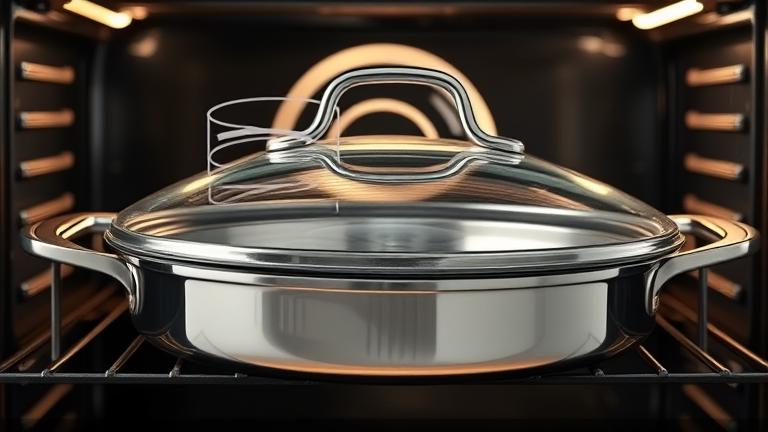
Are Calphalon Glass Lids Oven Safe?
If you own Calphalon cookware, you might wonder if the glass lids that come with some sets are safe to use in the oven. Calphalon is a popular brand known for durable pots and pans, often featuring glass lids that allow you to keep an eye on your food. But before you crank up the heat, it’s important to know whether these lids can handle the oven environment.
Typically, Calphalon glass lids are made from tempered glass, which is designed to be strong and resistant to heat. However, not all glass lids are created equally. Some models include plastic or silicone parts like knobs or rims that are not oven safe. So, the key question is whether the entire lid, including the handle, can withstand oven temperatures without melting or cracking.
In general, many Calphalon glass lids are oven safe up to a certain temperature, often around 350°F to 400°F. This means you can use them for finishing dishes in the oven or for covering pots during baking. But it is crucial to check the specific model and manufacturer’s instructions before doing so. Different lids may have different heat tolerances, and ignoring these limits can lead to breakage or safety hazards.
Understanding the Materials & Safety Tips
The glass part of Calphalon lids is usually made from tempered borosilicate or soda-lime glass. Tempered glass is specifically designed to withstand sudden temperature changes and is safer than regular glass, which can shatter if heated unevenly.
That said, other components like knob handles might be made of plastic, silicone, or metal. Plastic knobs are almost always not oven safe, so they should be removed before placing the lid in the oven. If your lid has a metal handle, it is more likely to be oven safe, but it’s best to double-check.
Here are some practical safety tips when considering oven use for your Calphalon glass lids:
- Always confirm the maximum oven temperature listed by the manufacturer.
- Remove any plastic or silicone parts that are not explicitly marked oven safe.
- Never expose the lid to direct heat sources like a stovetop or broiler unless specified.
- Allow the lid to cool gradually after oven use to prevent thermal shock that could cause cracking.
Summary
| Material | Oven Safe Temperature | Tips |
|---|---|---|
| Tempered Glass | Up to 350°F – 400°F | Check manufacturer guidelines; avoid direct flame. |
| Plastic or Silicone Handles | Usually not oven safe | Remove before oven use if necessary. |
Always consult the specific product details that came with your Calphalon lids. Following safety tips not only protects your cookware but also keeps your kitchen safe. When in doubt, it’s best to use the lids as covers during stovetop cooking and avoid putting the entire lid in the oven. That way, you’ll enjoy your cooking adventures without any surprises!
FAQs About Oven-Safe Glass Lids
Can I put my glass lid in the oven?
Many glass lids are designed to withstand oven heat, but it’s important to check the manufacturer’s instructions first. Usually, oven-safe glass lids can handle temperatures up to 350°F or 400°F. If your lid is labeled as oven-safe, you can use it in the oven without worries. However, if you’re unsure or if the lid has plastic parts or metal handles not intended for oven use, it’s best to avoid placing it in the oven.
What temperature limits should I keep in mind?
Oven-safe glass lids typically tolerate temperatures between 350°F and 400°F. Always look for the specific temperature limit printed or listed by the manufacturer. Pushing a glass lid past its safe temperature can cause it to crack or shatter. If you’re planning to cook at high heat, such as searing or roasting, double-check that your lid is rated for such temperatures. When in doubt, it’s safer to remove the lid before reaching high heat or use a different, oven-safe cookware.
How do I safely handle and use oven-safe glass lids?
Always use oven mitts when handling hot glass lids to protect your hands from burns. When removing a hot lid from the oven, be cautious as the glass and metal parts can be very hot. Place the lid on a heat-resistant surface and avoid sudden temperature changes, which can cause the glass to crack so don’t pour cold water on a hot lid. Use proper tools, and always follow the manufacturer’s safety guidelines for your specific lid.
Can plastic or metal handles affect oven safety?
Yes, not all handles are suitable for oven use. Plastic handles may melt or deform if exposed to high temperatures. Metal handles are generally oven-safe, but check their material and the manufacturer’s instructions. If the handles are plastic or if you’re unsure, it’s best to remove the lid carefully and avoid placing it in the oven. Some lids have removable handles, which can make oven use safer and more convenient.
What are some safety tips for using oven-safe glass lids?
- Always check the manufacturer’s guidelines before using in the oven.
- Use oven mitts or pot holders when handling hot lids.
- Avoid sudden temperature changes to prevent cracking or shattering.
- Place hot lids on heat-resistant surfaces only.
- Don’t exceed the recommended temperature limit listed by the manufacturer.
How should I clean and store oven-safe glass lids?
Let the lid cool completely before cleaning. Hand wash with warm, soapy water, or check if dishwasher safe. Avoid abrasive cleaners or scrubbers that can scratch the glass. Store the lid carefully to prevent chipping or breaking, preferably in a padded or cushioned area. Proper care helps maintain the safety and clarity of your oven-safe glass lids for years to come.