
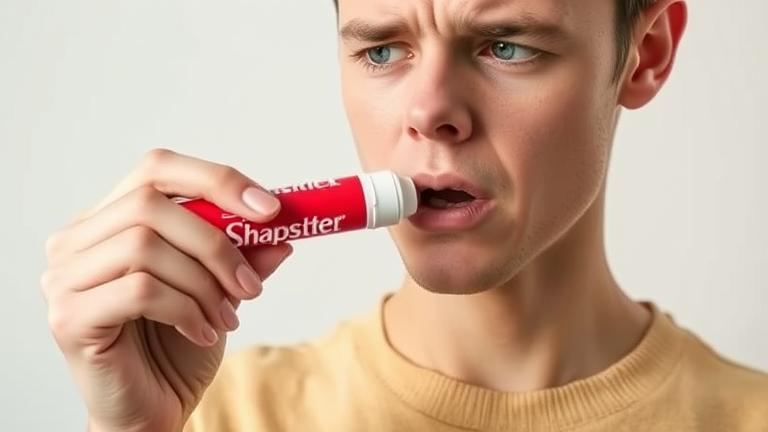
Is Eating Chapstick Dangerous?
Many people wonder if it’s okay to accidentally swallow a small amount of chapstick or lip balm. While it might seem harmless to lick your lips and end up ingesting a tiny bit of the product, eating chapstick regularly or in large amounts can sometimes pose health risks. Understanding these dangers can help you make better choices about using and handling lip balm.
Most chapsticks are made with a mix of waxes, oils, and fragrances designed to stay on your lips. These ingredients are generally safe for topical use. However, swallowing them regularly can lead to issues. The primary concern is that ingesting large amounts may upset your stomach or cause digestive discomfort. This is especially true if the chapstick contains certain ingredients like fragrances or flavorings that are not meant to be eaten.
What Are the Risks?
While occasional accidental swallowing usually isn’t dangerous, there are some factors to consider. For example, some lip balms contain ingredients like petrolatum, parabens, or camphor. Consuming these in excess can lead to symptoms like nausea, vomiting, or stomach aches. Rarely, ingesting large quantities can cause a blockage in the digestive system, especially in young children who may swallow a whole tube of chapstick.
| Ingredient | Potential Risk When Swallowed |
|---|---|
| Petrolatum (Vaseline) | Generally safe in small amounts; large quantities may cause stomach upset |
| Flavorings and Fragrances | Can cause allergic reactions or stomach issues if ingested in large amounts |
| Camphor | Poisonous if ingested in significant quantities, can cause nausea, dizziness, or more serious symptoms |
Factors That Influence Safety
The safety of eating chapstick depends on several factors. Age is a big one; young children are more vulnerable because they might swallow a whole tube or larger chunks, leading to choking or poisoning. The amount swallowed also matters. Eating a tiny bit accidentally is usually not a problem, but intentionally consuming more can be risky.
Another factor is the ingredients in your chapstick. Natural, fragrance-free products are often less problematic. Always check the label if you’re concerned, especially if you have allergies or sensitivities. If you notice any signs of discomfort after swallowing chapstick, such as stomach pain or allergic reactions, consult a healthcare professional promptly.
Tips for Safe Use
- Keep chapstick out of reach of children, preventing accidental ingestion.
- Use only as directed: apply to lips and avoid eating or licking excessively.
- If you swallow a small amount unintentionally, monitor how you feel and drink water if needed.
- Choose products with simple, natural ingredients if you’re worried about ingestion risks.
In summary, while swallowing a tiny amount of chapstick once in a while isn’t typically dangerous, regularly eating or large quantities can cause health issues. Pay attention to the ingredients, keep products away from children, and use lip balms responsibly for safe and healthy lips.
Common Ingredients in Lip Balm
When making or choosing a lip balm, it’s helpful to know what ingredients are typically involved. Understanding these components can help you assess their safety and consider any possible risks if accidentally ingested. Most lip balms contain a mix of moisturizers, emollients, and sometimes added scents or flavors. Here’s a breakdown of the most common ingredients you’ll find in many lip balms.
Base and Moisturizing Ingredients
The foundation of any good lip balm is its moisturizing components. These ingredients help protect the delicate skin on your lips and keep them soft. Common base ingredients include beeswax, shea butter, cocoa butter, and coconut oil.
- Beeswax: This natural wax forms a protective barrier on the lips, sealing in moisture. It also has some anti-inflammatory properties. Beeswax is non-toxic but should be used in moderate amounts if you’re allergic to bee products.
- Shea Butter: Derived from nuts, shea butter is rich and nourishing. It’s excellent for repairing chapped lips and is generally safe, but people with nut allergies should be cautious.
- Cocoa Butter: Similar to shea, cocoa butter smooths and hydrates lips. It’s well-loved for its rich texture and scent.
- Coconut Oil: Known for its moisturizing and antimicrobial benefits, coconut oil adds a velvety feel to lip balms. It’s safe for most people but can cause allergies in some individuals.
Emollients and Protective Agents
Emollients help soften lips and improve their overall texture. They often also act as carriers for other ingredients. Some of the common emollients include petroleum jelly, mineral oil, and lanolin.
- Petroleum Jelly: Also called petrolatum, this ingredient creates a waterproof barrier that prevents moisture loss. It is safe for most, but some prefer natural options due to concerns about processing.
- Mineral Oil: Derived from petroleum, it provides a smooth feel and helps lock in moisture. Some people prefer to avoid it, opting for plant-based oils instead.
- Lanolin: A natural wax from sheep’s wool, lanolin is highly effective at moisturizing but can cause allergic reactions in sensitive individuals.
Flavorings, Scents, and Colorants
Many lip balms include flavorings and scents for a pleasant taste and aroma, making the application more enjoyable. These can be natural, like vanilla or peppermint, or artificial. Colorants are added for aesthetic appeal, often in the form of mineral pigments.
- Flavorings and Scents: Common choices are vanilla, peppermint, or citrus. Natural options tend to be safer, especially if you have sensitive skin.
- Colorants: Usually in tiny amounts, colorants can include mica or other mineral-based pigments. While generally safe, some synthetic dyes might cause sensitivities.
Important Safety Tips
While most ingredients are safe for external use, accidental ingestion can happen. Always check ingredient labels if you have allergies or sensitivities. If you’re making lip balm at home, stick to reputable sources for your ingredients and avoid products with questionable additives. If you notice redness, irritation, or allergic reactions, discontinue use immediately.
Knowing the common ingredients in lip balm helps you choose or create products that are both effective and safe. Whether you prefer natural, organic options or store-bought brands, being informed empowers you to make the best choices for your lips.
Health Risks of Ingesting Chapstick
Many people wonder what happens if they accidentally swallow a bit of chapstick. While it might seem harmless, ingesting chapstick can pose several health risks that are important to understand. Usually, chewing or swallowing small amounts of lip balm doesn’t cause serious harm, but it’s still good to be aware of potential problems.
One common concern is allergic reactions. Some chapsticks contain ingredients like fragrances, dyes, or certain preservatives that can trigger allergies in sensitive individuals. Signs of an allergic reaction include itching, swelling, or redness around the lips or even itching inside the mouth. In rare cases, a more serious reaction can involve difficulty breathing or swelling of the throat, which requires immediate medical attention.
Gastrointestinal Concerns
Swallowing chapstick regularly or in large quantities can lead to gastrointestinal issues. The ingredients in lip balm are not meant to be eaten, and ingesting them can cause minor stomach upset or nausea. In some cases, the waxy nature of the balm can cause discomfort or even blockages in the digestive system, especially if consumed in excess.
Chapsticks often contain petroleum jelly or paraffin, which are generally considered safe for external use but can cause problems if ingested in large amounts. If someone swallows a significant amount of lip balm, they might experience stomach pain, vomiting, or diarrhea. While these symptoms are usually temporary, repeated ingestion can cause concerns over accumulation of these substances in the body.
Potential Toxicity
Although most store-bought chapsticks are formulated to be safe for skin contact, ingestion of certain ingredients can pose risks. For example, some lip balms contain flavorings, essential oils, or alcohols, which might be toxic if eaten in large quantities. Children are especially vulnerable to accidental ingestion because they often put objects in their mouths.
If a large amount of chapstick is swallowed, it’s best to seek medical advice. Never try to induce vomiting unless instructed by a healthcare professional. In most cases, simply drinking plenty of water helps to dilute the substances. However, if symptoms like persistent nausea, vomiting, or abdominal pain occur, professional medical help is necessary.
Tips for Safe Use and Handling
- Keep chapsticks out of reach of children to prevent accidental ingestion.
- Use chapstick only as intended, on the lips, and not in the mouth or around the face in a way that could lead to swallowing.
- If you or someone else swallows a significant amount, monitor for symptoms and contact a healthcare provider.
- Read ingredient labels if you have allergies or sensitivities to certain substances.
In summary, while a small accidental taste of chapstick isn’t usually dangerous, swallowing larger amounts can cause allergic reactions, stomach upset, or other health issues. Being cautious and knowing what to do in case of ingestion can help prevent complications and ensure safety.
What to Do If You Swallow Lip Balm
If you or someone else accidentally swallows lip balm, it’s natural to feel worried. Lip balm or chapstick is designed to be applied to the lips, but accidentally swallowing a small amount usually isn’t cause for panic. Still, it’s important to know what steps to take to stay safe and when to seek medical help.
First, stay calm. Most lip balms contain ingredients like beeswax, petroleum jelly, or flavorings that are not toxic in small quantities. If only a tiny amount was swallowed, gurgle some water to help rinse the mouth and swallow the liquids.
Next, monitor the person for signs of trouble. Common symptoms of ingestion might include nausea, stomach upset, or a slight tummy ache. These usually resolve on their own within a short time. However, if the person shows any of the following symptoms, seek medical attention immediately:
- Persistent vomiting or difficulty swallowing
- Severe stomach pain
- Unusual drowsiness or confusion
- Breathing difficulties
- Allergic reactions like swelling of the lips, face, or throat
If a large amount has been swallowed or if you’re unsure about the ingredients, contact your local poison control center or consult a healthcare professional. Keep the container or packaging handy to share ingredient information with medical staff.
In most cases involving small accidental ingestions, there’s no need for aggressive treatment. However, it’s good to do the following:
- Offer sips of water if the person can swallow safely. This can help dilute the ingestion and soothe the throat.
- Do not induce vomiting unless advised by a healthcare professional.
- Avoid giving any medication or remedies without medical approval.
Here is a quick reference table for typical situations:
| Scenario | Action |
|---|---|
| Small amount swallowed, no symptoms | Offer water and watch for any signs of discomfort. Usually, no treatment needed. |
| Large amount swallowed or symptoms appear | Seek emergency medical help or call poison control immediately. |
| Uncertain about ingredients or allergic reactions | Contact a healthcare professional for advice. |
Finally, remember to keep lip balm out of reach of children to prevent future accidents. Handling the situation calmly and promptly can often resolve the issue safely. When in doubt, always consult a health expert to ensure safety.
Signs You Might Be Sick
Swallowing a small amount of chapstick is usually not a big deal, but sometimes it can cause discomfort or health concerns. Knowing the signs that suggest you might be sick or need medical help can keep you safe and feeling better faster. It’s important to pay attention to how your body reacts after swallowing chapstick or other non-food items.
Common Symptoms to Watch For
If you’ve swallowed chapstick and start feeling any of these symptoms, it’s a good idea to seek medical advice. Mild discomfort like a sore throat or minor nausea can happen occasionally, but persistent or worsening symptoms should not be ignored.
- Difficulty swallowing: Feeling as if food or liquids are getting stuck can indicate a blockage or irritation in your throat or esophagus.
- Severe abdominal pain: Sharp or persistent stomach pain might suggest the chapstick is irritating your digestive tract or causing an obstruction.
- Vomiting or dry heaving: If you vomit and see chapstick or it looks like it’s still inside your stomach, seek help.
- Persistent nausea: Feeling sick for a long time after swallowing chapstick can be a sign of irritation or a blockage that needs attention.
- Bleeding: Blood in your saliva or vomit is a serious sign that you should see a healthcare professional immediately.
- Unusual allergic reactions: Swelling of the lips, tongue, or face, or difficulty breathing can happen if you are allergic or sensitive to some ingredients.
When to Contact a Healthcare Professional
If you notice any of these signs, or if you’re unsure, it’s best to consult a healthcare professional. Even if symptoms are mild, talking to a doctor can give you peace of mind. Here are some specific cases where seeing a doctor is strongly recommended:
- You experience ongoing pain or discomfort after swallowing chapstick.
- You can’t swallow liquids or foods at all.
- You vomit blood or see blood in your stool.
- You develop a fever or chills along with other symptoms.
- You notice swelling in your face, lips, or throat which could indicate an allergic reaction.
Tips to Stay Safe
- If you accidentally swallow chapstick, drink plenty of water to help it move through your digestive system.
- Avoid trying to force vomit, as this can cause more irritation or injury.
- Keep the chapstick container nearby so you can show your healthcare provider what was ingested.
- Stay calm. Most small amounts of swallowed non-food items pass through your system without complications.
Remember, if you’re ever in doubt or if symptoms worsen, it’s best to reach out to a healthcare professional promptly. Your health comes first, and timely help can make a big difference.
Tips for Safe Lip Balm Use
Using lip balm safely is important to avoid any accidental ingestion or possible harm. While lip balm is generally safe when used properly, a few simple practices can help protect you and your loved ones, especially children. Here are some practical tips to make sure your lip balm routine stays safe and enjoyable.
Choose the Right Lip Balm
Select lip balms made with natural, non-toxic ingredients. Look for products without harmful chemicals, artificial fragrances, or dyes. If you have children, opt for specifically formulated kids’ lip balms that are designed to be safer if accidentally swallowed.
Apply with Clean Hands or a Clean Applicator
Always wash your hands before applying lip balm to maintain good hygiene. Alternatively, use a clean applicator or a fresh squeeze tube. This helps prevent bacteria from transferring onto the balm and reduces the risk of infections.
Avoid Over-application
Applying too much lip balm can increase the chance of small amounts being accidentally ingested. Use just a small amount to keep your lips moisturized. Remember, less is often more when it comes to lip care.
Keep Lip Balm Out of Reach of Children
Store lip balm in a safe place, away from children’s reach. Kids might be curious and accidentally swallow a tube or squeeze out too much. Keep it in a drawer or a high shelf where they cannot access it easily.
Be Mindful During Storage and Transportation
When carrying lip balm in your bag or pocket, make sure the cap is securely closed. This prevents leaks, spills, and accidental squeezes. Also, avoid leaving lip balm in hot places like a car dashboard, as heat can alter the ingredients or cause the container to leak.
Watch for Allergic Reactions
Pay attention to how your lips respond to a new lip balm. If you notice redness, swelling, or irritation, stop using it immediately. Some ingredients can cause allergies, so always check the label before trying a new product.
Understand the Risks of Ingesting Lip Balm
While small amounts of lip balm are generally safe, ingesting large quantities can be harmful. Lip balms often contain ingredients like menthol, camphor, or essential oils that can be toxic if swallowed in large amounts. If you or someone else swallows a significant amount, contact a healthcare provider or poison control for advice.
Follow Usage Instructions
Always read and follow the manufacturer’s instructions for use. Some lip balms may have specific warnings or recommended quantities for application. Using the product as directed helps ensure safety and effectiveness.
Know When to Discontinue Use
If your lips become chapped, irritated, or if you notice any adverse reactions, stop using the lip balm. Sometimes, ingredients can cause sensitivities or allergies over time. Revisit the ingredient list or consult a dermatologist if needed.
By following these simple tips, you can enjoy soft, moisturized lips without worries. Remember, safety is key when it comes to personal care products. With a little caution, lip balm can be a safe and effective part of your daily routine.
Expert Advice on Lip Balm Safety
Many people love using lip balm to keep their lips soft and hydrated, but it’s important to understand the safety tips and potential risks associated with it. While lip balm is generally safe for topical use, consuming it or using it improperly can lead to health concerns. In this guide, we’ll share expert opinions and practical advice to help you use lip balm safely and avoid common dangers.
Understanding the Risks of Lip Balm Consumption
Some ingredients in lip balms can be harmful if swallowed in large amounts. For example, products containing ingredients like xylitol, certain essential oils, or artificial fragrances may cause stomach upset or allergic reactions if accidentally ingested. While occasional licking or swallowing small amounts of lip balm usually isn’t dangerous, frequent or large quantities can be problematic.
Another concern is the presence of certain chemicals or preservatives that may irritate your lips or skin. Always check the label and choose products that are free from questionable ingredients, especially if you tend to lick your lips often.
Expert Recommendations for Safe Use
- Apply sparingly and avoid ingestion: Use only a small amount of lip balm at a time and try not to lick your lips excessively. This reduces the risk of swallowing too much product.
- Read labels carefully: Opt for products with natural ingredients. Avoid those with parabens, artificial dyes, or synthetic fragrances if you are sensitive or prone to allergies.
- Keep lip balm out of reach of children: Since kids might accidentally swallow larger amounts or mistake the balm for food, store it away from their reach.
- Discontinue use if irritation occurs: If your lips become red, swollen, or irritated after using a particular product, stop immediately and consult a healthcare professional.
Common Mistakes and How to Avoid Them
One common mistake is reapplying lip balm too often throughout the day. While it’s tempting to keep lips moisturized, overuse can lead to dependency, where your lips stop producing their natural oils. To prevent this, limit applications to when your lips feel dry or chapped.
Another mistake is sharing lip balm with others. This can transfer bacteria and increase the risk of infections like cold sores. Always use your own tube or stick and wash hands beforehand for added safety.
Helpful Tips for Safe Lip Balm Use
- Choose lip balms with SPF to protect your lips from sun damage.
- Swapping to natural or homemade lip balms can reduce exposure to questionable ingredients.
- Check expiration dates regularly and replace old products, as ingredients can degrade over time.
By following these expert tips, you can enjoy the benefits of lip balm while minimizing any health risks. Remember, moderation and reading labels are key to safe and effective lip care.