
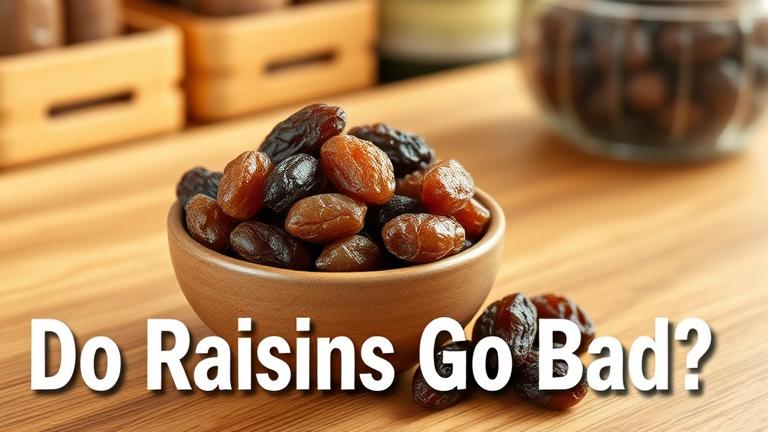
Do Raisins Last Forever?
Many people wonder if raisins can last forever in the pantry. The truth is, raisins do not have an indefinite shelf life. Even though they are dried fruit and naturally have a long shelf life, they can eventually spoil or lose quality over time. Understanding how long raisins stay good and what affects their longevity can help you keep them fresh and delicious for as long as possible.
Raisins are dried grapes, and the drying process removes most of the moisture. Less moisture means fewer places for bacteria or mold to grow. That’s why raisins can last quite a while if stored properly. However, they are still vulnerable to factors like air, heat, light, and moisture. These elements can cause raisins to spoil, become hard, or change taste and texture.
How Long Do Raisins Last?
| Storage Method | Duration | Tips |
|---|---|---|
| Pantry (cool, dark place) | 6 months to 1 year | Keep in an airtight container away from direct sunlight and heat. |
| Refrigerator | 1 year or more | Refrigeration helps extend freshness if you buy in bulk or keep them for a long time. |
| Freezer | up to 2 years | Use airtight packaging to prevent freezer burn and maintain flavor. |
Always check raisins before eating if they have been stored for a long time. Look for signs of spoilage such as an off smell, mold, or unusual color. If they look or smell strange, it’s safest to discard them.
Factors That Affect Raisin Shelf Life
- Moisture: Excess moisture can cause mold growth or make raisins spoil faster.
- Temperature: Warmth speeds up deterioration, so storing raisins in a cool, dark place is best.
- Light: Exposure to light can degrade their quality and flavor over time.
- Packaging: Airtight containers prevent air and moisture from getting in, keeping raisins fresh longer.
To keep raisins fresh, always reseal the package tightly, store them in a cool, dark pantry, or consider moving them to the fridge if you don’t plan to use them soon. Keep in mind that even if raisins look fine, they may lose some of their flavor and sweetness after a year or more.
Conclusion
While raisins do not last forever, with proper storage, they can stay tasty and safe to eat for quite a long time. Most dried fruits are shelf-stable if kept in the right conditions, but always check for signs of spoilage before consuming. When in doubt, trust your senses. If they smell funny, look moldy, or taste off, it’s best to toss them and get a fresh batch. Proper storage ensures that your raisins will remain a sweet and healthy snack for months to come!
How to Tell If Raisins Are Bad
Raisins are a popular snack and baking ingredient, but like all dried fruits, they can go bad over time. Learning how to spot spoiled or rancid raisins helps you keep your food safe and enjoy fresh-tasting recipes. Luckily, checking their quality is simple and doesn’t take much time.
When examining raisins, look for a few key signs that indicate they might be past their prime. Paying attention to their appearance, smell, and texture will guide you in making the right call. Let’s go through each one so you can confidently assess your raisins.
Visual Cues
- Color Changes: Fresh raisins usually have a rich, dark brown or golden hue. If they appear overly dark, dull, or have uneven coloring, it could be a sign of spoilage. White or grayish coating may indicate mold or contamination.
- Presence of Mold or Fungus: Any fuzzy patches, mold spots, or streaks on the surface mean it’s best to toss the raisins. Mold not only ruins the taste but can also cause health issues.
- Cracks or Breakage: Examine the raisins for cracks or shriveled, overly dry appearances. While slightly shriveled raisins are normal, if they look excessively dry or broken apart, they might be old or dried out too much.
Smell
Take a quick sniff of your raisins. Fresh raisins should smell sweet and fruity. If you notice a sour, rancid, or off-putting odor, it’s a red flag that they are no longer good.
Rancid smells indicate that the natural oils in the raisins have gone bad. This can happen if they’ve been stored improperly or for too long. Trust your nose it’s a reliable way to detect spoilage before even tasting.
Texture and Feel
- Stickiness: Squeezing a raisin gently should reveal a soft, plump texture. If they feel overly sticky, greasy, or become hard and brittle, they might be stale or rancid.
- Moisture Level: Raisins should be somewhat chewy but not slimy. Excessive dryness or a crumbly feel suggests they are old. Conversely, if they are slimy or overly moist, mold or fermentation could be present.
Storage and Shelf Life Tips
| Storage Method | Typical Shelf Life |
|---|---|
| Sealed container in a cool, dark place | 6 to 12 months |
| Refrigerated in an airtight container | Up to 1 year |
| Frozen for long-term storage | More than a year |
Always store raisins in an airtight container to prevent moisture and air from spoiling them. Check them periodically for any signs of spoilage, especially if they’ve been stored for a while.
Remember, when in doubt, it’s safest to discard questionable raisins. Eating spoiled dried fruit can lead to stomach upset or other health issues. With a quick visual, smell, and texture check, you can enjoy your raisins safely every time!
Signs Raisins Have Gone Bad
Raisins are a popular snack and baking ingredient, but like all dried fruits, they can spoil over time. Recognizing the signs that raisins have gone bad helps you avoid eating spoiled food and ensures your recipes turn out great. Keep an eye out for these common indicators to determine if your raisins are still good to use or if it’s time to toss them.
Changes in Appearance
Fresh raisins should look plump and moist, with a shiny surface. If you notice that they have become shriveled, dry, or appear overly hard, it could be a sign they are past their prime. Mold growth is another red flag. If you see any fuzzy white, green, or black spots on the raisins, discard them immediately. Sometimes, the color may also darken or become uneven, which indicates deterioration.
Unpleasant Smell
Give your raisins a sniff before using. Fresh raisins have a mildly sweet aroma. If they emit a sour, musty, or off-putting odor, they are likely spoiled. The smell is a quick and easy way to detect spoilage because mold or bacterial growth often produces a foul or sour scent that’s hard to miss.
Taste and Texture Changes
If your raisins pass the appearance and smell test but you’re still unsure, taste a small piece. Spoiled raisins taste sour, bitter, or otherwise off. The texture might also be different: if they feel excessively sticky or slimy, it’s best to throw them out. Remember, if you suspect spoilage, avoid eating large amounts just to be certain. It’s better to be safe and discard suspect raisins.
Storage Time and Conditions
Keeping raisins fresh depends on proper storage. Typically, sealed raisins stored in a cool, dark, and dry place can last for about six months. In the refrigerator, they stay good for up to a year. If raisins have been stored beyond these periods, it’s more likely they will spoil. Always check the expiration date on the packaging and store them in an airtight container to prevent moisture and pests.
Tips to Extend Raisin Freshness
- Store raisins in an airtight container in a cool, dark place or the refrigerator.
- Avoid exposing raisins to high humidity or heat, which speeds up spoilage.
- If you see a small amount of mold, discard the entire package. Do not attempt to salvage moldy raisins.
Summary
Being able to identify when raisins have gone bad protects your health and improves your cooking. Keep an eye out for changes in appearance, smell, or taste. Use your senses and proper storage practices to enjoy fresh, delicious raisins every time. When in doubt, it’s safer to throw out questionable raisins and start with a fresh batch.
Nutritional Benefits of Raisins
Why Raisins Are a Healthy Snack
Raisins are tiny, sweet dried grapes that pack a powerful punch of nutrients. They are a convenient and tasty way to boost your daily intake of essential vitamins and minerals. Including raisins in your diet can contribute to overall health and well-being.
One of the main benefits of raisins is their high antioxidant content. These antioxidants help fight free radicals in your body, which can cause cell damage. Eating raisins regularly may support your immune system and promote healthier skin and tissues.
Rich Source of Fiber and Natural Sugars
Raisins are rich in dietary fiber, which aids digestion and helps maintain regular bowel movements. Fiber is also good for controlling blood sugar levels and keeping you feeling full longer, making raisins a smart choice for weight management.
They contain natural sugars like glucose and fructose, providing a quick energy boost. Unlike processed candies, raisins offer this energy naturally with no added sugars. This makes them a healthier alternative for a quick snack or a midday pick-me-up.
Essential Vitamins and Minerals
Eating raisins provides important nutrients such as iron, potassium, calcium, and B vitamins. Iron is vital for making red blood cells, helping prevent anemia. Potassium supports healthy blood pressure and heart function. Calcium is key for strong bones and teeth.
Here’s a quick look at the typical nutrient content in a small serving of raisins (about 1 ounce or 28 grams):
| Nutrient | Amount per serving |
|---|---|
| Calories | 85 |
| Carbohydrates | 22 grams |
| Dietary Fiber | 1.6 grams |
| Sugar | 17 grams |
| Iron | 0.2 milligrams |
| Potassium | 219 milligrams |
| Calcium | 17 milligrams |
Tips for Including Raisins in Your Diet
- Add raisins to oatmeal or yogurt for a naturally sweet flavor.
- Mix them into trail mixes or salads for extra texture and nutrition.
- Use raisins in baking, like muffins or bread, to boost health benefits.
- Be mindful of portion sizes, as dried fruits are calorie-dense. About an ounce is a good serving size.
Potential Considerations
While raisins are healthy, they are also high in natural sugars and calories. Eating large amounts may contribute to weight gain or blood sugar spikes, especially if you have diabetes. It’s best to enjoy them in moderation as part of a balanced diet.
For a healthy snack or ingredient addition, raisins are a versatile and nutrient-rich choice. They can help you meet your nutritional needs while satisfying your sweet tooth in a natural way.
Common Raisins Questions Answered
How long do raisins stay fresh?
Raisins typically last for about 6 to 12 months when stored properly. The exact time depends on how they are stored and whether they are opened or unopened.
If kept in a cool, dark place in an airtight container, unopened raisins can stay fresh for up to a year. Once opened, they are best enjoyed within 6 months to enjoy optimal flavor and texture.
Always check for signs of spoilage before using raisins that have been stored for a while.
What is the best way to store raisins?
The key to keeping raisins fresh is proper storage. Keep them in an airtight container or a resealable bag. Store in a cool, dark, and dry place, such as a pantry or cupboard away from direct sunlight and heat sources.
If you live in a hot or humid climate, consider storing raisins in the refrigerator to prevent them from drying out or becoming moldy. Just make sure they are sealed tightly to avoid absorbing moisture or odors from other foods.
Avoid storing raisins near strong-smelling foods, as they can absorb odors, which might alter their flavor.
Are raisins safe to eat if they are chewy or hard?
Absolutely. Chewy raisins are fresh and at their best, while very hard raisins are often just a sign that they are older or have dried out more. If raisins feel hard, you can soften them easily by soaking in warm water or juice for a few minutes.
Check for mold or an off smell before eating, especially if the raisins have been stored for a long time. If they seem fine but are very hard, soaking is a quick trick to make them soft and enjoyable again.
Can I tell if raisins have gone bad?
Yes. Spoiled raisins may develop an unpleasant sour or off smell, and they might become sticky or moldy. They may also look darker or appear shriveled beyond normal dehydration.
Always inspect raisins before use. If they look okay but smell strange or taste off, it is safest to discard them.
Are raisins safe for everyone?
Most people can enjoy raisins safely. However, because raisins are dried grapes, they contain natural sugars and high calories. People with diabetes should eat them in moderation.
Individuals with allergies to grapes should avoid raisins as well. For young children, raisins can be a choking hazard if not chopped or eaten carefully. Always supervise young kids when snacking on raisins.
Tip for storing leftover raisins:
- Seal tightly and keep in a cool, dark place or refrigerate.
- Label with the date to keep track of freshness.
- Use within the recommended time for best flavor and safety.
Easy Ways to Keep Raisins Fresh
Raisins are a tasty and convenient snack, but if not stored properly, they can become hard, sticky, or lose their flavor. Keeping raisins fresh ensures they stay soft, sweet, and enjoyable for longer. Here are some simple and practical tips to help you preserve your raisins at their best.
1. Store in an Airtight Container
The most important step is to keep raisins in a sealed container or a resealable plastic bag. Oxygen exposure can cause the raisins to dry out and turn hard. Using an airtight container helps lock in moisture and prevents air from getting in. Be sure to squeeze out excess air from bags before sealing. This simple trick keeps the raisins moist and fresh much longer.
2. Keep in a Cool, Dark Place
Raisins should be stored away from direct sunlight, heat, and humidity. A pantry or a cupboard that stays cool and dark is ideal. Excess heat can cause the raisins to spoil faster or ferment, especially if there is residual moisture. Avoid storing raisins near the stove or dishwasher. Keeping them in a cool spot will slow down spoilage and maintain their sweetness.
3. Use a Vacuum Sealer
If you have a vacuum sealer, it’s an excellent way to extend the shelf life of raisins. Removing the air from the bag slows down oxidation and keeps the raisins fresh for months. This is especially helpful if you buy raisins in bulk or don’t plan to eat them right away. Simply place the raisins in a vacuum bag, seal, and store in your pantry or fridge.
4. Store in the Refrigerator or Freezer
If you want raisins to last even longer, consider refrigerating or freezing them. Raisins kept in the fridge can last up to a year, while frozen raisins can stay good for two years or more. Use an airtight container or bag to prevent moisture buildup. When you want to enjoy some raisins, just take out the portion you need and let them come to room temperature if they are frozen.
5. Add a Drop of Oil or Use a Moisture Pack
If your raisins tend to dry out quickly, lightly tossing them with a small amount of vegetable or olive oil can help keep their texture soft. Alternatively, you can add a moisture pack or a piece of bread in the container these help absorb excess moisture or add slight humidity, preventing the raisins from becoming too dry.
Additional Tips and Common Mistakes
- Avoid storing raisins near strong-smelling foods, as they can absorb odors.
- Do not leave raisins naked in the open air for long, as they quickly dry out.
- Check raisins regularly for mold or signs of spoilage, especially if stored for a long time.
Summary Table of Storage Options
| Storage Method | Best Use | Approximate Shelf Life |
|---|---|---|
| Airtight Container | Everyday storage | 3–6 months |
| Refrigerator | Longer-term storage | Up to 1 year |
| Freezer | Extended storage, bulk buying | 2+ years |
By following these simple tips, you can enjoy fresh, flavorful raisins whenever you want. Proper storage keeps raisins soft, sweet, and ready to add to your cereal, baking, or snacking routines. Remember, a little extra care goes a long way in maintaining their deliciousness!