
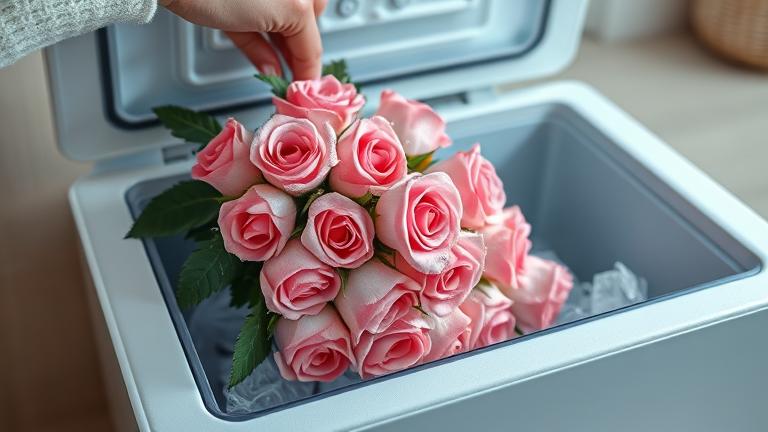
Why Freeze Roses? Benefits Explained
Freezing roses can be a smart way to preserve their beauty and extend their lifespan. Whether you want to keep fresh flowers for a special occasion or hold onto a sentimental gift, freezing offers several advantages. It helps maintain their vibrant colors and delicate petals, ensuring they look almost as beautiful as when they were first received or picked.
One major benefit of freezing roses is that it allows you to enjoy their charm for a longer period. Fresh roses can wilt within a week or two, especially in warm or dry environments. But a properly frozen rose can last for months, making it perfect for decorative purposes or keepsakes. Plus, frozen roses can be used creatively in craft projects, such as making resin jewelry or floral arrangements, without worrying about spoilage.
Preserving Appearance and Color
Roses are known for their vibrant colors and soft, elegant petals. Freezing helps lock in these qualities. When done correctly, the process prevents the petals from drying out or fading quickly. This is especially useful if you want a preserved flower for a wedding bouquet, a gift, or home decor. The frozen flower still looks fresh and beautiful, even months after freezing.
Extending Lifespan for Sentimental Value
Many people keep roses from special occasions like anniversaries, birthdays, or funerals. Freezing provides a way to keep these meaningful flowers intact longer. It transforms a fleeting moment into a lasting keepsake. By freezing, you can enjoy your memories visually and emotionally for a much longer time.
Additional Benefits and Tips
- Frozen roses can be used in artistic displays, like floating in water or incorporated into crafts.
- They are less prone to mold and decay during storage when frozen.
- Freezing can also help in removing the petals easily for dried flower crafts or potpourri.
However, it is important to note that freezing does require some preparation. Properly cleaning and drying the roses before freezing prevents mold and freezer burn. When handled well, your roses can stay beautiful and meaningful for a much longer time, making freezing a practical and creative solution for rose lovers and sentimental keepsakes alike.
Best Techniques for Freezing Roses
Freezing roses is a great way to preserve their beauty and fragrance, whether you want to keep fresh flowers for a special occasion or capture their natural charm for later use. There are several methods to freeze roses, each suited to different needs and preferences. Here, we will explore the most effective techniques and provide helpful tips to choose the best method for your situation.
Freeze Roses in Ice Cubes
This popular technique involves embedding roses in ice cubes, making it ideal for adding decorative touches to drinks or small arrangements. To do this, select fresh, healthy roses without any damage or browning. Gently wash the petals and stems to remove dirt or insects.
Next, fill an ice cube tray with water and place a rose or part of a rose inside each compartment. Carefully pour more water over the flowers, ensuring they are fully submerged. Freeze the tray until the cubes are solid. These rose ice cubes can be used in beverages or as decorative elements in floral displays.
Freeze Roses Using a Freezing Spray
This method is quick and preserves the color and shape of roses for short-term use. Use a commercial floral freeze spray or an air duster held upside down. Lightly spray the roses from a distance to coat them evenly. The spray creates a thin protective layer that helps maintain the rose’s appearance when stored.
After spraying, place the roses in a sealable plastic bag or airtight container. Keep them in the freezer for up to a few months. This technique is great for preserving roses for a specific event or display without prolonging storage time.
Freeze Roses in the Freezer with Silica Gel
For longer-term preservation and to maintain the roses’ shape and color, the silica gel method is excellent. Start by selecting fresh roses and removing excess leaves. Place the roses in a container filled with silica gel, which absorbs moisture and dries the flowers carefully.
Gently press silica gel around the petals and stems, making sure to cover all parts evenly. Seal the container and leave it for around a week. Once dried, store the roses in a dry, airtight container. This method is especially good if you want to keep roses looking fresh for craft projects or keepsakes.
Comparison of Freezing Techniques
| Method | Best For | Preservation Time | Ease of Use |
|---|---|---|---|
| Ice Cubes | Drinks, small displays | Up to 3 months | Easy |
| Freezing Spray | Short-term display, events | 1-2 months | Very easy |
| Silica Gel Drying | Long-term, crafts | Several months to years | Moderate |
Choosing the right freezing technique depends on your goals. If you want decorative ice cubes, the water method works well. For short-term preservation, spray techniques are quick and convenient. If you prefer long-term storage or crafting, silica gel drying offers the best results.
Remember to start with fresh, healthy roses for the best outcomes. Avoid freezing roses that are already wilted or damaged. Also, label your stored roses with the date to keep track of their freshness. With these methods and tips, you can enjoy your roses long after they bloom.
Preparing Roses for Freezing
Freezing roses is a wonderful way to preserve their beauty for later use in decorations, crafts, or even dried floral arrangements. Before you start the freezing process, it’s important to prepare the roses properly. This ensures they stay fresh and vibrant when you’re ready to use them.
Choose the Right Roses
Select roses that are healthy and in good condition. Look for blooms that are fully opened but not overripe or with brown edges. Freshness is key to getting the best results. Avoid roses with signs of disease, pests, or damage. If you’re harvesting from your garden, do so early in the morning when flowers are at their freshest.
Clean and Trim
Start by gently removing any dirt or insects from the roses. You can rinse them lightly under cool water, but be careful not to damage the petals. After rinsing, pat them dry with a soft towel or paper towel. Next, trim the stems to your desired length using sharp scissors or pruning shears. Cutting stems at an angle helps the roses absorb moisture better later if needed.
Preserve Freshness
If you want to keep roses looking their best before freezing, you can give them a quick dip in a mixture of water and flower preservative or a homemade solution of sugar and lemon juice. This helps maintain their color and firmness. Alternatively, storing them in a cool, moist environment like a fridge until you are ready to freeze can help prolong their freshness.
Additional Tips for Success
- Remove excess leaves that might turn brown or cause mold during freezing.
- Handle petals gently to avoid bruising, which can affect their appearance after freezing.
- If you’re freezing multiple roses, arrange them carefully on a tray to prevent petals from sticking together.
Summary
By choosing healthy roses, cleaning and trimming them properly, and taking steps to preserve their freshness, you’ll set yourself up for success with frozen roses. These preparations ensure your flowers will stay beautiful, vibrant, and ready for your next creative project or display. Remember, patience and gentle handling are your best tools in preparing roses for freezing!
Step-by-Step Freezing Guide
Introduction
Freezing roses can be a wonderful way to preserve their beauty for longer periods. Whether you want to keep freshly cut roses or have leftover blooms from a special event, following the right process ensures they stay vibrant. In this guide, you’ll learn the necessary tools, techniques, and precautions for successful freezing.
Tools and Supplies Needed
- Fresh roses, preferably unblemished and fully bloomed
- Sharp scissors or garden shears
- Flower food (optional but helpful)
- Ice cube trays or silicone molds
- Freezer-safe airtight containers or resealable plastic bags
- Labeling pen (for dates)
- Optional: Lemon juice or glycerin for preservation
Preparing the Roses
Start by selecting healthy roses that are at their peak bloom. Use sharp scissors to cut the stems at a 45-degree angle. Removing excess leaves and thorns can make handling easier and prevent mold formation during freezing.
If you want to help preserve the color and texture, you can add a pinch of flower food to a bucket of water and soak the stems for a few hours. Alternatively, some people dip the roses in a mixture of lemon juice and water to retain vibrancy.
Freezing Techniques
- Freeze in ice cubes: Place individual rose petals or small clusters into ice cube trays. Cover with water and freeze. This is ideal for decorating desserts or making floral-infused ice cubes.
- Freeze whole roses: For whole blooms, arrange them on a tray lined with parchment paper, making sure they don’t touch. Freeze until solid, then transfer to airtight containers.
- Use silicone molds: For creating rose-shaped ice or preserves, pour water into silicone molds with rose shapes and freeze.
Packaging and Storage
Once frozen, transfer the roses or petals into airtight containers or resealable bags. Remove as much air as possible to prevent freezer burn. Label each container with the date of freezing so you can keep track of storage time.
To ensure quality, store roses at a steady temperature below 0°F (-18°C). Avoid frequent opening of the freezer to maintain a consistent environment.
Precautions and Tips
- Do not freeze roses that are damaged or wilted. Freshness is key for the best results.
- Handle roses gently to prevent bruising or breaking delicate petals.
- For longer storage, consider using glycerin to retain softness and flexibility.
- When thawing, handle frozen roses carefully to avoid breakage. They are more fragile after freezing.
Additional Tips
- If you’re using roses for decoration, consider vacuum sealing for the best preservation.
- Frozen roses are ideal for crafts, decoration, or making infused products like rose water or syrup.
- Experiment with small batches to find the best method for your needs.
With these simple steps, you can enjoy the beauty of roses even after they’ve been frozen. Remember to follow safety tips, handle carefully, and enjoy your preserved blooms!
Tips for Long-Term Rose Preservation
If you want to keep your roses looking beautiful for a long time, proper storage is key. Freezing roses can help preserve their appearance and fragrance, but to do it successfully, you need to follow some important tips. These tricks will help you extend the life of your frozen roses while maintaining their quality and charm.
Choose Fresh and Healthy Roses
Start with roses that are fresh and in good condition. Avoid flowers that are already wilted, damaged, or have brown edges. Fresh roses will freeze better and stay beautiful longer. If your roses have a strong fragrance, you’ll enjoy their scent even after freezing.
Prepare the Roses Before Freezing
Gently wash the roses with cool water to remove dirt and bugs. Pat them dry with a soft towel, making sure there’s no excess moisture. If you want to keep their color and shape, consider trimming the stems and removing any leaves that might turn brown in storage.
Use the Right Packing Method
Proper packaging is essential. Wrap each rose carefully in plastic wrap or place them in resealable plastic bags. Squeeze out as much air as possible to prevent freezer burn, which can damage the flowers. For added protection, you can place the wrapped roses in a sturdy airtight container.
Label and Date Your Storage Containers
Always label your packages with the date of freezing. Roses generally stay good for about six to twelve months when stored properly. Knowing when you froze them helps you use the oldest ones first and enjoy fresh-looking flowers longer.
Keep the Freezer at a Consistent Temperature
A steady temperature around -18°C (0°F) is ideal for storing roses. Avoid frequent opening of the freezer, as temperature fluctuations can cause freezer burn and spoil the flowers faster.
Thaw Carefully and Use Promptly
When you’re ready to use the roses, remove them from the freezer and let them thaw in the refrigerator or at room temperature for a few hours. Do not refreeze roses once they have thawed, as this can cause damage. Use them as soon as possible to enjoy their full beauty.
Additional Tips for Success
- Avoid freezing roses that are already damaged or very delicate.
- Consider using a silica gel or other desiccants if your roses are very tender; this helps prevent ice crystal formation.
- For flower arrangements, frozen roses can be added directly into bouquets for a frosty, wintery effect.
- If you want preserved roses for a special occasion, plan ahead and freeze them at least a few weeks in advance.
Common Mistakes to Avoid
- Freezing roses that are not fully dry, which can cause mold or freezer burn.
- Using old or damaged flowers, which won’t look good after freezing.
- Not labeling or dating packages, leading to forgotten storage times.
By following these friendly and practical tips, you can enjoy your roses long after they bloom. Proper frozen storage keeps their vibrant color and delicate appearance intact, making them a lovely keepsake or decorative element for months to come.
Common FAQs About Freezing Roses
Why should I freeze roses, and how does it help preserve their beauty?
Freezing roses is a great way to prolong their freshness and keep their vibrant color for a longer time. Whether you’ve received roses as a gift or grew them in your garden, freezing helps maintain their appearance before they start to wilt. It’s especially useful if you want to use the roses later for crafts like making potpourri, decorating baked goods, or creating floral arrangements. Keep in mind, freezing doesn’t preserve the flowers forever, but it significantly extends their usability and beauty.
What is the best way to prepare roses for freezing?
Before freezing roses, it’s important to prepare them properly. First, gently remove any leaves or thorns that may cause issues during storage. Trim the stems to your desired length, usually about 2-4 inches. If you’re freezing whole roses, make sure they are clean and free of dirt or insects. For best results, consider processing the roses as soon as they are cut or received, ideally on the same day. You can freeze roses either by placing them directly in freezer bags or by using a method called flash freezing, which involves spreading the flowers on a baking sheet before transferring them into bags. This prevents them from clumping together and makes it easier to use only a few at a time.
Can I freeze roses directly in a plastic bag?
Yes, a simple way is to place roses directly into a resealable plastic freezer bag. Just make sure to remove as much air as possible to prevent freezer burn. Label the bag with the date so you know how long they’ve been stored. For better preservation, you might consider wrapping each flower or cluster in tissue paper or parchment paper before sealing the bag. This extra step helps protect the delicate petals from damage and preserves their color and shape.
How long can I keep roses in the freezer?
| Storage Time | Best Use |
|---|---|
| Up to 6 months | For crafts, decorating, and gentle uses |
| 1 year or more | Possible for long-term storage, but quality may decline gradually |
Generally, roses are best used within six months of freezing for the best appearance and scent. Over time, they may become brittle or lose some of their color. If you plan to use frozen roses for decorative purposes, it is advisable to use them sooner rather than later to enjoy their full charm.
Are there any tips to prevent freezer burn or damage to frozen roses?
- Always remove as much air as possible from the storage bag or container.
- Wrap roses in tissue or parchment paper before sealing to provide extra protection.
- Keep the freezer at a consistent temperature, ideally around 0°F (-18°C).
- Avoid keeping roses near the freezer door or in areas with frequent temperature changes.
- Label your bags with dates and type of flowers to keep track of storage times.
Following these tips will help keep your roses looking their best while frozen. Remember, gentle handling is key to prevent petals from breaking or drying out during the freezing process.
Can I thaw and use roses after freezing?
Yes, you can thaw roses for certain uses. For craft projects, gently remove the roses from the freezer and let them thaw at room temperature for a few minutes. Avoid exposing them to heat or direct sunlight, as this can cause petals to wilt or lose their color. If you plan to use them in baked goods or floral arrangements, handle them carefully to prevent damage. Keep in mind, frozen roses are best used in ways that do not require fresh-looking flowers, such as dried arrangements or potpourri.
What are common mistakes to avoid when freezing roses?
- Freezing roses that are already wilted or damaged, which will only make them worse.
- Not removing excess moisture, leading to freezer burn or ice crystals on petals.
- Overpacking the freezer bag, which can crush petals and cause bruising.
- Waiting too long to freeze flowers after cutting, which reduces their freshness.
By paying attention to these tips and common pitfalls, you can enjoy beautiful, preserved roses for months to come. Freezing is a simple yet effective way to keep your favorite flowers looking lovely, even after they’ve been cut.
Creative Uses for Frozen Roses
If you have a batch of frozen roses, you might wonder how to make the most of this beautiful and delicate flower. Using frozen roses can open up a world of creative possibilities. From stunning decorations to flavorful culinary treats, there are many ways to incorporate these preserved blooms into your life.
Frozen roses retain their vibrant color and fragrance longer than fresh ones, making them perfect for a variety of projects. Here are some inspiring ideas to get you started.
Decorative Touches for Special Occasions
One of the easiest ways to showcase frozen roses is as part of your home decor or event decorations. Their icy appearance adds elegance and a touch of winter magic. Try floating frozen roses in a clear bowl filled with water for a stunning centerpiece. When the light hits the ice, it creates a shimmering effect that captivates guests.
You can also embed frozen roses into clear resin to make beautiful coasters, jewelry, or decorative ornaments. This technique preserves the flower while creating unique, personalized accessories or decor items.
Edible Creations and Culinary Delights
Frozen roses can enhance your culinary presentations, especially in desserts and drinks. Use them to garnish cakes or to make floral-infused syrups. Before serving, gently place a frozen rose on top of your dessert for a striking visual and a hint of floral flavor.
In beverages, floating frozen roses add both color and aroma. They work well in champagne, cocktails, or herbal teas. Just make sure the roses are pesticide-free and suitable for consumption before adding them to your drinks.
Creative Projects and DIY Gifts
Transform frozen roses into thoughtful, handcrafted gifts. For example, you can press and dry the roses after thawing to make pressed flower art, greeting cards, or bookmarks. Another idea is to create scented sachets by chopping up the dried petals combined with essential oils. This adds a lovely fragrance to drawers or closets.
If you enjoy crafts, consider making a floral ice sculpture or an icy wreath using frozen roses. These projects are perfect for winter parties or as a charming gift for someone special.
Tips for Working with Frozen Roses
- Always handle frozen roses with care to avoid breaking the delicate petals.
- Allow the roses to thaw slightly if you want to work with them more easily, especially for crafts.
- Use them quickly once thawed to prevent wilting or damage.
- Ensure your roses are pesticide-free if you plan to incorporate them into edible or cosmetic projects.
| Uses | Description | Best For |
|---|---|---|
| Decorations | Centerpieces, resin crafts, embedded ornaments | Weddings, winter parties, home decor |
| Edible Garnishes | Garnishing cakes, drinks, making floral syrups | Desserts, cocktails, special occasions |
| DIY Gifts | Pressed flowers, scented sachets, crafts | Personalized presents, crafty projects |
With a little creativity, frozen roses can become a versatile and enchanting addition to many projects. Whether used for decoration, culinary arts, or handmade gifts, these preserved blooms bring a touch of elegance and inspiration to your everyday life.