
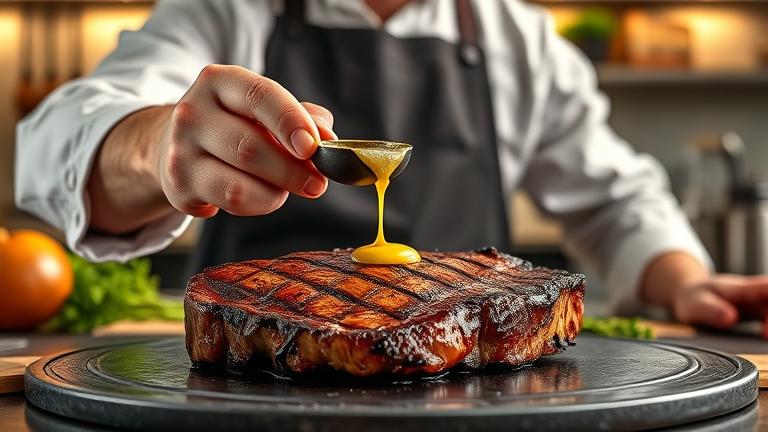
The Role of Butter in Cooking Steak
Butter is a popular ingredient when cooking steak because it adds a rich flavor and helps create a delicious crust. Many home cooks and chefs alike rely on butter to enhance the taste and improve the texture of their steak. It might seem simple, but butter really makes a difference in achieving that perfect sear and juicy interior.
One of the main reasons to use butter in steak cooking is for flavor. Butter has a creamy, slightly sweet taste that complements the beef beautifully. When melted over a hot steak, it infuses the meat with a rich, savory flavor that transforms a plain cut into a restaurant-quality dish. Adding butter towards the end of cooking allows you to baste the steak, coating it with buttery goodness that makes each bite extra flavorful.
Butter also plays a key role in developing a better texture. When cooked at high heat, butter helps form a tasty crust on the outside of the steak. This crust seals in the juices and creates a satisfying contrast to the tender inside. However, because butter has a lower smoke point than some oils, it should be added later in the cooking process or used in combination with oil that can withstand higher temperatures. This prevents the butter from burning and developing a bitter flavor.
Another benefit of using butter is that it allows for even heat distribution. During the final stages of cooking, spooning melted butter over the steak, known as basting, helps cook the meat evenly and enhances browning. Plus, the aroma of butter as it melts is inviting and makes the cooking process more enjoyable.
To get the most out of butter when cooking steak, many chefs recommend using a combination of butter and high-smoke-point oils like canola or grapeseed oil. This combo gives you the flavor boost from butter while preventing burning. Once the steak is nearly cooked, add a few knobs of butter along with herbs like thyme or garlic for added complexity. As the butter melts, tilt the pan and spoon it over the steak repeatedly. This technique helps build a flavorful, glossy coating that keeps the steak juicy and tasty.
Some common mistakes to avoid include adding butter too early, which can cause it to burn, or using too much, which might mask the natural flavor of the meat. Instead, focus on using small amounts at strategic moments for maximum impact. Experimenting with different types of butter, such as salted or unsalted, can also bring subtle differences in flavor and texture to your steak.
In summary, butter is a versatile ingredient that enhances both flavor and texture when cooking steak. Its ability to add richness, promote even browning, and create a beautiful, flavorful crust makes it a favorite tool in the kitchen. With a little practice, you’ll discover how butter can elevate your steak to new delicious heights.
Why Butter Makes Steak Juicier
When it comes to cooking a perfect steak, adding butter is often seen as a final touch, but it does so much more than just add flavor. Butter can actually help keep your steak juicy and moist during the cooking process. Understanding why butter works so well can help you cook better, tastier steaks every time.
Butter contains a mixture of fats, water, and milk solids. These fats have a high smoke point, especially when clarified, which means they can withstand high cooking temperatures without burning. When you melt butter over your steak, the fats create a barrier that helps lock in the juices. This prevents moisture from escaping as the steak heats up, keeping it tender and succulent.
Another reason butter improves juiciness is because of its ability to baste the steak. Basting involves spooning hot melted butter over the meat repeatedly as it cooks. This technique helps distribute heat evenly and constantly coats the surface of the steak, forming a delicious, caramelized crust while sealing in the juices inside.
Butter also adds flavor and richness to the steak. While the fat in butter helps trap moisture, the flavors can enhance the overall taste, making each bite more satisfying. Many chefs recommend combining butter with herbs and garlic to create a fragrant, savory glaze that further increases moisture and adds complexity to the flavor profile.
- Tip: For best results, use unsalted butter. It allows you to control how much salt is added to your steak.
- Tip: Clarified butter, or ghee, has a higher smoke point and can be used for even better moisture retention under high heat.
- Tip: Don’t forget to rest your steak after cooking. Resting allows the juices to redistribute throughout the meat, resulting in a juicier steak wrapped in rich, buttery flavor.
While butter is great during cooking, it’s particularly effective when used as a finishing touch. The combination of high-quality butter, proper cooking techniques, and resting ensures that your steak remains moist, tender, and bursting with flavor. With a little practice, adding butter can take your steak from good to truly exceptional, with every bite full of juicy goodness.
How Butter Enhances Steak Flavor
Butter is a secret weapon in the kitchen that can really bring out the rich and savory flavors of a well-cooked steak. When you add butter during cooking or as a finishing touch, it helps create a delicious, glossy crust and adds a buttery depth that complements the meat’s natural juices.
Using butter can also help in basting your steak. Basting involves spooning melted butter over the meat as it cooks, which keeps it moist and infuses it with extra flavor. This technique is especially popular when making pan-seared or skillet steaks, giving you a more even, flavorful crust.
Another benefit of butter is its ability to carry and enhance other flavors. For example, adding garlic, herbs, or spices to melted butter creates a fragrant mixture that elevates the steak and adds layers of aroma and taste. This combo is perfect for creating a gourmet experience at home.
To get the most out of butter when cooking steak, many chefs recommend using unsalted butter. This allows you to better control the salt level, so your steak doesn’t become overly salty. You can also mix in some fresh herbs like thyme or rosemary, or a clove of garlic for extra flavor.
Here’s a simple way to use butter for steak enhancement:
- Cook your steak in a hot skillet until it reaches your desired doneness.
- In the last minute of cooking, add a generous dollop of butter to the pan.
- As the butter melts, tilt the pan slightly and use a spoon to baste the steak with the melted butter and flavors from the herbs and garlic.
- Remove the steak from the pan and let it rest for a few minutes before serving. The butter adds a rich finish and helps the juices settle inside.
Some tips to keep in mind:
- Be careful not to burn the butter. Keep the heat at medium-high to avoid smoking or burning the butter and herbs.
- For an extra layer of flavor, try finishing your steak with a pat of herb-infused butter right before serving.
- Make your butter mixture ahead of time by combining softened butter with garlic, herbs, or spices, so it’s ready to add while cooking.
In summary, butter does more than just add richness it enhances the natural flavors and creates a luxurious, savory crust on your steak. A few minutes of basting with butter can transform a simple cut of meat into a gourmet meal that everyone will enjoy.
Techniques for Applying Butter to Steak
Applying butter to steak is a simple way to add rich flavor and a beautiful finish. There are several effective methods to do this, each offering different advantages. Whether you prefer a quick melt or a seasoned, flavorful butter, these techniques will help you elevate your steak experience.
One popular method is to **baste the steak with melted butter** during the last minutes of cooking. After your steak has reached the desired doneness, remove it from the heat and add a generous dollop of butter directly to the pan or skillet. Tilt the pan slightly so the butter pools at one side, then use a spoon to scoop the melted butter and spoon it over the top of the steak. This technique not only adds flavor but also creates a shiny, tempting glaze.
Another great approach is to **top the steak with a compound butter**. Compound butter is simply butter mixed with herbs, garlic, or other seasonings. After cooking and resting the steak which helps it stay juicy place a slice of this flavored butter on top. As it melts, the butter infuses the meat with flavor and gives it an appealing, glossy look. This method is perfect for presentation and adds a gourmet touch that personalizes each dish.
For those who like a more interactive experience, **table-side butter finishing** is an elegant option. Just before serving, place a pat of butter on the hot steak and let it melt. You can also bring out flavored butters and let guests add their own. This not only enhances the flavor but also makes dining feel special.
For even coverage and flavor distribution, consider **using a brush or a spoon** to apply butter. A pastry brush allows a light, even coating, which is especially helpful if you’re applying butter before or after cooking for a specific flavor profile. A spoon works well for drizzling melted butter over the steak, ensuring every bite is flavorful.
A common mistake to avoid is adding cold butter directly onto hot steak without melting it first. The butter may not spread evenly or may glob onto the meat, resulting in uneven flavor. Instead, melt the butter slightly or use softened butter for easier application.
For the best results, keep these tips in mind:
- Use high-quality, fresh butter for maximum flavor.
- Experiment with flavored butters, like garlic or herb-infused, for variety.
- Apply butter in the final moments of cooking or right before serving for optimal flavor and presentation.
- Be cautious not to overload the steak with butter, as it can mask the meat’s natural flavor.
By choosing the right method according to your style and the occasion, applying butter to your steak can become a tasty and visually appealing part of your cooking routine. Whether you baste, top, or finish tableside, these techniques help create a perfect, flavorful steak every time.
The Science Behind Butter and Steak Bliss
When you add butter to a steak while cooking, a fascinating dance of science happens. Understanding these processes can help you achieve that perfect, flavorful crust and juicy interior. Let’s explore how butter interacts with steak at a biochemical and physical level to create that delicious result.
First, it’s important to know that butter is composed mainly of fats, water, and milk solids. When heated, butter undergoes a series of changes. The water in butter evaporates at around 212°F (100°C), which helps in preventing the steak from sticking and promotes browning. Meanwhile, the milk solids mainly proteins and sugars start to break down and brown, contributing to flavor and color through a process called the Maillard reaction.
During cooking, the heat causes the proteins in the steak to denature and unwind. As the temperature rises, these proteins form new bonds, creating that firm, meaty texture you expect. When you gently baste the steak with melted butter, it helps transfer heat evenly. The butter coats the surface, adding flavor and moisture, which keeps the meat tender.
But there’s more to it. When butter is added to hot steak, the fats melt and seep into the meat’s surface. This fat penetration enhances flavor and juiciness. Because butter contains milk solids that brown quickly, it encourages a golden sear. If butter is used alone, it might burn easily due to its relatively low smoke point. That’s why many cooks add it towards the end of cooking or mix it with oils that have higher smoke points.
Another interesting property of butter is its ability to carry flavor compounds. When it melts, it releases aroma and flavor molecules that seep into the meat, creating a richer taste. Herbs and garlic are often added to butter during cooking for extra flavor infusion these oils and flavors meld into the meat, making each bite more savory.
Be mindful: overheating butter can cause it to burn, producing bitter flavors or smoke. To prevent this, use a moderate temperature and add butter in the final stages of cooking, then baste the steak continuously. This gentle heating ensures the butter’s flavor benefits without sacrificing taste.
Tips for Perfect Buttered Steak
- Start with a hot pan to achieve a good sear, then lower the heat for butter added later.
- Use clarified butter for higher smoke point, or mix butter with oils for better control.
- Add herbs or garlic to butter during the last few minutes to infuse flavors.
- Keep the butter moving over the steak to prevent burning and promote even flavor distribution.
In summary, butter’s unique mix of fats, proteins, and sugars, plus its melting and browning properties, play a crucial role in creating a flavorful, tender steak. Understanding these scientific processes helps you cook with confidence and gives you the tools to perfect your steak every time.
Variations of Butter Toppings
Butter is a classic way to add flavor and richness to steak dishes. But did you know there are many exciting ways to customize butter toppings? From herb-infused butters to sweet or spicy variations, experimenting with different types can turn a simple steak into a gourmet meal.
One popular option is herb-infused butter, also called herb butter or compound butter. These butters are made by mixing softened butter with fresh herbs, garlic, lemon zest, or other flavorings. They melt beautifully on hot steaks, creating a fragrant, flavorful coating. Common herbs include parsley, thyme, chives, and basil. To make herb butter, just soften some butter, chop your herbs finely, and mix them together. Roll into a log using plastic wrap and chill until firm. Slice off rounds to serve on your steak.
Another tasty variation is garlic butter. Simply blend softened butter with minced garlic, a pinch of salt, and sometimes a splash of lemon juice. This creates a bold, savory topping perfect for grilling or pan-searing steaks. Garlic butter also pairs well with a squeeze of fresh lemon for extra brightness. Remember, if you prefer a milder garlic flavor, start with less and taste as you go.
Spicy butters add a kick to your steak. Mix softened butter with chili flakes, paprika, or cayenne pepper for a smoky, spicy boost. For a different twist, swirl in some hot sauce or sriracha if you like extra heat. These spicy butter toppings work great for those who enjoy a little fire in their meal and can be made ahead, stored in the fridge, and sliced when needed.
For a touch of sweetness, consider honey butter or maple butter. These unusual but delightful options add a hint of sweetness that balances the savory meat. Combine softened butter with a drizzle of honey or real maple syrup, and add a pinch of salt. Spread a dollop on your hot steak to create a lovely contrast of flavors.
Sometimes, the best toppings are a combination of flavors. Try mixing herbs, garlic, and a dash of spice for a versatile compound butter that complements many types of steak. Remember, the key to great flavored butters is using high-quality, fresh ingredients and softening the butter enough to mix easily.
Here are some tips for making your own butter toppings:
- Use unsalted butter so you can control the saltiness.
- Chop herbs finely for even distribution.
- Make the butters in advance and store them in the fridge for up to a week.
- For presentation, shape flavored butters into logs or molds before chilling.
Adding different butter toppings to your steak is a simple way to enhance flavor and impress your friends and family. With these variations, you can create a personalized taste experience every time you cook. Give them a try and see which flavors become your new favorites!
Tips for Perfect Steak with Butter
Enjoying a perfectly cooked steak topped with butter is a treat many home cooks aspire to achieve. The combination of a juicy, flavorful steak with rich, melted butter creates a delicious experience. To make sure your steak turns out perfect every time, here are some practical tips and best practices to follow.
Start with a Good Quality Steak
Before even heating your pan, choose a high-quality cut of steak. Popular options like ribeye, sirloin, or filet mignon are great choices because they have good marbling the small streaks of fat that melt during cooking, enhancing flavor and tenderness. Look for fresh, bright red meat with some fat on the edges. Avoid overly wet or brownish steaks, which may indicate poor freshness.
Let the Steak Reach Room Temperature
Take your steak out of the fridge about 30 minutes before cooking. This helps it cook more evenly. If the steak is cold, the outside may cook faster than the inside, leading to uneven results. Room temperature steaks cook uniformly, giving you a juicy, tender bite with a beautifully seared exterior.
Season Generously
Before cooking, sprinkle both sides of the steak with salt and pepper. Salt enhances flavor and helps form a tasty crust. Don’t be shy with the seasoning a good steak deserves a hearty amount. For extra flavor, you can add garlic powder or fresh herbs like thyme or rosemary before cooking.
Use a Hot Pan and Proper Cooking Technique
Heat your skillet over high heat until it’s very hot. A cast-iron skillet works best because it retains heat well. Place the steak carefully in the pan you should hear a loud sizzle. Let it cook without moving it around too much. For a medium-rare steak, cook about 3-4 minutes per side, but this varies depending on thickness. Use a meat thermometer for accuracy aim for 130°F (54°C) for medium-rare.
Finish with Butter and Rest
Once the steak is nearly done, add butter to the skillet. Use about 2 tablespoons of good-quality, unsalted butter, and add some crushed garlic cloves or fresh herbs if you like. Tilt the pan slightly and spoon the melted butter over the steak. This basting process adds flavor and keeps the meat moist.
After cooking, let the steak rest for 5-10 minutes. Resting allows juices to redistribute, making the meat juicy and tender. Cover it loosely with foil if needed. Then, serve the steak topped with a spoonful of the seasoned, buttered pan juices for extra flavor.
Avoid Common Mistakes
- Cooking a steak straight from the fridge can cause uneven cooking.
- Overcrowding the pan lowers the temperature and results in steaming instead of searing.
- Forgetting to let the steak rest can lead to a juiceless meal.
- Using low-quality butter may not provide the rich flavor you want.
By following these practical tips, you’ll be able to achieve a beautifully seared steak topped with flavorful butter every time. Remember, perfecting steak takes practice, so don’t be discouraged if it’s not perfect right away. Enjoy the process and the delicious results!