
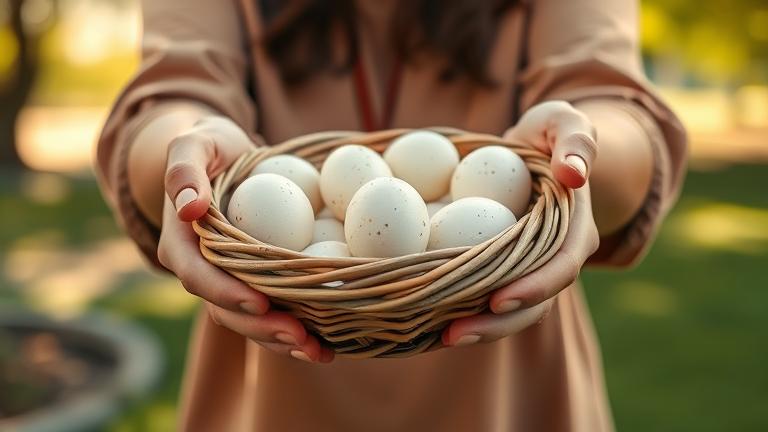
Are Pigeon Eggs Edible?
Many people wonder if pigeon eggs are safe to eat and how they can be enjoyed. Pigeon eggs are indeed edible and have been consumed in various cultures for centuries. However, there are important considerations to keep in mind before trying them at home.
First, it is essential to identify whether the eggs are fresh and properly sourced. Wild pigeons or city-dwelling pigeons may carry bacteria or parasites, so it’s safer to obtain eggs from a trusted supplier or farm. If you find pigeon eggs in the wild, avoid collecting eggs that look dirty, cracked, or abnormal. Always remember that handling and cooking properly are key to making pigeon eggs safe to eat.
Are Pigeon Eggs Safe to Eat?
In general, pigeon eggs are safe if they are fresh and cooked thoroughly. Like chicken eggs, they can carry bacteria such as Salmonella, which can cause foodborne illness. That is why cooking pigeon eggs is highly recommended. Boiling, scrambling, or frying pigeon eggs can effectively kill any harmful microorganisms.
It is also important to avoid eating eggs that have a strange smell, unusual appearance, or visible cracks. These signs could indicate spoilage or contamination. If you are unsure about the eggs’ freshness, it is best not to consume them.
Precautions and Tips for Eating Pigeon Eggs
- Source carefully: Always get eggs from trusted sources or reputable farms. Avoid wild eggs unless you are confident they are safe.
- Wash thoroughly: Rinse eggs gently with water before cooking to remove dirt or bacteria on the shell.
- Cook completely: Make sure eggs are cooked all the way through. Soft-boiled eggs may not be safe if they are runny inside.
- Start small: If trying pigeon eggs for the first time, begin with a small portion to see if you enjoy the taste and to check for any adverse reactions.
- Check for allergies: Just like chicken eggs, some people may be allergic to pigeon eggs. If you have allergies to eggs or related foods, consult a doctor before trying them.
Common Ways to Prepare Pigeon Eggs
Once you know the eggs are safe, you can use various cooking methods. Many cooks enjoy boiling pigeon eggs for a few minutes until hard, similar to chicken eggs. They can also be scrambled or fried, adding herbs or spices for flavor. Remember, pigeon eggs tend to be smaller and sometimes darker in color than chicken eggs, so adjust cooking times accordingly.
In some cuisines, pigeon eggs are used in stews or soups, adding a rich flavor. Always taste the eggs and adjust seasonings as needed. It is also fun to try them in recipes that call for smaller eggs or a different twist on breakfast classics.
Conclusion
In summary, pigeon eggs can be an interesting addition to your culinary adventures if handled and cooked properly. They are edible and rich in nutrients, but safety depends on sourcing, cleanliness, and thorough cooking. With these precautions in mind, you can enjoy pigeon eggs just like any other edible bird egg. Always prioritize safety, and don’t hesitate to seek expert advice if you’re new to consuming this type of egg.