
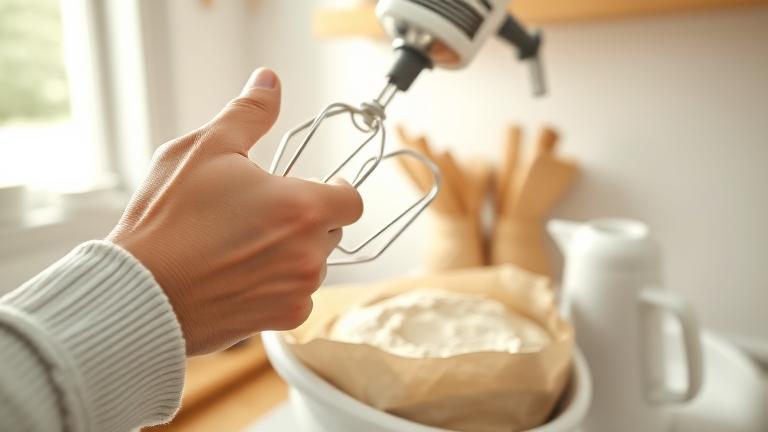
Can You Make Dough with a Hand Mixer?
Many home cooks wonder if a hand mixer is versatile enough to handle making dough. The good news is that, for some types of dough, a hand mixer can be a helpful tool. It’s especially useful for smaller batches or softer doughs. However, there are also limits to what it can do, so understanding its capabilities can help you decide when to use one.
A hand mixer is designed primarily for mixing, whipping, and beating ingredients. It can handle tasks like making cake batters, cookie dough, or whipped cream easily. When it comes to doughs, its power and attachments matter. For delicate or quick-mixing doughs, a hand mixer works well. But for heavy, stiff doughs, it might struggle or take longer.
What Types of Dough Can a Hand Mixer Make?
- Cookie Dough: Soft and medium-stiff cookie dough is easily mixed with a hand mixer. Its beaters can incorporate the ingredients well without overworking the dough.
- Pancake or Waffle Batter: This is technically a type of loose dough and a hand mixer can easily whip up fluffy batter in minutes.
- Quick Breads and Muffin Batters: These mixed lightly with a hand mixer turn out fluffy and smooth without overmixing.
- Pie Dough (with caution): You can use your hand mixer with a dough hook attachment for pie or pastry dough, but only if the dough is soft. For tougher pastry, it’s better to mix by hand or use a food processor.
Limitations and When to Use Caution
While a hand mixer is handy, it has limitations. For stiff or dense doughs like bread or pizza dough, it’s not the best tool. These doughs often require kneading, which is better done by hand or with a stand mixer equipped with a dough hook. The motor on a hand mixer may overheat or not be strong enough to handle heavy doughs.
Also, if you are making a large batch of dough, a hand mixer might take a lot of time and effort. It’s best suited for small batches and soft doughs. Overworking dough with a mixer can also affect the texture, especially for tender baked goods like biscuits or pastry.
Tips for Making Dough with a Hand Mixer
- Always start at a low speed to prevent ingredients from splattering.
- If your dough becomes too stiff or starts to strain your mixer, switch to mixing by hand.
- Use the appropriate attachment: beaters for lighter doughs, dough hook (if available) for softer, kneadable doughs.
- Do not overmix. For most doughs, mix just until ingredients are combined to keep the texture light and tender.
- Follow the recipe guidelines for mixing times and speeds to achieve the best results.
In summary, a hand mixer can be a helpful tool for making certain types of dough, especially soft or quick bread doughs. Knowing its limits and using it wisely ensures good results without overworking your ingredients. When in doubt, try simpler, softer doughs first and move to more robust kneading methods for heavy bread or pizza doughs.
Best Hand Mixers for Dough Making
If you’re looking for a reliable hand mixer to help you prepare dough at home, you’re in the right place. Making dough, especially for bread, pizza, or heavy baked goods, requires a mixer that offers enough power and durability. We’ve reviewed some of the top hand mixers available that stand out for dough making, considering factors like motor strength, attachments, and long-term use. Here’s what you should know to pick the best tool for your kitchen.
When choosing a hand mixer for dough, look for models with at least 200 watts of power. Higher wattage means more moving muscle to knead through dense mixtures without straining the motor. A comfortable handle and balanced weight are also important because kneading can take some effort. Attachments are another key point. Be sure the mixer comes with sturdy beaters suitable for heavy doughs, or better yet, includes dough hooks designed for kneading. These hooks are shaped to grab onto dough and develop gluten strands, resulting in a smooth, elastic end-product.
Durability matters just as much. Opt for brands with good reputations and positive reviews. Materials like stainless steel beaters and high-quality plastic bodies tend to last longer. Some mixers feature metal gear systems that can handle regular use without wearing out quickly. Also, consider whether the mixer has multiple speed settings. For dough, a lower speed setting is ideal to start mixing ingredients gently and then increase as needed to knead thoroughly.
Top Features to Look For
- Power Output: 200+ watts for sufficient kneading strength.
- Attachments: Dough hooks, beaters, and perhaps a whisk for versatility.
- Build Quality: Durable materials like stainless steel and quality plastic.
- Speed Settings: Multiple options for different mixing stages.
- Ergonomics: Comfortable grip and lightweight design for extended use.
Recommended Hand Mixers for Dough Making
| Model | Power | Attachments | Speed Settings | Special Features | Price Range |
|---|---|---|---|---|---|
| WhiskPro Plus | 250 watts | Dough hooks, beaters, whisk | 5 speeds | Ergonomic handle, sturdy build | $50 – $70 |
| MixMaster Max | 300 watts | Heavy-duty dough hooks, beaters | 6 speeds with turbo | Lightweight, easy to clean | $80 – $100 |
| KitchenAid Hand Mixer | 200 watts | Multiple attachments included | 5 speeds | Unique design, reliable performance | $60 – $80 |
| PowerKnead Turbo | 275 watts | Specialized dough hooks, beaters | 4 speeds | Quiet operation, durable exterior | $90 – $110 |
- Tip: Always start mixing at low speed when adding ingredients or beginning dough to prevent splatters.
- Tip: Clean dough hooks immediately after use to prevent dough from hardening and sticking.
- Avoid models with weak motors or plastic gears that may break under heavy dough kneading.
Tips for Mixing Dough by Hand or Mixer
Mixing dough can be a satisfying step in baking, whether you choose to do it by hand or with a mixer. The goal is to create a smooth, even dough with the right consistency. Here are some practical tips to help you achieve the best results every time.
If you’re mixing by hand, use a sturdy spoon or your hands to combine ingredients. When using a mixer, opt for the paddle attachment, which is best for dough that doesn’t require kneading. Always start mixing on a low speed to prevent ingredients from flying out of the bowl, then gradually increase as the dough comes together.
1. Measure ingredients accurately
Measuring correctly is crucial no matter which method you’re using. Too much flour can make dough dry and stiff, while too little can make it sticky and hard to handle. Use measuring cups or a kitchen scale for precise results. When measuring flour, lightly spoon it into the cup and level it off with a knife to avoid packing it down.
2. Mix until just combined
Overmixing can lead to tough or dense baked goods, especially in bread and pastry doughs. Mix the ingredients until they are just combined and the dough begins to come together. This helps develop gluten (the protein that gives dough structure) without overworking it.
3. Watch for the right consistency
The ideal dough should be soft and slightly tacky but not sticky. If your dough feels too sticky, sprinkle in a little more flour. If it’s too dry and crumbly, add a small splash of water or milk. When mixing, check the texture frequently to get a feel for what you’re aiming for.
4. Rest the dough if needed
Some doughs, such as bread or pastry dough, benefit from resting after mixing. Cover the dough with a damp cloth or plastic wrap and let it sit for about 10-15 minutes. This relaxes the gluten, making the dough easier to roll out or shape.
5. Use proper mixing speed and timing
Mixing at too high a speed can cause ingredients to splatter or overdevelop gluten, while too slow might take longer than necessary. Set your mixer to low or medium speed. Typically, mixing takes 2-5 minutes, but always follow your specific recipe instructions.
6. Incorporate ingredients gradually
If your recipe calls for add-ins like nuts, chocolate chips, or herbs, add them towards the end of mixing. This prevents them from breaking down or clumping and keeps them evenly distributed throughout the dough.
7. Clean and prepare your workspace
Keep your work area clean and ready. Prepare your mixing bowls, measuring tools, and ingredients in advance. This streamlines the process and prevents accidents or ingredient shortages from disrupting your dough-making.
- Practice patience rushing the mixing process can affect texture.
- Make small adjustments as needed, but avoid adding too much flour or water at once.
- Keep an eye on the dough’s texture rather than relying solely on time.
Whether stirring by hand or using a mixer, these tips help you control the dough’s consistency and develop confidence in your baking. With a little practice, you’ll perfect your technique and enjoy delicious baked goods every time.
Common Mistakes When Using a Hand Mixer for Dough
Using a hand mixer to knead and mix dough can save time and effort, but it’s easy to make some common mistakes. Knowing what to watch out for helps prevent problems like overmixing, damaging your mixer, or ending up with a less-than-perfect dough. Here are some common errors and how to avoid them.
One big mistake is using the wrong speed setting. Hand mixers often have multiple speeds. Many beginners start mixing on high, thinking it will work faster. But high speed can overwork the dough and lead to overmixing, especially with delicate or yeast doughs. It’s better to begin on a low or medium speed so the ingredients combine gently. Once the dough starts to come together, you can increase the speed slightly, but always avoid rushing with high speed until you are sure it’s necessary.
Another frequent error is overmixing the dough. This happens when you mix too long or at too high a speed. Overmixing can cause the gluten in flour to develop too much, making your bread or pastry tough instead of tender. To avoid this, stop mixing as soon as the ingredients are just combined. For bread dough, you want a slightly sticky, elastic ball, not a super smooth, tight mass. For cakes or cookies, overmixing can lead to a dense, heavy texture.
Many people forget to prepare the mixing bowl properly. Using a bowl that is too small can cause ingredients to spill out or make mixing awkward. Also, if the bowl isn’t clean and dry, your dough can stick or result in uneven mixing. Use a sturdy, appropriately-sized bowl to give your hand mixer enough space to work efficiently.
A common mistake is not scraping down the sides of the bowl. Ingredients tend to stick to the sides and bottom, especially when mixing thick doughs. Failing to scrape down the bowl can lead to uneven mixing, with some ingredients remaining unmixed. To keep everything well combined, pause and use a spatula to scrape down after a minute or two of mixing.
Another issue is applying too much pressure when using the hand mixer. It’s tempting to press down for more power, but this can strain the appliance or damage the beaters. Let the mixer do the work. Keep the mixer steady and let it run at the recommended speed. Applying extra pressure can cause the beaters to bend or the motor to overheat.
Finally, remember to avoid using beaters designed for lighter mixtures on very thick doughs. Not all beaters are made to handle heavy, dense doughs like bread or stiff cookie dough. Using the wrong attachments or expecting your hand mixer to knead like a stand mixer can damage the appliance and give poor results. For very heavy doughs, consider kneading by hand or using a stand mixer with a dough hook.
Tips to keep in mind:
- Always start slow and increase gradually.
- Mix just until ingredients are combined.
- Use the appropriate bowl size.
- Regularly scrape down the bowl.
- Let the mixer do the work, don’t push down hard.
- Use the right attachments for the dough type.
By avoiding these common mistakes, you’ll get better results and extend the life of your hand mixer. With practice, mixing dough will become a quick and confident task rather than a frustrating one.
Dough Recipes Perfect for Hand Mixers
Using a hand mixer to prepare dough can save you time and effort in the kitchen. Whether you’re making bread, pizza dough, or cookie dough, these recipes are designed to be easy to mix with handheld appliances. Hand mixers are versatile and gentle enough to handle various dough types, making your baking experience smoother and more enjoyable.
Why Choose a Hand Mixer for Dough?
A hand mixer is a great tool for mixing dough because it allows for controlled blending and minimizes overworking the ingredients. They’re perfect for small batches and for cooks who prefer less cleanup than stand mixers. To get the best results, use beaters or dough hooks if your mixer comes with them. For softer doughs like cookie or bread dough, these attachments help develop the right texture without overmixing.
Basic Tips for Making Dough with a Hand Mixer
- Start on a low speed to combine ingredients without splattering.
- Gradually increase speed as the dough comes together.
- Don’t overmix, especially for bread or pastry dough, as it can make the final product tough.
- Use the right attachment – dough hooks for bread and pizza dough, beaters for softer doughs.
- Keep your ingredients at room temperature for easier mixing.
Popular Dough Recipes for Hand Mixers
Here are some simple and delicious dough recipes that work well with a hand mixer. These recipes are flexible, forgiving, and perfect for home bakers of any skill level.
Basic Bread Dough
This classic bread dough is ideal for beginners. It requires flour, yeast, water, salt, and a little sugar for activation. Using your hand mixer with dough hooks, combine the ingredients until a sticky ball forms. Then, knead briefly by hand if needed, or let the mixer do the work. The dough should be elastic but soft.
Pizza Dough
Making homemade pizza? This simple dough uses flour, yeast, warm water, oil, and salt. Mix everything with your hand mixer using dough hooks until smooth and elastic. Allow it to rise until doubled in size. Once risen, punch down lightly and shape for a perfect pizza base.
Chocolate Chip Cookie Dough
If you love cookies, this dough is a breeze with a hand mixer. Cream butter and sugars first using the beaters, then add eggs and vanilla. Gradually add the flour and baking soda, mixing just until combined. Fold in chocolate chips by hand for even distribution. Chill the dough for easier handling before baking.
Additional Tips for Success
- Always measure your ingredients accurately to ensure the best dough consistency.
- If your dough is too sticky, add a little more flour; if too dry, add a small splash of water or milk.
- Resting dough can improve its texture, especially for bread and pizza.
- Clean your attachments promptly after use to prevent dough from hardening on them.
How to Avoid Overmixing Dough
When making dough, one common mistake is overmixing. It might seem harmless at first, but overmixing can change the texture and quality of your baked goods. Learning how to prevent this helps you achieve the perfect consistency every time.
The key to avoiding overmixing is to pay attention to how the dough looks and feels. Once the ingredients are just combined and the dough reaches a smooth, uniform appearance, it’s usually time to stop mixing. Continuously mixing beyond this point can develop too much gluten in bread dough or incorporate too much air in batter, leading to tough or dense results.
A good rule of thumb is to mix just until you see no streaks of flour or dry ingredients. When working with wet and dry ingredients, mix briefly at first, then stop and check the dough. Remember, the goal is to blend everything evenly without overworking it.
Monitoring mixing time is very useful. If you’re using a mixer, set a timer and stick to recommended mixing durations for your recipe. For example, many cookie doughs only need 30 seconds to 1 minute of mixing after adding flour. For bread dough, kneading (which is a form of mixing) should generally last about 8-10 minutes, but this depends on the recipe.
If you mix by hand, keep a close eye on the texture. Once the dough holds together and feels smooth, stop. Overmixing even a few seconds too long can change the dough’s texture. It’s better to under-mix slightly than to go too far.
Here are some practical tips to help you avoid overmixing:
- Stop mixing as soon as ingredients are just combined. Don’t wait for the dough to look completely uniform and perfect.
- Use a gentle, folding motion when blending ingredients in the final stages. This reduces the risk of overworking the dough.
- If you’re using a mixer, keep an eye on the speed. Use the lowest setting once ingredients are roughly mixed. Higher speeds tend to overmix quickly.
- Trust your senses. Feel the dough. It should be soft and cohesive without being sticky or over-stretched.
- Follow the recipe’s recommended mixing times closely. Rushing or guessing can lead to overmixing.
A common mistake is thinking that longer mixing leads to better results. Actually, patience and attention are your best tools. Overmixed dough can produce products that are dense, tough, or crumbly, depending on what you’re baking.
By observing the dough carefully and sticking to recommended times, you’ll avoid overmixing and create baked goods with perfect texture. It might take a little practice, but soon, you’ll be mixing just right every time!
Expert Tricks for Perfect Dough Every Time
Making great dough with a hand mixer is easier than you might think, especially when you know some expert tricks. Whether you’re preparing bread, cookies, or pizza dough, these tips will help you achieve a smooth, well-developed, and consistent dough every time.
Start with the Right Ingredients
High-quality ingredients lay the foundation for perfect dough. Use fresh flour and ensure your liquids are at the right temperature. For most doughs, lukewarm water or milk, around 100-110°F (38-43°C), helps activate yeast or gluten without killing the yeast cells. If your recipe calls for yeast, always check the expiration date and proof it first to make sure it’s active. This small step can save your entire batch from fail.
Choose the Correct Mixing Speed
A common mistake is mixing at too high or too low speeds. Start slow to combine ingredients gently, especially when mixing dry and wet components. As the dough begins to form, increase to medium speed. High speeds can overmix delicate doughs, making them tough or chewy. For bread or pizza dough, you want to mix until the ingredients come together into a shaggy ball, but not overwork the gluten.
Control the Mixing Time
Overmixing is a usual culprit for dense or tough doughs. For most recipes, mix just until the ingredients are combined and the dough looks uniform. Use your eye and touch: if the dough feels sticky or has visible dry spots, mix a little longer. For cookie dough, less mixing is better to avoid developing gluten, which can result in tough cookies. Trust the recipe’s suggested mixing time, but also learn to recognize when it looks right.
Use Proper Bowl and Tool Setup
Use a large, deep mixing bowl to prevent splashes and spills. A durable hand mixer with a comfortable grip makes the process easier. Attach the dough hooks if you’re making bread or pizza dough, as they mimic traditional kneading and develop the gluten well. For lighter batters, the beaters are perfect. Keep the mixer blades and bowl clean and dry for the best results.
Watch Out for Overworking the Dough
When using a hand mixer, it’s tempting to keep mixing until the dough looks perfect, but overworking can alter texture. For instance, overmixed bread dough can become dense and chewy. Stop mixing as soon as you see the dough come together into a smooth, elastic ball. If the dough is sticky, a light dusting of flour can help, but avoid adding too much, as this can change the texture.
Practice and Adjust
Every hand mixer and recipe is a little different. Don’t be afraid to experiment. Adjust mixing times based on how the dough looks and feels. Take notes on what works best for your appliance and ingredients. Experience helps you recognize small signs that your dough is ready, making your baking more consistent and successful over time.
- Tip: Use a timer to keep track of your mixing time overmixing usually happens after a few minutes.
- Tip: If dough becomes too sticky, pause and let it rest for 5 minutes to allow gluten to relax.
- Tip: For the best results, measure ingredients carefully, especially flour, as too much can make dough dry and difficult to work with.