
What Is Blanching and Why It Matters
Blanching is a simple cooking process in which food, usually vegetables or fruits, is briefly boiled or steamed and then quickly cooled down in ice water. This technique might sound basic, but it plays a key role in preparing ingredients like noodles and vegetables for cooking, storage, or freezing.
Many home cooks use blanching to improve the texture, color, and flavor of their food. It helps to preserve the fresh appearance of vegetables, making them look vibrant even after months in the freezer. Blanching can also stop enzyme actions that cause spoilage, extending the shelf life of your produce.
For noodles, blanching is often used to loosen their surface or remove excess starch. This makes them easier to cook evenly later, especially if you’re preparing dishes like stir-fries or cold salads. Without blanching, noodles may stick together or become overly soft during cooking. Understanding why blanching matters can help you get cleaner, tastier results from your cooking efforts.
Why Is Blanching Important?
- Preserves Color and Texture: Vegetables like green beans or broccoli stay bright and firm when blanched before freezing. This process helps them retain their fresh look and crunchiness, even after storage.
- Stops Enzymes: Enzymes are natural substances inside produce that cause spoilage. Blanching quickly destroys these enzymes, preventing spoilage and maintaining quality over time.
- Prepares Food for Freezing: Blanching is a crucial step in freezing vegetables. It reduces the chances of freezer burn and helps maintain flavor and texture when you cook from frozen later.
- Makes Peeling Easier: For fruits like peaches or tomatoes, blanching loosens the skin. This makes peeling much faster and easier, especially when preparing recipes that need smooth surfaces.
Blanching and Noodles
In the case of noodles, blanching helps remove excess surface starch that can make noodles sticky or clump together during cooking. For example, some Asian noodle recipes call for a quick blanching to make sure the noodles stay separate and don’t turn mushy.
Additionally, blanching noodles before stir-frying can give them a better texture. It helps to prevent them from overcooking and becoming soft or gummy. When preparing homemade or store-bought noodles, a quick bath in boiling water followed by icy cold water can make a noticeable difference in texture and ease of cooking.
Practical Tips for Successful Blanching
- Use Plenty of Water: Always blanch vegetables in a large pot of boiling water or steam. The water should be enough to prevent temperature drops that slow the process.
- Timing Matters: Follow recommended times for different foods. Over-blanching can lead to loss of flavor and nutrients, while under-blanching may not stop enzyme action effectively.
- Ice Water Bath: Prepare a bowl of ice water before blanching. Once the time is up, quickly transfer the food into the ice bath to stop the cooking process immediately.
- Drain Well: After cooling, drain excess water thoroughly. Pat dry if necessary before freezing or further cooking to avoid excess moisture.
Understanding blanching helps you get the best from your ingredients. Whether you’re preserving vegetables or preparing noodles, this simple step can make a big difference in your kitchen results.
Equipment Needed for Blanching Noodles
Blanching noodles is a straightforward process that helps you prepare them for freezing, cooking, or stopping the cooking process early. To do it smoothly and safely, you’ll need some basic kitchen tools. Having the right equipment makes the whole process easier and ensures your noodles turn out just right.
Start with a good-sized cooking pot. You’ll want a pot large enough to hold plenty of water so that the noodles can move freely during boiling. A standard 4 to 6-quart pot works well for most home kitchens. Avoid using a small pot, as overcrowding can lead to uneven cooking or sticking.
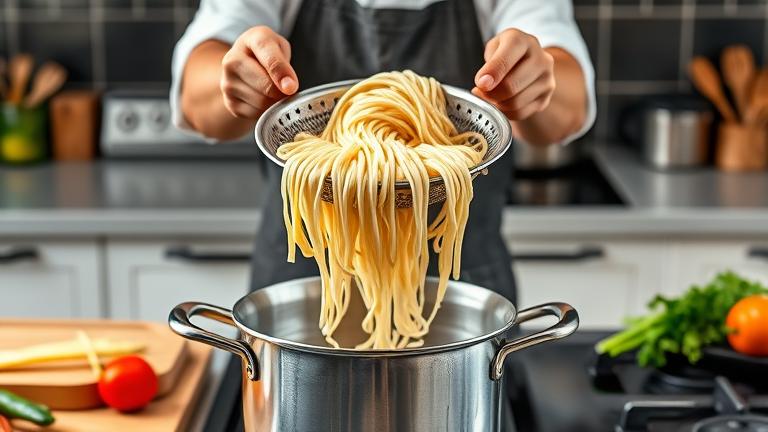
Next, you’ll need a slotted spoon or a spider strainer. These tools are perfect for safely removing noodles from hot water without splashing or risking burns. They allow excess water to drain off quickly and make handling easier. For smaller batches, a slotted spoon is handy, but for larger quantities, a spider or skimmer works better.
If you plan to shock your noodles in ice water a step that stops cooking and preserves texture you’ll need a large bowl or basin filled with cold water and ice. Make sure your basin is big enough so the noodles can sit comfortably and cool evenly. It’s a good idea to have more ice than water to keep the water very cold during the process.
A timer is an essential tool for blanching. It helps you keep track of boiling time precisely, preventing overcooking or undercooking. Sometimes, noodle types vary in blanching time, so a reliable timer keeps you on schedule. Most smartphones have built-in timers, or you can use a dedicated kitchen timer.
Other helpful tools include a colander or strainer for draining noodles after boiling, and tongs for handling hot noodles if you prefer not to use a slotted spoon. Additionally, having a pair of heat-resistant gloves can give extra protection when handling hot items or transferring hot water.
- Cooking pot, preferably at least 4-6 quarts
- Slotted spoon or spider strainer
- Large bowl or basin for ice water
- Ice cubes or crushed ice for cooling
- Kitchen timer or smartphone timer
- Colander or strainer for draining
- Optional: Tongs and heat-resistant gloves for safety
Having these tools ready before you start blanching noodles will help the process go smoothly. With the right equipment, you’ll be able to blanch your noodles quickly and safely, setting you up for perfect dishes every time.
Step-by-Step Blanching Process
Blanching noodles is a simple technique that helps improve their texture, remove excess surface starch, and prepare them for further cooking or freezing. Whether you’re preparing fresh pasta or dried noodles, following these steps will give you the best results. It’s a quick process that, when done correctly, ensures your noodles stay firm and flavorful.
Preparation
Start by filling a large pot with plenty of water. Use about 4 to 6 quarts of water for every pound of noodles. Add a generous pinch of salt to the water it enhances flavor and helps the noodles cook evenly. While the water heats, fill a large bowl with cold water and ice cubes. This will be used to stop the cooking process after blanching.
Loosen or break apart the noodles if they’re stuck together. If using long noodles, like spaghetti, you can break them in half to fit comfortably into the pot. Keep an eye on your ingredients and gather everything ahead of time to make the process seamless.
Boiling the Noodles
Bring the water to a rolling boil over high heat. Once boiling, carefully add the noodles to the pot. Stir immediately to prevent sticking. Maintain a steady boil; this ensures the noodles blanch evenly.
Set a timer based on the type of noodle you are blanching. Thin noodles like vermicelli or rice noodles might only need 1 to 2 minutes. Thicker or fresh noodles may require 2 to 3 minutes. The goal isn’t to cook the noodles fully but to soften them lightly and loosen their surface starch.
Timing
Use a timer to avoid overcooking. Keep the noodles in the boiling water just until they become slightly tender but still firm to the bite. Over-blanching can make the noodles mushy, especially if you plan to freeze them later. If unsure, check the texture a minute before the timer ends. The noodles should be slightly underdone, as they will finish cooking later during stir-frying or boiling for a recipe.
Cooling and Draining
Once the noodles reach the desired blanching time, use a slotted spoon or strainer to lift them out of the boiling water. Immediately transfer the noodles into the bowl of ice water. This stops the cooking process and helps retain their texture and color.
Let the noodles sit in the ice bath for about 2 to 3 minutes. Gentle agitation occasionally can help cool them evenly. After cooling, drain the noodles thoroughly. Pat them dry with a clean towel if you plan to store or stir-fry later to prevent excess moisture.
Blanched noodles are now ready for their next step whether that’s storing in the freezer, tossing with sauce, or adding to a stir-fry. Follow these simple steps for consistently great results every time you prepare noodles at home.
Tips for Perfectly Blanched Noodles
Blanching noodles is a simple yet important step in many recipes, especially when preparing salads or rice bowls. It helps remove excess starch, softens the noodles just right, and keeps their color vibrant. To get the best results every time, follow these practical tips on timing, water temperature, and handling.
Choose the Right Water Temperature
Start with a large pot of boiling water. The water should be at a rolling boil, which means big bubbles are continuously rising to the surface. Using boiling water ensures the noodles cook quickly and evenly, preventing them from becoming mushy or sticking together. If you lower the heat too much, the noodles may not cook properly, leading to uneven texture.
Use Plenty of Water and Salt
Fill your pot generously a good rule of thumb is at least 4 to 6 quarts of water per pound of noodles. This gives the noodles room to move around, reducing clumping. Add a generous pinch of salt once the water is boiling. Salt not only flavors the noodles but also helps improve their texture and color.
Timing is Key
The main trick to perfectly blanched noodles is timing. Most pasta and Asian noodles cook quickly, usually between 2 to 5 minutes once submerged. Check the package instructions for guidance, but start tasting the noodles around the 2-minute mark. You want them to be al dente tender but still slightly firm to the bite.
To avoid overcooking, set a timer. Once the noodles reach the desired texture, quickly drain them to halt the cooking process. Remember, they will continue to soften slightly after draining, so aim for just before they reach perfect doneness.
Handle with Care
- Stir the noodles gently during the first minute to prevent sticking.
- Use a slotted spoon or tongs to remove the noodles, reducing excess water and preventing breakage.
- Rinse with cold water immediately after draining if you are using them for cold dishes or salads. This stops the cooking process and cools the noodles down quickly.
Tips for Better Results
- Don’t leave the noodles in the hot water for too long. Overcooking makes them soft and mushy.
- If you plan to store blanched noodles, toss them with a little oil before storing to prevent sticking.
- Always taste test to determine the perfect timing for your preferred texture.
- Remember, every type of noodle can vary slightly. Adjust cooking times based on the noodle thickness and brand.
With these tips, you can master the art of blanching noodles, ensuring they are perfectly cooked every time. Whether for a quick stir-fry or a cold noodle salad, well-blanched noodles will elevate your dish and make cooking more enjoyable.
Common Mistakes to Avoid
Blanching noodles can seem simple, but it’s easy to make mistakes that affect the final result. Whether you’re aiming for perfectly cooked pasta or vegetable noodles, knowing what pitfalls to watch out for can save you time and some frustration. Read on to discover common errors made during blanching and practical tips on how to prevent them.
One of the most frequent mistakes is overcooking the noodles. When noodles are left in boiling water too long, they can become mushy and lose their texture. This is especially true with delicate vegetables or fresh pasta. To avoid this, set a timer as soon as the water returns to a boil and check the noodles a minute before the recommended cooking time. They should be tender but still have a slight firmness, known as al dente.
Another common error is undercooking the noodles. It might be tempting to remove them from boiling water quickly, especially if they look soft on the outside. But outside doneness doesn’t always mean they’re cooked through. To prevent this, taste-test a noodle or vegetable a minute before the timer ends. They should be cooked evenly throughout without having a raw or chalky center.
Many home cooks forget to prepare an ice bath after blanching. An ice bath halts the cooking process instantly, helping maintain the color, flavor, and crispness of the noodles. Skipping this step can lead to overcooking and a loss of that fresh, bright appearance. To do it right, fill a large bowl with ice and cold water. As soon as the noodles are done, transfer them directly into the ice bath and let them sit for at least a few minutes. This step is especially important when you plan to freeze or chill the noodles for later use.
Timing is crucial, but so is the amount of water used. Using too little water makes it difficult for noodles to move freely and cook evenly. Large batches in cramped pots may also stick together. Always use plenty of water at least 4-6 quarts for a pound of noodles and stir occasionally during cooking to prevent sticking or clumping.
One often overlooked mistake involves adding salt to the water. Salt enhances flavor but adding it too late or in small amounts can cause bland noodles. For best results, add about a tablespoon of salt for every 4 quarts of water before the water boils. This ensures the noodles are seasoned evenly during cooking.
Finally, be cautious about rinsing noodles or vegetables excessively after blanching. While rinsing helps stop cooking and preserves color, rinsing too much can wash away nutrients and flavor. Use a gentle rinse only if you wish to chill the noodles or remove surface starch for stir-fry preparations.
- Tip: Keep a close eye on the cooking time and taste-test regularly.
- Tip: Always prepare an ice bath before starting to blanch.
- Tip: Use plenty of water and keep it salted for better flavor and even cooking.
Types of Noodles Suitable for Blanching
Blanching is a quick cooking process involving boiling noodles briefly and then cooling them in cold water. It helps make noodles easier to work with, especially for stir-fries, salads, or freezing. Not all noodles are suitable for blanching, so knowing which types work best can save you time and improve your dishes.
Some of the best noodles for blanching include pasta, rice noodles, and soba. Each type has specific qualities that make it ideal for this process. Let’s explore these in more detail, along with tips to get the best results.
Pasta
Pasta, such as spaghetti, penne, or fusilli, is one of the most common noodles to blanch. Since pasta is usually used in cooked dishes, blanching helps prevent overcooking and stickiness. When you blanch pasta, aim for it to be just tender, or al dente.
To blanch pasta, bring a large pot of water to a rolling boil. Add a generous pinch of salt to season the noodles. Cook the pasta until it is just under your desired doneness, then quickly drain it and transfer to a bowl of ice water. This halts the cooking and cools the noodles for immediate use or storage. Remember, over-blanching pasta can make it mushy when reheated.
Rice Noodles
Rice noodles are thin and delicate, often used in Asian dishes like stir-fries or spring rolls. They cook quickly and can become sticky if overcooked. Blanching rice noodles is a great way to soften them before adding to stir-fry recipes or salads.
To blanch rice noodles, bring a pot of water to a boil. Add the noodles and cook briefly for about 1 to 2 minutes until they soften but are still slightly firm. Drain and transfer to cold water. Gently toss the noodles to remove excess starch and stop the cooking. Blanching rice noodles helps maintain a tender, firm texture that holds up well during stir-frying.
Soba Noodles
Soba, made from buckwheat flour, has a distinctive nutty flavor and is often used in Japanese cuisine. Because soba noodles are usually cooked quickly, blanching is an effective step if you want to prepare them in advance or add them to cold dishes like salads.
Boil water and add soba noodles. Cook for about 3 to 4 minutes or according to package instructions. Drain the noodles and rinse thoroughly under cold running water. This removes excess starch and keeps the noodles from sticking together. Proper blanching enhances their flavor and texture, making them more enjoyable in chilled dishes.
Additional Tips for Blanching Noodles
- Use plenty of water to prevent noodles from sticking together.
- Add a little salt to the boiling water for flavor.
- Keep an eye on cooking times, as over-blanching can affect texture.
- Always cool noodles quickly in cold water after blanching to stop cooking.
- Drain thoroughly to avoid excess water in your dish.
Culinary Uses and Health Benefits of Blanching
Blanching is a straightforward kitchen technique that involves briefly boiling noodles or vegetables before cooling them quickly in ice water. For noodles, blanching serves several culinary purposes, making it a valuable step in many recipes. Not only does it help achieve the perfect texture, but it also prepares the noodles for further cooking or storage.
One common practice is to blanch fresh noodles before stir-frying or freezing. Blanching softens them just enough to prevent sticking and makes them easier to handle. It also helps lock in their color and flavor. For dried noodles, blanching can be a quick way to rehydrate and soften them for dishes like soup or cold noodle salads.
Aside from enhancing texture, blanching plays a key role in food safety. Brief boiling destroys surface bacteria and enzymes that cause spoilage. This makes it especially useful when preparing noodles and vegetables for freezing, as it helps retain freshness and quality over time.
Health benefits are another important reason to blanch noodles properly. When you blanch vegetables, nutrients such as vitamins C and B are better retained compared to longer cooking times. Although noodles aren’t rich in vitamins, blanching still helps preserve water-soluble nutrients that can be lost during extended cooking.
Blanching also improves the final dish’s texture. Noodles that have been blanched and cooled tend to be more elastic and less likely to become mushy or sticky. This is particularly important for dishes where noodles need to hold their shape, such as cold salads or layered casseroles.
Here are some practical tips for effective blanching:
- Always use plenty of boiling water to quickly cook the noodles evenly.
- Do not over-blanch; usually 30 seconds to a minute is enough, depending on noodle thickness.
- Immediately cool the noodles in ice water after blanching to halt cooking and set the texture.
- Drain thoroughly before using in your recipe to prevent excess water from affecting flavor or texture.
Blanching is a versatile technique that benefits both immediate cooking and ingredient preparation for storage. Mastering it can enhance the quality, safety, and nutritional value of your noodle dishes, making home cooking more delicious and nutritious.