
Are Frozen Peas Safe to Eat Raw?
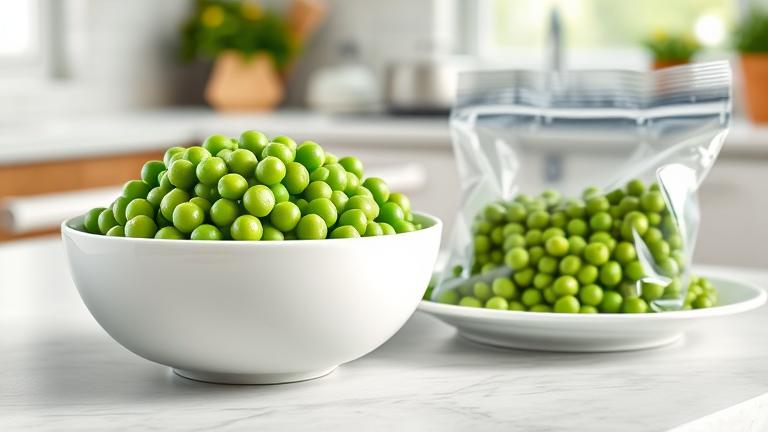
Many people wonder if they can enjoy frozen peas straight from the bag without cooking them first. While it might seem convenient to snack on peas raw, it’s important to understand the safety considerations involved. Frozen peas are generally safe to eat raw, but there are some points to keep in mind to avoid any health issues.
Frozen peas are typically blanched before freezing. Blanching is a quick boil process that helps preserve flavor, color, and texture. This step also reduces the number of bacteria and enzymes that could cause spoilage. Since they are blanched before freezing, most of the harmful germs are eliminated, making frozen peas safe to eat raw for many people.
However, it is still wise to handle them properly. Always wash your hands before handling frozen peas, and rinse them under cold water before eating. This extra step can help remove any remaining surface dirt or bacteria. It’s especially important if you plan to add them directly to salads or use them as a garnish without cooking.
Despite the safety of frozen peas, some people might be more cautious. Pregnant women, young children, the elderly, or those with compromised immune systems should ideally cook frozen peas before eating. Cooking thoroughly kills any potential bacteria or parasites that might be present, offering an extra layer of safety.
Another thing to keep in mind is the texture and taste. Frozen peas are usually firmer and more flavorful after cooking. Eating them raw may result in a firmer, less sweet experience, which some might find less enjoyable. If you decide to eat them raw, do so in moderation and ensure they’re properly rinsed.
In some cases, consumers worry about pesticides or contaminants on frozen peas. Buying organic or thoroughly washing peas can reduce these risks. Though most frozen peas are safe thanks to the blanching process, proper handling and sanitation are always good practice.
To sum up, frozen peas are usually safe to eat raw because they are pre-blanched. Just remember to rinse them well and handle them with clean hands. For the highest safety, especially in vulnerable groups, cooking frozen peas thoroughly is recommended. This simple step not only improves safety but can also enhance flavor and texture, making your pea dishes even more enjoyable.
Nutritional Benefits of Eating Frozen Peas
Frozen peas are a handy and nutritious addition to your diet. They are not only affordable and convenient but also packed with essential vitamins, minerals, and fiber. Incorporating frozen peas into your meals can boost your overall health in simple and tasty ways.
One of the main reasons to enjoy frozen peas is their impressive vitamin profile. They are rich in vitamin C, which helps support your immune system and keeps your skin healthy. They also contain vitamin K, important for blood clotting and bone health. Additionally, frozen peas provide small amounts of B vitamins, including folate, which is essential for cell growth and energy production.
Frozen peas are a good source of minerals too. They contain iron, which is vital for producing red blood cells and transporting oxygen throughout your body. They also have magnesium, which helps with muscle function and energy levels, and potassium, which supports healthy blood pressure and heart function. Eating a variety of foods like frozen peas can help ensure you get these important nutrients.
Besides vitamins and minerals, frozen peas are high in dietary fiber. Fiber is key for digestion because it helps keep your gut healthy and prevents constipation. It also promotes a feeling of fullness after meals, which can help with weight management. Including enough fiber in your diet is linked to a lower risk of heart disease and certain types of diabetes.
Another advantage of frozen peas is their antioxidant content. They contain plant compounds like lutein, zeaxanthin, and flavonoids. These antioxidants protect your cells from damage caused by harmful free radicals. Eating foods rich in antioxidants may reduce the risk of chronic illnesses and support your overall well-being.
Plus, frozen peas are quick to prepare and maintain most of their nutrients even after processing. Because they are frozen soon after harvest, they retain their nutritional value better than fresh peas that may sit in storage or on shelves for weeks. This makes them a reliable source of nutrition all year round.
If you want to get the most benefits from frozen peas, try adding them to soups, stews, stir-fries, or salads. You can also mash them into spreads or mix them into pasta dishes. Just be sure not to overcook them, as excessive heat can diminish some of their nutrients. A gentle steaming or quick blanch is enough to preserve their vitamins and flavor.
- Tip: Always check the packaging for any added salt or preservatives. Choose plain, unsalted frozen peas for the healthiest option.
- Tip: Rinse frozen peas under cold water before cooking to remove any ice crystals and improve texture.
Overall, enjoying frozen peas is a smart and tasty way to enrich your diet with essential nutrients. Their health benefits make them a versatile and nutritious choice for any meal plan.
Risks of Consuming Raw Frozen Peas
Eating raw frozen peas might seem tempting for a quick snack or a quick addition to dishes, but it’s important to understand the potential health risks involved. While peas are generally healthy and nutritious, consuming them raw from the freezer can expose you to certain food safety concerns.
One of the main risks of eating raw frozen peas is the possibility of foodborne illnesses. Even though frozen peas are processed and stored at low temperatures to prevent bacteria growth, they can still harbor harmful microorganisms such as bacteria, viruses, or parasites. If the peas are not cooked properly before consumption, these pathogens may survive and cause illness.
Bacterial contamination is the most common concern. Pathogens such as Salmonella, Listeria, and E. coli have been associated with contaminated vegetables, including peas. These bacteria can cause symptoms like stomach cramps, diarrhea, vomiting, and fever. In severe cases, especially for young children, pregnant women, older adults, or those with weakened immune systems, the illnesses can be serious or even life-threatening.
Another issue to consider is contamination during harvesting, processing, or packaging. Sometimes, peas can come into contact with dirty water, contaminated soil, or equipment that has not been properly sanitized. These contaminants can carry germs directly onto the peas, increasing the risk of illness when eaten raw.
Besides biological hazards, chemical contaminants are also a concern. Pesticides, herbicides, or other chemical residues used during farming might linger on the peas. While washing peas can reduce some surface residues, it does not eliminate all chemicals. Eating raw peas that haven’t been properly washed or peeled can lead to exposure to these unwanted substances.
Contaminants like mold or bacterial toxins can develop if frozen peas are stored improperly or for too long. Freezing slows down growth but doesn’t eliminate all bacteria or toxins. Consuming peas that have been stored beyond their recommended shelf life might increase health risks.
It’s also worth mentioning that some individuals might experience digestive issues from eating raw peas. For example, peas contain oligosaccharides, a type of carbohydrate that can cause bloating, gas, or stomach discomfort in sensitive people. Cooking peas helps break down these compounds and makes them easier to digest.
To minimize these risks, it’s best to cook frozen peas thoroughly before eating. Cooking at boiling temperatures for a few minutes not only improves taste and texture but also kills most harmful germs. Avoid eating frozen peas straight from the bag without proper cooking, especially if you plan to eat large amounts or if you belong to a vulnerable group.
- Always cook frozen peas thoroughly according to package instructions.
- Wash peas under cold running water before cooking, even if they are pre-washed.
- Store frozen peas properly in your freezer and don’t eat them past their expiration date.
- Be cautious if you have a weakened immune system or are pregnant, as you may be more susceptible to foodborne illnesses.
In summary, while raw frozen peas might seem harmless, they carry certain risks of foodborne illnesses and contaminants that cooking can effectively prevent. Following proper handling and cooking practices will help you enjoy peas safely and deliciously.
How to Store Frozen Peas Properly
Storing frozen peas the right way is key to keeping them fresh, tasty, and safe to eat. When you buy a bag of frozen peas, you want to make sure they stay in the best condition until you’re ready to cook with them. Proper storage helps prevent spoilage and keeps their nutrients intact. Here are some simple tips to help you store frozen peas correctly.
Choose the Right Container
First, always keep frozen peas in an airtight container or a resealable freezer bag. If the original packaging gets damaged or is not resealable, transfer the peas to a new, airtight container. This prevents air from entering, which can cause freezer burn—dry spots that make the peas lose flavor and texture. For convenience, use bags designed for freezing, as they help protect peas from moisture and air.
Maintain Proper Temperature
Freezer temperature should stay at or below 0°F (-18°C). If your freezer isn’t cold enough, the peas may partially thaw and refreeze, which can affect their texture and quality. Keep an eye on your freezer settings, especially if you notice ice crystals forming inside containers. Try to avoid opening the freezer door too often, as temperature fluctuations can reduce the quality of frozen peas.
Seal and Label Your Peas
Always remove as much air as possible from the storage bag before sealing. Excess air can cause freezer burn and spoilage. Use a straw to suck out air or press out air gently with your fingers. Label each package with the date of freezing so you know how long they’ve been stored. Frozen peas are best used within 8 to 12 months for optimal flavor and nutrition. After that, they may still be safe to eat but could lose quality.
Avoid Freezer Burn
Freezer burn occurs when the peas are exposed to air for too long. It looks like grayish or whitish spots and can make the peas dry and less tasty. To prevent this, always ensure your bags are sealed tightly and store the peas away from the freezer walls where air circulation is good. Using heavy-duty freezer bags or vacuum-sealing bags offers extra protection.
Tips for Safe Storage
- Do not refreeze peas that have thawed completely. Once thawed, they can spoil faster and lose quality.
- If you notice any strange smell, discoloration, or ice crystals inside the package, it’s best to discard those peas.
- Keep frozen peas separated from raw meats or other strongly flavored foods to avoid cross-contamination and flavor transfer.
With these simple storage methods, your frozen peas will stay fresh, flavorful, and safe until you’re ready to cook. Proper storage not only preserves their quality but also ensures you get the best taste and nutrition in every bite.
Do You Need to Cook Frozen Peas?
Many home cooks wonder if they need to cook frozen peas before eating them. The answer depends on how you plan to use the peas and your personal preferences. Frozen peas are processed and stored at their peak freshness, making them convenient and nutritious, whether cooked or eaten raw. But there are some important things to consider when deciding if cooking is necessary.
Generally, frozen peas are already blanched, which means they are briefly boiled and then cooled quickly before freezing. This process helps preserve their bright color, flavor, and nutrients. Because of this, some people like to add them directly to dishes without cooking further. For example, you can toss frozen peas into a cold pasta salad or stir them into a hot soup. In these cases, the heat from the dish will warm or cook the peas enough to enjoy a tender bite.
However, there are occasions when cooking frozen peas is a good idea. Cooking helps improve their texture and flavor, especially if they will be served on their own or in a dish where they need to be soft. Boiling or steaming frozen peas for a few minutes makes them more palatable and easier to eat. Also, cooking can destroy any bacteria or germs that might be present in the packaging, even if they are minimal.
If you decide to cook frozen peas, here are some simple methods:
- Boiling: Bring a pot of water to a boil. Add the frozen peas and cook for 2-3 minutes until tender. Drain and serve.
- Steaming: Place frozen peas in a steamer basket over boiling water. Cover and steam for about 2-3 minutes until bright green and tender.
- Microwaving: Put peas in a microwave-safe bowl with a little water. Cover and microwave on high for 1-2 minutes, then stir and check for doneness.
Beware of overcooking peas. They can become mushy and lose their vibrant color. The goal is to heat them enough to soften without turning them into a squishy mess. Keep an eye on them during cooking to get the perfect texture.
In some recipes, raw frozen peas work just fine and save time. For example, in cold pasta salads or when added at the last minute to stir-fries, they taste great straight from the freezer. Just make sure they are still crisp and bright green before adding. They can be slightly defrosted or warmed gently if preferred.
In summary, whether you cook frozen peas depends on how you want to eat them. For most dishes, a quick brief cook enhances flavor and texture. But for quick snacks or salads, eating them raw can be perfectly fine. Remember to always check the package instructions and your recipe needs to decide the best way to enjoy those little green gems.
FAQs About Eating Frozen Peas Raw
Many people wonder if it’s safe and healthy to eat frozen peas raw. Frozen peas are a convenient vegetable to keep in your freezer, but you might be unsure whether you can enjoy them straight from the bag. Here are some common questions and practical tips to help you make the most of your frozen peas.
Is it safe to eat frozen peas raw?
Yes, it generally is safe to eat frozen peas raw. Most frozen peas are blanched briefly before freezing, which helps eliminate bacteria and enzymes that could cause spoilage. However, it’s still important to purchase peas from reputable sources and handle them properly.
While frozen peas are safe to eat raw, they are often cooked to improve taste and texture. If you decide to eat them raw, give them a quick rinse under cold water to remove any surface ice or debris. Remember that eating raw vegetables always carries a small risk of foodborne illness, so use your best judgment.
Are there any health benefits to eating frozen peas raw?
Absolutely! Frozen peas retain most of their nutrients, making them a nutritious addition to your diet. When eaten raw, they provide a good source of vitamins like vitamin C and K, as well as fiber and antioxidants. These nutrients support your immune health, digestion, and overall wellness.
Eating peas raw can also keep their enzymes intact, which may aid digestion. Plus, they have a naturally sweet flavor and crunchy texture that many people enjoy raw in salads or as a snack.
How should I prepare frozen peas for raw eating?
Preparation is simple. First, measure out the amount of peas you want to eat. Then, transfer them to a bowl or colander. Rinse thoroughly under cold running water. This step washes away any ice crystals, dust, or packaging residues.
Once rinsed, drain well and enjoy! You can add raw peas directly to salads, mix them into dips, or eat them as a quick, healthy snack. If you prefer, sprinkle a little salt or lemon juice for extra flavor.
Are there any tips for eating frozen peas raw safely?
- Always buy high-quality peas from reputable stores or brands.
- Keep peas refrigerated if not using immediately, and use them within a few days of purchase.
- Rinse thoroughly before eating to remove any surface contaminants.
- If you have a compromised immune system or are pregnant, consult your healthcare provider before consuming raw frozen vegetables.
- If peas taste off or have an unusual smell, discard them to avoid any risk of foodborne illness.
Can eating frozen peas raw cause any digestive issues?
Some individuals may experience bloating or gas after eating raw peas, due to their high fiber and certain carbohydrate content called raffinose. If you’re sensitive, start with small servings and see how your body responds.
Cooking peas helps break down these compounds, making them easier to digest. However, if you enjoy raw peas and tolerate them well, they can be a healthy, crunchy snack or addition to your meals.
Tips for Including Frozen Peas Safely
Frozen peas are a convenient and healthy addition to many meals. They’re perfect for quick stir-fries, soups, salads, and more. But to get the best flavor and ensure safety, a few simple handling and preparation tips are helpful.
Handling Frozen Peas Properly
When you first buy or open a bag of frozen peas, keep them frozen until ready to use. Do not leave them at room temperature for long periods, as this can encourage bacteria growth. Instead, transfer the desired amount to a clean container or transfer directly from the bag into your cooking pot or pan.
- Avoid thawing at room temperature: Thawing peas on the counter can be unsafe. Instead, cook them directly from frozen for best results.
- Use a clean spoon or scoop: When serving or portioning, always avoid re-contaminating the bag by using clean utensils.
Thawing Frozen Peas Safely
If your recipe requires thawed peas, do so safely. The best method is to transfer the frozen peas into the refrigerator overnight. This slow thaw keeps the peas at a safe temperature and maintains quality. Alternatively, if you’re in a hurry, place the peas in a sealed bag and submerge in cold water for about an hour.
Never thaw peas at room temperature or in hot water, as these methods can promote bacteria growth. Once thawed, use the peas within 1-2 days for optimum freshness and safety.
Cooking Frozen Peas Correctly
Cooking frozen peas is simple. Usually, you can add them directly into boiling water or steamed until tender, which typically takes 2-5 minutes. If you prefer stir-frying or sautéing, add the frozen peas to hot oil or pan directly; cook for about 3-4 minutes until heated through.
Ensure peas are heated evenly. Do not cook the peas for too long, as overcooking can make them mushy and reduce their texture and flavor. When cooking, avoid adding raw peas to dishes that will be left out at room temperature for a long time to prevent bacteria growth.
Storage Tips for Frozen Peas
Keep frozen peas in a tightly sealed bag or container in the freezer. To prevent freezer burn and maintain flavor, avoid leaving them exposed to air for extended periods. Use within 8-12 months for the best quality.
Label the package with the purchase date so you can keep track of how long they’ve been stored. Proper storage helps keep the peas safe for consumption and keeps their texture and taste optimal.
Common Mistakes to Avoid
- Refreezing thawed peas: Once peas are thawed, do not refreeze unless cooked first. Refreezing raw, thawed peas can affect quality and safety.
- Cooking from thawed state unnecessarily: For many dishes, it’s safer and more convenient to cook peas directly from frozen. Thawing isn’t always necessary and can delay cooking.
- Ignoring hygiene: Always wash your hands and utensils thoroughly after handling frozen peas to prevent cross-contamination.
By following these simple handling, thawing, and cooking tips, you can enjoy frozen peas safely and make the most delicious meals with them. Frozen peas are versatile, healthy, and convenient when used correctly. Happy cooking!