
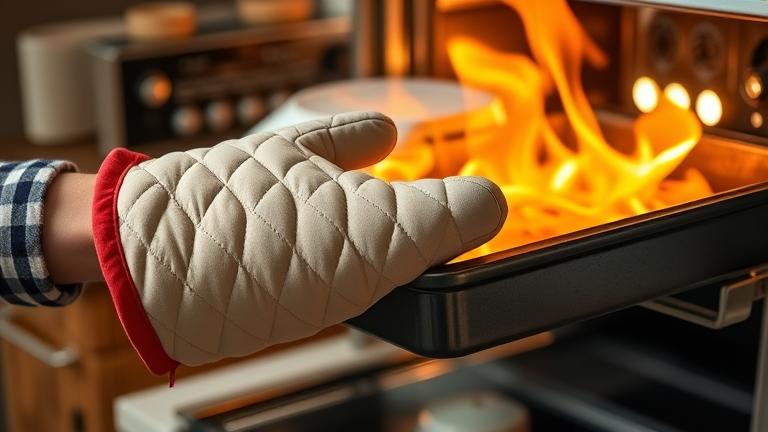
Introduction to Oven Mitts
Oven mitts are a vital tool in every kitchen. They are specially designed gloves or glove-like textiles that protect your hands from hot surfaces, such as oven racks, baking trays, and pots. Whether you’re pulling out a hot casserole or removing baked cookies from the oven, oven mitts help keep your hands safe from burns and heat injuries.
Understanding the purpose and importance of oven mitts can make cooking and baking much safer and more enjoyable. These protective accessories act as a barrier between your skin and high temperatures, reducing the risk of accidents and potential injuries. They also give you a better grip when handling hot items, making your kitchen tasks more efficient and less stressful.
Oven mitts come in various materials, sizes, and styles. Some are made of thick quilted fabric, while others use heat-resistant silicone or a combination of both. The right pair depends on your cooking habits and personal preferences. For example, silicone mitts are often more flexible and easier to clean, while fabric ones offer traditional softness and flexibility.
In addition to safety, oven mitts also help prevent damage to your cookware and kitchen surfaces. For instance, gripping a hot dish with a sturdy mitt prevents accidental slips and spills. This not only protects you but also keeps your kitchen cleaner and more organized.
Proper use of oven mitts is simple but important. Always ensure they are dry before use, as moisture can transfer heat unexpectedly. Check for any tears or damage before wearing them. Holding hot objects with a firm, confident grip helps prevent accidents. Remember, never use towels or dishcloths as a substitute because they can slip or catch fire easily.
If you’re new to using oven mitts, start with a pair that feels comfortable in your hands. Practice grabbing different items and make sure you can move easily and securely. Over time, using the right oven mitts becomes second nature, protecting you and making your kitchen tasks safer and more enjoyable.
To sum up, oven mitts are more than just a kitchen accessory they are a safety essential. They shield your hands from heat, improve your grip, and help keep your cooking process smooth and stress-free. Investing in good-quality oven mitts and knowing how to use them properly makes a big difference in your overall kitchen safety.
Materials Used in Oven Mitts
When it comes to oven mitts, the materials used are essential for providing protection, comfort, and durability. Different fabrics and fibers work together to keep your hands safe from hot dishes and oven racks. Understanding these materials helps you choose the right mitts for your needs and ensures you’re well-protected in the kitchen.
The most common materials in oven mitts include cotton, silicone, and heat-resistant fibers. Each of these has unique features that contribute to heat protection and durability. Let’s take a closer look at each one.
Cotton Fabric
Cotton is a popular choice for oven mitts because it is natural, breathable, and soft. Cotton mitts are often quilted or layered, which adds extra padding. This padding helps insulate your hands from heat, making cotton a reliable option for many baking needs.
However, cotton alone doesn’t resist high temperatures very well. It’s important that cotton mitts are lined or combined with other heat-resistant materials. Cotton is also durable and washable, so it can withstand frequent use without wearing out quickly.
Silicone Coating
Silicone is a versatile material used in many modern oven mitts. It creates a non-slip grip, which is very helpful when handling hot pots and pans. Silicone-coated mitts are typically flexible and easy to clean. They resist stains and do not retain odors.
The silicone layer provides excellent heat resistance, often up to 500 degrees Fahrenheit or more. It’s especially good for tasks that require gripping or handling hot, greasy items. Plus, silicone is heat resistant, flexible, and can be shaped into various designs for a comfortable fit.
Heat-Resistant Fibers
Some oven mitts are made with advanced heat-resistant fibers such as aramid (like Kevlar) or Nomex. These fibers are known for their exceptional resistance to heat and flames. They are often found in industrial-grade gloves but are also used in high-quality kitchen mitts.
These materials provide excellent heat protection without adding much bulk. They are lightweight yet durable, making them suitable for professional chefs or serious home cooks. Usually, these fibers are combined with other fabrics, like cotton or silicone, to enhance comfort and grip.
Other Key Materials and Tips
- Layers matter. Many oven mitts feature multiple layers, combining cotton, heat-resistant fibers, and silicone for maximum protection.
- Look for reinforced seams and grip areas for added durability and safety.
- Some mitts are waterproof or stain-resistant, made with specific materials for easier cleaning and longer use.
Choosing the right material depends on how often you cook, what you cook, and your preference for flexibility and grip. Cotton mitts are great for casual baking, while silicone or high-tech fibers are better suited for heavy-duty tasks. Knowing what each material contributes can help you pick oven mitts that keep your hands safe and comfortable in the kitchen.
How Oven Mitts Provide Insulation
Oven mitts are essential tools in any kitchen. They help protect your hands from hot dishes, pans, and oven racks. But have you ever wondered how they actually keep your skin safe from high temperatures? The secret lies in their insulating properties, which prevent heat from transferring from hot objects to your skin.
At the heart of oven mitts’ effectiveness is their ability to resist heat transfer. When you handle something hot, heat moves from the object to your hand through conduction, convection, and radiation. Oven mitts block these processes by creating a barrier between the hot item and your skin. This barrier is made up of special materials designed to slow down or stop heat flow.
The Science of Heat Resistance
Oven mitts are typically made with multiple layers of insulating materials. Common materials include silicone, cotton, and Kevlar. These materials have properties that make them excellent at limiting heat transfer.
- Air pockets: Many oven mitts feature quilted or padded designs that trap tiny air pockets. Air is a poor conductor of heat, so these pockets act as a natural insulator.
- High heat resistance: Materials like silicone or Kevlar can withstand high temperatures without melting or degrading, maintaining their protective qualities even when exposed to intense heat.
- Low thermal conductivity: Insulating fabrics have low thermal conductivity, meaning they don’t easily allow heat to pass through. This helps keep the outer surface cool enough to touch.
How Insulation Works Inside the Mitts
When you grab a hot baking sheet, heat starts to transfer from the metal to your hand. An oven mitt’s layers slow down this transfer in several ways:
- Barrier Layer: The outer layer deflects radiant heat and prevents direct contact with hot surfaces.
- Insulating Layers: Padding and thick fabrics trap air and reduce conduction of heat from the hot object to your skin.
- Flexible and snug fit: The mitt’s shape ensures a firm, close contact, reducing gaps where heat could penetrate.
Safety Tips When Using Oven Mitts
- Make sure your oven mitts are dry before use. Moisture can conduct heat and cause burns.
- Replace worn or thin mitts. Over time, insulation can wear down, reducing their effectiveness.
- Use oven mitts that fit well. Loose mitts can slip or cause accidental contact with hot surfaces.
Summary
Oven mitts work by incorporating materials that resist heat transfer, creating a barrier that protects your skin from burns. Their layered design traps air, utilizes high-temperature resistant fabrics, and fits snugly to minimize gaps. Understanding how these layers work together can help you choose the best mitts and use them safely in your kitchen every day.
Design Features of Oven Mitts
Oven mitts come in many different styles, but certain design features make some more effective and safer than others. When choosing oven mitts, it’s helpful to understand how elements like length, grip texture, and lining impact how well they protect you and how easy they are to use.
Length and Coverage
The length of an oven mitt is an important safety feature. Short mitts that cover only the hand may leave your wrist and lower arm exposed to high heat or splashes of hot oil. Longer mitts, often reaching halfway up the forearm or higher, provide extra protection. For example, if you’re lifting a hot casserole out of the oven, a longer mitt helps prevent burns on your arm.
However, longer mitts can sometimes be less flexible. Think about what you’ll be doing: if you’re handling delicate baked goods, a shorter, more dexterous mitt might be better. For heavy-duty tasks like grilling or lugging large pans, longer options offer peace of mind.
Grip Texture and Material
Having a good grip on hot cookware is key to avoiding accidents. Many oven mitts feature textured surfaces or patterns that enhance grip, especially when items are greasy or wet. Materials like silicone or textured fabric help prevent slips, making it safer and easier to handle hot pots and pans.
Another factor is the material of the exterior. Classic cotton mitts are lightweight and breathable, but they need to be paired with heat-resistant lining. Silicone mitts are highly heat resistant and often come with textured surfaces, making them a popular choice for tasks requiring a secure grip. Sometimes, a combination of cotton and silicone offers the best of both worlds comfort, safety, and functionality.
Lining and Insulation
The lining inside an oven mitt is crucial for insulation and safety. Thicker, padded linings made of materials like quilted cotton or fleece help block heat from reaching your skin. Some mitts have additional layers, like heat-resistant foam or felt, to improve insulation and comfort.
Good lining also prevents sweat and moisture from reaching your hand, which can be uncomfortable and reduce grip. When choosing oven mitts, look for ones with high-quality lining that ensures durability and heat protection even after many uses.
Additional Design Elements
- Closure features: Some mitts include Velcro straps or cuffs to keep them snug and prevent hot air from sneaking in.
- Color and pattern: Bright colors or patterns can make it easier to find your mitts quickly and add a splash of fun to your kitchen.
- Ease of cleaning: Dishwasher-safe or machine-washable options save time and effort for busy cooks.
Ultimately, the best oven mitts blend strong protection with comfortable, easy-to-use features. Think about what types of cooking you do most often and choose designs that match your needs. A little extra investment in the right features can make cooking safer and more enjoyable for everyone at your kitchen counter.
Care and Maintenance of Oven Mitts
Oven mitts are essential for keeping your hands safe from hot cookware and oven surfaces. To ensure they stay effective and last a long time, proper care and maintenance are important. Regular cleaning, smart storage, and checking for wear will keep your oven mitts in good shape and ready for use.
First, it’s important to understand how to clean your oven mitts properly. Most oven mitts are made from materials like cotton, silicone, or a combination of both. Check the label for specific cleaning instructions. Usually, cotton mitts can be washed in a washing machine, while silicone ones can often be wiped down or hand washed. Avoid using harsh detergents or bleach, as these can weaken the fabric or damage the silicone.
For cotton or fabric oven mitts, washing them every few weeks or after heavy use helps remove grease, food residues, and odors. Use warm water and a mild detergent. If your mitts are particularly dirty or greasy, soak them for a few minutes before washing. For hand washing, gently scrub any stained or dirty spots with a soft brush or sponge. After washing, air dry your mitts completely before storing. Avoid using a dryer unless the label specifies it’s safe, as high heat can shrink or weaken the material over time.
Silicone oven mitts are low maintenance but still need regular cleaning. Wipe them with a damp cloth or sponge after each use. For a more thorough clean, wash with warm soapy water or place them in the dishwasher if the material allows. Make sure to dry silicone mitts thoroughly to prevent mold or mildew growth, especially if they are stored in a damp area.
Proper Storage Tips
- Store oven mitts in a dry, cool place away from direct sunlight. Excess heat or sunlight can cause discoloration and degrade the fabric and silicone.
- Keep them in a designated drawer or hanging hook where they won’t get squished or damaged. Hanging mitts not only save space but also help air circulate, keeping them fresh.
- Avoid cramming lots of mitts into a tight space. Overstuffed storage can cause the fabric to become misshapen or torn over time.
Checking for Wear and Safety
Regularly inspect your oven mitts for signs of damage. Check for frayed stitching, thinning material, or any tears. If you notice any cracks or holes, especially in silicone gloves, it’s time to replace them. Damaged mitts won’t protect your hands as they should and could cause burns or accidents.
Remember, even if your oven mitts look fine, if they have become stained, smelly, or less flexible, it’s a good idea to replace them. Trustworthy heat protection is worth investing in for your safety and the longevity of your kitchen tools.
By following these simple care tips, you can keep your oven mitts in top condition. Clean, store, and check them regularly so they’re always ready to protect your hands during cooking adventures. Well-maintained mitts not only last longer but also give you peace of mind while handling hot dishes.
Common FAQs About Oven Mitts
If you cook often, you’ve probably wondered about the best way to keep your hands safe from hot surfaces. Oven mitts are essential tools in any kitchen, but there are many questions about their safety, materials, and how to use them properly. Here are some common questions and clear answers to help you choose and use oven mitts with confidence.
Are oven mitts fireproof or fire-resistant?
Many people assume oven mitts are completely fireproof, but in reality, most are fire-resistant rather than fireproof. This means they can withstand high temperatures for a short period but are not designed to be placed directly in flames or used near open fire. Look for mitts labeled as flame-resistant or with materials like silicone or Kevlar, which provide better protection from heat and flame exposure.
What are the best materials for oven mitts?
Choosing the right material is key for safety and comfort. The most common materials include:
- Cotton with heat-resistant lining: Good for general use, breathable, but less heat-resistant.
- Silicone: Flexible, waterproof, and easy to clean. Offers excellent heat resistance up to certain temperatures.
- Kevlar or Nomex fabrics: High-performance fibers that resist flames and extend protective qualities.
- Neoprene or rubber: Durable and waterproof, suitable for handling hot liquids or greasy items.
For best safety, opt for oven mitts that combine multiple materials, like silicone on the outside with cotton lining for comfort.
Can oven mitts protect against very high temperatures?
Oven mitts typically provide protection against temperatures up to 500°F (260°C). However, continuous exposure to heat above this range can cause them to degrade or melt, especially if made from lower-quality materials. Always check the manufacturer’s temperature ratings and remember to replace mitts if they become worn, scorched, or torn.
How long can I safely hold hot items with oven mitts?
The safe holding time varies based on the mitt’s material and thickness, but generally, oven mitts are designed for short-term use of around 15-20 seconds when handling very hot items. If you need to hold something longer, consider using a pot holder or place the item down and lift it carefully later. Never try to “hold on” to hot objects for extended periods, as heat can transfer and cause burns.
Are there safety tips I should follow when using oven mitts?
Absolutely. Here are some practical tips:
- Check your mitts for tears, holes, or worn areas before use.
- Keep your hands dry; wet mitts can transfer heat more quickly and cause burns.
- Use a firm grip to prevent slipping, especially when handling heavy or hot items.
- Keep mitts away from open flames or burners, even if they’re heat-resistant.
- Wash oven mitts regularly to remove food residues and grease, which can reduce their effectiveness.
In summary, choosing the right oven mitts involves considering materials, heat resistance, and safety practices. Always inspect your mitts for damage and use them correctly to avoid accidents and keep your hands safe while cooking or baking.
Conclusion and Safety Tips
Oven mitts are essential tools in any kitchen. They protect your hands from burns when handling hot pots, pans, and baking dishes. Understanding how oven mitts work can help you use them effectively and safely. Typically made from heat-resistant materials like silicone, cotton, or thick fabric layers, oven mitts create a barrier between your skin and hot surfaces. This barrier helps prevent burns and allows you to move hot cookware with confidence.
Using oven mitts correctly is key to kitchen safety. Always check that your mitts are in good condition before use. Look for tears, thinning fabric, or stains that might reduce their effectiveness. Remember, wet or damp oven mitts don’t insulate well and can cause steam burns. Always dry them thoroughly before handling hot items. When grasping hot cookware, use a firm grip to prevent slips. Don’t rush or multitask with hot dishes, as accidental drops can cause injuries or messes.
Safety Tips for Handling Hot Cookware:
- Choose the right size and type: Use oven mitts that fit well and are appropriate for your task. Longer mitts provide extra protection, especially when removing items from high oven racks.
- Keep a safe distance: When lifting hot pots or pans, keep your face and body away from steam vents or splattering oil to avoid burns.
- Use both hands: For heavy or awkward items, use two mitts or a combination of an oven mitt and a sturdy cloth.
- Avoid touching other surfaces: Never use a single mitt to hold multiple items at once. This can cause the mitt to slip or heat transfer.
- Place hot items carefully: Once you transfer the hot cookware, set it down on stable, heat-resistant surfaces to prevent accidents.
- Store oven mitts properly: Keep them near your stove or baking area for quick access, but away from open flames or heat sources that could damage them.
Remember, the goal is to protect yourself from burns and accidents. Using oven mitts properly not only keeps you safe but also makes your cooking experience more enjoyable. Always be attentive and cautious when handling hot foods and cookware, and never underestimate the importance of safety tools in your kitchen.