
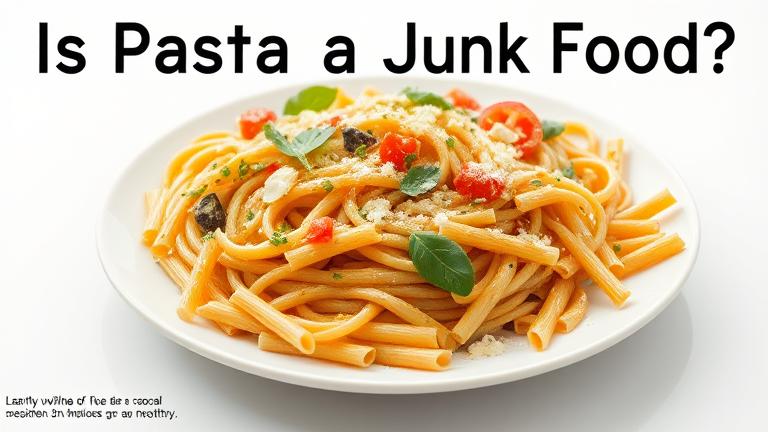
What Makes Pasta Considered Junk Food?
When you hear the term “junk food,” pasta might not be the first thing that comes to mind. However, some pasta dishes can fall into this category, especially when they are loaded with unhealthy ingredients or prepared in certain ways. Understanding what factors contribute to pasta being considered junk food can help you make smarter choices in the kitchen and when dining out.
Prime characteristics that classify pasta as junk food include the ingredients used, the cooking method, and the nutritional content of the final dish. Let’s look at these aspects more closely to see what makes some pasta dishes less healthy than others.
Ingredients Matter
The foundation of any good pasta dish is the ingredients. Traditional pasta made from whole wheat or healthier grains is a good start. But many junk food pasta dishes rely on refined white pasta, which is low in fiber and nutrients.
Another key factor is the sauce. Creamy, cheese-heavy sauces like Alfredo or carbonara, especially when made with lots of butter or full-fat cheese, add unhealthy fats and calories. Additionally, adding processed meats like sausage or pepperoni can boost saturated fat and sodium levels significantly.
Highly processed toppings, such as excessive cheese, canned sauces loaded with added sugars and preservatives, or fried ingredients, also push pasta into junk food territory.
Preparation Methods
How the pasta is cooked and served influences its healthiness. Deep-frying pasta or cooking it with a lot of oil can turn it into a calorie-dense, greasy dish. Microwaving instant pasta cups or frozen pasta meals often involves pre-fried or heavily processed ingredients that are high in sodium and artificial additives.
Additionally, portion size plays a role. Large servings with multiple cheese toppings or creamy sauces can turn a simple dish into a calorie bomb. Always try to control portions and avoid extra toppings that add unhealthy fats or sugars.
Nutritional Content
One of the main reasons some pasta is deemed junk food relates to its nutritional profile. Pasta high in refined carbs and low in fiber causes quick spikes in blood sugar levels. When combined with high-calorie, fatty sauces, the overall nutritional value drops significantly.
Look out for dishes with excessive sodium, added sugars, and saturated or trans fats. These components contribute to health issues like obesity, heart disease, and diabetes over time.
Tips to Avoid Junk Food Pasta
- Choose whole-grain or vegetable-based pasta options when possible.
- Opt for tomato-based sauces with plenty of vegetables instead of creamy or cheesy sauces.
- Limit the use of processed meats and high-fat ingredients.
- Control portion sizes and avoid piling on extra cheese or toppings.
- Cook pasta at home using fresh, simple ingredients for a healthier meal.
Remember, pasta itself isn’t inherently unhealthy. It’s how you prepare and what you add to it that can turn it into junk food. Being mindful of ingredients, cooking methods, and portion sizes helps you enjoy pasta dishes that are both tasty and good for your health.
Nutritional Content of Pasta
Pasta is a popular comfort food that can fit into a healthy, balanced diet. It is mainly made from durum wheat or other grains, which give it a good mix of essential nutrients. Understanding the nutritional profile of pasta can help you make smarter choices about how to include it in your meals.
At its core, pasta is a good source of complex carbohydrates. These are the sugars and starches that your body breaks down slowly, providing steady energy over time. A typical cooked serving of pasta, about one cup, contains around 200 calories and 40 grams of carbs. This makes pasta a reliable fuel source, especially for active individuals.
Macronutrients in Pasta
- Carbohydrates: The main component, providing around 80% of calories in pasta. These include starches and dietary fiber. Whole wheat pasta has more fiber than refined pasta, which helps digestion and keeps you full longer.
- Protein: Pasta contains about 7 grams of protein per cooked cup. While not a complete protein source, it pairs well with other protein-rich foods like beans, meat, or cheese.
- Fats: Pasta is low in fat naturally, usually around 1 gram per serving. The fat content depends on what you add to it, like olive oil, cheese, or meat.
Micronutrients in Pasta
Although pasta is mainly a carbohydrate source, it also provides some important vitamins and minerals. Enriched pasta often contains added nutrients like iron and B-vitamins such as folate. Whole wheat pasta naturally offers higher levels of magnesium, zinc, and dietary fiber.
| Nutrient | Amount per 1 cup cooked | Daily Value % |
|---|---|---|
| Calories | 200 | – |
| Carbohydrates | 40g | 14% |
| Protein | 7g | 14% |
| Fat | 1g | 2% |
| Fiber | 2g | 8% |
| Iron | 1.8mg | 10% |
| Folate | 80mcg | 20% |
How Pasta Fits Into a Balanced Diet
While pasta is rich in carbs and some nutrients, it’s best enjoyed as part of a well-rounded meal. Combine it with vegetables, lean proteins, and healthy fats for a nutritious plate. For example, a bowl of whole wheat pasta with roasted vegetables and grilled chicken makes a satisfying and balanced dinner.
Be mindful of portion sizes, especially if you’re watching your calorie intake. Use smaller servings if you’re aiming to lose weight, or add plenty of veggies and lean proteins to increase nutritional value without excess calories.
Another tip: choose whole grain or fortified pasta options whenever possible. These varieties offer more fiber and nutrients, helping you stay full longer and supporting overall health. Always read labels to check for added ingredients or preservatives.
- For added vitamins and minerals, pair pasta with colorful vegetables like spinach, bell peppers, or cherry tomatoes.
- Limit high-fat toppings like creamy sauces or excessive cheese to keep the meal healthy.
- Replace white pasta with whole wheat or legume-based pasta for more fiber and protein.
Healthy Pasta Alternatives
If you’re looking to make your meals more nutritious or want to try something different from traditional pasta, there are plenty of healthy alternatives to consider. These options are usually lower in refined carbs, higher in fiber, and packed with extra nutrients. Whether you’re aiming to increase your vegetable intake or incorporate more plant-based proteins, these alternatives can add variety and health benefits to your diet.
One of the most popular healthy pasta substitutes is whole grain pasta. Made from whole wheat or other whole grains, it retains the bran and germ, which means more fiber, vitamins, and minerals. Whole grain pasta has a slightly nuttier flavor and denser texture compared to regular pasta. It’s a good choice if you want a familiar taste but with added nutritional value.
Another tasty alternative is chickpea or legume-based pasta. Usually made from chickpea flour, these pastas are rich in protein and fiber. They are naturally gluten-free and have a slightly nutty flavor. Because they contain more protein, they can help keep you full longer, making them a great option for vegetarians or those looking to add more plant protein to their meals.
Vegetable-Based Pasta
If you want to boost your vegetable intake, consider spiralized vegetables or vegetable-based pasta. Zucchini, carrots, sweet potatoes, and squash can all be turned into spaghetti-like strands using a simple spiralizer. These veggie noodles are low in calories and carbs but high in vitamins and minerals. They absorb sauces well and add vibrant color to your dish.
- To prepare zucchini noodles, wash and cut off the ends of the zucchini. Use a spiralizer to make long noodles, then sauté or eat raw in salads.
- Sweet potato noodles can be baked or boiled until tender, offering a slightly sweet flavor and hearty texture.
Other Notable Alternatives
- Shirataki noodles: Made from konjac yam, these are very low in calories and carbs, with a gelatinous texture. Rinse well before cooking to remove any odor.
- Legume pasta blends: Some brands mix different beans and lentils to create a variety of flavors and textures.
Practical Tips for Choosing and Using Alternatives
- Check the ingredients list to ensure there are no added preservatives or fillers.
- Cook according to the package instructions, but be mindful of different textures. Vegetable noodles cook quickly and are best eaten al dente.
- Pair your healthier pasta with fresh vegetables, lean proteins, and flavorful sauces to keep meals balanced.
- Experiment with blending noodle types in one dish for extra variety.
Trying out these healthy pasta alternatives can bring new flavors and nutrients to your table. Don’t be afraid to experiment with different types to find your favorites. With a little practice, they can become staples in your nutritious diet.
How To Choose Better Pasta Options
Selecting healthier pasta options can make a big difference in your diet. With so many types available at the store, it’s helpful to know what to look for. Understanding labels and ingredients can help you make smarter choices that fit your health goals and taste preferences.
When choosing pasta, start by checking the ingredients list. The best options usually have simple ingredients like durum wheat semolina or whole wheat flour. If you see added sugars, artificial colors, or preservatives, those are signs to consider another option. Whole grain pasta is a popular choice because it contains more fiber and nutrients than regular white pasta. It also helps you feel full longer and supports digestion.
Next, look at the nutrition label. Focus on the serving size and check the amount of fiber and protein. Whole wheat pasta typically has more fiber than traditional pasta, which is great for your digestion and helps control blood sugar levels. Also, compare the calories and fat content if you’re watching your intake. Remember that pasta is often paired with sauces and toppings, so choosing a nutritious pasta sets a stronger foundation for a healthy meal.
Consider options made from alternative ingredients like chickpeas, lentils, or black beans. These types are packed with protein and fiber, making them a good choice for vegetarians or anyone wanting to boost their nutrition. They also have a different taste and texture, which can add variety to your meals.
| Type of Pasta | Key Benefits | Things to Watch |
|---|---|---|
| Whole Wheat Pasta | More fiber, nutrients, helps digestion | More dense than regular pasta, may take longer to cook |
| Legume-Based Pasta | High in protein and fiber, gluten-free | Different flavor and texture, check for added ingredients |
| Refined White Pasta | Soft texture, quick cooking | Less fiber and nutrients, can cause quick blood sugar spikes |
When shopping, also consider portion sizes. Some pasta brands sell smaller or larger packages, so choose what fits your hunger and meal planning. Keep in mind that pairing pasta with plenty of vegetables and lean proteins can make even the most refined pasta healthier. Don’t forget to check for added salt or preservatives, especially in flavored or colorful pasta varieties.
- Pick whole grain or legume pasta for added nutrition.
- Read labels carefully to avoid unwanted additives.
- Mix up your pasta types to keep meals interesting and balanced.
- Pair pasta with vegetables, lean meats, or plant-based proteins for a nutritious meal.
Making smart choices when selecting pasta helps you enjoy your favorite dishes while supporting your health. With a little attention to labels and ingredients, you can find options that taste great and nourish your body at the same time.
Effect of Pasta on Your Health
Pasta is a popular comfort food enjoyed around the world, and many people wonder how it affects their health. While pasta can be part of a balanced diet, it’s important to understand the potential benefits and risks involved. The type of pasta you choose and how you prepare it can make a big difference.
Traditional pasta made from refined wheat flour is quick to cook and widely available, but it may not have as many nutrients as whole grain options. Whole grain pasta retains the bran and germ layers of the wheat, providing more fiber, vitamins, and minerals. Eating more fiber helps support digestion, keeps you full longer, and can even assist in managing blood sugar levels.
Potential Benefits of Pasta
- Energy boost: Pasta is rich in carbohydrates, which are your body’s main source of energy. This makes it a good choice before physical activity or when you need extra fuel during a busy day.
- Comfort food with benefits: When cooked al dente (firm to the bite), pasta has a lower glycemic index, meaning it causes a slower rise in blood sugar. Pairing pasta with vegetables, lean proteins, or healthy fats can make the meal more balanced and nutritious.
- Supports digestion: Whole grain or legume-based pasta contains fiber that supports gut health and can prevent constipation.
Risks and Considerations
- Overeating: Pasta is easy to overconsume because it’s satisfying and comforting. Eating large portions regularly can lead to excess calorie intake and weight gain.
- Refined pasta and blood sugar: Refined pasta can cause quick spikes in blood sugar levels, especially if eaten without fiber-rich or protein-rich foods.
- Processed options: Flavored or instant pasta products may contain preservatives, added salt, and unhealthy fats. These can impact your overall health negatively if eaten frequently.
Preparation Tips for a Healthy Pasta Meal
- Choose whole grain or legume-based pasta: These options offer more fiber and nutrients than traditional refined pasta.
- Control portion sizes: A typical serving is about one cup cooked pasta. Use smaller portions if you’re trying to watch your calorie intake.
- Boost nutrition: Add plenty of vegetables like spinach, tomatoes, peppers, or zucchini. Include lean proteins such as chicken, shrimp, or tofu, and incorporate healthy fats like olive oil or avocado.
- Limit heavy sauces: Creamy or cheese-based sauces can add extra calories and fats. Try tomato-based sauces or fresh herbs for flavor without extra calories.
In summary, pasta can be a healthy part of your diet if you make mindful choices. Opt for whole grain varieties, watch your portions, and pair your pasta with nutritious ingredients. By doing so, you can enjoy this versatile food while supporting your overall health and well-being.
Tips for Cooking Healthier Pasta Dishes
Eating pasta doesn’t mean you have to compromise on health. With a few simple changes in ingredients and cooking methods, you can create pasta dishes that are both delicious and nutritious. Let’s explore some easy tips to help you cook healthier pasta meals.
First, choose whole grain or legume-based pasta when possible. These options add more fiber, protein, and nutrients compared to traditional refined pasta. They also help keep you full longer and support better digestion. Look for labels like whole wheat, chickpea, or lentil pasta at your grocery store.
Next, control your portion sizes. Instead of piling on lots of pasta, aim for about one cup cooked per person. Fill the plate with colorful vegetables and lean proteins to make the dish satisfying and balanced. This way, you get a good mix of nutrients without overdoing carbs.
Smart Ingredient Swaps
- Use olive oil or avocado oil instead of butter or creamy sauces. These fats are healthier and add rich flavor.
- Boost the nutritional value by adding vegetables such as spinach, zucchini, bell peppers, tomatoes, or broccoli. They add fiber, vitamins, and antioxidants to your meal.
- Choose lean proteins like grilled chicken, turkey, tofu, or shrimp to keep your dish filling and nutritious.
- Limit cheese or opt for lower-fat varieties. You can sprinkle a little Parmesan or feta for flavor without excess saturated fat.
Cooking Techniques for a Healthier Pasta
When cooking pasta, salt the water moderately about one tablespoon per four quarts of water to enhance flavor without excessive sodium. Cook pasta until it’s al dente, meaning it still has a slight firmness. This reduces the glycemic index and helps keep blood sugar levels stable.
Don’t rinse pasta after draining. Rinsing washes away some of the starch that can help sauce cling better. Instead, toss hot pasta directly with your prepared sauce and vegetables for maximum flavor and texture.
Try incorporating vegetables directly into the sauce. Sauté vegetables first with a little olive oil and garlic, then add cooked pasta. This technique ensures flavor and nutrient retention, plus it reduces the need for heavy, creamy sauces.
Additional Tips for Success
- Use herbs and spices such as basil, oregano, paprika, or chili flakes to add flavor without extra salt or sugar.
- Experiment with dairy alternatives like Greek yogurt or almond-based sauces to create creamy textures while reducing saturated fat.
- Plan ahead by cooking extra pasta and vegetables in advance. Store them in the fridge for quick, nutritious meals during busy days.
By making these simple swaps and applying smart techniques, you can enjoy pasta that tastes great and supports your health. Remember, small changes can lead to healthier habits and more flavorful meals every day.
Final Verdict: Is Pasta Truly Junk Food?
After looking at all the factors, it’s clear that pasta isn’t automatically junk food. In fact, pasta can be part of a balanced, healthy diet if you make smart choices. The key is how you prepare it and what you add to it. Simply eating plain pasta or choosing whole-grain varieties can be healthy options.
Popular perceptions often label pasta as unhealthy because of how it’s often served loaded with heavy sauces, excessive cheese, or processed toppings. These choices can turn a simple pasta dish into a high-calorie, nutrient-poor meal. However, pasta itself is just a carbohydrate source, and it provides energy and satiety. It’s what comes with it that really makes the difference.
Think about meal balance. Pairing pasta with plenty of vegetables, lean proteins like chicken or seafood, and healthy fats creates a nutritious plate. For example, a pasta salad with fresh tomatoes, spinach, and grilled shrimp makes a delicious, wholesome meal. On the other hand, frequent consumption of creamy, cheese-laden pasta dishes might contribute to weight gain or health issues if eaten often and in large portions.
Here are some practical tips to enjoy pasta without guilt:
- Choose whole-grain or vegetable-enriched pasta for extra fiber and nutrients.
- Control portion sizes to avoid overeating. A standard serving is about one cup cooked.
- Use tomato-based sauces instead of creamy ones to reduce saturated fat and calories.
- Add lots of vegetables for fiber, vitamins, and flavor think peppers, zucchini, or broccoli.
- Include lean proteins like chicken, turkey, or beans to make the meal more filling and balanced.
It’s also helpful to be mindful of how often you indulge in pasta dishes that are rich and heavy. Having pasta as an occasional treat rather than a daily staple allows you to enjoy it without compromising your health goals. Remember, even foods often considered “junk” can be part of a healthy diet if eaten thoughtfully and in moderation.
So, is pasta truly junk food? Not at all. When prepared wisely and eaten as part of a varied diet, pasta can be nourishing and satisfying. It’s all about balance, smart choices, and enjoying food without guilt.