
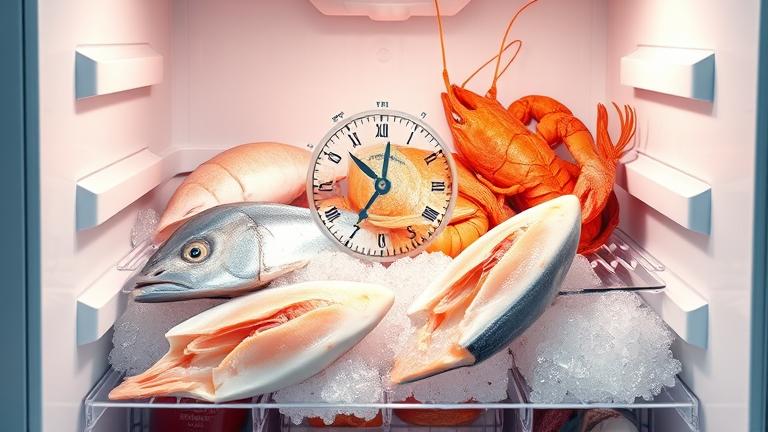
Fresh Seafood Storage Tips
Storing fresh seafood properly is key to keeping it safe to eat and maintaining its delicious flavor. Whether you’ve just bought fish from the market or caught it yourself, good storage practices help prevent spoilage and preserve quality.
First, always keep seafood cold. The ideal temperature for storing fresh fish and shellfish is just above freezing, around 32°F (0°C). If you don’t have a dedicated seafood fridge, use the coldest part of your refrigerator. Place seafood in a leak-proof container or tightly wrap it in plastic wrap or aluminum foil to avoid cross-contamination and odors spreading.
For short-term storage, plan to consume seafood within one to two days. The sooner, the better, as freshness declines quickly. If you won’t be eating it within this time frame, freezing is your best bet for longer storage. Next, learn the best freezing techniques to lock in freshness and flavor.
How to Freeze Seafood Properly
- Clean and prepare: Rinse seafood gently in cold water to remove any slime or debris.
- Pat dry: Use paper towels to remove excess moisture, which helps prevent ice crystals from forming during freezing.
- Wrap tightly: Wrap seafood tightly in plastic wrap or aluminum foil, ensuring there are no air pockets. For extra protection, place wrapped seafood in a vacuum-seal bag or airtight container.
- Label and date: Always label your packages with the date of freezing. Use older frozen seafood first to enjoy it at peak freshness.
Thawing Tips for Safeness and Freshness
To safely thaw frozen seafood, transfer it from the freezer to the refrigerator overnight. This slow thawing method keeps the seafood at a safe temperature and preserves texture. Avoid thawing seafood at room temperature, as this can promote bacterial growth.
If you’re in a hurry, you can thaw seafood by placing it in a sealed bag and submerging it in cold water. Change the water every 30 minutes to keep it cold. For quick cooking, some people cook seafood directly from frozen, which is safe and often convenient.
Additional Storage Tips and Common Mistakes to Avoid
- Keep seafood cold at all times. Even short periods at room temperature can cause spoilage.
- Use a thermometer in your fridge to make sure it stays at the right temperature.
- Don’t wash seafood before storing. Washing can spread bacteria in the fridge. Instead, clean it just before cooking.
- Be mindful of smell. Fresh seafood should smell briny or like the ocean, not sour or ammonia-like. If it smells off, discard it.
With these simple tips, you can keep your fresh seafood in top shape until you’re ready to cook. Proper storage ensures safety, minimizes waste, and helps you enjoy the best flavor every time.
How to Store Seafood for Max Freshness
Storing seafood properly is key to keeping it fresh and safe to eat. Whether you’ve just bought fish, shrimp, or other seafood, careful storage helps preserve flavor and texture. With a few simple steps, you can enjoy your seafood at its best.
The main goals when storing seafood are to keep it cold, prevent spoilage, and avoid contamination. Fresh seafood is highly perishable, so how you store it makes a big difference. Follow these best practices for maximum freshness.
1. Keep Seafood Cold at All Times
The most important rule is to keep seafood chilled. Ideally, store it at a temperature close to 32°F (0°C). If you don’t have a specialized seafood storage unit, your refrigerator’s coldest part works well. Place seafood on the bottom shelf to prevent juices from dripping onto other foods.
If you’re transporting seafood home from the store, use a cooler or insulated bag with ice packs. This keeps it cold and reduces the risk of spoilage during travel.
2. Use Proper Packaging
Good packaging helps prevent contamination and keeps seafood fresh longer. Wrap fish, shrimp, or other items tightly in plastic wrap or aluminum foil. You can also use airtight containers or resealable plastic bags. Squeeze out excess air to minimize oxidation and bacteria growth.
If you want to store seafood for a few days, consider placing it on a bed of crushed ice inside a shallow pan. Cover it with plastic wrap and replenish the ice as needed. This method keeps seafood at a consistent cold temperature and helps maintain quality.
3. Store Seafood for the Right Duration
- Fish and Shellfish: Typically, consume within 1 to 2 days of purchase for best freshness.
- Cooked Seafood: Can last up to 3 to 4 days if refrigerated properly.
- Frozen Seafood: Can be stored for several months, but best quality is within 3 to 6 months. Always label with the date of freezing.
To avoid waste, plan your meals so you use seafood before these time limits. If you notice a strong fishy odor, slimy texture, or discoloration, it’s best to discard it regardless of storage time.
4. Freezing Seafood Properly
If you don’t plan to eat seafood within a few days, freezing is a good option. Wrap seafood tightly in plastic wrap or foil, then place it in a freezer bag. Remove as much air as possible before sealing. This prevents freezer burn and preserves quality.
Label the packaging with the date and type of seafood. Freeze seafood in a flat layer for quick thawing later. When ready to eat, thaw seafood in the refrigerator overnight, avoiding room temperature thawing which can promote bacteria growth.
Additional Tips for Freshness
- Don’t wash seafood before storing. Excess moisture can speed up spoilage. Instead, rinse just before cooking.
- Store seafood separately from other foods to prevent cross-contamination.
- Use a thermometer inside your fridge to ensure it stays cold enough at all times.
- Eat seafood as soon as possible for the best flavor and texture.
Being mindful of storage techniques will help you enjoy seafood that’s fresh, safe, and delicious. A little effort goes a long way in maintaining quality from store to plate.
Signs Seafood Has Gone Bad
Knowing how to tell if seafood has gone bad is essential for making safe and tasty meals. Fresh seafood should look, smell, and feel appealing. If anything seems off, it’s best to avoid eating it. Here are some common signs that seafood is no longer safe to consume.
Visual Clues
One of the easiest ways to spot spoiled seafood is by looking at its appearance. Fresh fish and shellfish have vibrant colors and a shiny, moist surface. If the seafood looks dull, dry, or slimy, it might be spoiled.
- Discoloration: Watch out for any darkening, browning, or yellowish tints, especially around the edges.
- Unusual textures: Sticky or excessively slimy surfaces are signs that bacteria are growing.
- Eyes and Shells: Fish eyes should be clear and bulging. Cloudy, sunken eyes indicate spoilage. For shellfish like oysters or clams, shells that are open and do not close when tapped are a red flag.
Smell Cues
If seafood has gone bad, it often emits a strong, unpleasant odor. Fresh seafood should smell like the ocean or barely have any smell at all. A sour, ammonia-like, or rotten smell is a clear sign of spoilage.
- Ammonia scent: An odor similar to cleaning products or ammonia indicates the seafood is no longer safe.
- Off-putting smell: A sour or rancid smell means bacteria have started to grow and produce odors.
Always trust your nose. If the seafood smells off, it’s better to discard it rather than risk food poisoning.
Texture Checks
The texture of seafood can also reveal its freshness. Fresh fish is firm and springs back when pressed gently. Shellfish like shrimp or scallops should feel moist but not slimy.
- Soft or mushy: If the seafood feels overly soft, mushy, or falls apart easily, it may be spoiled.
- Sticky or slimy: While some sliminess is normal for certain shellfish, excessive slime is a warning sign of bacterial growth.
Use your fingertips to gently press the seafood. If it leaves an indentation or feels sticky, it’s safer to throw it out.
Additional Tips
- Avoid buying seafood that has been sitting out for too long or is stored improperly.
- Always store seafood in the coldest part of your refrigerator and use it within the recommended time frame.
- If in doubt, it’s better to be safe than sorry. When any of these signs appear, discard the seafood to prevent foodborne illness.
Ideal Fridge Temperatures for Seafood
Storing seafood at the right fridge temperature is essential to keep it fresh and safe to eat. Proper refrigeration can also extend its shelf life, preventing spoilage and foodborne illnesses. The key is maintaining a consistent, cold environment that suppresses bacterial growth but doesn’t freeze the seafood.
For the best results, your refrigerator should be set to a temperature of 32°F to 38°F (0°C to 3°C). This range is cold enough to slow down bacteria and yeast while keeping seafood fresh. Temperatures above 40°F (4°C) can allow bacteria to multiply quickly, increasing the risk of spoilage and food poisoning.
Use a reliable refrigerator thermometer to monitor the temperature regularly. Many fridges have built-in thermometers, but it’s a good idea to keep an extra one inside for accuracy. Check the temperature at least once a week, especially before shopping or after a power outage. Keep the thermometer in the middle of the fridge, away from the door, where temperature can fluctuate due to frequent opening.
Why Temperature Matters
Seafood is highly perishable because it’s rich in moisture and nutrients that bacteria love. When stored at temperatures above 40°F, bacteria like Salmonella and Listeria can grow rapidly. This not only causes spoilage but also increases the risk of foodborne illnesses.
Maintaining the correct fridge temperature slows bacterial growth, helping seafood stay fresh longer. For example, raw fish and shellfish typically last 1 to 2 days in the fridge, but at proper temperatures, they might last a little longer. Proper storage also helps preserve flavor and texture, making your seafood tastier when cooked.
Tips for Proper Seafood Storage
- Always store seafood on the coldest part of the fridge, usually near the back or bottom shelf.
- Keep seafood in a shallow container or wrap it tightly to prevent cross-contamination and odor transfer.
- Use or freeze fresh seafood within 1 to 2 days for best quality.
- If you plan to freeze seafood, do so as soon as possible, preferably before it approaches its spoilage date.
- Don’t forget to clean your fridge regularly to prevent bacteria build-up that can affect seafood safety.
Remember
Checking your fridge temperature regularly is an easy and effective way to ensure seafood stays safe and delicious. When in doubt, always prioritize freshness and discard any seafood that has been stored too long or smells sour or off. Keeping your fridge at the right temperature creates a safe environment where seafood can be enjoyed at its best.
Shelf Life of Different Seafood Types
Keeping seafood fresh in the fridge is important to enjoy it safely and at its best. Different types of seafood have different storage times, so knowing these can help you plan your meals and avoid waste. Whether you’re buying fish, shellfish, or other seafood, proper storage ensures your food stays tasty and safe to eat.
Most seafood should be kept in the coldest part of your refrigerator, ideally at or below 40°F (4°C). Use an airtight container or wrap the seafood tightly with plastic wrap or aluminum foil. Always check for signs of spoilage before cooking, such as a strong fishy smell, slimy texture, or discoloration.
Fresh Fish:
Fresh fish generally lasts 1 to 2 days in the fridge. If you know you won’t eat it within this timeframe, consider freezing it. Keep it in the coldest part of your fridge, preferably on a plate covered with plastic wrap or in a sealed container. For best flavor and texture, try to use it as soon as possible. After 2 days, the quality declines, and the risk of spoilage increases.
Shellfish (clams, oysters, mussels, scallops):
Fresh shellfish have a slightly shorter shelf life. They are best eaten within 24 hours of purchase. Store them in their original open bag or in a breathable container covered with a damp cloth. If stored properly, they may last up to 2 days, but freshness drops quickly. Discard any shellfish with shells that are open and do not close when tapped, as they may be dead and unsafe to eat.
Shrimp:
Fresh shrimp should be used within 1 to 2 days. Keep them in their original packaging or a sealed container on a bed of ice or in the coldest part of your fridge. Rinse them just before cooking to remove any slime or residue. If you don’t plan to cook them soon, freezing is a good option to extend their shelf life.
Crab and Lobster:
Live crab and lobster are best kept in the fridge in a breathable container, like a paper bag or covered with a damp cloth. They should be cooked within 24 hours of purchase for the best quality. Cooked crab and lobster, on the other hand, can be stored in the fridge for up to 3 days in a sealed container.
Pre-cooked Seafood:
Cooked seafood like fish fillets, shrimp, or crab cakes stay good for 3 to 4 days. Always store them in airtight containers or tightly wrapped to prevent drying out or absorbing other fridge odors. When reheating, do so thoroughly to kill any bacteria that may have developed.
Tips for Safe Storage:
– Label seafood with purchase or cooked date to keep track of freshness.
– Keep seafood on a plate or tray to catch any drips and prevent cross-contamination.
– When in doubt, smell and inspect seafood before cooking. A strong, unpleasant odor means it’s time to toss it.
By following these time frames and storage tips, you can enjoy seafood at its freshest and safest. Remember, when seafood is past its prime, it’s better to discard it than risk food poisoning.
FAQs About Seafood Freshness
Enjoying fresh seafood starts with knowing how to tell if it’s at its best. Many home cooks have questions about storing, recognizing freshness, and keeping seafood safe to eat. Here are some common questions answered to help you feel confident next time you shop or cook seafood.
How can I tell if seafood is fresh?
Fresh seafood should look moist and shiny. Fish fillets or steaks should have a vibrant color without any dullness or discoloration. The flesh should be firm and bounce back when you press it gently with a finger, not leave an indentation. For whole fish, check for clear, bulging eyes, and gills that are bright red or pink, not brown or slimy.
Smell is a quick test too. Fresh seafood should smell mild, clean, and ocean-like. If it smells strongly fishy, sour, or ammonia-like, it’s probably past its prime. Trust your senses; if you feel unsure, it’s safer to skip it.
What is the proper way to store seafood at home?
Keep seafood cold to maintain its freshness. If you’re not cooking it right away, store it in the coldest part of your refrigerator, ideally on a plate covered with plastic wrap or foil. For longer storage, place seafood in a sealable plastic bag, removing excess air, or in an airtight container.
Use a bed of crushed ice in a container to keep seafood colder and absorb excess moisture, changing the ice as needed. Remember, seafood is very perishable, so it should generally be cooked or consumed within one to two days of purchase.
Can seafood be frozen for later use?
Yes, freezing is a great way to extend seafood’s shelf life. Wrap the seafood tightly in plastic wrap, foil, or vacuum-seal it to prevent freezer burn. Label with the date to keep track. Most seafood can be frozen for up to three months without losing quality.
When ready to cook, thaw seafood in the refrigerator overnight. Avoid thawing at room temperature, which can promote bacteria growth. For quick thawing, submerge sealed seafood in cold water, changing the water every 30 minutes.
What are some common mistakes that affect seafood freshness?
- Not storing seafood properly—exposing it to warm temperatures or improper packaging.
- Leaving seafood out at room temperature for too long.
- Overbuying seafood and not using it before it spoils.
- Refreezing seafood that was previously thawed.
To avoid these mistakes, buy seafood from reputable sources, check for freshness signs, and plan your meals so seafood is used promptly. Proper storage and handling are key to enjoying delicious, safe seafood every time.
Best Practices for Food Safety In-Home
Keeping seafood safe to eat at home is essential for your health and enjoyment. With a few simple steps, you can reduce the risk of food poisoning and enjoy seafood without worry. Food safety starts with proper hygiene, correct storage, and safe handling practices.
Maintain Good Hygiene
Always wash your hands thoroughly with soap and water before handling seafood. This helps prevent the transfer of harmful bacteria. Clean all surfaces and utensils that come into contact with seafood, including cutting boards, knives, and countertops.
Use separate cutting boards for raw seafood and other foods like vegetables or cooked dishes. This prevents cross-contamination, which is a common food safety mistake. After preparing seafood, wash all equipment carefully with hot, soapy water.
Proper Storage of Seafood
Seafood is highly perishable, so proper storage is crucial. Keep seafood refrigerated at 40°F (4°C) or below. Use a refrigerator thermometer to check the temperature regularly. Store seafood in a sealed container or tightly wrapped to prevent drips and contamination from other foods.
If you cannot cook seafood within 1-2 days of purchasing it, freeze it. Wrap seafood tightly in plastic wrap, aluminum foil, or freezer bags. Label packages with the date so you know how long it has been stored. Remember, properly frozen seafood remains safe for several months but is best enjoyed sooner rather than later.
Handling Seafood Safely
When preparing seafood, work quickly to minimize the time it spends at unsafe temperatures. Thaw frozen seafood in the refrigerator or in cold water, never at room temperature. Cooking seafood to the right temperature is vital. Fish and shellfish should be cooked to an internal temperature of 145°F (63°C), where they become opaque and flake easily with a fork.
Use a food thermometer if you’re unsure. For added safety, avoid eating raw or undercooked seafood, especially if you’re pregnant, elderly, or immunocompromised. Always check for any signs of spoilage, such as an off smell, slimy texture, or discoloration, before cooking or eating seafood.
Safe Consumption Tips
- Eat seafood promptly after cooking. Do not leave cooked seafood at room temperature for more than two hours.
- Refrigerate leftovers immediately and consume within 3-4 days.
- When eating seafood at home, serve it on a clean dish, and avoid double-dipping with utensils that may carry bacteria.
- If you have leftovers, store them in airtight containers and reheat thoroughly before eating again.
Following these best practices for food safety in-home can make your seafood experience both delicious and safe. Remember, cleanliness, correct storage, and proper cooking are your best defenses against foodborne illnesses. With a little care, you can enjoy seafood safely anytime you want.