
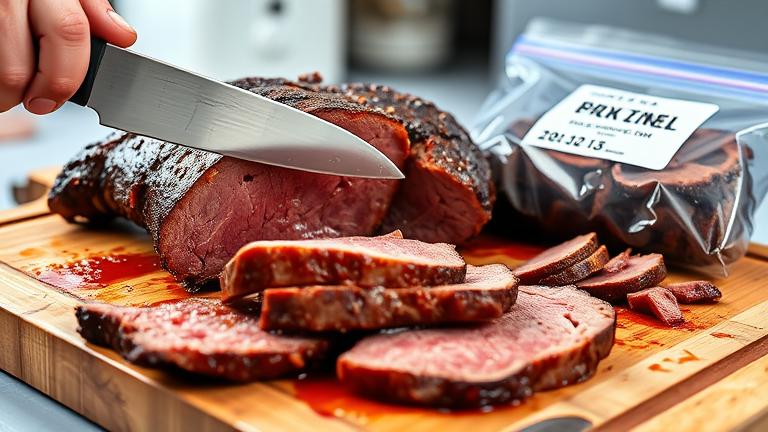
Why Freeze Cooked Brisket? Benefits Revealed
Freezing cooked brisket is a smart way to enjoy this delicious meat anytime you want. By freezing, you can preserve its flavor and quality for weeks or even months. This makes it easier to meal prep, save leftovers, and reduce waste. Whether you cooked a large batch or bought extra, freezing is a practical solution to keep your brisket fresh and tasty.
One of the biggest benefits of freezing cooked brisket is extending its storage life. Without freezing, cooked meat can spoil in a few days. But when stored properly in the freezer, brisket can last up to three to six months. This means you can enjoy the same great flavor later, without rushing to finish it all at once. It’s perfect for busy weeknights or when guests come unexpectedly.
Another advantage is that freezing helps lock in the flavor and moisture of the brisket. Properly stored, the meat stays juicy and tender, preventing it from drying out. When you reheat it later, your brisket will still taste as delicious as when it was freshly cooked. Plus, freezing allows you to prepare large amounts ahead of time. That way, you won’t need to cook or buy meat every time. You just freeze what you don’t eat immediately and enjoy it later.
Many home cooks find that freezing cooked brisket simplifies meal planning. For example, you can make sandwiches, tacos, or casseroles using frozen brisket. All you need to do is thaw and reheat. This saves time and effort, especially on busy days. Additionally, having frozen leftovers reduces food waste. If you cook a big brisket but only eat part of it, freezing the rest prevents it from going bad in the fridge.
It’s important to note that freezing is best done with proper storage techniques. Use airtight containers or heavy-duty freezer bags, and remove as much air as possible. Label the packages with the date so you know how long it’s been in the freezer. When reheating, ensure that the brisket is warmed thoroughly and safely, whether in the oven, microwave, or stovetop. This maintains the best flavor and safety standards.
- Use freezer-safe containers or bags for optimal preservation
- Label packages with date and contents for easy tracking
- Thaw in the fridge or use quick-thaw methods for safety
- Reheat gently to retain moisture and flavor
In summary, freezing cooked brisket is a practical and convenient way to keep this flavorful meat fresh for longer. It helps preserve its taste and texture while giving you a flexible option for meal prep. Whether you’re saving leftovers or preparing ahead, freezing makes enjoying brisket easier and more economical.
Preparing Brisket for Freezing: Easy Tips
Freezing cooked brisket is a great way to enjoy its rich flavor over time. To keep your brisket fresh and tasty, proper preparation before freezing is key. It’s simple to do, and with these easy tips, you’ll preserve the quality of your meat for future meals.
1. Cool Your Brisket Completely
After cooking, it’s important to let the brisket cool down before freezing. Hot or warm meat can cause condensation inside storage containers, leading to ice crystals and freezer burn. To avoid this, allow your brisket to cool at room temperature for about 30 minutes, but do not leave it out for more than two hours to prevent bacteria growth.
For faster cooling, you can transfer the brisket to a shallow pan or plate. Spreading it out helps it cool evenly and quickly. If you’re in a hurry, placing the meat in the fridge for a short while is fine, just ensure it’s not still hot when sealed.
2. Slice or Portion Your Brisket
Deciding how to portion your brisket makes future meal prep easier. You can slice the brisket into thin slices or cut it into chunks, depending on how you plan to use it later.
- For sandwiches or quick meals: slices work well.
- For stews or recipes requiring smaller pieces: chunks or cubes are perfect.
Use a sharp knife for clean cuts. If your brisket is large, portion it into family-sized servings or individual portions. This way, you only thaw what you need, avoiding waste.
3. Use Proper Packaging
Careful packaging is essential to prevent freezer burn and maintain flavor. Wrap the cooled brisket tightly in plastic wrap or aluminum foil. For extra protection, place it inside a resealable freezer bag or an airtight container.
Remove as much air as possible from the packaging. Excess air can cause freezer burn, which dries out the meat and affects taste. Label each package with the date so you know when it was frozen. Typically, brisket can stay fresh in the freezer for up to three months, but for best flavor, try to use it sooner.
4. Store the Brisket Correctly
Place your wrapped brisket in the coldest part of your freezer. Avoid storing it near the door, where temperature fluctuations happen most often. Keep it flat if possible, so it freezes evenly and quickly.
When you’re ready to enjoy your brisket, defrost it safely. The best method is to thaw it in the refrigerator overnight. This helps retain moisture and flavor. For quicker thawing, you can use the defrost setting on your microwave, but be sure to cook the meat immediately afterward.
Helpful Tips to Remember
- Always cool meat before freezing to prevent ice crystals.
- Portion for convenience and to avoid waste.
- Wrap tightly and remove excess air to prevent freezer burn.
- Label and date your packages for easy tracking.
- Store in the coldest part of the freezer for optimal freshness.
Best Packaging Methods for Freezing Brisket
When freezing brisket, choosing the right packaging method is key to keeping it fresh and flavorful. Proper packaging helps prevent freezer burn, which can dry out the meat and affect its taste. It also keeps odors from other foods from seeping in, ensuring your brisket stays delicious until you’re ready to cook it.
There are several effective packaging options, each with its own benefits. Let’s explore the most popular and practical methods to keep your brisket in top shape while it freezes.
Airtight Containers
One of the easiest ways to package brisket is in airtight containers. Use heavy-duty, freezer-safe containers with tight-fitting lids. Place your cooled brisket inside, and ensure there’s minimal air around the meat to prevent freezer burn.
A benefit of containers is they provide a sturdy barrier against moisture loss. They are great if you plan to portion out the brisket into smaller pieces for easy thawing later. Just leave a little space at the top since the brisket may expand slightly as it freezes.
Freezer Bags
Freezer bags are very popular because they save space and are budget-friendly. To get the best results, opt for heavy-duty, moisture- and vapor-resistant bags. Before sealing, squeeze out as much air as possible to reduce the risk of freezer burn.
A helpful trick is to place the brisket on a tray in the freezer until it’s mostly frozen, then transfer it to a bag. Flattening the meat while sealing helps it freeze faster and makes portioning easier.
Label the bag with the date, so you keep track of how long it’s been in the freezer. Brisket can typically be stored for up to three to six months, depending on how well it’s sealed.
Wrapping Techniques
Another reliable method is wrapping the brisket tightly in plastic wrap or aluminum foil. For best results, start by wrapping the meat tightly in plastic wrap to minimize air pockets. Then, add a layer of aluminum foil for extra protection.
This double-wrapping helps prevent moisture loss and guards against freezer burn. Be sure to press out all air before sealing, and consider placing the wrapped brisket in a resealable bag for added security.
Tips for Proper Packaging
- Always allow cooked or raw brisket to cool completely before packaging to avoid condensation inside the package.
- Label each package with the date to keep track of its freshness.
- Try to use the brisket within the recommended storage times to enjoy it at its best quality.
By choosing the right packaging method and following simple tips, you can keep your brisket fresh, flavorful, and ready to enjoy even months after freezing. Take your time to pack it properly, and your future self will thank you for delicious, easy meals.
How to Properly Freeze Cooked Brisket
Freezing cooked brisket is a great way to preserve its flavor and tenderness for future meals. Whether you have leftovers after a big family dinner or want to prepare in advance, knowing the proper methods ensures your brisket stays fresh and safe to eat. Let’s walk through the steps to freeze cooked brisket the right way, including temperature tips, labeling practices, and storage times.
First, it’s important to cool the brisket properly before freezing. Hot or warm meat can cause ice crystals to form, which may affect the texture. After cooking, let the brisket rest for about 30 minutes at room temperature. Then, if you plan to store it for more than a day, transfer it to the refrigerator and allow it to cool completely. This typically takes a few hours. Never leave cooked meat out at room temperature for more than two hours, as this can encourage bacteria growth.
Once cooled, portion the brisket into manageable sizes. Using smaller portions makes it easier to defrost only what you need later. Wrap each piece tightly with plastic wrap or foil. For added protection against freezer burn, place those wrapped portions into resealable freezer bags or airtight containers. Squeeze out as much air as possible before sealing, since air is a main cause of freezer burn that can dry out the meat.
Set your freezer to a temperature of 0°F (-18°C) or lower. This is crucial for keeping cooked meat safe and maintaining its quality. If your freezer has a temperature display, check it regularly to ensure it stays at the right setting. Using a freezer thermometer is a simple way to monitor conditions and avoid accidental spoilage.
Label each package with the date of freezing and the contents. Use a permanent marker to write clearly on the bag or container. Proper labeling helps you keep track of how long the brisket has been stored and makes meal planning easier. Remember, cooked brisket can last in the freezer for up to three to four months without significant loss of flavor and texture.
When you’re ready to enjoy your frozen brisket, defrost it safely. The best way is to transfer it from the freezer to the refrigerator and let it thaw overnight. For quicker options, you can use the microwave’s defrost setting or place the sealed package in cold water. Just be sure to cook or reheat the brisket thoroughly after thawing, reaching an internal temperature of 165°F (74°C).
Keep in mind that after freezing and thawing, the brisket might be slightly less tender than when freshly cooked. Reheating slowly in the oven or on the stovetop with a little added broth or sauce can help restore moisture and flavor. Follow these storage tips carefully, and your cooked brisket will stay delicious and safe to enjoy for months to come.
Reheating Tips for Frozen Brisket
Reheating frozen brisket can be easy and rewarding if you follow the right steps. Keeping the brisket tender and flavorful is the goal, whether you’re using the oven, microwave, or stovetop. Each method has its benefits and best practices to get the most delicious results.
First, it’s important to thaw the brisket properly before reheating. While you can reheat directly from frozen in some cases, thawing generally gives better, more even heating. The safest way is to move the brisket from the freezer to the refrigerator and let it thaw slowly for about 24 hours. If you’re in a rush, you can use the defrost function on your microwave, but be careful not to start cooking the edges.
Oven Reheating
Reheating brisket in the oven tends to preserve its moisture and tenderness. Preheat your oven to 300°F (150°C). Wrap the brisket tightly in aluminum foil to trap in moisture and prevent it from drying out. Place the wrapped brisket on a baking sheet or in a baking dish. Heat for about 20 to 30 minutes per pound, or until the internal temperature reaches 165°F (74°C). For best results, check the temperature with a meat thermometer, especially if the brisket is thick. Once heated, let it rest for a few minutes before slicing.
Microwave Reheating
Microwaving offers the quickest way to reheat brisket, ideal for small portions or when you’re short on time. Slice the brisket into manageable pieces for even heating. Place the slices in a microwave-safe dish and cover with a microwave lid or plastic wrap with small vent holes. Use medium power and microwave in one-minute intervals, checking after each. Stir or rotate the meat as needed to avoid cold spots. To keep the brisket moist, add a splash of beef broth or water before microwaving. Once it reaches 165°F, it’s ready to serve. Be cautious not to overheat, as microwaves can sometimes toughen the meat if overdone.
Stovetop Reheating
Reheating on the stovetop works well for larger cuts or if you want to add some extra flavor. Slice the brisket into strips or chunks. Heat a little beef broth or water in a skillet over medium-low heat. Add the brisket and cover the skillet. Let it simmer gently for about 10-15 minutes, stirring occasionally. This method keeps the meat moist and can help infuse any flavors you add, like gravy or spices. Check that the internal temperature hits at least 165°F before serving to ensure safety.
Extra Tips for Perfect Reheating
- Always check the internal temperature before eating to ensure safety.
- Add moisture whenever reheating to prevent drying out, especially with the microwave.
- Reheat brisket slowly and at lower temperatures to keep it tender.
- Consider slicing the brisket before reheating for quicker, even heating.
Remember, patience is key. Rushing the process can lead to dry, tough meat. With these tips, your frozen brisket will come out flavorful, tender, and ready to enjoy.
Common Mistakes to Avoid When Freezing Brisket
Freezing brisket is a great way to preserve its flavor and tenderness for future meals. However, if you’re not careful, certain mistakes can ruin the quality of your meat. To keep your brisket delicious and juicy, it’s important to avoid these common errors.
One of the most frequent mistakes is improper packaging. Airtight wrapping is essential to prevent freezer burn, which happens when air reaches the meat and causes dehydration. Many home cooks skip this step or use flimsy plastic wrap. Instead, tightly wrap your brisket in plastic wrap or foil, then place it in a heavy-duty freezer bag or container. Squeezing out excess air helps keep the meat fresh. Using a vacuum sealer is even better, as it removes all air and seals the brisket perfectly.
Overfreezing is another problem to watch out for. Although brisket can last in the freezer for several months, freezing it for too long can degrade its texture and flavor. The meat can become dry and tough if it’s frozen beyond the recommended period. For best results, try to use your brisket within three to six months of freezing. Label your packages with the date so you know when to use them.
Thawing methods also matter a lot. Thawing brisket at room temperature on the counter is a big mistake because it can allow bacteria to grow. Instead, plan ahead and thaw your brisket slowly in the fridge. Place it in a shallow dish to catch any drips, and allow about 24 hours for every five pounds of meat to fully thaw. If you’re in a hurry, you can use the defrost function on your microwave, but be sure to cook the meat immediately afterward. Avoid thawing brisket in hot water, as this can lead to uneven thawing and potential food safety risks.
Another common slip-up is not removing excess moisture before freezing. Moisture trapped in the packaging can form ice crystals, which damage the meat’s fibers and make it less tender when cooked. Pat the brisket dry with paper towels before wrapping it up.
Lastly, don’t forget to store your brisket in the coldest part of your freezer. Keeping it at a consistent 0°F (-18°C) ensures the meat stays safe and maintains quality. Avoid placing it near the freezer door or other items causing temperature fluctuations.
By avoiding these typical mistakes such as poor packaging, overfreezing, improper thawing, and not storing correctly you’ll help preserve your brisket’s juicy texture and rich flavor. Proper freezing routines mean you’ll enjoy delicious brisket even weeks later, without sacrificing quality.
Storing and Thawing Brisket Safely
Storing and thawing brisket properly is key to keeping it fresh, delicious, and safe to eat. Whether you’ve bought a whole brisket or sealed portions, knowing the right techniques helps preserve its flavor and texture. Plus, following safe practices minimizes the risk of bacteria growth and foodborne illness.
When you store brisket, refrigeration and freezing are your best options. If you plan to use it within a few days, keep it in the fridge at or below 40°F (4°C). For longer storage, freezing is ideal. Wrap the brisket tightly in plastic wrap or foil, or place it in a heavy-duty freezer bag. Squeeze out as much air as possible to prevent freezer burn, which can dry out the meat and affect taste.
Label the package with the date to keep track of how long it’s been stored. Fresh brisket can stay in the freezer for about six to twelve months if properly wrapped. Remember, the longer it’s frozen, the more the quality might decline, so try to use it within that time for the best flavor.
When thawing brisket, safety comes first. Never thaw meat at room temperature on the counter. That lets bacteria multiply quickly and can make you sick. Instead, choose one of these safe methods:
- Refrigerator Thawing: Place the sealed brisket in the fridge on a tray or plate to catch drips. This method takes time usually about 24 hours per five pounds of meat. It’s the safest way because it keeps the brisket at a consistent, cold temperature. Once thawed, it can stay in the fridge for an additional one to two days before cooking.
- Cold Water Thawing: Seal the brisket in a leak-proof plastic bag and submerge it in cold water. Change the water every 30 minutes to keep it cold. This method can thaw a 2-3 pound piece in a few hours. Cook the brisket immediately after thawing using this method to prevent bacteria growth.
- Microwave Thawing: Use your microwave’s defrost setting, following your appliance’s instructions. Be aware that some parts might start to cook if left too long. Cook the brisket promptly after microwave thawing, as parts of it may have entered the temperature danger zone where bacteria thrive.
Avoid refreezing thawed brisket unless you cook it first. If you thawed it in the fridge and decide not to cook it, you can refreeze it if it remained cold the entire time. But for water or microwave thawing, it’s safer to cook the meat before refreezing.
Always wash your hands, utensils, and surfaces thoroughly after handling raw meat. Proper storage and thawing techniques keep your brisket tasty, safe, and ready for your next delicious meal.