
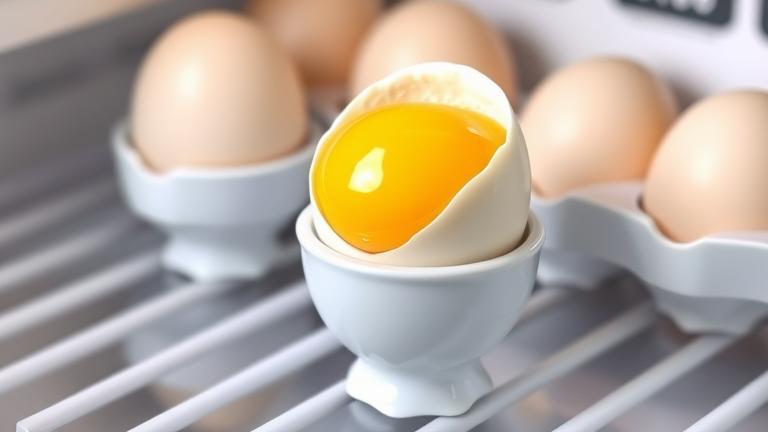
Introduction to Soft Boiled Eggs Shelf Life
Understanding how long soft boiled eggs stay fresh is important for both safety and quality. Soft boiled eggs are a delicious breakfast staple loved for their creamy yolks and tender whites. But like all eggs, they have a limited shelf life that you should be aware of to avoid any food safety issues.
Knowing the shelf life of soft boiled eggs helps you decide the best time to eat them and prevents waste. It also ensures you enjoy your eggs at their freshest and safest. Several factors can influence how long your soft boiled eggs stay good, including how fresh the eggs were before boiling, how they are stored, and the temperature of your refrigerator.
What Affects the Freshness of Soft Boiled Eggs?
Freshness starts with the eggs you select. Eggs near their expiration date or those that have been stored improperly are less likely to remain safe after being boiled. Fresh eggs are more likely to have a firm, intact shell, which acts as a protective barrier against bacteria.
Once boiled, the eggs’ shell helps shield the interior, but once peeled or cracked, the egg becomes more vulnerable to bacteria. Temperature is another important factor. Keeping boiled eggs refrigerated at or below 40°F (4°C) slows down bacterial growth, extending their safe-to-eat period. Conversely, leaving eggs out at room temperature speeds up spoilage.
Why Shelf Life Matters for Soft Boiled Eggs
While soft boiled eggs are best enjoyed fresh, you might wonder how long you can keep them without risking foodborne illnesses. Eating eggs past their safe period can lead to health issues like Salmonella, which causes stomach cramps, diarrhea, and fever.
On average, soft boiled eggs that are refrigerated properly can be stored safely for up to two days. However, for the best taste and safety, it’s recommended to consume them within 24 hours of boiling. If you notice any foul smell, unusual discoloration, or slimy texture, it’s best to discard the eggs immediately.
Storage Tips to Maximize Shelf Life
- Place the soft boiled eggs in an airtight container if peeled, or store them in their shells to help preserve freshness.
- Label the storage date so you know exactly how long they have been kept.
- Always refrigerate promptly after cooking. Don’t leave eggs out for more than two hours.
- If you want your eggs to last longer, consider boiling a batch and enjoying them over a couple of days, rather than making them all at once.
Common Mistakes to Avoid
- Leaving soft boiled eggs at room temperature for too long.
- Not storing eggs in a sealed container, which can expose them to bacteria and odors.
- Ignoring signs of spoilage, such as off smell or slimy texture.
By understanding the factors that influence the shelf life of soft boiled eggs, you can enjoy them safely and at their best quality. Always prioritize proper storage and quick consumption for optimum safety and flavor.
How Fresh Are Your Soft Boiled Eggs?
Checking the freshness of your eggs is an important step before boiling, especially if you want perfectly soft boiled eggs with a runny yolk and tender whites. Fresh eggs tend to hold their shape better and are safer to eat. Knowing how to tell if an egg is still good can save you from disappointment or even food safety issues.
One quick way to test an egg’s freshness is the classic float test. Fill a bowl with cold water and gently place your egg inside. If it sinks to the bottom and lies flat on its side, it’s usually fresh. If it stands upright or floats, it may be older and should be tested further before use. Remember, floating doesn’t always mean unsafe, but it’s a sign to proceed with caution.
How to Perform the Float Test
- Fill a bowl or glass with cold water.
- Gently place the egg in the water without dropping it from a height.
- Observe what happens:
| Result | Meaning | Action |
|---|---|---|
| Egg sinks and lies flat | Egg is very fresh | Good to use for soft boiling |
| Egg stands upright or tilts | Egg is older but may still be safe | Crack it open to check freshness |
| Egg floats to the top | Egg may be old or spoiled | It’s best to discard it |
Additional Signs of Egg Freshness
Besides the float test, you can check the egg visually and by smell once cracked open. Here are some clues to look for:
- Shell appearance: Fresh eggs have clean, firm shells without cracks or slimy residue. If the shell looks cracked or slimy, it could indicate spoilage or bacteria.
- Smell: When cracked, a fresh egg should have a neutral, clean smell. If it smells sulfurous, sour, or off in any way, discard it.
- Yolk and white: The yolk should be round, firm, and vibrant in color. The whites should be clear and thick, not watery or discolored. An egg with a runny or discolored white may be past its prime.
Signs Your Egg May Be Unsafe
If an egg shows any of the following signs, it’s best to throw it away:
- The shell is cracked and the contents leak out.
- The egg smells bad even before cracking open.
- The white or yolk appears slimy, discolored, or abnormal.
- There is a greenish tint around the yolk, which can indicate spoilage or bacteria growth.
By performing simple tests like the float test and inspecting the eggs visually and by smell, you can confidently choose the freshest eggs for your soft boiling adventures. Remember, fresh eggs not only taste better but also ensure food safety, especially when aiming for that perfect runny-yolk finish.
Optimal Storage Methods for Soft Boiled Eggs
Storing soft boiled eggs properly is important to keep them fresh, safe to eat, and delicious. Although soft boiled eggs have a tender yolk and slightly runny white, they still need careful handling once cooked. Good storage methods will help maintain their quality and flavor, while also making sure they don’t spoil quickly.
First, it is best to store soft boiled eggs in the refrigerator. Room temperature storage can promote bacteria growth and cause eggs to spoil faster. When you finish cooking them, let the eggs cool slightly at room temperature for a few minutes. Then, transfer them to the fridge as soon as possible.
Using the Right Container
Choose a container that is clean and airtight. An egg carton, a small plastic or glass container with a tight lid, or even a reusable silicone cover work well. If keeping multiple eggs, arrange them so they don’t touch each other too much, which helps prevent cracking or damage.
Labeling the container with the date of cooking can remind you how long they’ve been stored. Since soft boiled eggs are delicate, avoid stacking too many or placing heavy items on top that could crack their shells or deform the eggs.
Ideal Temperature and Storage Duration
Keep the refrigerator at a steady temperature of 40°F (4°C) or below. This temperature slows bacteria growth and helps keep eggs fresh longer.
| Storage Time | Remarks |
|---|---|
| Up to 2 days | Best quality, enjoy soon after cooking for optimal taste and safety. |
| 3-4 days | Still safe if stored properly, but eggs may start losing freshness. |
| Beyond 4 days | It’s safer to discard soft boiled eggs to avoid foodborne illnesses. |
If you notice an off smell, a slimy texture, or any discoloration, it’s best to throw the eggs away. Soft boiled eggs are more perishable than fully cooked hard eggs because of their delicate whites and yolk consistency.
Extra Tips for Safe and Tasty Storage
- Always wash your hands before handling eggs to prevent contamination.
- Avoid peeling the shell before storage, as it acts as a natural barrier against bacteria and moisture loss.
- If you prefer to peel the eggs, do so just before eating to keep them fresh during storage.
- Eat softer eggs within two days for the best texture and safety.
By following these simple practices, you can enjoy your soft boiled eggs at their best even a day or two after cooking. Proper storage preserves their flavor, keeps them safe, and ensures you get the most delicious bites every time.
Refrigeration Tips for Longer Storage
Soft boiled eggs are a tasty and nutritious snack, but they don’t last forever in the fridge. To keep them safe to eat and maintain their best flavor, it’s important to follow proper refrigeration techniques. With a few simple tips, you can extend the shelf life of your soft boiled eggs and enjoy them over several days.
First, it’s best to store soft boiled eggs in a clean, airtight container. This prevents them from absorbing any odors from other foods in the fridge and keeps bacteria out. If you don’t have a container, you can also use a bowl covered tightly with plastic wrap. Just make sure the eggs are fully cooled before covering to avoid condensation, which can promote bacteria growth.
Next, always refrigerate the eggs within two hours of cooking. Leaving them out at room temperature for too long increases the risk of bacteria development. When placing eggs in the fridge, do so gently to avoid cracking the shell. Even a small crack can allow bacteria to enter and spoil the egg faster.
Another key tip is to keep the eggs cold, ideally at a temperature below 40°F (4°C). Check your fridge’s thermometer to ensure it stays consistent. Keeping the eggs chilled slows down bacterial growth and helps the eggs stay fresh longer.
How Long Can Soft Boiled Eggs Last?
| Storage Time | Notes |
|---|---|
| Up to 1 week | In an airtight container, kept at or below 40°F (4°C). |
| 2-3 days | If stored with the shell still on, which provides extra protection. |
| Less than 2 days | If peeled or sliced, because exposure to air speeds up spoilage. |
It’s important to label the storage container with the date the eggs were cooked. This helps you keep track of how long they’ve been in the fridge. Remember, if eggs develop any off smell, slimy texture, or unusual appearance, it’s safest to discard them.
When reheating soft boiled eggs, do so gently. You can rewarm them in hot water for a few minutes or briefly in the microwave. Be cautious not to overheat, as this can cause the yolk to become rubbery or the egg to crack.
- Always store eggs with the pointed end down to keep the yolk centered and maintain freshness.
- If you’re unsure about freshness, do a sniff test or look for discoloration or sliminess.
- Avoid stacking hot or warm eggs directly on other foods in the fridge, as this can raise fridge temperature or cause spoilage.
By following these simple refrigeration tips, you can safely enjoy your soft boiled eggs over several days without sacrificing taste or safety. Proper storage is your best friend for making soft boiled eggs a delicious, worry-free snack in your busy kitchen.
Signs That Soft Boiled Eggs Are Spoiled
Soft boiled eggs are a delicious and easy breakfast option, but it’s important to know how to tell if they’ve gone bad before eating. Eating spoiled eggs can cause food poisoning, so always check for warning signs first. Fortunately, most indicators are straightforward and simple to spot with a quick look, smell, and touch.
When you’re about to enjoy a soft boiled egg, the first thing to do is examine the appearance, then give it a sniff, and finally, feel its texture. Each of these cues can help you determine if the egg is safe or if it’s best to toss it out.
Visual Clues
- Unusual discoloration: Fresh eggs typically have a uniform white and a firm yolk. If the egg white looks cloudy, discolored, or has any pink or greenish tint, it might be spoiled.
- Cracks or slimy surfaces: If the shell is cracked, bacteria can enter, and the egg might spoil faster. Sometimes, a slimy or sticky coating on the shell indicates bacterial growth or mold.
- Unusual yolk appearance: A spoiled egg might have a yolk that is discolored, too runny, or has a watery film around it. This could be a sign of bacterial activity or decay.
Smell
The smell is one of the quickest ways to tell if an egg has spoiled. Soft boiled eggs should have a neutral, mild aroma. If you detect a strong, sulfur-like, rotten, or sulfurous odor, it’s a clear sign the egg is no longer safe to eat.
Don’t rely solely on appearance; eggs can sometimes look fine but still smell bad. Always give it a sniff before consuming, especially if you suspect the egg has been stored for a while.
Texture and Consistency
- Runny or slimy whites: While soft boiled eggs naturally have a soft yolk and slightly runny whites, an egg that feels excessively slimy or sticky might be spoiled. The texture should not be overly watery or slimy beyond what’s normal for a soft egg.
- Unusual firmness or rubbery texture: Spoiled eggs can sometimes turn rubbery or excessively firm. If the egg feels strange when you peel or gently press on the shell, it’s best to be cautious.
Additional Tips
- Always store eggs in the refrigerator and consume them within the recommended time—usually within a week for optimal freshness.
- If in doubt, it’s safer to discard an egg than risk food poisoning. Trust your senses: when in doubt, throw it out.
- When boiling eggs, always use fresh eggs for the best quality and safety. Older eggs are more prone to spoilage.
Max Time to Safely Keep Soft Boiled Eggs
Wondering how long you can keep soft boiled eggs in the fridge without risking food safety? It’s important to know that while soft boiled eggs are delicious, they also need to be stored properly to prevent any health issues. Typically, the maximum safe time for storing soft boiled eggs in the refrigerator is about two days.
Once you’ve cooked and peeled your soft boiled eggs, it’s best to refrigerate them as soon as possible. Leaving them out at room temperature for more than two hours can increase the risk of bacterial growth. When stored correctly, they remain safe to eat within this timeframe, and their quality stays fairly good.
How to store soft boiled eggs safely
- Place the soft boiled eggs in an airtight container or cover them tightly with plastic wrap.
- Keep the refrigerator temperature at 40°F (4°C) or below. Use a refrigerator thermometer if needed.
- Store the eggs on a shelf rather than in the door to maintain a consistent temperature.
What happens if you keep soft boiled eggs longer?
If you try to store soft boiled eggs for more than two days, you risk spoilage and possible foodborne illnesses. The eggs can develop an unpleasant smell, change in texture, or display signs of mold or sliminess. Eating spoiled eggs can cause stomach upset or worse, so it’s better not to keep them too long.
Signs your stored eggs are no longer safe to eat
- Unpleasant sour or rotten smell.
- Changes in color or slimy texture.
- Off appearance or visible mold.
Additional tips for storing soft boiled eggs
- Label the storage container with the date you cooked the eggs, so you don’t forget how long they’ve been stored.
- If you’re unsure whether the eggs are still good, it’s safer to discard them.
- For best quality, consume soft boiled eggs within 24-48 hours of cooking.
Remember, even with proper refrigeration, soft boiled eggs are best enjoyed fresh. Proper storage ensures they stay safe and delicious until you’re ready to eat them. Always prioritize safety over convenience when it comes to perishable foods!
Best Practices for Storing Soft Boiled Eggs Safely
Storing soft boiled eggs properly is important to keep them fresh and safe to eat. While they are delicious and convenient, soft boiled eggs can become a breeding ground for bacteria if not handled correctly. Following some simple storage tips can help prevent foodborne illnesses and keep your eggs tasting great.
First, always cool your soft boiled eggs quickly after cooking. Leaving eggs at room temperature for too long can allow bacteria to grow. Once cooked, place the eggs in a bowl of ice water for a few minutes. This helps stop the cooking process and cools them down fast. It also makes peeling easier if you plan to remove the shell later.
After cooling, dry the eggs gently with a paper towel or clean cloth. Store soft boiled eggs in the refrigerator within two hours of cooking. Use an airtight container or a clean, covered bowl. This prevents the eggs from absorbing any odors from other foods and keeps them fresh longer.
How long can you keep soft boiled eggs in the fridge?
| Storage Time | Best Use |
|---|---|
| Up to 2 days | Enjoy soft boiled eggs while they are at their freshest. Be sure to reheat them properly before eating if needed. |
| More than 2 days | It’s safer to discard eggs stored longer than two days. The risk of bacterial growth increases, especially if the eggs were not cooled immediately after cooking. |
When reheating soft boiled eggs, do so gently. Use warm water or a microwave set to low power. Avoid overheating, which can change the texture and potentially cause the shell to crack or the egg to become overcooked. Always check that the eggs are heated thoroughly before eating.
- Never leave soft boiled eggs out at room temperature for more than two hours. Bacteria grow quickly in warm environments.
- If the eggs develop an unusual smell, sliminess, or discoloration, discard them immediately. These are signs of spoilage.
- Keep eggs stored upright in their shells if you haven’t peeled them. This helps protect the yolk and white from contamination.
- If you peel the eggs for storage, do so carefully and place them in a sealed container. Consume within 24 hours for best safety and freshness.
Precautions to Prevent Foodborne Illness
Handling soft boiled eggs with clean hands and utensils is essential. Always wash your hands thoroughly before and after handling eggs. Use clean knives and cutting boards if you peel or cut the eggs. Cross-contamination can happen easily if you’re not careful.
Additionally, avoid storing soft boiled eggs in the door of the refrigerator where temperatures fluctuate the most. Instead, place them on a shelf in the main section, where the temperature stays more stable. This helps keep the eggs at a consistent, safe temperature.
By following these simple storage practices, you can enjoy your soft boiled eggs safely and prevent potential food safety issues. Remember, quick cooling, proper refrigeration, and hygiene are your best allies for safe egg storage.