
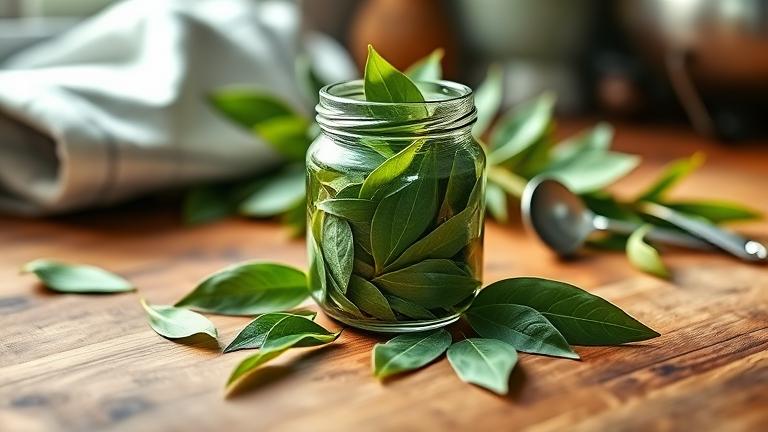
Understanding Fresh Bay Leaves Freshness
Fresh bay leaves are a key ingredient in many dishes, adding a subtle, aromatic flavor. Knowing how to recognize fresh bay leaves can make a significant difference in the taste and overall quality of your cooking. When choosing bay leaves, freshness is a top priority because it directly impacts their aroma and flavor.
Fresh bay leaves should feel firm and have a vibrant, deep green color. If the leaves are yellowed, dull, or brittle, they may not be fresh. A fresh bay leaf will also have a strong, pungent aroma. When you crush a leaf between your fingers, it should release a fragrant scent that hints at the flavors it will impart to your food.
Another good way to tell if bay leaves are fresh is by inspecting their surface. Fresh leaves are smooth, glossy, and free of any spots, mold, or holes. When stored properly, they maintain their texture and scent for a longer time. Dried bay leaves, on the other hand, are usually darker, more fragile, and less aromatic, but they can still be used if they smell strong enough.
Understanding what makes bay leaves fresh also involves knowing their storage needs. Keep bay leaves in an airtight container, away from direct sunlight, heat, and moisture. Proper storage preserves their essential oils, which are what give bay leaves their characteristic flavor. Over time, even stored leaves will lose their potency, so it’s best to use the freshest possible leaves for optimal flavor.
When shopping, check the packaging date if available, especially with dried options. Buying from a reputable supplier or store can also help ensure you get fresh leaves. If you’re buying in bulk, take a quick sniff to make sure the aroma is still strong. If you notice a weak smell or feel the leaves are dried out and brittle, it might be time to choose a fresher batch.
Using fresh bay leaves in your cooking can elevate your dishes, but using old or stale leaves can lead to a dull flavor. Remember, a good rule of thumb is that fresh bay leaves should smell vibrant and feel sturdy. By paying attention to these simple signs, you’ll always pick the best leaves and get the most flavor out of your meals.
How to Store Fresh Bay Leaves Properly
Fresh bay leaves are a wonderful addition to many dishes, offering a fragrant aroma and subtle flavor. To keep these leaves smelling and tasting their best, it’s important to store them properly. Proper storage not only extends their shelf life but also prevents spoilage and preserves their flavor for future use.
When you have fresh bay leaves, the goal is to keep them as close to their natural state as possible. They are delicate and can quickly lose their aroma if not stored correctly. The key is to protect them from moisture, air, and light, which can cause them to spoil or dry out prematurely.
The first step is to gently rinse the leaves with cool water to remove any dirt or bugs. Pat them dry carefully using a paper towel or a clean cloth. Moisture is the enemy of fresh herbs, so ensure they are thoroughly dried before storage. If the leaves are still wet, they can mold or rot faster.
Methods for Storing Fresh Bay Leaves
- Refrigeration: The easiest and most common way is to keep fresh bay leaves in the fridge. Wrap them loosely in a damp paper towel and place them inside a plastic or glass container with a tight-fitting lid. This helps maintain humidity while preventing excess moisture from causing spoilage. Keep the container in the crisper drawer or on a shelf away from direct light. Properly stored, fresh bay leaves can last up to a week or slightly longer in the fridge.
- In Water: Another simple method is to treat them like fresh herbs. Place the bay leaves in a jar with a little water at the bottom, just enough to cover the stems if you have whole leaves. Cover the jar loosely with a plastic bag and store it in the refrigerator. Change the water every couple of days. This method can help prolong the freshness for about a week or more.
- Freezing: For longer storage, freezing is an excellent option. Lay the bay leaves flat on a baking sheet lined with parchment paper, then freeze until solid. Once frozen, transfer them to a resealable plastic bag or airtight container. You can freeze whole leaves or chop them first and freeze in small portions. Frozen bay leaves retain their flavor well and can last for several months.
Additional Tips for Fresh Bay Leaves Storage
- Keep away from light: Exposure to sunlight can cause the leaves to deteriorate faster. Store them in a dark, cool place or inside a container that blocks light.
- Avoid excess moisture: Too much humidity leads to mold. Always ensure the leaves are dry before storage.
- Use airtight containers: Whether refrigerating or freezing, airtight containers help preserve aroma and flavor by sealing out air and moisture.
- Label your storage: Especially when freezing or storing for a long time, label the containers with the date to keep track of freshness.
Common Mistakes to Avoid
- Storing fresh bay leaves in a warm or humid place. This accelerates spoilage.
- Leaving them in an open container or on a countertop, which can expose them to air and light.
- Refrigerating without wrapping or sealing, leading to moisture buildup and mold growth.
By following these simple tips, your fresh bay leaves will stay fragrant and flavorful until you’re ready to add them to your dishes. Proper storage makes a big difference in how long your herbs stay fresh and how much flavor they retain.
Signs that Bay Leaves Are Spoiled
Bay leaves are a popular herb used to add flavor to soups, stews, and many other dishes. Like any dried herb, they don’t last forever. Knowing how to tell if your bay leaves are still good or have spoiled can help you avoid ruining your meal or wasting ingredients.
First, it’s important to look at the visual aspects of the leaves. Fresh bay leaves are usually green or dark green with a smooth, intact surface. Over time, they may turn a dull brown or grayish color. If you see signs of mold, mold spots, or any discoloration that looks unusual, it’s best to toss them out. Crushed or brittle leaves can also be a sign they are too old, but a color change is a more reliable indicator of spoilage.
Next, check the smell. Fresh bay leaves have a strong, aromatic scent that hints at their essential oils. If your leaves no longer emit that distinctive herbal aroma or if they smell musty, stale, or sour, they have likely gone bad. A lack of fragrance means they won’t contribute flavor to your dishes, and the unpleasant smell can even spoil your recipe.
Texture is another key sign. When you handle bay leaves, they should feel somewhat firm and dry but not overly brittle or crumbly. If the leaves crumble easily between your fingers, they are probably too old or dried out. On the other hand, if they feel damp, soggy, or sticky, this could mean they’ve absorbed moisture, which can lead to mold growth or spoilage. Always avoid using leaves with an unusual or slimy texture.
To sum up, keep an eye out for these clues:
- Visual cues: Browning, discoloration, mold, or cracks.
- Smell: Loss of aroma or unpleasant odor.
- Texture: Brittle, crumbly, damp, or slimy leaves.
When shopping for bay leaves, it’s best to buy smaller amounts if you don’t use them often. Store the leaves in a cool, dark, airtight container to extend their shelf life. Typically, dried bay leaves can stay good for about one to two years if stored properly.
If you’re ever in doubt, it’s safer to discard the suspect leaves rather than risk adding spoiled herbs to your dishes. Fresh, good-quality bay leaves will enhance your cooking, while spoiled ones can introduce off-flavors or even cause food spoilage. Trust your senses and keep your kitchen safe and flavorful!
Shelf Life of Fresh Bay Leaves
Fresh bay leaves add a wonderful aroma and flavor to many dishes, but they don’t last forever. Knowing how long fresh bay leaves stay good helps you get the best taste and avoid using spoiled leaves. Usually, fresh bay leaves are delicate and lose their flavor fairly quickly if not stored properly.
When stored properly, fresh bay leaves can typically last about one week in your refrigerator. If you’re planning to use them within this timeframe, keep the leaves in a paper towel or wrap them gently in plastic wrap. Place them in a resealable plastic bag or airtight container, and be sure to squeeze out as much air as possible before sealing. This storage method helps retain their moisture and aroma.
If you want to extend their shelf life, freezing is a good option. Wrap the fresh leaves in plastic film or place them in a freezer-safe bag, pressing out the excess air. When stored in the freezer, they can last up to six months without losing much flavor. Remember, frozen bay leaves are best used directly from the freezer they don’t need to be thawed before adding to your dishes.
How to Tell if Fresh Bay Leaves Are Still Good
- Color: Look for vibrant green leaves. If they turn dull, brownish, or have spots, they might be past their prime.
- Aroma: Fresh bay leaves should have a strong, fragrant smell. If the scent is weak or disappears altogether, it’s time to replace them.
- Texture: Feel the leaves. If they feel slimy, mushy, or overly dried out, discard them.
Common Mistakes to Avoid
- Leaving leaves out in the open: Exposure to air, light, and humidity speeds up spoilage.
- Storing near heat sources: Heat can cause leaves to wilt and degrade faster.
- Using damaged or old leaves: They may add bitter flavors or no flavor at all to your dishes.
Summary of Storage Times
| Storage Method | Estimated Shelf Life |
|---|---|
| Refrigerator (wrapped properly) | Up to 1 week |
| Freezer (wrapped or in a bag) | Up to 6 months |
| Room temperature (not recommended) | Less than 2 days |
Remember, fresh bay leaves are most flavorful when used soon after purchase. If you’re not planning to use them quickly, freezing is your best option to keep their aroma and flavor intact. Regularly check stored leaves and discard any that have lost their vibrant color or fragrant smell. This helps ensure every dish benefits from their fresh, aromatic flavor.
Best Ways to Preserve Bay Leaves Longer
Bay leaves are a wonderful addition to many recipes, but they can lose their flavor quickly if not stored properly. To make the most of your bay leaves and keep their aroma and quality fresh for longer, it helps to know some effective preservation techniques. The two most common and practical methods are drying and freezing.
Drying Bay Leaves
Drying is one of the simplest ways to preserve bay leaves. It removes moisture, preventing mold and decay, and concentrates their flavor for future use. Plus, dried bay leaves are easy to store and take up less space.
To dry bay leaves, follow these steps:
- Choose fresh, healthy leaves from the bay tree. Avoid any that are yellowed or damaged.
- Rinse the leaves gently under cool water to remove dust or dirt.
- Pat them dry with a clean towel or paper towel until they are mostly dry.
- Lay the leaves flat in a single layer on a baking sheet or drying rack. Make sure they don’t overlap.
- Place them in a warm, dry place with good air circulation. A well-ventilated room away from direct sunlight works well.
- Allow the leaves to dry for about 1 to 2 weeks. Check periodically to ensure they are crisp and fully dried.
- Once dried, store the leaves in an airtight container, like a glass jar with a tight-fitting lid, in a cool, dark place.
Tip: Dried bay leaves should be kept away from heat and sunlight, which can degrade their flavor over time.
Freezing Bay Leaves
If you prefer to keep your bay leaves as fresh as possible without drying, freezing is an excellent option. It preserves both the flavor and aroma better, especially if you only use small amounts at a time.
Here’s how to freeze bay leaves effectively:
- Rinse fresh bay leaves thoroughly and dry them gently.
- Place the leaves in a single layer on a cookie sheet or tray.
- Freeze the tray until the leaves are solid. This prevents them from sticking together.
- Transfer the frozen leaves into a resealable plastic bag or airtight container.
- Label the bag with the date so you can keep track of storage time.
Tip: When you need bay leaves for cooking, take out only what you need. There’s no need to thaw the leaves; you can add them directly into your soups or stews while they are frozen.
Storage Tips for Long-Lasting Freshness
- Always store bay leaves away from heat, humidity, and sunlight.
- Keep dried leaves in airtight containers to prevent moisture absorption.
- For frozen leaves, ensure the packaging is sealed tightly to avoid freezer burn.
- Label your containers with the date of storage to keep track of their lifespan.
How Long Can You Store Preserved Bay Leaves?
| Method | Storage Duration | Best For |
|---|---|---|
| Drying | 6 months to 1 year | Long-term pantry storage, flavor intensity |
| Freezing | up to 1 year | Maintaining freshness and aroma |
By using these methods, you can enjoy the rich flavor of bay leaves anytime, without worry about them going stale or losing their potency too quickly. Proper preservation makes cooking more flavorful and saves you money in the long run.
How to Use Fresh Bay Leaves Effectively
Fresh bay leaves are a wonderful addition to many dishes, bringing a subtle aroma and flavor that enhances soups, stews, sauces, and more. To get the most out of these fragrant herbs, it helps to know the best ways to use them in your cooking. Here are practical tips and best practices to maximize the flavor and aroma of fresh bay leaves in your recipes.
Selecting and Preparing Fresh Bay Leaves
Start with good-quality fresh bay leaves. Look for leaves that are vibrant green, firm, and free from discoloration or spots. Before using, gently rinse the leaves under cold water to remove any dirt or dust. Pat them dry with a clean towel. If you want to release more flavor, you can gently tear or crush the leaves before adding them to your dish. Just remember, whole bay leaves are often preferred for longer cooking times because they are easier to remove later, avoiding a bitter bite.
Using Bay Leaves in Cooking
- Add early in cooking: For dishes like soups and stews, add fresh bay leaves at the beginning. They need time to infuse their aromatic oils into the dish. Usually, one or two leaves per pot is enough for a savory meal serving four to six people.
- Adjust quantity: Since fresh bay leaves are more aromatic than dried ones, start with fewer leaves. You can add more if needed but avoid overusing, as too many can overpower the dish.
- Do not eat whole leaves: Remember, bay leaves are tough and can be a choking hazard. Always remove the leaves before serving. They often stay whole during cooking, making them easy to fish out.
- Use in sauces and braises: Fresh bay leaves work especially well in slow-cooked recipes that benefit from a gentle, prolonged infusion of flavor.
Enhancing Aroma and Flavor
To maximize flavor and aroma, consider crushing the leaves slightly before adding them to your dish. This releases essential oils and intensifies the herb’s scent. Keep in mind that fresh bay leaves have a brighter, more herbal aroma compared to dried ones, which tend to have a more concentrated and sometimes slightly pungent smell.
For an even more aromatic experience, add bay leaves at different stages of cooking. For example, add a leaf early on, then one toward the end to boost the scent. Just be cautious not to overdo it, as bay leaves can lend a slightly bitter or woody taste if used excessively.
Storing Fresh Bay Leaves
To keep your fresh bay leaves at their best, store them properly. Wrap them loosely in a damp paper towel and place them in a plastic bag or airtight container in the refrigerator. They will stay fresh for up to a week. For longer storage, freeze the leaves in a sealed bag frozen bay leaves can last for several months and are easy to grab whenever needed.
Common Mistakes to Avoid
- Overusing: Using too many bay leaves can overshadow other flavors. Start small and add more if needed.
- Not removing leaves: Leaves do not soften much during cooking and can pose a choking hazard if left in the dish.
- Adding late: While adding bay leaves late in cooking is fine for finishing touches, most of their flavor develops during the slower cooking process.
By following these tips, you’ll make the most of your fresh bay leaves and enjoy their full, bright aroma in your cooking. Experiment with different dishes to see how these fragrant herbs can transform your meals into something special.
Tips for Buying Fresh Bay Leaves
Bay leaves are a wonderful addition to many dishes, bringing a subtle aromatic flavor that enhances stews, soups, and sauces. When shopping for bay leaves, choosing fresh, high-quality leaves makes a big difference in taste and how long they last in your pantry. Here are some practical tips to help you pick the best bay leaves at the store or market.
First, look for bay leaves that have a vibrant, deep green color. Fresh leaves usually look lively and not dull or brownish. Avoid any leaves that seem faded or have yellowing edges, as they may be old or losing their flavor. The surface of the leaves should be smooth and firm, not brittle or crumbly. Crumbly leaves are often dried out and won’t impart much aroma to your cooking.
Next, check the smell. Good quality bay leaves should have a strong, fragrant aroma. Gently crush or rub the leaf between your fingers or your thumb and forefinger. If it releases a fresh, piney scent with hints of earthiness, it’s a sign of good quality. If the smell is faint or musty, steer clear. This indicates the leaves might be old or stored improperly.
Be mindful of how the leaves are packaged. Whole bay leaves are preferable over pre-ground ones, as they retain flavor longer. If buying in bulk, choose leaves that look uniform in size and color. Avoid broken or shredded leaves, which could be a sign of mishandling or age. Also, check the packaging for any signs of moisture or mold these can spoil the leaves and affect their flavor and safety.
Most stores carry dried bay leaves, which are perfectly fine once they are fresh and aromatic. When shopping, prefer organic varieties if possible, as they are less likely to contain pesticides or chemical residues. If you have a choice between brands, opt for reputable ones with positive reviews or recommendations. This helps ensure you get high-quality, flavorful bay leaves every time.
Remember to consider the quantity you need. If you only cook occasionally, smaller jars or packets may be better, as fresh bay leaves can maintain their flavor for a year if stored properly. For frequent cooks, buying larger quantities in airtight containers can be more economical. Keep in mind that even the best bay leaves lose potency over time, so try to use them within a year for the best flavor.
When selecting bay leaves, trust your senses of sight and smell to guide your choice. Properly stored, they can keep their aroma and flavor for months, making every dish more delicious. With these simple tips, you’ll be well on your way to finding fresh, quality bay leaves that truly elevate your cooking.