
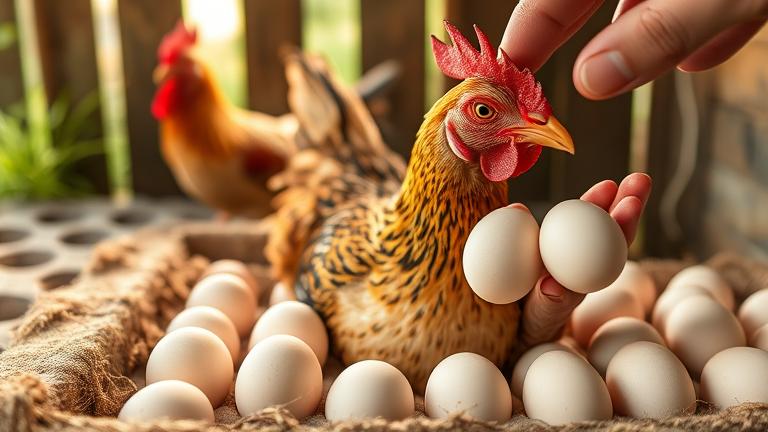
Visual Clues for Fertile Eggs
When you’re collecting eggs from your chickens, it can be helpful to know if they are fertile, especially if you’re planning to hatch chicks. While the most reliable way is to candle the eggs after incubation, there are some visual clues you can look for right from the shell that might give you a good idea.
First, examine the shell itself. Fertile eggs often have a slightly different appearance compared to infertile ones. Look for eggs with a smooth, clean surface. While this isn’t a definitive sign, damaged or dirty eggs may be less likely to be fertile, especially if bacteria have contaminated the shell.
Next, observe the size and shape of the egg. Fertile eggs tend to be similar in size to other eggs laid by your hens, but some breeders notice that these eggs might be slightly larger or rounder. However, size alone isn’t a reliable indicator. It’s more about consistency and how the egg compares to your normal eggs.
Color is another aspect to consider. Typically, fertile eggs don’t have distinct color differences from infertile eggs, as the life process happens inside, beneath the shell. But certain subtle signs can sometimes be noticed. For example, some fertile eggs might have a faint, irregular sheen or slightly more matte appearance.
One visual sign that’s more noticeable after incubation, but worth mentioning, is the appearance of blood spots. These are small, blood-like specks which can be present in both fertile and infertile eggs. Their presence doesn’t necessarily indicate fertilization, but if you see them, it’s worth inspecting the other clues carefully.
Other Practical Tips:
- Fertile eggs from hens that are actively mating might have a faint “bullseye” or dark ring around the yolk upon candling, but this isn’t visible from the outside.
- Some breeders notice that eggs from hens with well-maintained nesting areas look healthier and more likely to be fertile.
- Always handle eggs gently to avoid cracks, as damaged shells can introduce bacteria or obscure visual clues.
- Keep in mind that visual cues are not 100% reliable. The surest method to know if an egg is fertile is to candle it after about 7-10 days of incubation.
While you can observe some simple signs on the shell, don’t rely solely on these clues. Regularly candling your eggs and maintaining healthy, well-mated hens can improve your chances of identifying and incubating fertile eggs successfully. Remember, patience and careful observation are key to poultry raising and hatching success.
How to Candle Eggs for Fertility
Candling eggs is a simple and effective way to check for signs of development and fertility. This technique involves holding the egg up to a bright light to see inside without cracking the shell. It is especially useful for backyard poultry keepers or anyone curious about embryo progress.
Before starting, gather a small flashlight or a specialized egg candler. A flashlight with a focused beam works well because it provides enough light without being too harsh. Find a dark room or a quiet space where your egg can be examined without distractions.
Steps to Candle Eggs
- Choose a clean, fresh egg that has been incubated for several days. Typically, eggs are candled around day 7 to check early development, and again around day 14 to monitor growth.
- Hold the egg gently in your hand or use an egg candler. Carefully turn off the lights in the room to enhance visibility.
- Place the light source close to the large end of the egg, where the air sac is located. Do not press too hard; you just need enough to see inside.
- Observe what you see through the shell. A fertile egg with embryos will show veins, blood vessels, or a dark spot called a developing embryo. An unfertilized egg usually appears clear with a white or transparent appearance.
- If you see a network of blood vessels and a dark embryo center, your egg is developing properly. If the egg stays clear or only shows a small, white air pocket, it might not be fertile or may have stopped developing.
- Record your observations for each egg, noting which ones are progressing and which are not.
Tips for Successful Candling
- Always handle eggs gently to avoid damaging the shell or disturbing the developing embryo.
- Use a consistent light source and position to compare eggs over time.
- Perform candling in a dark room for the best visibility.
- Wait until at least day 7 of incubation before candling to give embryos enough time to develop.
- Discard eggs that show no signs of development after a few checkings but be patient sometimes embryo growth is slow or eggs are laid late in the incubation cycle.
Common Mistakes to Avoid
- Candling eggs too early embryos need a few days to become visible. Waiting until day 7 or later yields clearer results.
- Applying too much pressure when holding or shining the light always be gentle to keep eggs intact and safe for future use or hatching.
- Using a dim or uneven light source bright, consistent light helps you see inside clearly.
- Not recording observations keeping notes helps track development over days and identify which eggs are viable.
Additional Tips
If you’re candling eggs regularly, develop a simple chart to record progress. Comparing images or notes from different days can give you a good idea of embryo health. Remember, patience is key sometimes eggs develop slower than expected, and not all eggs will hatch. Candling is a helpful tool to increase your chances of successful incubation and healthy chicks.
Signs of Fertilized Chicken Eggs
When you’re collecting eggs from your hens, you might wonder if they’re fertilized or not. Fertilized eggs are the ones that can develop into chicks, but they often look very similar to ordinary eggs. Fortunately, there are some clues you can look for to tell if an egg has been fertilized. Most of these signs are visible when you examine the egg carefully, especially the germinal disc, which is the key indicator.
One of the first things to look at is the appearance of the egg’s surface itself. A fertilized egg usually looks just like a regular egg on the outside. There are no obvious visual differences, such as color or size. However, sometimes you might notice tiny blood spots or small specks on the eggshell. These are not necessarily signs of fertilization but can occur naturally in eggs. If you see a larger, more distinct blood spot, it could be an initial sign that the egg is fertilized, but it’s not a guaranteed indicator.
The most reliable way to tell if an egg is fertilized is by examining the germinal disc, which is a small, round, white spot on the yolk. To do this, you need to gently crack the egg into a clean bowl or cup, taking care not to break the yolk. Hold the egg up to a bright light or use a candling flashlight, which allows you to see inside the egg without breaking it open. Shine the light through the eggshell and focus on the germinal disc.
In a fertilized egg, the germinal disc appears larger and has a distinct, circular shape. It will look somewhat cloudy or have a small, swirling pattern known as the blastoderm. Sometimes, you’ll see a small white ring around the germinal disc, which is called the “germinal circle.” If the egg is not fertilized, the germinal disc remains small and flat, often just a tiny white spot with no pattern or features.
Another visual cue is the development of the germinal disc over time. If you store eggs for a few days under proper conditions, a fertilized egg will start to show signs of early development when candled. After about a week, the embryo may be visible as a network of blood vessels forming around the yolk.
Keep in mind that identifying fertilized eggs is not always straightforward for beginners. Sometimes, even fertilized eggs may not show clear signs if they are very fresh or if the fertilization was recent. It’s also worth noting that many people collect eggs for eating and do not need to check for fertilization. But for those interested in breeding or hatching chicks, examining the germinal disc with candling is a practical step.
Here are some quick tips:
- Use a bright light or candling device to examine eggs.
- Gently crack the egg into a bowl to view the germinal disc.
- Look for a larger, cloudy, or swirling pattern in the disc area.
- Remember that small blood spots are common and not always signs of fertilization.
Understanding these signs can help you determine whether an egg is fertilized, especially if you’re planning to hatch chicks. With practice, identifying a fertilized egg becomes easier, making your chicken-raising journey more insightful and rewarding.
Proper Incubation Techniques
Incubating chicken eggs successfully requires attention to a few key factors like temperature, humidity, and turning schedules. When you keep these conditions just right, your eggs have the best chance of hatching into healthy chicks. Whether you’re a beginner or looking to improve your hatch rate, understanding these basics will make a big difference.
First, maintaining the correct temperature is essential. Most chicken eggs incubate best at around 99.5°F (37.5°C). Using a reliable incubator with a built-in thermometer helps you keep this steady. Too high or too low can prevent development or harm the embryo. For example, if the temperature drops slightly, the incubation period may stretch out, while too hot can kill the embryo outright. Always check your incubator regularly and adjust as needed.
Humidity levels also play a crucial role. During the first 18 days of incubation, aim for humidity around 50 to 55 percent. This helps prevent excessive moisture loss from the eggs and promotes healthy development. In the final three days before hatch, increase humidity to about 65 to 70 percent. This extra moisture softens the eggshells, making it easier for chicks to hatch. You can achieve this by placing a small dish of water inside the incubator or using a humidifier if your setup has one.
Turning the eggs is another vital step. Eggs should be turned at least three times a day, or about once every eight hours. This prevents the developing embryo from sticking to the shell and ensures even heat distribution. Many incubators have automatic turners, which make this process easier. If yours doesn’t, set a reminder to turn your eggs manually. Be gentle while turning and avoid jostling the eggs too much to prevent damage.
During incubation, it’s important to keep the eggs in a stable environment. Avoid opening the incubator frequently or for extended periods, as this causes temperature and humidity fluctuations. When you do check on the eggs, do so quickly and carefully. Use your hands or a dedicated thermometer and humidity gauge to monitor conditions without disturbing the setup too much.
Here are some additional tips to help ensure successful incubation:
- Label your eggs with the date they were set so you can track their progress.
- Keep the incubator in a location with consistent temperature and away from direct sunlight or drafts.
- Clean and disinfect your incubator before use to prevent bacteria from harming the developing eggs.
- Be patient; incubation takes about 21 days, and slight variations are normal.
By following these proper incubation techniques, you give your eggs the best environment for development. With care and attention, you’ll increase your chances of hatching healthy, happy chicks.
Common Myths About Fertile Eggs
Fertile eggs often come with a lot of misconceptions and myths. Many people have ideas about how to identify a fertile egg, how long it stays good, or whether it’s safe to eat. Here, we’ll clear up some of these popular myths and set the record straight with facts backed by science.
Myth 1: You can tell if an egg is fertilized just by looking at it
This is a common misconception. Many think that a fertilized egg looks different from a non-fertilized one. But in reality, you cannot determine fertilization just by viewing the eggshell. The eggshell appears the same whether or not it has been fertilized. The key difference lies inside the egg, which you can’t see without special equipment or candling – a process where a bright light is used to look inside the egg.
Myth 2: Fertile eggs are unsafe to eat
Some believe that eggs with the potential to hatch are unsafe to eat. This is not true. Fertilized eggs are safe to eat just like non-fertilized eggs. The main safety concern with eggs, whether fertile or not, is proper storage and handling. Keep eggs refrigerated, cook them thoroughly, and avoid cracked eggs to reduce the risk of salmonella or other bacteria.
Myth 3: Fertility status affects an egg’s freshness
A common myth is that if an egg is fertilized, it will spoil or go bad faster. This is not accurate. An egg’s freshness depends on how it is stored and how long it has been since it was laid, not whether it is fertilized. As long as eggs are refrigerated and used within the recommended time frame, fertility status does not impact their freshness or safety.
Myth 4: Fertile eggs can hatch on their own in your kitchen
This myth is based on a misunderstanding. Fertile eggs need specific conditions for incubation, including consistent warmth, humidity, and turning. Simply leaving fertile eggs at room temperature in your kitchen will not cause them to hatch. Hatching requires controlled conditions typically found in incubators or the natural environment of a hen’s nest.
Myth 5: All eggs from a farm are fertile
Many think that eggs bought from the grocery store are mostly fertile. While this can sometimes be true if hens are kept with roosters, most commercially sold eggs are from hens that were not exposed to roosters. When you buy eggs from the grocery store, chances are they are unfertilized. So, if you want fertile eggs for hatching, you need to source them from farms where roosters are present.
Tips to Keep in Mind
- Always store eggs properly and check expiration dates.
- Cook eggs thoroughly to eliminate bacteria, regardless of fertility status.
- If hatching is your goal, ensure eggs are collected from roosters and stored under proper incubation conditions.
- Remember, visual inspection does not reveal fertilization; scientific methods like candling are needed for certainty.
Keeping Eggs Fertile Before Incubation
Getting eggs ready for incubation starts with proper handling and storage. If you want to ensure the eggs are fertile and healthy, it’s important to know how to store them correctly before incubation begins. Fresh, properly handled eggs increase the chances of successful chick development.
First, always gather eggs from your breeding flock regularly. Collecting eggs at least once a day helps keep them fresh and prevents damage. Handle the eggs gently to avoid cracks or breaks, which can expose the embryo to bacteria and reduce fertility.
Storage Conditions for Fertile Eggs
When storing eggs prior to incubation, aim for a cool, moist, and stable environment. The ideal temperature range is between 50°F and 70°F (10°C to 21°C). Avoid places that become too hot or cold, such as garages or attics. A refrigerator can be used, but it’s best to store eggs at the recommended temperature and humidity instead of freezing them.
Humidity should be around 75%. This helps keep the eggs’ shells moist and prevents them from losing too much moisture, which can harm the developing embryo later. Cover the eggs with a damp cloth or place them in a container with a bit of damp paper towel to keep humidity up, but avoid waterlogging the eggs.
How Long Can You Store Fertile Eggs?
- Ideal storage time: 5 to 7 days. Eggs stay fertile and viable if stored within this window.
- Maximum storage: Up to 10 days, but fertility may gradually decline after the first week.
- Beyond 10 days: The chances of successful incubation decrease significantly. It’s best to set eggs sooner rather than later.
If you’re storing eggs longer than a few days, turn them gently once or twice daily. This mimics natural movement and helps keep the embryo evenly positioned inside the egg. Remember to label eggs with the date of collection so you can track how long they have been stored.
Tips for Best Results
- Store eggs with the pointed end facing down. This helps the embryo stay in the best position for development.
- Avoid washing eggs before storage. Dirty eggs can carry bacteria. If cleaning is necessary, use a dry or slightly damp cloth instead of water.
- Keep eggs away from direct sunlight and drafts, which can cause temperature fluctuations.
- Ensure your storage area is clean and free from strong odors that could affect the eggs.
Following these simple handling and storage tips can improve your chances of successful incubation. With a little care, your fertile eggs will be in the best condition for the hatch to come.
Tips for Successful Incubation
Incubating eggs can be an exciting part of raising poultry or other birds. Getting high hatch rates depends on following a few key practices to create the ideal environment for the eggs. In this section, we’ll share practical tips to help you improve your incubation success and troubleshoot common problems along the way.
Maintain Proper Temperature
Temperature is one of the most critical factors in successful incubation. Most eggs hatch best at a consistent temperature around 99.5°F (37.5°C). Fluctuations can harm the developing embryos, so try to keep the incubator in a stable location away from direct sunlight or drafts. If your incubator has a thermostat, double-check it regularly to ensure it stays accurate. For digital models, monitor the temperature daily and recalibrate if needed. Remember, consistency is key avoid opening the incubator too often, which can cause temperature drops.
Control Humidity Levels
Proper humidity helps eggs lose excess moisture at the right rate, which is essential for healthy hatchlings. Generally, humidity should stay around 50-55% during most of incubation. In the last few days before hatch, increase it to about 65-70% to help hatchlings break through the shell smoothly. You can adjust humidity by adding water to the incubator’s trays or using a sponge. Use a hygrometer to monitor humidity levels, and make adjustments when necessary. Too high humidity can drown the embryo, while too low can cause the egg to lose too much moisture, leading to weak chicks.
Turn Eggs Regularly
Egg turning prevents the embryo from sticking to the shell and promotes proper development. Most incubators automatically turn eggs for you, but if you’re turning eggs manually, do so at least three times a day. Be gentle to avoid damaging the delicate embryo. Keep the eggs in a consistent position also to prevent cracking or misalignment. Stop turning the eggs a few days before hatch, usually three days prior, to allow the embryo to position itself for hatching.
Maintain Good Air Circulation
Fresh air exchange is vital for the developing embryo. Ensure your incubator has adequate ventilation and air circulation. Avoid sealing the incubator too tightly, which can cause oxygen levels to drop. Opening small vents or adjustable lids helps bring in fresh air and remove excess carbon dioxide. Proper airflow combined with stable temperature and humidity creates a healthy environment for development. Check that the air filters are clean if your incubator uses them, and avoid overcrowding the eggs as crowding can limit airflow.
Monitor and Troubleshoot Common Issues
Regularly check the incubator’s temperature, humidity, and egg condition. Signs of trouble include eggs that are developing poorly, a sudden drop in temperature, or mold growth. If you notice problems, troubleshoot promptly: adjust the thermostat if needed, clean the incubator to prevent mold, and remove any damaged eggs that might harbor bacteria. Keeping detailed records during incubation can help identify patterns or issues for future hatches.
- Always handle eggs carefully to prevent cracks or damage.
- Keep the incubator clean and disinfected before use.
- Mark eggs with a pencil to track turning progress.
- Be patient hatching can take several days, and consistent care makes all the difference.
By following these simple yet important tips, you’ll increase your chance of a successful hatch. Patience, attention to detail, and regular monitoring are your best tools for raising healthy chicks or other hatchlings.