
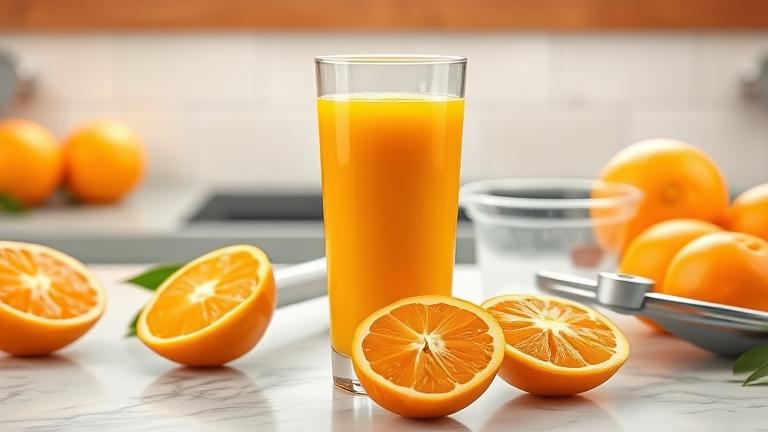
Chopping Techniques for Oranges
Getting ready to juice oranges? Learning the right chopping techniques can help you extract the most juice and handle the fruit easily. Whether you’re preparing for a morning smoothie or making fresh orange juice, the right method makes all the difference.
Choosing the Right Orange
Start by selecting a ripe, firm orange. Look for a bright color and feel the fruit: it should be firm but slightly soft to the touch. Juicy oranges tend to be heavier than they look, indicating plenty of juice inside.
Tools You Need
- A sharp chef’s knife
- A cutting board
- Optional: a citrus juicer or reamer
Preparing the Orange
Wash the orange thoroughly under running water to remove any dirt or wax. Pat it dry with a clean towel. Place it on your cutting board and get ready to cut.
How to Chop Oranges for Juicing
- Remove the ends by slicing off both the top and bottom of the orange. This creates a stable base and exposes the fruit’s interior, making it easier to peel.
- Stand the orange upright on one of the flat ends. Carefully cut down along the sides of the orange, removing the peel and the white pith. Follow the shape of the fruit to make clean, smooth cuts. This process is called “peeling.”
- Once peeled, you can cut the orange into halves or quarters depending on its size and your needs. For maximum juice, smaller pieces work best because they expose more surface area.
- Remove any seeds if present. Seed pockets are common in smaller sections.
- If you’re aiming for small, ready-to-juice pieces, cut the sections into smaller chunks. This not only makes handling easier but also helps your juicer work more efficiently.
Tips for Better Orange Chopping
- Use a sharp knife to avoid slipping and ensure clean cuts.
- Work slowly and carefully, especially when cutting around the pith, to keep your fingers safe.
- If your orange is very round and unstable, slice a small piece off the bottom to create a flat surface before peeling.
- For easier handling, you can also cut the orange in half crosswise before peeling or slicing into smaller sections.
Common Mistakes to Avoid
- Pressing too hard with the knife, which can slip and cause injuries.
- Peeling too deeply and removing too much of the juicy flesh along with the peel.
- Using a dull knife, which makes cutting more difficult and potentially unsafe.
- Trying to peel or cut the orange while it is still cold; allow it to reach room temperature for easier handling.
With these techniques, you’ll find preparing oranges for juicing becomes quick and simple. Proper chopping not only makes your juicing process smoother but also helps you get the most delicious, juicy results every time!
Nutritional Benefits of Orange Juice
Orange juice is a popular drink enjoyed worldwide, not just for its refreshing taste but also for its many health benefits. When you include orange juice in your diet, you’re giving your body a boost of essential nutrients, antioxidants, and hydration. It’s a simple way to improve your overall health and support your daily well-being.
One of the biggest advantages of orange juice is its high vitamin content. It is especially rich in vitamin C, a powerful antioxidant that helps protect your cells from damage. Vitamin C also supports your immune system, making it easier to fight off colds and illnesses. Drinking a glass of orange juice in the morning can give your body a good start to the day with a vitamin C boost.
Besides vitamin C, orange juice contains other important nutrients such as folate, potassium, and thiamine. Folate is vital for cell growth and development, and it is especially important during pregnancy. Potassium helps regulate blood pressure and keeps your muscles functioning properly. Thiamine supports energy production and healthy nerve function. Incorporating orange juice into your diet can help you meet your daily needs for these essential vitamins and minerals.
Rich in Antioxidants
Orange juice is packed with antioxidants, which are compounds that help neutralize harmful molecules called free radicals. Free radicals can damage cells and contribute to aging and diseases like cancer and heart problems. The antioxidants found in orange juice include flavonoids, carotenoids, and vitamin C itself. Regular consumption of orange juice, in moderation, can contribute to better overall health and reduce oxidative stress.
Supports a Balanced Diet
Including orange juice as part of a balanced diet can help you achieve good nutrition and maintain energy levels throughout the day. It pairs well with breakfast, added to smoothies, or enjoyed as a refreshing drink after exercise. While orange juice is nutritious, it’s important to remember that it also contains natural sugars. To enjoy the benefits without excess sugar intake, measure your portions and opt for 100% pure orange juice without added sugars.
| Nutrient | Approximate Amount per 8 oz (236 ml) |
|---|---|
| Vitamin C | 124 mg (about 138% of daily value) |
| Folate | 41 micrograms |
| Potassium | 496 mg |
| Calories | 110 |
| Sugar | 21 grams |
To get the most nutritional benefit from orange juice, choose options labeled 100% orange juice without added sugars. Freshly squeezed juice is ideal, but high-quality bottled options can also preserve many nutrients. Remember, moderation is key, and orange juice should complement a varied diet that includes whole fruits, vegetables, lean proteins, and grains for optimal health.
Best Oranges for Juicing
When it comes to making fresh orange juice at home, choosing the right oranges makes a big difference. Not all oranges are equal in flavor, juicy texture, or how much juice you can get from them. The best oranges for juicing are those that are sweet, easy to peel, and produce a lot of vibrant, tasty juice. Let’s explore some top varieties to help you pick the perfect oranges for your morning pour or refreshing drink.
Navel Oranges
Navel oranges are one of the most popular choices for juicing. They are known for their sweet flavor and seedless nature, which makes them easy to work with. These oranges tend to be juicy, though slightly less so than some other varieties, but their excellent taste makes up for it. Navel oranges are available year-round, so they’re a convenient option whenever you want fresh juice.
Valencia Oranges
Valencia oranges are often called the “juice oranges” because they are prized for high juice yield and balanced sweetness. They have a thin skin that’s easy to peel and produce a vibrant, flavorful juice. These oranges ripen in late spring and summer, making them ideal for fresh-squeezed juice during those seasons. Their slightly tart note also adds a pleasant complexity to your drink.
Blood Oranges
Blood oranges stand out for their unique color and flavor. Their deep red flesh offers a sweet, slightly tart taste with hints of berry. They are excellent for juicing if you want a more colorful, flavorful twist. Blood oranges usually have a good juice yield and add a wonderfully vibrant hue to your homemade juice. They’re perfect for mixing into smoothies or serving as a fancy garnish.
Seville Oranges
While Seville oranges are primarily known for making marmalade, they are also good for juicing if you enjoy a bitter-sweet flavor. They tend to be quite tart and less sweet than other varieties. Use them in small amounts if you want a zesty, tangy twist in your juice or cocktails. Their high acidity can also brighten up other fruit juices you blend with them.
Tips for Choosing Oranges for Juicing
- Look for oranges that are firm yet slightly soft to the touch. They should feel heavy for their size, indicating lots of juice inside.
- Avoid oranges with blemishes or wrinkled skin, as these may be dried out or less juicy.
- Opt for oranges with a bright, fresh aroma this is a sign of good flavor and ripeness.
- If possible, choose organic oranges to avoid pesticides and enjoy a more natural flavor.
Experimenting with different varieties can make your juicing experience more fun and flavorful. Whether you prefer the sweet, seedless ease of navel oranges or the bold, colorful punch of blood oranges, there is a perfect orange for every juicer. Remember, the best oranges are fresh, ripe, and heavy for their size that’s the secret to getting the most delicious, juice-filled glass every time.
Tips for Extracting More Juice
Getting the most juice from your oranges can make a big difference in the flavor and yield of your fresh juice. With a few simple tips and techniques, you can maximize every citrus fruit you squeeze. Whether you’re making a glass for yourself or preparing a large batch, these practical ideas will help you extract more juice efficiently.
First, choosing the right oranges is important. Look for fruits that are heavy for their size, which usually indicates they are juicy. Oranges with a bright, firm skin are also good choices they’re ripe and full of liquid. Avoid oranges that feel soft or have blemishes, as they may not yield as much juice.
Before squeezing, give your oranges a quick roll on the countertop with your palm. This gentle pressure helps break down the juice pockets inside, making extraction easier. For even better results, warm your oranges slightly by soaking them in warm water or microwaving for about 10 seconds. Warm fruit tends to release more juice than cold.
Use Proper Tools
- If you have a citrus juicer, use it. A handheld reamer or a traditional manual press can do a great job at extracting more juice than just squeezing by hand. If you’re using a manual reamer, twist it firmly into the fruit to crush the pulp and release the liquid.
- For higher efficiency, consider an electric citrus juicer. These devices automatically rotate and apply pressure, saving you time and effort. They also often extract more juice than manual methods.
Optimizing the Juicing Technique
When squeezing oranges by hand, try to use a twisting motion. Hold the orange firmly and twist the fruit against a strainer or your hand. This helps break the pulp and releases more juice. Squeeze the fruit as hard as you can without hurting your hand. Rotation and pressure are key.
Another tip is to cut the orange crosswise (through the stem) rather than lengthwise. Crosscut slices tend to expose more pulp surface area, making it easier to squeeze out every drop. Avoid squeezing too quickly or roughly, as it can crush the pulp and cause pulp fragments to enter the juice, making it less clear.
Maximize Extraction from Each Piece
- Cut the orange into smaller sections if you’re using a manual press or reamer. Smaller pieces are easier to squeeze thoroughly.
- Don’t forget to press all around the pulp. Use a spoon or the back of a knife to press or twist the pulp inside the orange, releasing any remaining juice.
- If you want extra juice, ream the same orange halves again after a short rest. Sometimes the pulp reabsorbs some juice, which you can squeeze out with a little more effort.
Additional Tips for Better Results
- Strain the juice through a fine mesh sieve to remove pulp and seeds for a smooth drink.
- Handle the oranges gently at first to avoid crushing the seeds, which can add bitterness to your juice if they rupture.
- Consider storing your oranges at room temperature a day before juicing they’re easier to squeeze when slightly warmed.
By following these simple tips and choosing your tools wisely, you can significantly increase the amount of juice you extract from each orange. This not only improves efficiency but also makes juicing more enjoyable. Happy squeezing!
Delicious Orange Juice Recipes
Freshly squeezed orange juice is a bright, tasty base for many drinks and blends. Whether you have a big batch for breakfast or want to experiment with fun flavors, these recipes will give you plenty of ideas. Using fresh oranges is the key to the best taste, so try to pick ripe, juicy fruits whenever possible.
Classic Fresh Orange Juice
The simplest way to start is with classic orange juice. Peel the oranges if you prefer, or leave the peel on if you’re using a good juicer that can handle it. Cut the oranges in half and press them on a citrus juicer or use a handheld squeezer to extract the juice.
For an extra smooth drink, strain the juice through a fine sieve to remove pulp and seeds. Serve immediately in a glass for the freshest flavor. If you like your juice chilled, add a few ice cubes or refrigerate the oranges before juicing. This straightforward method highlights the bright, tangy taste of fresh oranges.
Refreshing Orange and Pineapple Blend
If you’re in the mood for a tropical twist, try blending fresh orange juice with pineapple. Use about two parts orange juice to one part pineapple juice or chunks. Peel and core the pineapple if you’re blending fresh fruit, or use canned pineapple chunks to save time.
Combine the juices and fruit in a blender. Blend until smooth, adding ice for a chilled drink. This blend offers a sweet, tangy flavor that’s perfect for hot days or brunch. You can also add a splash of coconut water for an extra exotic taste.
Orange and Berry Smoothie
For a healthy, colorful treat, mix orange juice with your favorite berries. Strawberries, blueberries, and raspberries all work well. Use about one cup of mixed berries and one cup of orange juice.
Place the berries and juice in a blender and blend until smooth. If you prefer a thicker texture, add a banana or a spoonful of yogurt. This smoothie is full of vitamins and antioxidants, making it a great pick-me-up any time of day.
Spiced Orange Juice
Want a cozy, flavorful drink? Add a pinch of cinnamon, nutmeg, or ginger to your fresh orange juice. For a warm version, heat the juice gently on the stove and stir in the spices. Be careful not to boil, as this can change the flavor.
Serve warm in mugs with a cinnamon stick for stirring. This spiced orange juice makes a comforting drink for chilly mornings or evenings. It’s also wonderful for making mulled juice for parties or special gatherings.
Tips for Making the Best Orange Juice
- Choose ripe, juicy oranges for maximum flavor and sweetness.
- If using a juicer, experiment with different varieties such as navel, Valencia, or blood oranges for unique tastes.
- Don’t forget to wash the oranges thoroughly before juicing.
- Use a fine sieve if you prefer pulp-free juice.
- Make juice fresh for the best taste, but you can store extra in the refrigerator for up to 24 hours.
Try These Variations
- Add a splash of sparkling water for a bubbly twist.
- Mix with other citrus juices like lemon or tangerine for a more complex flavor.
- Introduce a hint of mint or basil for a refreshing herbal note.
Storage Tips to Keep Juice Fresh
Storing orange juice properly is key to keeping it fresh, flavorful, and packed with nutrients. Whether you have freshly squeezed juice or store-bought cartons, these simple tips will help you preserve its quality for as long as possible.
The first step is to pay attention to storage temperature. Always keep orange juice refrigerated at or below 40°F (4°C). This slows down bacterial growth and helps maintain its good taste. Avoid leaving juice out at room temperature for long periods, especially once it’s open, as this can lead to spoilage.
Use the Right Container
Storage containers play a big role in keeping juice fresh. Always transfer juice to a clean, airtight container if the original packaging isn’t resealable. Glass bottles or plastic jugs with tight-fitting lids are best because they prevent air exposure, which can cause the juice to spoil faster.
If you’re pouring fresh juice into a different container, make sure it’s sanitized first. Fill the container close to the top to minimize air space, which reduces oxidation a process that can degrade flavor and nutritional quality over time.
Keep It Cold and Consistent
Maintain a consistent refrigerator temperature. Fluctuations can cause the juice to spoil more quickly. Store juice in the main part of the fridge, not the door, where temperatures tend to be less stable. It’s a good idea to keep a thermometer in your fridge to monitor these conditions.
Once opened, try to consume the juice within 7 to 10 days. Check the expiration date on store-bought cartons and note the “use by” date. For freshly squeezed juice, it’s best to drink it within 24 to 48 hours for optimal freshness and nutrition.
Avoid Contamination
Always use clean utensils or glasses when pouring juice. Introducing crumbs or other contaminants can cause bacteria or mold to develop. For example, don’t refill the same glass directly from the container without washing it first.
Additionally, never leave open containers at room temperature, even for a short time. Bacteria multiply quickly at warmer temperatures, which can cause the juice to spoil and potentially cause stomach upset.
Additional Tips for Longer Storage
- For extended storage, consider freezing juice in freezer-safe containers. Leave some space at the top because liquids expand when frozen. Thaw in the fridge before drinking.
- If you notice any off smells, sour taste, or changes in appearance like mold, discard the juice immediately.
- To maintain flavor, avoid storing juice near strong-smelling foods, as absorption can dull its taste.
Summary
Proper storage keeps your orange juice tasting fresh and nutritious. Keep it refrigerated at a consistent temperature, use airtight containers, and handle it with clean utensils. By following these tips, you can enjoy delicious, refreshing juice for days to come without compromising quality.
Portion Control and Measurement
Learning how to accurately measure oranges and their juice is a handy skill for anyone who loves fresh fruit or wants to manage their intake. Proper portion control helps you enjoy your oranges without overdoing it, and it ensures your recipes turn out just right. Whether you’re juicing for a quick breakfast or preparing a fruit platter, knowing the right measurements can make a big difference.
One of the first steps is understanding typical orange sizes. Oranges come in various sizes, from small clementines to large navel oranges. A standard medium orange weighs about 130 to 150 grams and provides roughly 1 cup of fresh juice. When shopping or preparing, it helps to have a kitchen scale to measure the weight if you want precision. Simply place the orange on the scale and note the number. This way, you can adjust quantities for recipes or calorie counting.
If you don’t have a scale, you can estimate juice yield based on size. For example, a medium-sized orange usually yields about 1/3 to 1/2 cup of juice. Large oranges can give closer to 1 cup. Keep in mind that the amount of juice varies depending on the fruit’s water content and ripeness. To get the most juice, roll the orange gently on the countertop before cutting; this helps loosen the juice inside.
Measuring Juice
To measure fresh juice accurately, use measuring cups with clear markings. Pour the juice into the cup slowly to avoid spills and check at eye level for the most accurate reading. If you’re making a drink or a recipe that calls for a precise amount, measure it before adding other ingredients. For example, if a recipe needs 1/2 cup of orange juice, measure it first and then add other components.
When juicing oranges with a manual or electric juicer, it’s easy to control the amount by measuring as you go. If you prefer to juice directly into a container, transfer the juice into a measuring cup afterward. Remember that strained pulp can be measured separately if you want more fiber in your diet but don’t want pulp in your juice.
Controlling Portions
Portion control isn’t just about measuring the fruit or the juice. It’s also about understanding serving sizes. A typical serving of fresh fruit like oranges is about one medium orange or roughly 1/2 cup of juice. If you’re watching your calorie intake, this is a good guideline to follow.
To manage your intake more easily, consider pre-portioning your juice or fruit into containers or small cups. For instance, pour 1/2 cup of freshly squeezed orange juice into small bottles or jars. This makes it simple to grab just the right amount without overpouring. Similarly, for fresh orange slices, divide a large orange into wedges or sections and store them in portioned containers.
Tips for Accurate Measurement
- Use a reliable kitchen scale for weighing oranges when precision is important.
- Roll the orange on the counter before cutting to maximize juice extraction.
- Measure juice in clear, dedicated measuring cups placed at eye level for accuracy.
- Pre-portion juice and slices into small containers to easily control servings throughout the day.
By mastering these simple measurement techniques, you can enjoy fresh oranges and juice while keeping your portions in check. Accurate measurement helps you enjoy the flavor and health benefits of oranges without excess. It’s a practical habit that turns your fruit into perfectly portioned, delicious servings every time.