
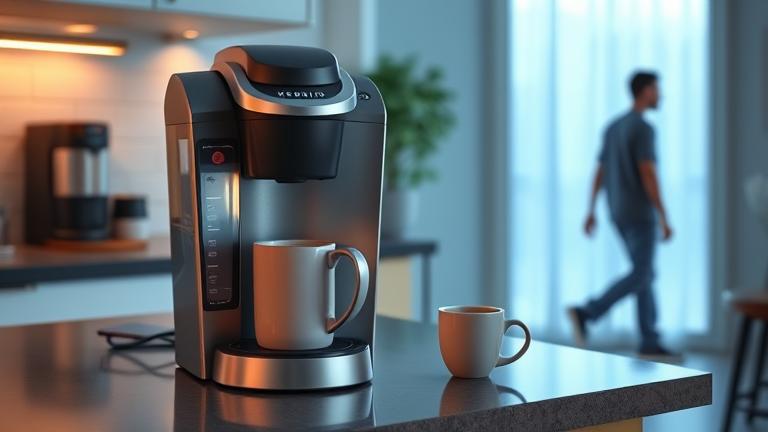
Is It Safe to Leave Your Keurig on All Day?
Many people wonder if it is safe to leave a Keurig coffee maker on all day. While it might seem convenient to have hot coffee ready whenever you want, it’s important to understand the safety considerations involved. Knowing the potential risks can help you use your device wisely and avoid mishaps.
First, most modern Keurig machines are designed with safety features. For example, many models automatically turn off after a certain period of inactivity. However, if your Keurig does not have this feature, leaving it on for long periods increases the risk of overheating or electrical issues. Electrical appliances, if left unattended and on continuously, can sometimes become a fire hazard.
In addition, keeping your Keurig on all day can lead to wear and tear over time. Continuous heating can put extra strain on internal components, possibly reducing the lifespan of your machine. This might also result in higher energy bills, as the device uses power whenever it is heated.
Safety tips for using your Keurig include a few simple precautions. First, check if your model has an automatic shut-off feature. If it does, rely on it to turn off your machine when not in use for a certain period. If your Keurig lacks this feature, it’s best to turn it off when not needed, especially if you will be away from home for a while.
Keep your Keurig in a well-ventilated area away from curtains, paper towels, or other combustible materials. Regularly clean your machine to prevent mold or bacteria buildup, which can happen if water remains in the reservoir for too long. Also, inspect the power cord and plug for any signs of damage; avoid using a malfunctioning device.
Consider alternative safety measures. For example, you can set a timer on your power strip or outlet to turn off the machine automatically overnight or during long absences. Using appliances with built-in safety features offers peace of mind.
Finally, common mistakes to avoid include leaving your Keurig on overnight or when leaving the house for several hours. It’s also wise not to overfill the water reservoir, which can cause leaks or damage internal parts. If you notice strange noises, leaks, or if the machine feels unusually hot, unplug it immediately and seek professional help or contact the manufacturer.
In summary, while most Keurigs are built with safety features, it’s best not to leave it running all day. Using smart safety habits can keep your device functioning well and prevent potential accidents. Always follow the manufacturer’s instructions, and when in doubt, turn the machine off when not in use for extended periods.
Best Practices for Keurig Safety and Maintenance
Your Keurig coffee maker is a handy appliance that makes your mornings easier. To keep it running smoothly and safely, regular maintenance and proper handling are key. Following these best practices will help extend your Keurig’s lifespan and ensure every brew is safe and delicious.
Regular Cleaning is Crucial
Cleaning your Keurig often prevents mineral buildup, mold, and bacteria from forming. A clean machine not only lasts longer but also provides better tasting coffee. Aim to clean your Keurig at least once a month, especially if you use it daily.
Start by unplugging the machine. Remove the water reservoir and wash it with warm, soapy water. Wipe down the exterior with a damp cloth, avoiding electrical parts. For internal cleaning, run a descaling cycle using a mixture of equal parts water and white vinegar. This helps remove mineral deposits from inside the machine. After descaling, run multiple water-only cycles to rinse out any vinegar residue.
Follow Proper Descaling Procedures
Mineral deposits from tap water can clog your Keurig over time. Descaling is essential, especially if you notice reduced water flow or longer brewing times. Use a descaling solution recommended by Keurig or a filtered vinegar solution. Follow the instructions provided, and be sure to run clean water cycles afterward to clear out any remaining solution.
Use Fresh, Clean Water
The quality of water impacts both safety and taste. Always use filtered or bottled water if your tap water is hard or contains a lot of minerals. Refill the water reservoir daily to prevent bacterial growth or mold. Never leave water sitting in the reservoir for long periods, especially if you won’t use the machine for a while.
Proper Handling and Storage
When not in use for extended periods, empty the water reservoir and unplug the device. Store your Keurig in a dry, cool place to prevent mold or damage. Handle parts carefully to avoid cracks or leaks, and always follow the manufacturer’s instructions for assembly and disassembly.
Check for Warning Signs
Watch for signs that your Keurig may need maintenance, such as unusual noises, leaks, or inconsistent brewing temperatures. If you notice these issues, it’s best to clean or descale your machine and inspect for any damaged parts.
Safety Tips to Keep in Mind
- Always unplug the Keurig before cleaning or refilling parts.
- Never immerse the machine in water or place it in a dishwasher.
- Use only approved cleaning agents and descaling solutions.
- Keep the machine away from children and pets during cleaning and operation.
Following these simple safety and maintenance tips will keep your Keurig in top shape. Regular cleaning not only ensures better-tasting coffee but also protects your investment for years to come. Taking a few minutes to care for your machine pays off in safer, more delicious brews every time.
Energy Use and Efficiency of Keurig Machines
When it comes to making your favorite coffee or tea quickly, Keurig machines are a popular choice. But many home cooks and coffee enthusiasts also wonder about their energy use and how efficient they really are. Understanding how much power these machines consume can help you save energy and reduce your electric bill while still enjoying your drinks.
Most Keurig machines are designed to heat water rapidly and brew quickly. This means they use a fair amount of energy during each brewing session. On average, a Keurig uses around 150 to 300 watts of power while heating water. Once the water reaches the right temperature, the machine shifts to a standby mode, which consumes much less energy, usually less than 10 watts. This shutdown mode helps save power when the machine is not actively brewing.
How Much Energy Do Keurig Machines Use?
| Model Type | Average Power Consumption (Watts) | Brewing Time | Estimated Daily Usage (Hours) | Approximate Monthly Energy Cost |
|---|---|---|---|---|
| Standard Keurig (K-Select, K-50) | 150 – 300 | 1-3 minutes per brew | 10-15 minutes | $3 – $6 |
| Elite or newer models with Advanced Features | 180 – 320 | 1-3 minutes per brew | 10-20 minutes | $4 – $7 |
To estimate your own energy costs, find out your local electricity rate (usually in cents per kWh). Multiply the machine’s wattage by the number of hours it operates each day, then divide by 1000 to convert watts to kilowatts. Finally, multiply by your electricity cost in dollars.
Assessing Keurig Machine Efficiency
Compared to traditional coffee makers, Keurig machines are generally considered energy-efficient because they heat only the amount of water needed for each cup. Unlike drip coffee machines that heat a whole water reservoir constantly, Keurig’s on-demand heating minimizes energy waste.
However, continuous use or leaving the machine plugged in can increase energy consumption. Some models have eco modes that automatically turn off the machine after a period of inactivity, which helps save power. Selecting these features is a simple but effective way to boost efficiency.
Tips for Saving Energy with Your Keurig
- Unplug the machine when not in use for extended periods.
- Take advantage of auto-off or sleep modes if available.
- Use smaller cups or single servings to reduce the amount of water heated.
- Keep your machine clean and descaled regularly to maintain efficiency.
- Consider a model with energy-saving features if you brew multiple times daily.
While Keurig machines are convenient and speedy, being mindful of their energy consumption can help you cut costs and reduce your environmental impact. Simple habits like unplugging after use and opting for models with eco-friendly settings can make a noticeable difference.
Alternatives to Leaving Your Keurig on Constantly
If you want to save energy and keep your Keurig in good shape, it’s a great idea to avoid leaving it on all the time. Luckily, there are several practical options to help you use your coffee maker efficiently without sacrificing convenience.
Using a Timer or Power Strip
One of the easiest ways to control when your Keurig is on is by using a timer. These small devices plug into your wall outlet and allow you to set specific times for your Keurig to turn on and off. When your scheduled time arrives, the timer powers the machine up, so you wake up or arrive home to freshly brewed coffee.
If you prefer a more straightforward solution, connect your Keurig to a programmable power strip. These strips often have a button or switch to turn power on and off easily, or sometimes have built-in timers. This setup gives you quick control and prevents the machine from staying on when not in use.
Remember to check the wattage recommendations for your timer or power strip to ensure safe operation. Also, regularly test your timer to make sure it’s functioning correctly and saving energy as intended.
Manually Turning Off Your Keurig
Most Keurig models have a simple power button or switch. Make it a habit to turn off your machine once your brewing is complete. This is the most straightforward method to prevent energy waste and prolong your Keurig’s lifespan.
For added convenience, you can leave the water reservoir filled and the drip tray in place, so turning it back on is quick and easy whenever you want a fresh cup.
Scheduling Your Coffee Routine
Plan your coffee times so that your Keurig is on only during your typical wake-up or coffee break hours. For example, set a routine where it’s powered on in the early morning and turned off after your breakfast. This method ensures your machine isn’t running unnecessarily outside your usual schedule.
Auto-Off Features and Maintenance
Many newer Keurig models come with built-in auto-off features that automatically shut down the machine after a certain period of inactivity. Check your user manual to see if your machine supports this feature. If it does, enable it to save energy without additional effort.
Regular maintenance, like descaling and cleaning, also keeps your Keurig running efficiently. When the machine is clean, it heats water faster and uses less energy, making your coffee routine more eco-friendly.
Tips for Safe Use and Energy Saving
- Avoid unplugging frequently use timers or switches to control power instead.
- Keep the water reservoir filled for quick brewing without opening or preparing the machine excessively.
- Learn your Keurig’s energy-saving features and enable them if available.
- Follow the manufacturer’s guidelines for turning off and cleaning your machine to avoid malfunctions.
By choosing these alternatives, you can enjoy your favorite coffee without the guilt of wasting energy or shortening your Keurig’s lifespan. It’s a simple switch in habits that can make a big difference in your household’s efficiency and convenience.
Tips for Safe Keurig Usage and Troubleshooting
Using your Keurig coffee maker safely is important to enjoy your favorite beverages without any worries. Sometimes, minor problems can happen, but most are easy to fix with a few simple steps. Here are practical tips to keep your Keurig running smoothly and safely.
Water and Maintenance Tips
Always use fresh, clean water in your Keurig. Using old or mineral-rich water can cause buildup inside the machine, which may affect performance and safety. It’s a good idea to descale your Keurig regularly, usually every three to six months, especially if you notice slower brewing or strange noises.
To descale, fill the water reservoir with a mixture of equal parts water and white vinegar. Run a brew cycle without a coffee pod, then rinse the machine with plain water a few times to clear away any vinegar residue.
Handling Common Issues Safely
- Machine not turning on: Double-check the power cord and outlet. Make sure the cord isn’t damaged and the outlet has power by plugging in another device.
- Leaking water: Leaks can happen if a pod isn’t inserted properly or if the machine’s internal parts are clogged. Turn off the machine, remove the water reservoir, and check for any blockages or misaligned parts before restarting.
- Weak brew or no coffee: This could be caused by mineral buildup or a clogged needle. Regularly clean the piercing needle with a paperclip or a needle cleaning tool. Also, ensure you’re using the right amount of water and coffee grounds.
Safe Handling of Hot Components
Many parts of a Keurig get very hot during use. Always be cautious and avoid touching hot surfaces, such as the brew head or the top of the machine. After brewing, wait a few minutes before retrieving your cup to prevent burns.
If you need to remove or clean the water reservoir or drip tray, do so carefully, and wait until the machine has cooled down if it was used recently. Use a damp cloth for cleaning, and avoid abrasive cleaners that could damage the surface.
Preventing and Fixing Common Problems
- Problem: Coffee tastes off or weak Regularly descale and clean the machine. Also, check the coffee pod for freshness.
- Problem: Machine turns off suddenly Power issues may be caused by a loose cord or faulty outlet. Reset the circuit or try a different outlet.
- Problem: Water not flowing Remove any blockages in the needle or water line. Run a cleaning cycle with vinegar if needed.
Additional Safety Tips
- Always follow the manufacturer’s instructions for your specific Keurig model.
- Keep your machine on a flat, stable surface away from the edge of your countertop.
- After cleaning or descaling, make sure all parts are dry and reassembled properly before use.
By following these friendly, practical tips, you can enjoy safe operation and prevent common problems with your Keurig. Regular maintenance, cautious handling, and troubleshooting small issues quickly will keep your coffee maker in top shape for years to come.