
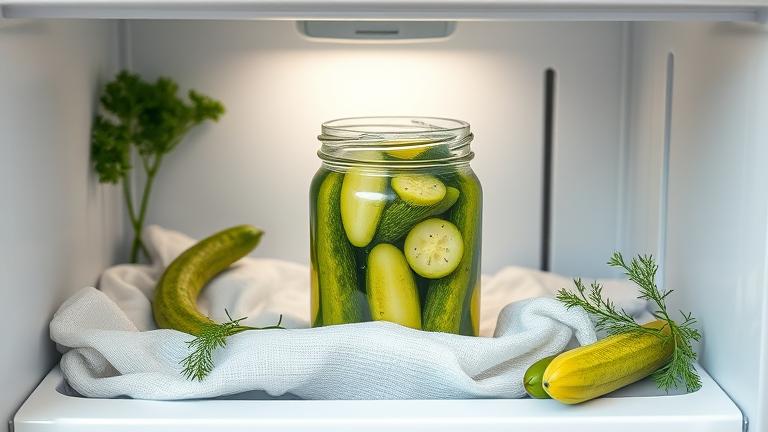
Can You Freeze Dill Pickles?
If you love dill pickles and want to store them for a longer period, you might wonder if it’s possible to freeze dill pickles to keep them fresh. The short answer is yes, you can freeze dill pickles, but there are some important considerations to keep in mind. Freezing can be an effective way to extend their shelf life, especially if you have a large batch or purchased them in bulk. However, it’s helpful to understand how freezing might affect their texture and flavor so you can decide if it’s the right method for you.
Freezing dill pickles can alter their texture because of how water inside the cucumbers responds to cold temperatures. When the pickles are frozen, the water inside forms ice crystals that can damage the cell walls. As a result, when they thaw, the pickles might become softer or slightly mushy. This effect is more pronounced in homemade pickles or those stored without commercial preservatives. If you prefer your pickles crispy and firm, freezing might not be the best choice for maintaining that crunch. Nonetheless, if you’re okay with slightly softer pickles, freezing can still be suitable, especially for use in cooking or recipes where texture is less critical.
How Freezing Affects Flavor
Most people find that the flavor of dill pickles survives freezing quite well. The vinegar brine helps preserve their tangy taste and dill aroma. However, some loss of flavor intensity might occur after freezing and thawing, particularly if the pickles are stored for a long time.
To maintain maximum flavor, store your pickles in airtight containers or freezer bags, squeezing out as much air as possible. This prevents freezer burn and helps keep the pickles tasting fresh when thawed.
Tips for Freezing Dill Pickles
- Use airtight containers: Glass jars with tight-fitting lids or sturdy freezer bags are best.
- Label your packages: Write the date on each container to keep track of storage time. For optimal quality, aim to use within 6-8 months.
- Blanch not required: Unlike vegetables, pickles are already preserved in brine, so blanching is unnecessary before freezing.
- Thaw slowly: When ready to use, thaw in the refrigerator for best results. Avoid room temperature thawing to prevent bacterial growth.
How to Freeze Dill Pickles
- Drain excess brine if you prefer less soggy pickles after thawing. If you want to keep them in the brine, you can freeze them directly.
- Place the pickles in a single layer inside a freezer-safe container or bag, being careful not to crush them.
- Squeeze out the air from the bag or seal the container tightly.
- Label each package with the date and place it in the freezer.
Remember, frozen pickles won’t be exactly like fresh or refrigerated ones. Expect some change in texture, but the flavor should remain quite good. If you plan to use them in recipes like relishes, salads, or cooked dishes, freezing is a practical way to prolong their usability. Just keep in mind that they will be softer after thawing, so plan your dishes accordingly.
Pros & Cons of Freezing Pickles
Freezing dill pickles can be a smart way to extend their shelf life, especially if you have a large batch or want to enjoy them later. However, it’s important to weigh the benefits against the potential downsides before deciding to freeze your pickles.
One major advantage is that freezing helps preserve pickles for several months. If you’ve made a big batch or bought in bulk, freezing provides a convenient solution to prevent spoilage. When stored properly, pickles can last up to six months or even longer in the freezer. This way, you can enjoy your homemade or store-bought dill pickles well beyond their usual refrigerated shelf life.
Additionally, freezing offers convenience. It allows you to keep a stock of pickles ready for quick snacks or recipes. If you grow cucumbers in your garden, freezing is a simple way to enjoy your harvest year-round. Sometimes, freezing can even enhance the flavor, making the pickles more tangy and refreshing once thawed.
On the downside, the texture of pickles may change after freezing and thawing. Due to the water content in cucumbers, they tend to become softer and sometimes mushy. This is especially noticeable if you prefer your pickles crunchy. For those who enjoy a crisp texture, freezing might not be ideal.
Another consideration is that freezing can affect the taste and appearance. The natural crispness imparted by the brine and pickling process can be compromised. Thawed pickles might look less appealing than fresh or refrigerated ones and may lose some of their visual appeal.
Furthermore, freezing pickles may impact how they are used in certain recipes. They might not be suitable for serving in salads or on a charcuterie board if crunchiness is a priority. However, thawed pickles often work well in cooked dishes or recipes where texture is less critical.
| Pros | Cons |
|---|---|
| Extended storage life — up to 6 months or more | Potential loss of crispness and texture |
| Convenient for long-term preservation | Change in taste and appearance after thawing |
| Ideal for large batches or seasonal harvests | Less crunchy than fresh or refrigerated pickles |
| Suitable for use in cooked recipes or reheating | Texture may be too soft for snacking or presentation |
Overall, freezing dill pickles offers a practical method for preservation, especially when you want to stretch out your harvest or stockpile in advance. Just keep in mind that texture and appearance may change, so consider how you plan to use your pickles after thawing. If you’re comfortable with a softer pickle and value storage longevity, freezing is a helpful option. But if you prefer crisp, fresh-tasting pickles, refrigeration might be a better choice.
How to Properly Freeze Dill Pickles
Freezing dill pickles is a great way to enjoy their fresh flavor long after the peak season. While they may not retain the same crispness as fresh pickles, proper freezing techniques help preserve their taste and extend shelf life. Here are simple, practical steps to freeze dill pickles effectively and keep them as delicious as possible.
1. Choose the Best Dill Pickles
Select firm, healthy pickles that are free from mold or soft spots. Smaller or medium-sized pickles tend to freeze better because they hold up well during the process. If your pickles are already jarred, make sure they are fresh and haven’t been sitting for too long.
2. Prepare the Pickles
Before freezing, give the pickles a quick rinse under cold water to remove excess brine or seasonings. Drain them thoroughly and pat dry with a clean towel. Removing excess moisture reduces the formation of ice crystals, which helps preserve the original texture.
3. Pack the Pickles Properly
Arrange the pickles in airtight, freezer-safe bags or containers. For extra protection against freezer burn, remove as much air as possible from the bags, using a straw or a vacuum sealer if available. Label each package with the date of freezing to keep track of their storage time.
4. Freeze in Small Portions
Divide the pickles into small portions or individual servings. This makes it easier to thaw only what you need and minimizes waste. Freezing in chunks or slices can facilitate use later on, as they’re easier to handle and incorporate into recipes.
5. Store Correctly
Place the packed pickles flat in the coldest part of your freezer. Maintain a temperature below 0°F (-18°C) for optimal preservation. For best quality, use the frozen pickles within 6 to 8 months.
6. Thaw and Use
When ready to enjoy, thaw pickles slowly in the refrigerator. Avoid leaving them at room temperature for extended periods to prevent spoilage. Keep in mind that thawed pickles may be less crisp, making them ideal for adding to salads, sandwiches, or cooked dishes after draining excess liquid.
Tips for Successful Freezing
- Avoid freezing pickles with heavy seasonings, as they can alter the flavor after thawing.
- For crunchier texture after thawing, consider freezing only smaller sections or slices instead of whole pickles.
- Never refreeze pickles once they have been thawed, as this can affect flavor and safety.
Thawing and Using Frozen Pickles
Frozen dill pickles can be a practical and tasty addition to your meals, especially when you have a surplus of pickles. However, proper thawing and usage are key to maintaining their flavor and texture. Follow these simple steps to thaw your frozen pickles safely and incorporate them into your recipes or enjoy them as snacks.
How to Thaw Frozen Pickles
- Transfer the frozen pickles from the freezer to the refrigerator.
- Allow them to thaw slowly over 12 to 24 hours. A slow thaw helps preserve their texture and flavor.
- If in a hurry, place the sealed jar or bag in a bowl of cold water, changing the water every 30 minutes until thawed. Avoid warm or hot water which can make the pickles too soft.
After thawing, gently drain the pickles and pat them dry with a paper towel. Removing excess moisture aids in maintaining as much crunch as possible if you plan to use them as a snack or in recipes.
Using Thawed Pickles in Recipes or as Snacks
- As a snack: Serve the thawed pickles on a platter. They are tangy and flavorful, especially when paired with cheese or charcuterie.
- In salads: Chop or slice the pickles into salads such as potato or pasta salads for added zest.
- In sandwiches and burgers: Use sliced thawed pickles as a tangy topping to enhance sandwiches.
- In cooked dishes: Add thawed pickles to stews, casseroles, or skillet dishes. Be mindful that they may release some liquid, so adjust liquids in your recipe accordingly.
- In pickled or fermented recipes: Include thawed pickles after thorough draining when making homemade ferments or relishes.
Tips for Best Results
- Store pickles in airtight containers or sealed bags before freezing to prevent freezer burn and preserve flavor.
- Because thawed pickles tend to be softer, avoid using them when a crisp texture is essential unless you plan to cook or mash them.
- If you notice a strong vinegar aroma after thawing, give the pickles a quick rinse to refresh their flavor.
- Remember that frozen and thawed pickles are generally better in recipes or cooked dishes rather than served as crisp snacks.
With these simple steps, you can easily thaw and incorporate frozen pickles into a variety of delicious dishes. Patience during the thawing process and adjusting recipes will help you enjoy their flavor to the fullest.
Alternative Storage Tips for Fresh Pickles
If you have fresh dill pickles and prefer to keep them crisp and flavorful without freezing, don’t worry. Freezing can make pickles soft and diminish their crunch. Luckily, there are several simple storage methods to help your pickles stay tasty and firm for longer.
One of the most effective ways is to store them in the refrigerator. This method preserves their texture and flavor quite well. Place the pickles in an airtight container or a glass jar with a tight-fitting lid. Ensure they are fully submerged in their brine or vinegar solution, which helps prevent drying out and inhibits bacteria growth.
When storing in the fridge, keep the temperature consistent, ideally around 38-40°F (3-4°C). Maintaining this cold environment helps preserve their crispiness. It is also advisable to use a clean spoon every time you remove pickles from the jar. This practice prevents introducing bacteria or mold into the jar and helps prolong their freshness.
Use Proper Containers
- Glass jars with secure lids are preferred because they do not absorb odors and maintain freshness.
- Plastic containers with tight seals are also acceptable, but avoid flimsy or thin plastics that might crack or leak.
- If reusing jars, ensure they are thoroughly cleaned and sterilized beforehand to prevent contamination.
Keep Pickles Submerged
To prevent spoilage and sogginess, always keep your pickles covered in their brine or vinegar mixture. If the liquid level drops over time, add more of the original brine or a fresh vinegar solution. This creates a barrier against air, which can cause spoilage or sliminess.
Tips for Refrigeration
- Store the jars in the coldest part of your fridge, typically away from the door where temperatures fluctuate more.
- Consume the pickles within a few months for the best flavor and texture, especially if they are not canned in sterilized jars.
- Watch for signs of spoilage such as unusual bubbles, foul odors, or a slimy texture. If these occur, discard the pickles.
Other Storage Ideas
If you want to go beyond refrigeration, consider vacuum-sealing your pickles, which removes air and helps extend shelf life while maintaining crunchiness. Additionally, some prefer storing homemade pickles in cool, dark places like a cellar or pantry, provided they have been properly canned and sterilized. For quick preservation, refrigeration remains the most reliable and convenient approach.
By selecting appropriate containers, ensuring pickles stay submerged, and maintaining a cool temperature, you can enjoy crisp, flavorful pickles whenever you desire. These simple storage tips help keep their taste and crunch intact without the need for freezing, preserving your homemade or store-bought pickles at their best.