
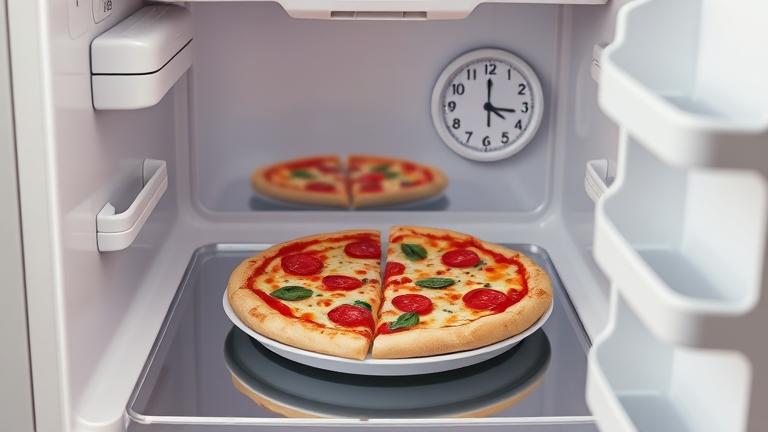
How to Store Pizza Properly
Storing leftover pizza the right way is key to keeping it fresh, tasty, and safe to eat later. Whether you have a slice or a whole box, proper storage helps prevent sogginess, drying out, or foodborne illness. Here are some practical tips to help you store your pizza correctly.
1. Cool the Pizza First
Before storing, make sure your pizza has cooled down to room temperature. Placing hot pizza directly into the fridge can cause condensation, which leads to sogginess. If you’re in a hurry, you can let it sit for about 15-20 minutes or gently reheat until warm but not steaming hot.
2. Choose the Right Packaging
How you package your pizza matters. Use airtight containers or resealable plastic bags to keep out air and moisture. If you don’t have those, wrapping slices tightly with aluminum foil or plastic wrap works well. Just make sure there are no gaps where air can get in.
- For single slices: Wrap each slice tightly to prevent drying out.
- For a whole pizza: Use a large container or wrap tightly with plastic wrap or foil.
3. Store in the Fridge or Freezer
Most leftover pizza can be stored safely in the refrigerator for up to 3-4 days. If you don’t plan to eat it within that time, freezing is a good option. Freezing extends the shelf life up to 1-2 months while maintaining the quality.
| Storage Method | Duration | Notes |
|---|---|---|
| Refrigerator | 3-4 days | Keep in airtight containers or well-wrapped |
| Freezer | 1-2 months | Wrap slices tightly before freezing |
4. Label and Date Your Food
To keep track of how long your pizza has been stored, label the container with the date. This simple step helps you know when to eat it and avoid eating leftovers that are beyond their prime.
5. Tips for Reheating Leftover Pizza
- Oven method: For the best texture, reheat pizza in a preheated oven at 375°F (190°C) for about 10 minutes. Place slices on a baking sheet for even heating.
- Skillet method: Heat a non-stick skillet over medium heat. Place pizza slices in the pan and cover with a lid. Cook for 4-5 minutes until cheese is bubbly.
- Microwave: Use short bursts, like 20 seconds, to prevent sogginess. Placing a cup of water in the microwave can help keep the crust moist.
6. Avoid Common Mistakes
- Don’t leave pizza out at room temperature for more than 2 hours, as bacteria can grow rapidly.
- Avoid stacking slices without wrapping, which can cause sticking and sogginess.
- Don’t forget to reseal containers tightly to prevent freezer burn or odor transfer.
By following these simple steps, your leftover pizza stays delicious and safe until the next slice. Proper storage not only preserves flavor and texture but also keeps you and your family safe from foodborne illnesses. Happy leftovers!
Typical Shelf Life of Refrigerated Pizza
Knowing how long you can safely keep refrigerated pizza is important to enjoy it without worries. When stored properly in the fridge, most leftover pizza stays fresh and safe to eat for a certain period. However, the shelf life can vary depending on several factors, such as ingredients and storage conditions. In this section, we’ll cover the standard timeframes and tips to keep your pizza fresh and safe to eat.
In general, leftover pizza can be stored in the refrigerator for about 3 to 4 days. This timeframe applies to pizza that has been properly cooled and stored in an airtight container or tightly wrapped in plastic wrap or foil. After these days, the risk of spoilage increases, and eating the pizza may lead to foodborne illness. Always remember, it’s better to be safe than sorry when it comes to perishable foods.
Factors Affecting Shelf Life
- Ingredients: Pizzas with fresh vegetables, meats, or seafood may spoil faster than simple cheese or veggie options. Meats, especially if not cooked thoroughly, can introduce bacteria that multiply quickly.
- Storage Conditions: Keep the pizza refrigerated at or below 40°F (4°C). Use airtight containers to prevent moisture loss and cross-contamination from other foods.
- Cooling Time: Let the pizza cool to room temperature within two hours after cooking or serving. Leaving hot pizza out for too long allows bacteria to grow rapidly.
- Packaging: Wrap leftover pizza tightly or store it in a sealed container to minimize exposure to air, which can lead to mold or drying out.
Signs of Spoilage to Watch For
If you’re unsure whether leftover pizza is still good, check for these signs:
- Unusual smell: A sour or off smell indicates bacteria growth.
- Changes in appearance: Mold, discoloration, or sliminess are clear warnings.
- Texture: If the crust feels soggy, sticky, or overly dried out, it may not be safe.
Reheating Tips for Safety and Taste
When reheating pizza, aim for a temperature of at least 165°F (74°C) to kill any bacteria that may have grown. Use an oven, toaster oven, or skillet for the best results. Microwaving is quick but can make the crust soggy. To restore crispiness, reheat pizza in a hot skillet or oven instead.
Remember, if leftover pizza has been stored beyond the recommended 4-day window or shows any signs of spoilage, it’s safest to discard it. Proper storage techniques and timely consumption help keep your food safe and delicious.
Signs Your Pizza Has Gone Bad
Knowing when your pizza has gone bad is key to avoiding foodborne illnesses and enjoying your meals safely. While pizza is a delicious treat, it doesn’t last forever. Recognizing the visual, smell, and texture cues can help you decide whether the slice is still good or time to toss it out.
Visual Signs
The first step is to examine your leftover pizza closely. Fresh pizza usually has bright, appealing toppings and a crust that’s not overly dark. If you notice any mold, it’s a clear sign the pizza has spoiled. Mold can appear as fuzzy or discolored patches in shades of green, white, or black. Even if only one slice has mold, it’s safest to throw out the entire pizza.
Another visual cue is a change in color. If the cheese looks dried out, yellowed, or has dark spots, it might be past its prime. Similarly, if the toppings like pepperoni or vegetables appear shriveled or have changed color, it’s best to skip eating it.
Look for slime or a glossy, wet appearance, which indicates bacterial growth. Pizza that looks unusually greasy or slimy should be discarded. Also, check the crust: if it has become very hard, extremely soft, or soggy and discolored, it’s likely no longer safe.
Smell Signs
Smell is a quick and reliable indicator of freshness. Fresh pizza typically smells savory, cheesy, and slightly bread-like. If your leftover slice has developed a sour, foul, or rotten odor, it’s a clear sign that bacteria have grown, and it’s time to say no.
Any strong, unpleasant smell that is different from the usual pizza aroma means you should avoid eating it. Trust your nose if it smells off, it’s better to err on the side of caution and toss it out.
Texture Cues
Touch can also help determine if pizza is still good. When you pick up a slice, it should feel firm but not hard or excessively soft. If the crust has become excessively soggy, mushy, or sticky, it may be unsafe to eat.
Cheese and toppings should not feel slimy or overly sticky. If they do, bacteria might be present, and eating the pizza could lead to stomach issues. If the crust is brittle or crumbly in an unusual way, that can also indicate spoilage.
Tips to Keep Pizza Fresh
- Store leftover pizza in an airtight container or wrap it tightly with plastic wrap or foil.
- Keep it refrigerated within two hours of serving.
- Eat refrigerated pizza within three to four days.
- Reheat pizza to at least 165°F (74°C) to kill any bacteria before eating.
Common Mistakes to Avoid
- Don’t taste or smell pizza if it looks or smells questionable when in doubt, throw it out.
- Avoid eating pizza that’s been left out at room temperature for over two hours.
- Never eat moldy or spoiled-looking pizza, even if only part of it appears affected.
Tips to Keep Pizza Fresh Longer
If you have leftovers from a delicious pizza, you probably want to enjoy it later without losing its flavor and texture. Keeping pizza fresh and tasty takes a little care, but with these practical tips, you can enjoy your leftover slices just as much the next day or even days after.
The first step is proper storage. When you’re finished eating, let the pizza cool down to room temperature. Placing hot pizza directly into the fridge can cause condensation, which may make the crust soggy and encourage bacteria growth. Once cooled, wrap the pizza tightly with plastic wrap or aluminum foil. Alternatively, you can place slices in an airtight container. This helps keep out moisture and prevents the pizza from drying out or absorbing other fridge odors.
Stacking slices together without a proper cover can cause them to stick or become stale quickly. To avoid this, place sheets of parchment paper or wax paper between slices before stacking. This makes it easier to grab just one slice later and helps preserve the crust’s crispiness.
Use the Right Storage Methods
- Refrigeration: Pizza can stay fresh in the fridge for 3 to 4 days. Make sure your fridge is set to 40°F (4°C) or below to slow down bacterial growth and preserve freshness.
- Freezing: For longer storage, freezing is your friend. Wrap slices tightly in plastic wrap, then put them in a freezer-safe bag or container. Properly stored, frozen pizza maintains good quality for about 1 to 2 months. Label the package with the date so you know how long it’s been frozen.
How to Reheat Pizza for Best Results
Reheating is key to reviving leftover pizza. The goal is to warm it through without making the crust become tough or chewy. Here are some friendly tips:
- Skillet Method: Place a slice in a non-stick skillet over medium heat. Cover it with a lid or foil and let it heat for a few minutes. This method keeps the crust crispy and warms the toppings evenly.
- Oven Method: Preheat your oven to 375°F (190°C). Place slices on a baking sheet lined with parchment paper. Heat for about 10 minutes or until the cheese is bubbly and the crust is crisp.
- Microwave Method: For quick reheating, place a slice on a microwave-safe plate. Cover with a damp paper towel to prevent the crust from becoming rubbery. Microwave in short bursts, about 30 seconds at a time, until hot.
Tips for Keeping Pizza Fresh and Delicious
- Eat leftovers within 3 to 4 days for the best flavor and safety.
- Avoid leaving pizza out at room temperature for more than 2 hours, as bacteria can grow quickly.
- If the crust feels a bit soft after refrigeration, reheating in a skillet or oven can restore its crispiness.
- When freezing, remove as much air as possible from the packaging to prevent freezer burn and preserve quality.
- Sometimes adding a sprinkle of fresh herbs or a dash of extra cheese before reheating can refresh the flavor.
With these simple storage and reheating tips, your leftover pizza will stay tasty and satisfying. Enjoy every slice, just like when it was fresh out of the oven!
Safe Reheating and Food Safety Tips
Reheating leftover pizza can be a quick and tasty way to satisfy your cravings, but it’s important to do it safely. Proper reheating not only preserves the flavor and texture but also ensures you avoid any health risks. Follow these simple tips to reheat your pizza safely and keep your meals fresh and safe to enjoy.
Why Food Safety Matters When Reheating Pizza
Leftover pizza, like all cooked foods, can harbor bacteria if not stored or reheated properly. Bacteria multiply rapidly between 40°F (4°C) and 140°F (60°C), a range known as the danger zone. Eating pizza that has been in this temperature range for too long can cause foodborne illness. Proper reheating kills harmful bacteria and ensures your pizza is safe to eat.
Basic Food Safety Guidelines
- Store leftovers promptly: Keep leftover pizza in the refrigerator within two hours of cooking or purchasing. If the room temperature is above 90°F (32°C), do so within one hour.
- Use airtight containers: Store pizza in airtight containers or wrap it tightly in foil or plastic wrap to prevent contamination and moisture loss.
- Don’t leave leftover pizza at room temperature: Avoid leaving it out for more than two hours, as bacteria can grow rapidly.
- Reheat to the right temperature: Ensure your pizza reaches an internal temperature of at least 165°F (74°C). This temperature effectively kills most bacteria.
- Eat leftovers within a safe timeframe: Consume refrigerated leftover pizza within three to four days to enjoy it at its best and safest.
Best Practices for Reheating Leftover Pizza
There are several ways to reheat pizza, each with their pros and cons. Whichever method you choose, follow these safety tips to enjoy your pizza without worries.
- Using an Oven or Toaster Oven: Preheat your oven to 375°F (190°C). Place the pizza slices on a baking sheet. Reheat for about 10 minutes or until the cheese bubbles and the crust is crispy. This method heats the pizza evenly and helps maintain its original texture.
- Using a Skillet: Heat a non-stick skillet over medium heat. Place the pizza slice in the skillet and cover with a lid or foil. Reheat for 5-8 minutes until the crust is crisp and the cheese is melted. This method is quick and keeps the crust crispy.
- Microwave Method: Place a slice on a microwave-safe plate. Cover it with a damp paper towel to prevent drying out. Microwave on high for 30-60 seconds. Check if the pizza is hot enough; if not, continue in 10-second intervals. Remember, microwaving can make the crust soggy, so consider this method if speed is more important than perfect texture.
Additional Tips to Keep Food Safe
- Check the temperature: Use a food thermometer to ensure your reheated pizza reaches 165°F (74°C).
- Avoid double reheating: Reheat only the portion you plan to eat. Repeated reheating and cooling increase the risk of bacterial growth.
- Watch for signs of spoilage: If leftover pizza has an off smell, slimy texture, or mold, discard it. Better to be safe than sorry.
- Clean your equipment: Wash hands, utensils, and surfaces thoroughly after handling leftovers to prevent cross-contamination.
By following these practical and friendly tips, you can enjoy your leftover pizza safely without sacrificing flavor or quality. Remember, proper storage and reheating are key to food safety and health.