
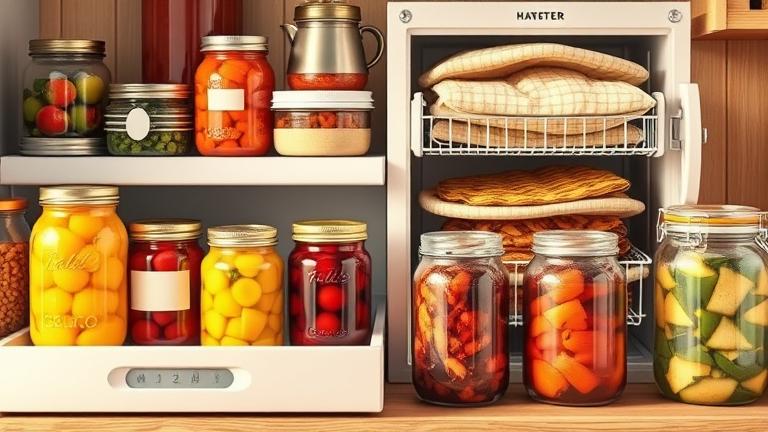
Introduction to Food Preservation
Food preservation is the process of treating and handling food to keep it safe and tasty for a longer period. It has been a part of human history for thousands of years, helping people enjoy seasonal foods year-round and reduce waste. Whether you’re saving leftovers or preparing for future meals, understanding food preservation can make your cooking more economical and enjoyable.
Preserving food is especially important today because it helps maintain the freshness, flavor, and nutritional value of your favorite ingredients. It also helps to cut down on food costs by extending shelf life and minimizing spoilage. Plus, it’s a great way to reduce waste, which benefits the environment and your household budget.
There are many methods of food preservation, such as freezing, canning, drying, fermenting, and pickling. Each technique has its own advantages and is suitable for different kinds of food. For example, freezing is quick and easy for fruits and vegetables, while canning is perfect for making jams and vegetables that last for months without refrigeration.
Getting familiar with food preservation techniques empowers you to enjoy a variety of foods all year long. It also allows you to experiment with recipes, support local food producers, and minimize your food waste. Whether you are preserving large harvests or small batches of leftovers, there are simple methods you can incorporate into your daily routine.
In the end, food preservation is about making your food last longer and taste better. It offers both practical benefits and the joy of creating delicious, homemade preserved foods. So, let’s explore some easy and effective ways to keep your food fresh and flavorful for as long as possible!
Freezing Food for Long-Term Storage
Freezing is a simple and effective way to extend the shelf life of many foods. When done right, it keeps the quality, flavor, and nutrition of your food intact for months. Whether you are preserving leftovers, seasonal produce, or bulk buys, proper freezing techniques can make a big difference.
In this section, you’ll learn practical tips for freezing different types of foods and how to avoid common mistakes. With a little effort, you can always have fresh-tasting ingredients ready to use, even months down the line.
Canning and Jar Preservation Techniques
Canning and jar preservation are great skills for anyone who loves homemade food and wants to store it safely for later. The two main methods are water bath canning and pressure canning. Each one is designed for different types of foods and requires specific equipment to keep everything safe and tasty.
Water Bath Canning
This method is simple and perfect for high-acid foods like jams, jellies, pickles, and fruit sauces. It involves placing jars in a large pot filled with boiling water. The boiling water surrounds the jars and heats them evenly, killing bacteria, yeast, and molds. Once processed, the jars seal tightly, keeping the food fresh for months or even years.
To do water bath canning safely, you’ll need a few key pieces of equipment:
- A large, deep canning pot with a lid
- A rack to hold the jars above the water
- Ball or Mason jars with new lids
- A jar lifter for safe removal
Follow these basic steps for water bath canning:
- Prepare your food according to your recipe.
- Fill sterilized jars with the hot food, leaving proper headspace as instructed.
- Wipe the rims to remove any food residue.
- Screw on the new lids finger-tight.
- Place the jars on the rack in the boiling water, ensuring they are covered by at least an inch of water.
- Bring the water to a boil and process for the recommended time based on your altitude and food type.
- Remove the jars carefully and let them cool undisturbed. Check the seals after they cool.
Proper processing time and correct sealing are crucial to prevent spoilage and ensure safety.
Pressure Canning
Pressure canning is used for low-acid foods like vegetables, meats, poultry, and seafood. These foods require higher temperatures than boiling water can provide, so a special pressure canner is used. This method kills bacteria like Clostridium botulinum, which can thrive in low-acid environments.
Key equipment for pressure canning includes:
- A pressure canner with a gauge or dial
- Proper jars and lids
- A jar lifter and canning tools
The process involves:
- Preparing your food and filling jars, leaving the recommended headspace.
- Sealing the jars with new lids.
- Placing jars in the pressure canner with the right amount of water.
- Securing the lid and bringing the pressure to the recommended level for your altitude and food type.
- Processing for the required time, adjusting for altitude if needed.
- Allowing the canner to cool down naturally before removing jars.
Safety is especially important with pressure canning. Always follow tested recipes and guidelines from trusted sources to avoid risks like botulism.
Quick Tips for Successful Canning
- Use fresh, high-quality ingredients for the best results.
- Keep your equipment sterilized and clean.
- Follow tested, tested recipes to ensure safety.
- Label your jars with the date and contents.
- Store the jars in a cool, dark place to maintain freshness.
Drying and Dehydration Methods
Drying and dehydration are great ways to preserve seasonal foods and herbs. By removing moisture, you can keep fruits, vegetables, and herbs fresh for months. Plus, dried foods retain much of their flavor and nutrients. Let’s look at some common and easy techniques you can try at home.
Air Drying
Air drying is one of the simplest methods and has been used for centuries. It works best in warm, dry climates with good airflow. To air dry herbs or thinly sliced fruits, tie small bunches or arrange slices on a rack or mesh screen. Hang them in a well-ventilated area away from direct sunlight. It usually takes several days for foods to dry completely. Check periodically to make sure they are drying evenly and not developing mold.
Using a Food Dehydrator
A food dehydrator is a handy kitchen gadget designed specifically for drying foods efficiently. It circulates warm air around trays filled with slices or small pieces of produce. To use it, spread your food evenly on the trays, set the temperature between 125°F and 135°F, and let it run until the food feels dry and brittle. Depending on what you’re drying, this can take a few hours or overnight. It’s a quick, clean, and reliable method suitable for most foods like herbs, fruits, and jerky.
Oven Drying
If you don’t have a dehydrator, your regular oven can do the job. Preheat the oven to the lowest setting, usually around 150°F or less. Line baking sheets with parchment paper and spread thinly sliced foods in a single layer. Keep the oven door slightly open to let moisture escape and check often to prevent over-drying. Turn the food occasionally for even drying. Oven drying is convenient for small batches and works well for herbs, thin slices of fruits, and vegetables.
Sun Drying
Sun drying is one of the oldest methods and ideal in hot, sunny areas. Spread foods such as tomatoes, peppers, or herbs on a clean cloth or screen. Cover lightly with a mesh or fine net to keep insects away. Place your setup in direct sunlight, preferably in a breezy spot. Depending on weather conditions, fruits and herbs can dry in a day or two. However, this method depends heavily on humidity and weather, so it’s not always reliable everywhere.
Tips for Successful Drying
- Ensure foods are sliced evenly for uniform drying.
- Check moisture content by feeling the food—if it snaps or feels dry, it’s ready.
- Store dried foods in airtight containers in a cool, dark place.
- Label your dried foods with the date so you can enjoy them within their best shelf life.
Remember, the key to successful drying is thorough dehydration. Any residual moisture can cause spoilage or mold. Once dried, your foods can be stored for months, preserving their flavors and nutrients for later use. It’s a simple, budget-friendly way to enjoy your garden’s bounty all year round.
Fermentation and Pickling
Fermentation and pickling are timeless methods of preserving food that also bring out exciting flavors and health benefits. These techniques are simple enough for home cooks to try, and they can turn everyday ingredients into probiotic-rich delights. Whether it’s crunchy pickles, tangy sauerkraut, or flavorful kimchi, understanding the basics helps you enjoy safe and tasty results.
Fermentation involves natural bacteria working to transform food, creating healthy probiotics. Pickling, on the other hand, typically uses vinegar or salt to preserve food and add flavor. Both methods extend the shelf life of produce, especially when fresh supplies are low. Plus, the flavors they develop can elevate your meals in fun and unexpected ways.
Getting Started with Fermentation
The key to successful fermentation is providing a good environment for beneficial bacteria. Start with clean jars and tools, as hygiene is very important. Choose fresh, high-quality fruits or vegetables that are free from blemishes or rot.
Begin with easy recipes like making sauerkraut or yogurt. If your recipe involves water, use non-chlorinated water because chlorine can hinder bacterial growth. The process generally involves chopping produce, mixing it with salt or a bit of sugar, and placing it in a jar or container. During fermentation, good bacteria convert sugars into acids, producing a tangy and preserved food. This can take anywhere from a few days to several weeks, depending on your taste preference.
Mastering Pickling Techniques
Pickling is quite straightforward but requires attention to detail. There are two main types: fermentation pickling and quick pickling. Fermentation pickling uses salt and natural bacteria to develop a sour flavor over time. Quick pickling involves soaking vegetables in vinegar-based brines and refrigerating them for faster results.
For traditional fermented pickles, mix a saltwater brine—typically one to three tablespoons of salt per quart of water. Submerge your vegetables fully, leaving some space at the top of the jar. Seal the jar loosely to allow gases to escape during fermentation. Store it in a cool, dark place and check regularly for mold or odd smells. For quick pickles, heat a vinegar solution with spices, pour it over your vegetables, and store in the fridge. These can be ready in a few hours and last several weeks.
Tips for Safe and Flavorful Fermentation and Pickling
- Start with the freshest ingredients for the best results.
- Maintain cleanliness to prevent unwanted bacteria.
- Avoid chlorinated water in brines and rinses.
- Label jars with the date so you track fermentation or pickling time.
- Inspect regularly for mold or off odors. Discard if anything looks or smells wrong.
- Taste as you go to find your perfect flavor and texture.
- Be patient—fermentation takes time, but the flavors are worth it.
By trying fermentation and pickling at home, you not only extend the life of your produce but also enjoy a boost of healthy probiotics and vibrant flavors. Keep things clean, be patient, and have fun transforming simple ingredients into delicious, nutritious foods that can become staples in your kitchen.
Tips for Food Safety and Best Practices
Food safety is very important when it comes to preventing spoilage and ensuring that preserved foods remain safe to eat. Following a few simple guidelines can make a big difference in keeping your food fresh and avoiding foodborne illnesses.
First, always wash your hands thoroughly with soap and water before handling any food. This reduces the risk of transferring bacteria and other germs. Also, clean all utensils, cutting boards, and surfaces before preparing or storing foods. This helps to prevent cross-contamination that can spoil your food or make it unsafe.
Proper Storage Techniques
Storing food correctly is key for safety. Keep perishable foods like meats, dairy, and cooked dishes in the refrigerator at 40°F (4°C) or lower. Use a thermometer to check your fridge’s temperature regularly. Foods stored at the wrong temperature can spoil faster and grow harmful bacteria.
For longer storage, freezing is best. Make sure to package foods tightly in airtight containers or freezer bags. Label each package with the date so you can keep track of how long it has been stored.
Understanding Expiration and Use-by Dates
Always check expiration dates before eating preserved foods. Use the ‘best by’ or ‘use by’ dates as a guide for freshness. Remember, these dates are about quality, but if the food smells, looks, or tastes off, it’s safer to discard it. Trust your senses and judgment.
Avoiding Food Cross-Contamination
Keep raw meats, poultry, and seafood separate from cooked foods and ready-to-eat items. Use different cutting boards or plates for raw and cooked foods. Be sure to wash your hands, utensils, and surfaces thoroughly after handling raw proteins.
Cooking Temperatures and Time
Proper cooking destroys harmful bacteria. Use a food thermometer to check internal temperatures. For example, cook poultry to at least 165°F (74°C), and ground meats to 160°F (71°C). Follow recommended cooking times to ensure safety.
Dealing with Leftovers
Refrigerate leftovers within two hours after cooking, or within one hour if the room temperature is above 90°F (32°C). Consume refrigerated leftovers within 3-4 days. When reheating, bring foods to a boil or an internal temperature of 165°F (74°C) to kill any bacteria present.
Keeping Food Safe During Preservation
If you are preserving foods through methods like canning or pickling, always follow tested recipes and guidelines. Sterilize jars and lids properly, and process foods at recommended temperatures. This ensures the preservation process is safe and effective.
Creative Ideas for Preserved Foods
Preserved foods open up a world of culinary possibilities. From pickled vegetables to canned fruits and smoked meats, these ingredients can add flavor, texture, and excitement to your meals. The key is to think outside the box and experiment with different combinations to create delicious dishes.
One simple yet tasty idea is to add pickled vegetables such as cucumbers, carrots, or peppers to sandwiches and salads. They provide a tangy crunch that enhances the overall flavor and makes the meal more interesting. Canned fruits like peaches, pears, or pineapple can be turned into sweet toppings for yogurt, pancakes, or ice cream, transforming ordinary breakfasts into something special.
Smoked fish, like salmon or trout, is another versatile preserved food. It can be incorporated into pasta sauces for a smoky depth or spread on crackers with cream cheese and fresh herbs for a quick appetizer. Dried herbs and spices are perfect for seasoning homemade bread dough or finishing roasted vegetables with a burst of flavor.
Practical Ideas to Try
- Add pickled vegetables to sandwiches for a tangy crunch.
- Mix dried fruits and nuts into trail mixes, or sprinkle them over oatmeal and yogurt.
- Combine canned beans with spices to make quick chili or hearty salads.
- Use preserved lemon in marinades for chicken or seafood for an extra zing.
- Create savory tarts or quiches with preserved vegetables or cured meats like ham or bacon.
- Prepare soups and stews using tomato paste or crushed canned tomatoes as a rich base.
Tips for Using Preserved Foods Creatively
- Combine different preserved ingredients to develop new flavor profiles.
- Use preserved ingredients to extend the shelf life of seasonal produce, reducing waste.
- Experiment with adding preserved foods to traditional recipes for an innovative twist.
- Balance salty, sweet, smoky, and tangy flavors for a harmonious dish.
| Preserved Food | Suggested Use | Quick Tip |
|---|---|---|
| Pickled Vegetables | Sandwiches, salads | Add to a cheese platter for variety |
| Canned Fruits | Yogurt toppings, desserts | Cut and add to fresh salads for sweetness |
| Smoked Fish | Pasta, spreads | Mix with cream cheese and herbs for a quick dip |
| Herbs and Spices | Bread, marinades | Try dried oregano or basil in homemade bread |
Using preserved foods creatively not only enhances your cooking but also makes meal preparation more fun. Remember to taste and adjust seasonings to suit your palate. With a little imagination, your pantry staples can become the star ingredients of exciting new dishes!