
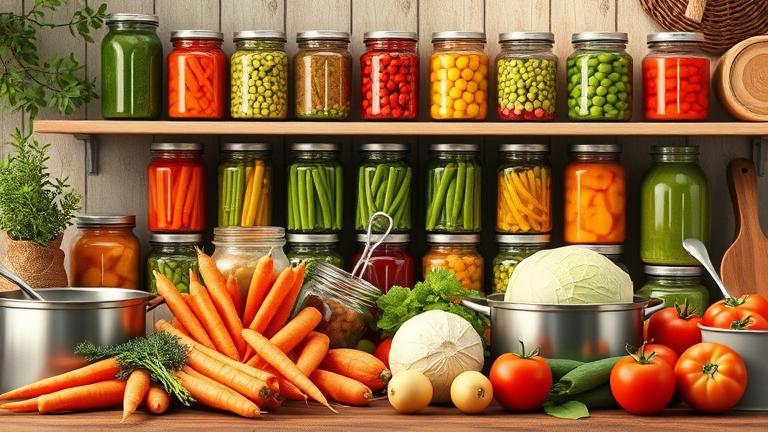
Best Methods for Preserving Vegetables
Preserving vegetables is a great way to enjoy fresh flavors all year round. Whether you have a garden full of produce or buy in bulk, knowing the best methods can help you keep vegetables fresh, flavorful, and nutritious throughout the winter. In this section, we’ll cover practical techniques that are easy for home cooks to master.
Freezing Vegetables
Freezing is one of the simplest ways to preserve vegetables. It locks in nutrients and flavor with minimal equipment. To get started, wash vegetables thoroughly to remove dirt. Blanch them quickly in boiling water or steam for a few minutes: this step helps stop enzyme actions that cause spoilage. For example, broccoli, green beans, and carrots are perfect candidates.
After blanching, cool vegetables immediately in ice water to halt cooking. Drain well and pack into airtight containers or freezer bags. Remove as much air as possible before sealing, which helps prevent freezer burn. Label packages with the date for easy tracking. Most vegetables can be stored in the freezer for 8 to 12 months.
Canning Vegetables
Canning is another popular method that allows long-term preservation at room temperature. It involves processing vegetables in jars using heat to destroy bacteria, yeast, and molds. There are two main types: water bath canning for acidic vegetables like tomatoes and pressure canning for low-acid vegetables such as green beans and corn.
Always use sterilized jars and follow tested recipes from trusted sources like the USDA or Ball canning guides. Pack vegetables into jars, leaving the recommended headspace. Pour boiling water, broth, or a pickling solution over the vegetables. Seal jars with lids and process in a boiling water bath or pressure canner, depending on the recipe. Properly canned vegetables can last for a year or more in a cool, dark pantry.
Pickling Vegetables
Pickling adds a tangy flavor and extends shelf life. To pickle vegetables, prepare a brine made of vinegar, water, salt, and spices. Vegetables like cucumbers, peppers, and beets are common choices. Wash and cut them into the desired shape. Submerge in hot brine and store in sterilized jars.
Ensure that the vegetables are completely covered with the brine to prevent spoilage. Seal the jars and let them sit in the refrigerator or process them in a hot water bath for longer shelf stability. The flavor improves after a week, and pickled vegetables can last for several months in the fridge or pantry.
Dehydrating Vegetables
Dehydrating removes moisture from vegetables, making them lightweight and easy to store. This method is great for peppers, mushrooms, tomatoes, and herbs. Use a food dehydrator or an oven set to a low temperature, typically around 125°F (52°C). Slice vegetables thinly for even drying.
Place slices on dehydrator trays or baking sheets, keeping space between pieces. Dry until completely brittle, which might take several hours. Store dried vegetables in airtight containers in a cool, dark place. Rehydrate in water or broth before cooking, or use as flavorful snacks or ingredients.
Tips for Successful Vegetable Preservation
- Always use fresh, high-quality produce for the best results.
- Label everything with dates to keep track of freshness.
- Follow tested recipes, especially for canning, to ensure safety.
- Store preserved vegetables in a cool, dark, and dry place whenever possible.
- Regularly check stored vegetables for signs of spoilage or spoilage.
Common Mistakes to Avoid
Preserving vegetables is a rewarding way to enjoy your favorite produce year-round. However, there are some common mistakes that can affect the quality, safety, and flavor of your preserved vegetables. By knowing what to watch out for, you can avoid these pitfalls and achieve successful results in your preservation efforts.
One of the biggest errors is not sterilizing your jars and equipment properly. Any bacteria or mold left behind can spoil your preserved vegetables or even cause foodborne illnesses. Always wash jars, lids, and utensils thoroughly with hot soapy water, then sterilize them by boiling in water for at least 10 minutes or using a dishwasher with a sterilize cycle.
Another frequent mistake is not following tested recipes or guidelines. Preservation methods such as boiling water bath or pressure canning require specific times, pressure levels, and acidity to ensure safety. Skipping or altering these steps can lead to underprocessed jars that harbor bacteria. Use trusted recipes from reliable sources and measure ingredients precisely.
Choosing the wrong vegetables for preservation can also lead to poor results. Some vegetables are better suited for freezing or drying rather than canning. For example, high-moisture vegetables like lettuce do not preserve well with traditional methods. Select fresh, firm vegetables, and prepare them as recommended peeling, trimming, or blanching before preservation helps maintain flavor and texture.
Overfilling jars is a common mistake that can cause spoilage. Leave appropriate headspace as specified in the recipe, usually about half an inch, to allow for expansion and proper seal formation. Conversely, not removing air bubbles after filling can trap air inside, preventing a good seal and risking spoilage. Use a small non-metallic spatula or a bubble remover tool to release trapped air before sealing.
Failing to adjust processing times for your altitude is another oversight. Higher elevations increase boiling temperatures, requiring longer processing times to ensure safety. Check guidelines for your specific altitude and adjust your processing accordingly usually by adding extra minutes to the processing time.
Pay attention to your storage conditions after preserving. Vegetables kept in warm, humid, or direct sunlight environments can spoil more quickly. Store jars in a cool, dark, and dry place with a consistent temperature. Regularly check for signs of spoilage such as bulging lids, leaks, mold, or off smells. If anything seems amiss, discard the contents immediately.
Finally, remember to label your jars clearly with the date of preservation. This helps keep track of freshness and ensures you consume older jars first. Proper labelling also prevents using canned vegetables beyond their safe storage time, which can be a safety risk.
By avoiding these common mistakes improper sterilization, ignoring tested recipes, choosing unsuitable vegetables, overfilling jars, neglecting altitude adjustments, and improper storage you can enjoy delicious, safe, and beautifully preserved vegetables. Happy preserving!
Tips for Freezing Vegetables Effectively
Freezing vegetables is a great way to keep their flavor, texture, and nutrients for later use. Proper freezing helps preserve their freshness and ensures you get the best results when cooking. Whether you’re freezing fresh produce from your garden or buying in bulk, these tips will help you do it right.
Choose Fresh and High-Quality Vegetables
Start with the best possible produce. Fresh, ripe vegetables freeze better than ones that are overripe or damaged. Check for any bruises, mold, or spots. The fresher the vegetable when frozen, the better it will taste after thawing.
Prepare Vegetables Properly Before Freezing
Cleaning is key. Rinse vegetables thoroughly under cold water to remove dirt and pesticides. Peel, trim, or cut them into uniform pieces for even freezing and cooking later. Blanch vegetables by boiling or steaming them briefly: usually 1 to 3 minutes depending on the type. Blanching inactivates enzymes that cause spoilage and helps preserve color, flavor, and texture.
Cool and Drain After Blanching
Once blanched, plunge vegetables into ice-cold water to stop the cooking process. Leave them in the ice water for as long as they were boiled or steamed. Drain thoroughly and pat dry with a clean towel. Excess moisture can cause ice crystals and freezer burn.
Use Proper Packaging
Pack vegetables in airtight containers or freezer bags. Remove as much air as possible from the bags to prevent freezer burn. You can also use vacuum-sealed bags for longer storage. Label each package with the date and type of vegetable to keep track of freshness. For easier portion control, consider dividing large batches into smaller bags or containers.
Freeze Quickly and Maintain a Consistent Temperature
Place your prepared vegetables in the coldest part of the freezer. Fast freezing helps prevent the formation of large ice crystals that can damage cell walls and ruin texture. Keep your freezer at 0°F (-18°C) or lower for the best results.
Don’t Overload Your Freezer
Freezing too much at once can raise the temperature and slow down the freezing process. For quicker freezing, spread out packages on a tray until frozen, then stack them. This helps preserve the quality of your vegetables.
Avoid Common Mistakes
- Freezing vegetables directly without blanching can reduce their quality and shelf life.
- Using non-freezer-safe containers or leaving too much air can cause freezer burn.
- Not labeling packages can lead to confusion and waste.
- Freezing vegetables past their recommended storage time, which is typically 8 to 12 months, may result in a loss of flavor and texture.
Storage Time Guide for Frozen Vegetables
| Vegetable | Optimal Storage Time |
|---|---|
| Green beans | 8-12 months |
| Broccoli | 8-12 months |
| Carrots | 10-12 months |
| Peas | 8-12 months |
| Spinach | 10-12 months |
Follow these simple tips to keep your vegetables fresh, tasty, and nutritious in the freezer. With a little care, frozen vegetables can be a convenient and healthy addition to your meals all year round.
How to Store Preserved Vegetables at Home
Storing preserved vegetables properly is key to keeping them fresh, safe, and tasty for as long as possible. Whether you’ve canned, pickled, or dried your vegetables, following the right storage tips helps preserve their flavor and prevents spoilage.
Good storage not only extends the shelf life of your preserved vegetables but also ensures that they remain safe to eat. Here are some friendly and practical guidelines to help you store your preserved vegetables at home effectively.
Choose the Right Storage Containers
- For canned vegetables, use clean, airtight jars with secure lids. Glass jars are ideal because they don’t react with the food and allow you to see the contents.
- If you’ve dried vegetables, store them in moisture-proof containers like sealed plastic or glass jars, or vacuum-sealed bags.
- For pickled vegetables, use jars that are specifically designed for preserving, and make sure they seal tightly.
Avoid using containers that can easily break or deteriorate over time. Also, steer clear of non-food-grade plastics or containers that aren’t meant for long-term storage.
Find a Cool, Dark Place
Most preserved vegetables should be kept in a cool, dark spot in your home. A pantry, cellar, or cupboard away from direct sunlight works well. Light and heat can break down the quality of your preserved vegetables and may even cause spoilage.
Ideal storage temperatures range from 50 to 70 degrees Fahrenheit (10 to 21 degrees Celsius). Keep the storage area dry to prevent mold and rust from forming on metal lids or containers.
Label and Date Your Preserved Vegetables
- Always label jars or containers with the date of preservation. This helps you keep track of how long they’ve been stored.
- Use waterproof markers so labels don’t smudge or wash away over time.
- Follow the general rule: consume canned vegetables within one year for the best flavor, though properly stored ones can last longer.
Check Your Preserved Vegetables Regularly
Every few months, inspect your stored preserved vegetables for signs of spoilage. Look for leaks, bulging lids, or any mold or foul smell. If you notice anything unusual, discard the entire jar or container to avoid contamination.
Ensure lids are still sealed tightly. If you find a seal broken, do not consume the contents and reprocess if possible.
Special Tips for Different Types of Preserved Vegetables
- Canned vegetables: Avoid opening the jar until you plan to use it. Once opened, store in the refrigerator and consume within a few days.
- Pickled vegetables: Keep the brine submerged to prevent molds, and refrigerate after opening.
- Dried vegetables: Keep in airtight containers and store away from moisture and sunlight. Rehydrate before use if needed.
By following these simple storage tips, you can enjoy your preserved vegetables at their best for months to come. Remember, careful storage not only preserves taste but also keeps your food safe and healthy.
Delicious Vegetable Preservation Recipes
Preserving vegetables is a wonderful way to enjoy fresh flavors all year round. Whether you’re looking to make your favorite pickles or create flavorful jams, there are plenty of delicious recipes to inspire your winter cooking. Preserved vegetables not only add a burst of flavor to your dishes but also help reduce waste and save money.
Getting started with vegetable preservation can seem daunting, but with a few simple recipes, you’ll be enjoying farm-fresh tastes even in the coldest months. From classic pickled cucumbers to savory vegetable relishes, these recipes are friendly for beginners and adaptable to your taste.
Basic Pickled Vegetables
Pickling is one of the easiest ways to preserve vegetables. You can pickle cucumbers, carrots, green beans, or peppers with simple ingredients. Here is a basic approach to making your own pickled vegetables:
- Choose fresh, firm vegetables, cleaned and cut into desired sizes.
- Prepare a pickling brine by combining vinegar, water, salt, and sugar. Typically, for one cup of vinegar, add one cup of water, 1-2 tablespoons of salt, and 1-2 tablespoons of sugar. You can add spices like dill, garlic, or mustard seeds for extra flavor.
- Bring the brine to a boil, then pour it over the prepared vegetables packed in sterilized jars.
- Seal the jars tightly and let them cool down to room temperature. Store in a cool, dark place for at least a week before tasting.
Pro tip: Always use vinegar with at least 5% acidity to ensure safety. Be sure your jars and lids are sterilized to prevent spoilage.
Vegetable Relishes and Chutneys
Relishes and chutneys are flavorful condensed recipes that combine cooked vegetables with sugar, vinegar, and spices. They are perfect accompaniments for meats, cheeses, or sandwiches. Here’s a simple way to prepare a veggie relish:
- Chop vegetables like bell peppers, onions, carrots, and zucchini into small pieces.
- In a large pan, combine them with sugar, vinegar, and spices such as cinnamon, ginger, or chili flakes.
- Cook on low heat for about 30-40 minutes until the mixture thickens.
- Pour into sterilized jars and seal immediately. Let it sit for at least two weeks to develop full flavor.
Note: For a smoother chutney, blend half the mixture before cooking. This adds texture and helps spread the flavors more evenly.
Fermented Vegetables
Fermentation is a preservation method that boosts healthy probiotics in your diet. Cabbage for sauerkraut or cucumbers for traditional fermented pickles are popular options. Here’s a quick guide to fermenting vegetables:
- Slice or chop vegetables and place them in a clean jar.
- Add salt about 2% of the vegetables’ weight then massage or press the mixture to release juices.
- Submerge the vegetables completely under their brine, using a weight if necessary to keep them below the surface.
- Cover the jar with a cloth or a loose lid to allow gases to escape. Store at room temperature for several days to weeks.
- Taste the vegetables periodically. Once they have reached your preferred tang, transfer the jar to the fridge to slow fermentation.
Tip: Use non-iodized salt for best fermentation results, as iodine can inhibit the beneficial bacteria.
Storage Tips & Safety
- Always use sterilized jars and fresh ingredients for preservation.
- Label your jars with the date to keep track of freshness.
- Store preserved vegetables in a cool, dark place and check regularly for signs of spoilage, like mold or off odors.
- When in doubt, discard any jars that show signs of spoilage to keep your food safe.
Preserved vegetables are a tasty way to add variety and flavor to your winter meals. With a little practice, you’ll build a pantry full of delicious, homemade options to enjoy all year long.