
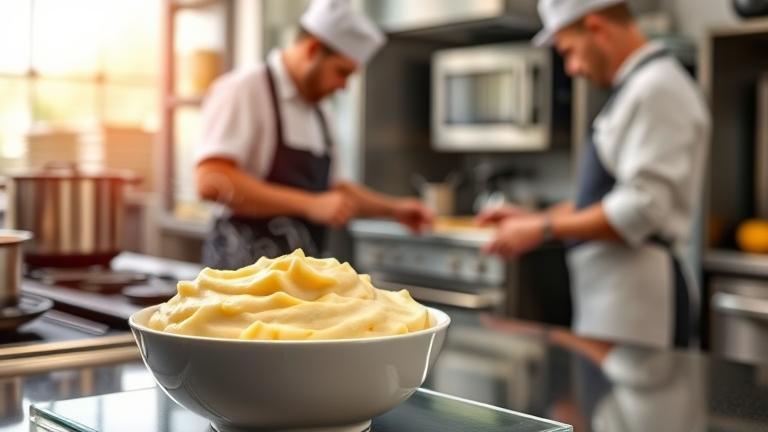
Easy Ways to Reheat Mashed Potatoes
Reheating mashed potatoes might seem straightforward, but doing it properly helps keep them creamy and delicious. Whether you have leftovers from a big dinner or prepared them in advance, there are simple and effective methods to warm your mashed potatoes without sacrificing texture or flavor. Below, you’ll find friendly tips and practical steps to reheat mashed potatoes smoothly and evenly.
Stovetop Method
Reheating mashed potatoes on the stove is a quick and controlled way to bring back their creamy goodness. Use a saucepan or skillet and follow these steps:
- Place the mashed potatoes in a saucepan or skillet over low heat.
- Add a splash of milk, cream, or butter to restore moisture and richness. About 2-3 tablespoons per cup of potatoes is a good starting point.
- Gently stir the potatoes to distribute the added liquid evenly. Keep the heat low to prevent burning or sticking.
- As they warm, continue stirring until they reach your desired temperature. If they seem too thick, add a little more milk or butter.
Tip: Cover the pan with a lid during reheating to trap heat and help the potatoes heat evenly. Stir frequently to avoid sticking or burning.
Microwave Method
The microwave is the fastest way to reheat mashed potatoes, perfect when you’re short on time. Here’s how to do it:
- Spoon the mashed potatoes into a microwave-safe bowl.
- If they are stiff or dry, add a spoonful of milk or cream and stir to combine.
- Cover the bowl with a microwave-safe lid or plastic wrap with a small vent to prevent splatters.
- Reheat on medium power (around 50%) for 1-2 minutes. Stir well halfway through the process.
- Check if they are hot enough; if not, continue microwaving in 30-second bursts, stirring each time, until heated evenly.
Tip: Avoid overheating, as this can cause the potatoes to become gluey. Stirring helps distribute the heat evenly and keeps the texture smooth.
Oven Method
For larger amounts or when reheating multiple servings, the oven provides gentle, even heat. Here’s how:
- Preheat your oven to 350°F (175°C).
- Transfer the mashed potatoes to an oven-safe dish. Cover tightly with aluminum foil to prevent drying out.
- Warm in the oven for about 20-30 minutes, stirring halfway through to ensure even heating.
- Feel free to add a little extra butter or milk on top before reheating for enhanced creaminess.
Tip: If the mashed potatoes are thick, mixing in a splash of milk or butter before baking can improve their consistency.
Extra Tips for Perfect Reheating
- Consistency matters: stirring often helps keep the texture creamy and prevents lumps.
- Moisture is key: always add a small amount of milk, cream, or butter to maintain softness and flavor.
- Avoid overheating: high heat can make mashed potatoes gluey or grainy. Use gentle heat and patience.
- Store leftovers in airtight containers in the refrigerator and reheat within 3-4 days for best taste and safety.
Best Methods for Reheating Mashed Potatoes
Reheating mashed potatoes might seem simple, but doing it the right way can make a big difference in taste and texture. Whether you want to enjoy leftovers or reheat a large batch, choosing the best method ensures your mashed potatoes stay creamy, flavorful, and tasty. Here are some tried-and-true techniques for reheating mashed potatoes, including oven, microwave, stovetop, and more.
Microwave Method
The microwave is the quickest way to reheat mashed potatoes, especially when you’re short on time. Start by transferring your mashed potatoes to a microwave-safe dish.
Add a splash of milk or a dollop of butter to help prevent them from drying out. Cover the dish loosely with a microwave-safe lid or plastic wrap, leaving a small vent for steam.
Heat on medium power for 1-2 minutes. Afterward, stir well and check the temperature. If needed, continue reheating in 30-second bursts until heated evenly. Remember, microwave heating can sometimes cause uneven heating, so stirring is essential.
This method works best for small to medium portions and is great for a quick meal fix.
Oven Method
Using the oven is perfect when reheating a larger amount of mashed potatoes or when you want to maintain their freshly-made texture. Preheat your oven to 350°F (175°C). Place the mashed potatoes in an oven-safe dish.
To keep the potatoes moist, spread a little butter or sprinkle some milk on top. Cover the dish tightly with aluminum foil to trap steam.
Bake for about 20-25 minutes, or until the potatoes are heated through. For an extra touch of creaminess, stir halfway through the baking process. This method takes longer but gives you more control over even heating and helps preserve the mashed potatoes’ fluffy texture.
Stovetop Method
The stovetop method gives you the most control and is ideal if you want to reheat just a portion or if you want to add extra flavor. Place the mashed potatoes in a saucepan or skillet.
Add a splash of milk, cream, or butter, depending on your preference. Heat over low to medium heat, stirring constantly. This prevents the potatoes from sticking or burning and helps distribute the heat evenly.
Cook for about 5-10 minutes, until steaming hot and creamy. If the mixture becomes too thick, add more milk or butter to loosen it up. This method is quick, easy, and lets you adjust seasoning as you go.
Other Tips for Reheating Mashed Potatoes
- Always check that the mashed potatoes are heated evenly before serving.
- Use fresh ingredients like butter or milk when reheating for better flavor and consistency.
- Avoid overheating, which can make the potatoes gluey or grainy.
- If your mashed potatoes seem dry after reheating, stir in a bit more milk or butter to restore creaminess.
Getting the perfect reheated mashed potatoes depends on the method you choose. Whether you go for the quick microwave or the more controlled stovetop or oven, paying attention to moisture and heat will help keep your leftovers just as delicious as the first time.
Tips for Perfectly Reheated Mashed Potatoes
Reheating mashed potatoes can be tricky. You want them to stay creamy, smooth, and full of flavor. Whether you’re saving leftovers or making extras ahead of time, these tips will help you achieve that perfect bowl every time.
The key to reheating mashed potatoes successfully is to preserve their moisture and texture. Dry or lumpy potatoes can be disappointing, but with a little care, you can enjoy fluffy, delicious leftovers. Here are some practical tips to guide you along.
Choose the Right Reheating Method
- Stovetop: This is a great way to reheat mashed potatoes if you want control over the heat and texture. Use a heavy-bottomed pan to distribute heat evenly.
- Microwave: The quickest method. Use a microwave-safe dish, and cover it with a microwave-safe lid or plastic wrap to trap steam.
- Oven: If you’re reheating a large batch, the oven can help. Cover the potatoes with foil to prevent drying out.
Adding Moisture is Essential
Mashed potatoes tend to lose moisture during storage and reheating. To keep them creamy, add a splash of milk, cream, or even butter. Start with a tablespoon or two per cup of potatoes, then stir well.
If your potatoes seem dry, don’t be afraid to add more liquid. Warm the added milk or cream first to prevent cooling the dish down too much. Mix thoroughly to restore a smooth, fluffy consistency.
Reheat Gently and Slowly
- Start with low to medium heat to avoid overcooking or burning the potatoes.
- Stir frequently to distribute the heat evenly and prevent lumps from forming.
- For microwave reheating, stir every 30 seconds to ensure even warming.
Prevent Lumps and Graininess
- Stir well after adding liquid to break up any lumps.
- For extra smooth potatoes, consider passing them through a potato ricer or blender briefly after reheating.
- Avoid overheating, which can make the potatoes gluey or grainy. Gentle reheating preserves their texture.
Flavor Boosting Tips
If your leftover mashed potatoes taste a bit flat after reheating, stir in fresh herbs like chives or parsley. A touch of garlic powder or grated cheese can also add depth to the flavor. Just add these at the end of reheating to keep their freshness.
Storage Matters
| Storage Time | Best Practices |
|---|---|
| Up to 3-4 days | Keep in an airtight container in the fridge. Reheat within this timeframe for best taste and safety. |
| Reheating leftovers | Always reheat to at least 165°F (74°C) to ensure food safety. Use a food thermometer if unsure. |
By following these tips, you’ll keep your mashed potatoes flavorful and creamy, just like they’re fresh from the pot. Practice makes perfect, so don’t be discouraged if your first reheated batch isn’t perfect. With a little patience, you’ll master the art of reheating mashed potatoes.
Common Mistakes When Reheating Mashed Potatoes
Reheating mashed potatoes might seem simple, but there are several common mistakes that can affect their taste and texture. Knowing these pitfalls can help you avoid ending up with a dish that’s gluey, dry, or flavorless. Let’s explore some of the typical errors and how to steer clear of them for the best reheating results.
One frequent mistake is overheating the mashed potatoes. When you heat them too quickly or at too high a temperature, they can turn stringy, dry, or even burn at the bottom. This not only ruins the texture but also can create an unpleasant taste. To prevent this, it’s best to reheat mashed potatoes slowly, using gentle heat. If you’re using a microwave, do so in short bursts on medium power, stirring in between. If using the stove, keep the heat low and stir regularly.
Another common error is improper storage before reheating. Leftover mashed potatoes should be cooled quickly and stored in an airtight container in the refrigerator. Leaving them out at room temperature for too long can promote bacteria growth and make reheating unsafe. Also, if stored improperly, they tend to dry out or develop an off taste. For best results, consume leftovers within two days, and always reheat only what you plan to eat in one sitting.
Many people forget about adding moisture during the reheating process. Mashed potatoes can become dry and grainy if they lose moisture. To keep them creamy, add a splash of dairy such as milk, cream, or even a little butter before reheating. Stir well to distribute the added moisture evenly. This step helps restore their original fluffy texture, especially if they’ve been refrigerated for a couple of days.
Some also make the mistake of replanting mashed potatoes directly from the fridge into the microwave or pan without stirring or checking their temperature. This can cause uneven heating, resulting in some parts being hot while others remain cold. Always pause during the process to stir or rotate the dish, ensuring heat is distributed evenly. Using a food thermometer can help confirm they have reached a safe internal temperature of at least 165°F (74°C).
Another oversight involves reheating mashed potatoes multiple times. Each time you reheat leftovers, they lose moisture and flavor. Reheating more than once can lead to a tough, rubbery texture. To avoid this, only reheat the portion you plan to eat and store leftovers properly afterward if needed.
Be cautious of using the oven to reheat small amounts, as this can dry out the potatoes further. Instead, opt for the microwave or stovetop for more control over heat and moisture levels.
Here are some practical tips to avoid these mistakes:
- Always reheat mashed potatoes slowly on low heat.
- Add a splash of milk or butter before reheating to maintain creaminess.
- Stir regularly for even heating.
- Store leftovers properly in airtight containers within two days.
- Reheat only once to keep the texture quality.
- Use gentle heat methods like the microwave or stovetop for better control.
By paying attention to these common mistakes and following simple tips, you’ll enjoy reheated mashed potatoes that taste just as good as when they were freshly made.
Food Safety Tips for Reheating Mashed Potatoes
Reheating mashed potatoes is common for many home cooks, but it’s important to follow some food safety tips to keep your leftovers fresh and safe to eat. Proper storage, temperature control, and timing are key to avoiding any risk of foodborne illnesses. Let’s go over the best practices to reheat mashed potatoes safely and enjoy them without worry.
Storing Mashed Potatoes Safely
First, always refrigerate leftover mashed potatoes within two hours of cooking. Bacteria can grow quickly at room temperature, especially if the potatoes have been out longer. Store the mashed potatoes in a clean, airtight container to prevent contamination and moisture loss. For best quality and safety, use the leftovers within three to four days.
If you know you won’t eat the leftovers within a few days, consider freezing them. When freezing, make sure to leave some space in the container for expansion, and wrap the potatoes tightly to prevent freezer burn. Proper storage helps maintain flavor and texture while keeping harmful bacteria at bay.
Properly Reheating Mashed Potatoes
When reheating mashed potatoes, the goal is to heat them evenly to a safe temperature. The United States Food and Drug Administration recommends reheating leftovers to at least 165°F (74°C). Use a food thermometer to check the temperature. This high heat kills bacteria that may have developed during storage.
Microwave ovens are a quick and easy option, but they can heat unevenly. To avoid cold spots where bacteria can survive, stir the mashed potatoes well during reheating. Cover the dish with a microwave-safe lid or wrap to trap heat and moisture, ensuring even warming.
Alternatively, you can reheat on the stove. Place the mashed potatoes in a pot over medium heat. Stir frequently to distribute the heat evenly. If they seem dry, add a splash of milk or broth to restore moisture and make reheating easier.
Time Limits and Safety Checks
Never leave reheated mashed potatoes at room temperature for more than two hours. If you plan to reheat leftovers more than once, it’s best to reheat only what you’ll eat in one sitting. Repeated cooling and reheating increase the risk of bacteria growth.
Before eating, always check the temperature to ensure it has reached at least 165°F (74°C). Look for signs of spoilage such as a sour smell, slimy texture, or discoloration and discard if anything seems off. When in doubt, it’s safer to throw leftovers away than risk food poisoning.
Extra Tips for Safe and Tasty Reheated Mashed Potatoes
- Use clean utensils each time you handle leftovers to avoid cross-contamination.
- Dividing mashed potatoes into smaller portions before storing can help them cool quickly and reheat evenly.
- Reheat only what you plan to eat, and avoid re-refrigerating leftovers after reheating.
- Be cautious with added ingredients like dairy or eggs as they can spoil faster. When in doubt, discard leftovers that have been stored longer than recommended.