
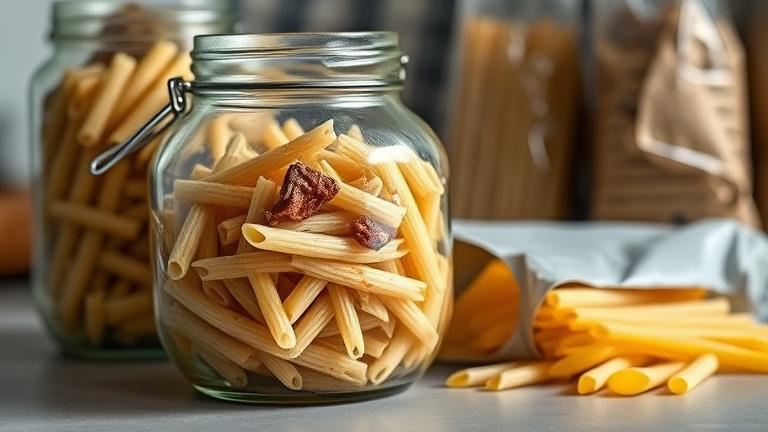
Does Pasta Expire? Key Facts
Many home cooks wonder if pasta can go bad or expire. The good news is that dry pasta, like spaghetti or penne, has a very long shelf life if stored properly. But it’s helpful to understand some key facts about pasta’s freshness and how to tell if it’s still good to eat.
Uncooked dry pasta doesn’t typically spoil in the way perishable foods do. Instead, it can stay safe to eat for many years if stored in a cool, dry place. The key is keeping moisture, heat, and pests away from your pasta supplies. When stored well, dried pasta can last anywhere from 1 to 2 years past the printed date and often much longer.
Fresh pasta, on the other hand, is quite different. Since it contains moisture, it has a shorter shelf life. Fresh pasta usually lasts only 2 to 3 days in the refrigerator. If not consumed by then, it should be discarded to prevent foodborne illness. Some brands sell vacuum-sealed or frozen fresh pasta, which can last longer up to several months if frozen properly.
Key Factors That Affect Pasta’s Shelf Life
- Storage conditions: Keep pasta in a sealed container or package, in a cool, dry, and dark place.
- Type of pasta: Dry pasta lasts longer than fresh or cooked pasta.
- Presence of pests or moisture: These can spoil both dry and fresh pasta quickly.
Indicators That Pasta May Not Be Good
While dry pasta can often be used past its expiration date, it’s important to look for signs of spoilage. Here are some common indicators that your pasta may no longer be safe or enjoyable to eat:
- Discoloration: Any noticeable change in color, such as darkening or yellowing, could suggest spoilage or deterioration.
- Odor: If the pasta smells off, sour, or musty, it’s best to throw it away.
- Presence of pests: Tiny bugs or webbing inside the package are clear signs to discard the pasta.
- Package damage: Rips, tears, or holes may allow moisture and pests in, risking spoilage.
- Clumping or mold: For fresh pasta, mold or sticky clumping indicates spoilage.
What About Cooked Pasta?
Cooked pasta is less shelf-stable. Once prepared, it should be refrigerated within two hours and eaten within 3 to 5 days. Always store it in airtight containers to keep it fresh and prevent bacteria growth. If leftover cooked pasta shows signs of mold, an off smell, or a slimy texture, it’s safest to discard it.
Bottom Line
Dry pasta can last a long time if stored properly, often much beyond the date printed on the package. Fresh pasta has a much shorter shelf life and needs refrigeration or freezing. Always check for signs of spoilage before eating any pasta, and when in doubt, it’s better to be safe than sorry. With good storage habits, you can enjoy your pasta safely and deliciously for a long time.
How to Store Pasta Properly
Storing pasta correctly is important to keep it fresh, maintain its flavor, and prevent pests or spoilage. Whether you have dry pasta or fresh pasta, the right storage method makes a big difference in how long it stays good and how it tastes when you cook it later.
Let’s go over some simple, practical tips for storing both dry and fresh pasta. By following these guidelines, you can enjoy your pasta whenever you need it, without worries about it going bad or losing quality.
Storing Dry Pasta
Dry pasta, like spaghetti, penne, or fusilli, is quite resilient and has a long shelf life. The key is to keep it in a cool, dry place away from sunlight and moisture. A pantry or a kitchen cupboard works perfectly for most dry pasta types.
Use an airtight container or a sealed resealable bag to store your dry pasta. This helps prevent moisture from getting in, which could cause the pasta to go stale or develop mold.
- Choose containers that are sturdy and seal tightly, like glass jars or plastic containers with secure lids.
- If using resealable plastic bags, squeeze out as much air as possible before sealing.
- Label the container or bag with the date you purchased or stored it, so you can keep track of its freshness.
Dry pasta can last for very long periods up to a year or more when stored properly. However, check regularly for any signs of pests or damage. If you notice bugs or a strange smell, it’s best to discard and replace it.
Storing Fresh Pasta
Fresh pasta is more delicate than dry pasta and requires different storage. It’s usually made with eggs, flour, and water, so it’s more prone to spoilage if not stored correctly. If you’ve made fresh pasta at home or bought it from a store, follow these tips.
For short-term storage, keep fresh pasta in the refrigerator. Wrap it tightly in plastic wrap or store it in an airtight container to prevent it from drying out or absorbing flavors from other foods.
Fresh pasta generally stays good for 1 to 2 days in the fridge. If you plan to keep it longer, consider freezing it.
- To freeze, lay the pasta flat on a baking sheet lined with parchment paper. Once frozen, transfer it to a freezer-safe bag or container.
- Label the package with the date so you know how long it’s been stored.
- Frozen fresh pasta can last for up to 2 months. When ready to cook, don’t thaw it first; simply add it directly to boiling water.
Additional Tips and Common Mistakes to Avoid
Here are some helpful tips to keep in mind:
- Avoid storing pasta near strong-smelling foods, as it can absorb odors.
- Keep dry pasta in a cool, dark spot to prevent it from discoloring or developing condensation.
- Don’t forget to check stored pasta periodically. Look for signs of pests, mold, or stale smell.
Common mistakes include opening store-bought dry pasta packages and leaving them exposed without an airtight seal, or storing fresh pasta at room temperature for too long. These can lead to spoilage or pests. Always prioritize airtight containers and proper refrigeration or freezing for freshness.
With these simple storage tips, your pasta will stay tasty and fresh, ready for your next delicious meal!
Shelf Life of Different Pasta Types
Knowing how long different types of pasta stay good can help you plan your meals and avoid wasting food. Whether you buy dried pasta, fresh pasta, or gluten-free options, each has its own shelf life. Understanding these timelines ensures you enjoy your pasta at its best, safely and deliciously.
Dried Pasta
Dried pasta, the most common type found in pantries, has a long shelf life when stored properly. Usually, dried pasta lasts about 1 to 2 years past the printed best-by date. Keep it in an airtight container or a sealed bag in a cool, dry place, away from sunlight and moisture. Proper storage prevents it from becoming stale or attracting pests.
If you notice any signs of mold, a strange smell, or discoloration, discard it. Otherwise, dried pasta remains safe and tasty for quite some time, making it a convenient pantry staple that can be kept handy for unexpected guests or last-minute dinners.
Fresh Pasta
Fresh pasta, like the kind you buy from a store or make at home, has a much shorter shelf life. Usually, it stays good for about 1 to 3 days in the refrigerator. Always keep fresh pasta in its original packaging or in an airtight container. If you want to store it longer, you can freeze it for up to 2 months.
Remember, fresh pasta is more perishable because it contains higher moisture levels. Check for any signs of spoilage, such as a sour smell, slimy texture, or discoloration. If stored properly and consumed within the recommended time, fresh pasta can give you that homemade taste without the wait.
Gluten-Free Pasta
Gluten-free pasta, made from ingredients like rice, corn, or chickpeas, typically has a shelf life similar to dried pasta about 1 to 2 years past the expiration date when stored correctly. Like regular dried pasta, keep it in a cool, dry, airtight space to preserve flavor and prevent moisture uptake.
Since gluten-free pasta can sometimes be more delicate or prone to breakage, handle it gently when cooking. Always check for any signs of spoilage before using. If you notice a strange smell or discoloration, it’s best to replace it to ensure good flavor and safety.
Storage Tips & Safety
- Label opened packages with the date to keep track of storage times.
- Avoid storing pasta in humid or warm areas to prevent spoilage.
- Use airtight containers or resealable bags for longevity.
- When in doubt, it’s safer to discard pasta that shows signs of spoilage or has been stored far beyond its recommended time.
Signs That Pasta Has Gone Bad
One of the first steps to enjoy safe and tasty pasta is knowing how to spot when it has gone bad. Whether you’re dealing with uncooked dried pasta or cooked leftovers, a few simple checks can save you from a bad meal. Spoiled pasta can sometimes look, smell, or feel different from fresh, so keep an eye out for these common signs.
Visual Changes
The most noticeable sign of spoiled pasta is its appearance. For dried pasta, look for any discoloration or dark spots. Normally, dried pasta should have a consistent, pale color. If it develops mold or looks yellow, brown, or feels sticky, it’s best to toss it. Mold can sometimes appear as fuzzy spots and may be green, black, or white. Never taste or smell moldy pasta, as toxins can be harmful.
For cooked pasta, check the surface. If you see any mold, slimy patches, or a change in color like turning dull or gray it’s time to discard it. Also, if the pasta has developed an unusual texture, such as excessive stickiness or clumping, it might be past its prime.
Smell Clues
Your nose is a helpful tool in identifying spoiled pasta. Fresh, dried pasta usually has a neutral, slightly wheaty smell. But if it smells sour, sourish, or off in any way, it’s a warning sign that bacteria or mold may be growing. Similarly, cooked pasta with a sour, rancid, or strange odor should never be eaten.
It’s important to trust your sense of smell. Even if the pasta looks okay, a foul odor is a clear indication that it’s no longer safe to consume.
Texture Checks
Texture can also reveal if pasta has gone bad. Dried pasta should feel hard and brittle but not crumbly. If it feels soft, slimy, or sticky when you touch it, it’s a sign of moisture damage or mold growth. Cooked pasta that has become excessively mushy or slimy isn’t fresh anymore and may harbor bacteria.
For stored pasta, especially leftovers, a slimy feeling or a sticky, gummy texture indicates bacterial growth, even if other signs aren’t obvious. Always check before reheating or eating leftovers.
Additional Tips
- Check the expiration date on packaged dried pasta, but also trust your senses at the time of use.
- Store dried pasta in a cool, dry place in airtight containers to extend its shelf life.
- Cooked pasta should be eaten within 3 to 5 days if stored properly in the refrigerator.
- If in doubt, it’s safer to throw away pasta rather than risk food poisoning.
How to Store Cooked Pasta Safely
After cooking pasta, it’s important to store it properly if you plan to eat it later. Proper storage helps keep it safe from bacteria and maintains its freshness. Whether you made a large batch for a family dinner or cooked just enough for a snack, knowing how to store cooked pasta correctly will prevent waste and ensure it tastes great when you reheat it.
Steps for Storing Cooked Pasta
- Cool the Pasta Quickly: After cooking, don’t leave the pasta sitting out at room temperature. Instead, transfer it to a clean, shallow dish or spread it out on a baking sheet. This helps it cool faster and reduces the risk of bacteria growth. Usually, pasta should be cooled within two hours of cooking.
- Use Airtight Containers: Once cooled, place the pasta in an airtight container or a resealable plastic bag. Removing excess air prevents moisture and bacteria from getting in. If you’re storing multiple dishes, label containers with the date so you know when to use them.
- Include Sauces or Seasonings: If your pasta is mixed with sauce, store it together. The sauce can help keep the pasta moist and add flavor when reheated. If only plain pasta is stored, you can add a drizzle of olive oil or a sprinkle of Parmesan before sealing to prevent sticking.
Storage Duration and Safety Tips
Cooked pasta can typically be stored safely in the refrigerator for up to 3 to 5 days. After this period, bacteria can start to grow, increasing the risk of foodborne illness. Always check for signs of spoilage before eating stored pasta, like a sour smell, slimy texture, or mold.
Best Practices for Reheating
- Reheat Thoroughly: When you’re ready to eat, reheat the pasta until it’s steaming hot all the way through. Use a microwave or stovetop, and stir occasionally for even heating.
- Avoid Repeated Reheating: Reheating multiple times can increase the chance of bacterial growth. Try to only reheat the amount you plan to eat at once.
- Store Leftovers Promptly: Never leave cooked pasta at room temperature for more than two hours. Quick cooling and proper storage are key to safety and freshness.
Additional Tips
- Don’t store cooked pasta that has been mixed with ingredients like seafood or raw meat, unless it has been cooked separately and combined later.
- Use clean utensils each time you handle stored pasta to avoid introducing bacteria.
- If you’re unsure whether the pasta is still good, it’s safer to discard it rather than risk food poisoning.
By following these simple steps, you can keep your cooked pasta fresh, tasty, and safe to enjoy later. Proper storage helps prevent illness and reduces waste, making every meal as enjoyable as the first time around.
Common Pasta Questions and Myths
Can I Store Pasta in the Fridge?
Many people wonder if cooked pasta needs to be refrigerated. The answer is yes, if you want to keep it fresh and safe to eat later. Once pasta is cooked, it can be stored in an airtight container in the refrigerator for up to five days.
Keep in mind, pasta tends to dry out or become sticky if left out at room temperature for too long. To prevent this, toss cooked pasta with a little olive oil or sauce before storing. This helps keep it from sticking together and maintains its texture.
Raw dried pasta, on the other hand, does not need refrigeration. It stays perfectly fine in a cool, dry pantry or cupboard for months. Just make sure it’s stored in a sealed container or bag to keep out moisture and pests.
Does Pasta Spoil or Go Bad?
Whether it’s dried or cooked, pasta can spoil if not stored properly. Dried pasta has a long shelf life often up to 2 years but it can go bad if exposed to moisture, heat, or pests. Look for any signs of mold, a strange smell, or discoloration before using.
Cooked pasta, on the other hand, can spoil within a few days if left out at room temperature. Bacteria can grow quickly between 40°F and 140°F. Always refrigerate cooked pasta promptly and aim to eat it within five days to avoid foodborne illness.
Never eat pasta that looks, smells, or tastes off. When in doubt, it’s safer to throw it out to avoid any risk of food poisoning.
Myth: Pasta Left Out Overnight Is Still Safe to Eat
This is a common misconception. Pasta left out at room temperature overnight is no longer safe. Bacteria can multiply rapidly in that time, especially if the pasta was mixed with sauce or other ingredients.
The USDA recommends refrigerating cooked pasta within two hours of cooking. If it’s been sitting out longer, it’s best to discard it. Eating old or mishandled pasta can cause stomach upset or worse.
Tips for Safe Pasta Storage
- Use airtight containers for cooked pasta to keep it fresh and prevent contamination.
- Label stored pasta with the date so you know how long it’s been in the fridge.
- Reheat pasta thoroughly before eating, reaching an internal temperature of 165°F to kill bacteria.
- Avoid leaving cooked pasta out for more than two hours.
Common Mistakes to Avoid
- Storing cooked pasta uncovered or loosely covered, which can lead to drying out or absorbing fridge odors.
- Refrigerating pasta that’s been sitting out too long.
- Using pasta that shows signs of spoilage, even if it’s still within the date or storage time.
Quick Storage Summary
| Type of Pasta | Storage Method | Duration |
|---|---|---|
| Dried Pasta | In a sealed container in a cool, dry pantry | Up to 2 years |
| Cooked Pasta | Airtight container, refrigerated | Up to 5 days |
FAQs About Pasta Spoilage and Safety
Many home cooks wonder about the safety of their pasta, especially when it comes to expiration dates and spoilage. Pasta is a staple that’s easy to store, but knowing how to tell if it’s still good can sometimes be confusing. Here are some common questions and helpful answers to keep your meals safe and delicious.
How do I know if dry pasta has gone bad?
Dry pasta, if stored in a cool, dry place, can last for years. It mostly stays safe to eat well past the expiration date printed on the box. However, over time, it can develop a stale smell or change in texture. If you notice any discoloration, mold, or pests like bugs in the package, it’s best to discard it. Unopened dry pasta that’s kept in good condition usually remains safe and tasty for a long time.
What are the signs of spoiled cooked pasta?
Cooked pasta can spoil faster than dry pasta. If stored in the fridge, it typically stays good for 3 to 5 days. Look out for a sour or off smell, slimy texture, or any visible mold. If the pasta feels sticky or has changed color, it’s safer to toss it out. Always trust your senses if it smells or looks suspicious, it’s best not to eat it.
Can I eat pasta after the expiration date?
For dry pasta, the expiration date is more about quality than safety. It usually remains safe to eat after this date if stored properly. For cooked pasta, it’s safer to stick to the 3 to 5 day rule in the fridge. Remember, if in doubt, it’s always better to be safe and throw it out. When in doubt, check for smells, mold, or sliminess before deciding.
How should I store pasta to prevent spoilage?
- Store dry pasta in a cool, dry place in an airtight container or its original packaging. Avoid areas with high humidity or direct sunlight.
- Cooked pasta should be refrigerated in a sealed container within two hours of cooking. Keep it at or below 40°F (4°C).
- Leftover pasta can be frozen for longer storage. Use a freezer-safe container and label it with the date.
What are common mistakes that lead to pasta spoilage?
- Leaving cooked pasta out at room temperature for too long, which can promote bacteria growth.
- Not storing cooked pasta in an airtight container, leading to drying out or absorbing other fridge odors.
- Ignoring signs of spoilage, such as a bad smell or mold, and eating questionable pasta.
Can I save leftover pasta if it develops a strange smell or taste?
If your leftover pasta smells off or tastes sour, it’s safest to discard it. Consuming spoiled pasta can cause food poisoning, which might lead to stomach upset or other health issues. Always trust your senses when in doubt, throw it out.
Are there any safety tips for cooking pasta to avoid spoilage?
Cook pasta thoroughly using boiling water, following package instructions. After cooking, cool it quickly and refrigerate if not eaten immediately. Avoid leaving cooked pasta at room temperature for more than two hours. Proper storage and handling help prevent bacteria growth and spoilage.