
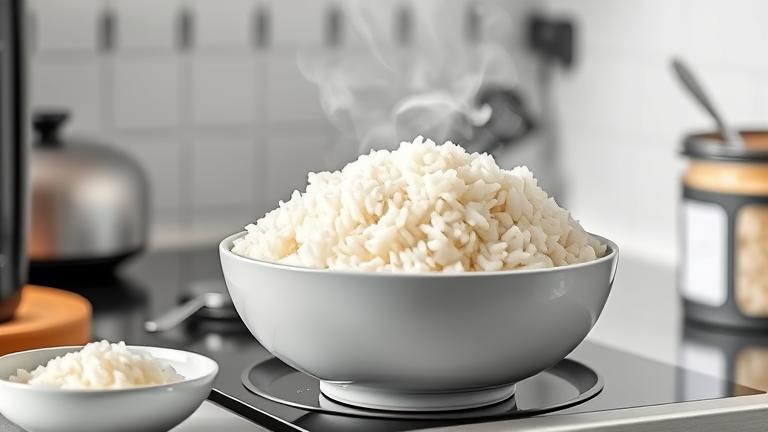
Best Methods to Reheat Rice
Reheating cooked rice is a common kitchen task, but doing it safely and effectively is important. Whether you have leftover rice from last night’s dinner or batch-cooked rice for the week, using the right method can keep it tasty and safe to eat. The most popular approaches are microwave, stovetop, and oven reheating. Choosing the best method depends on how much rice you have, how quickly you need it, and the texture you prefer.
Microwave Method
The microwave is the fastest and most convenient way to reheat rice. It works particularly well for small portions and when you’re in a hurry. To microwave rice safely and evenly, start by placing the rice in a microwave-safe dish.
- Add a splash of water or broth, about one to two tablespoons for each cup of rice. This helps create steam, preventing the rice from drying out.
- Cover the dish with a microwave-safe lid or a damp paper towel. This traps the moisture and heats the rice evenly.
- Heat on high for 1-2 minutes per serving, stirring halfway through to distribute heat evenly. If the rice isn’t hot enough, microwave in additional 30-second intervals.
Make sure the rice’s internal temperature reaches at least 165°F (74°C) to kill any bacteria and prevent foodborne illness. Carefully check with a quick temp check or by feeling the heat. Stirring also helps eliminate cold spots.
Stovetop Method
The stovetop is excellent for reheating a larger quantity of rice or when you want to restore a fluffy texture. It’s also helpful if you want to add seasonings or mix-ins like vegetables or proteins.
- Place the rice in a skillet or saucepan. Add a splash of water or broth to keep the moisture in.
- Heat over medium-low heat. Cover the pan with a lid to trap the steam.
- Stir the rice occasionally to prevent sticking and promote even heating. It usually takes about 5-10 minutes, depending on the amount.
- Ensure the rice is thoroughly heated to 165°F (74°C). Use a food thermometer if unsure.
If the rice seems dry, sprinkle with a little more water and keep covered. For extra flavor, consider tossing in a pinch of salt, pepper, or herbs during reheating.
Oven Method
Reheating rice in the oven is ideal for large quantities or when you want to reheat rice evenly without much attention. It’s especially handy for leftovers stored in a dish that can go directly into the oven.
- Preheat your oven to 350°F (175°C).
- Spread the rice evenly in an oven-safe dish. Pour a few tablespoons of water or broth over it to maintain moisture.
- Cover the dish tightly with aluminum foil to trap steam and prevent the rice from drying out.
- Heat for about 15-20 minutes, or until steaming hot. Check the temperature with a food thermometer to ensure it reaches 165°F (74°C).
Stirring the rice halfway through can help distribute heat more evenly. This method is perfect when reheating large servings or when you’re preparing rice for a family meal.
Tips for Safe and Tasty Reheating
- Always reheat rice thoroughly to avoid food poisoning, especially if it has been stored for more than a day.
- If rice has been left at room temperature for more than two hours, it’s safest to discard it.
- Store cooked rice in airtight containers in the fridge and reheat within two days.
- Adding a splash of water and covering during reheating helps keep rice moist and flavorful.
Tips for Even Reheating
Reheating rice may seem straightforward, but getting it heated evenly can sometimes be tricky. The goal is to warm every grain thoroughly so that the rice tastes fresh and is safe to eat. With a few simple tips, you can avoid cold spots and ensure your rice is perfectly heated every time.
Use a Suitable Container
Choose a microwave-safe bowl or plate that isn’t too deep. Shallow containers help heat the rice more evenly because the heat can reach all the grains. Avoid using thick or narrow containers, which can cause the heat to concentrate in the center and leave the edges cold.
Stir Frequently
Stirring is key to even reheating, especially when using the microwave. After about 30 seconds, pause and give the rice a good mix. This redistributes the heat and breaks up any clumps that might be cooler inside. Continue heating in short intervals, stirring each time, until the rice is steaming hot all over.
Cover Properly
Cover the rice with a microwave-safe lid or a damp paper towel. Covering traps steam, which helps heat the rice more evenly. A loose covering allows steam to escape slightly, preventing sogginess but still locking in enough moisture for even heating. Be cautious not to cover too tightly, as pressure can build up inside the container.
Use the Right Power Setting
Heating rice on high power might seem fast, but it can create hot spots and cause uneven heating. Try using medium power for more gentle, uniform warming. If your microwave doesn’t have variable power levels, use shorter intervals at high power, checking and stirring more often.
Adjust the Time Based on Quantity
The more rice you’re reheating, the longer it will take to heat evenly. As a rule, add a few extra seconds for larger portions. Always check the temperature before serving and reheat in shorter bursts if needed.
Additional Tips to Remember
- Let the rice sit covered for a minute after reheating; residual heat helps even out the temperature.
- If reheating on the stove, warm rice over low heat with a splash of water or broth, stirring gently to distribute heat evenly.
- Avoid overheating — reheated rice can become dry or chewy if heated for too long.
Common Mistakes to Avoid
- Using too high heat, which causes hot spots and uneven heating.
- Not stirring enough or skipping the covering step.
- Reheating cold rice without adding moisture, leading to dryness.
By following these tips, you can enjoy warm, evenly heated rice that tastes delicious and is safe to eat. Remember, patience and the right techniques make all the difference in achieving perfect reheated rice every time.
Microwave Reheating Tips
Reheating rice in the microwave is quick and convenient, but it requires a few simple tricks to keep it tasty and safe to eat. To get the best results, pay attention to how you store, add moisture, and select microwave settings. These tips will help you enjoy your rice just like it was freshly cooked.
First, choose the right container. Use a microwave-safe dish or bowl, preferably one with a lid or microwave-safe plastic wrap. Covering the rice traps steam and prevents it from drying out. If you don’t have a lid, a microwave-safe plate works well too. Avoid metal containers or any fit-for-oven dishes, as the microwave can cause sparks or damage.
Next, add a bit of water before reheating. Rice tends to dry out when heated, so adding a teaspoon of water per cup helps maintain moisture. You can sprinkle the water over the rice or place it in the bottom of the container before covering. The water creates steam during reheating, keeping the rice soft and fluffy.
When it’s time to microwave, set the power to medium or 50-70% if your microwave has adjustable power levels. High heat can cause uneven warming or make the rice become rubbery. Use the microwave’s “reheat” setting if available, or manually set the time for 1-2 minutes per cup of rice. For larger amounts, stir halfway through to distribute the heat evenly.
For optimal results, follow these steps:
- Place your rice in a microwave-safe dish and add a teaspoon of water per cup.
- Cover the dish with a microwave-safe lid or plate to trap steam.
- Heat on medium power for 1-2 minutes per cup, stirring halfway through.
- Check the temperature; if needed, continue reheating in 30-second bursts until steaming hot.
- Let the rice sit covered for a minute after heating to allow the steam to evenly distribute.
Be mindful not to overheat rice, as very high temperatures can cause it to become tough or dry. Always stir and check the temperature before serving. If you notice any cold spots, reheat for an additional short burst. Using these strategies will help keep your rice moist, flavorful, and safe to eat.
Remember: reheated rice should be eaten within a day or two of cooking and stored properly in the refrigerator. Never reheat rice more than once to prevent food safety issues.
Reheating Rice on the Stovetop
Reheating rice on the stovetop is a simple and effective way to enjoy leftover rice without sacrificing flavor or texture. Whether you have a small or large batch, using the right pan and technique can make all the difference in preventing sticking and ensuring the rice heats evenly.
Start by choosing the proper pan. A good option is a wide, shallow skillet or a frying pan. These options allow the heat to reach all the rice evenly and help prevent clumping. Avoid using a very small or deep pot, as rice can easily stick to the sides or bottom if the surface area isn’t wide enough.
Next, add a little moisture to keep the rice from drying out or sticking. You can use water, broth, or even a splash of oil or butter. Typically, adding about one to two tablespoons of water or broth per cup of rice works well. This helps create steam and keeps the rice moist during reheating.
Set your stove to medium-low heat. Heating rice too quickly or at too high a temperature may cause it to become crusty or dry out. Slow, gentle warming is best. Once the pan and liquid are hot, add your rice and gently break it apart if it’s clumped together. Use a spatula or a fork to stir the rice frequently.
Stirring is key. It helps prevent sticking and ensures the rice heats evenly across all grains. Keep stirring every couple of minutes. If you notice the rice starting to stick to the bottom, add a little more water or broth, a teaspoon at a time. You want the rice to be heated through and moist, but not swimming in liquid.
If you’re reheating a large quantity, cover the pan with a lid. This traps the steam inside and speeds up the warming process. Check the rice regularly to make sure it’s not drying out or burning. If needed, adjust the heat accordingly.
In about 5 to 10 minutes, your rice should be hot all the way through. To check, take a small spoonful and taste it, ensuring it’s evenly warmed. Once done, remove it from the heat and give it one last stir. If you like, you can add a squeeze of lemon juice, fresh herbs, or a dash of soy sauce to enhance the flavor before serving.
- Tip: Using a non-stick pan can make stirring and cleaning easier.
- Tip: Always reheat rice thoroughly. Cold spots can harbor bacteria, which can cause foodborne illness.
- Tip: For best results, store leftover rice in an airtight container in the refrigerator and try to consume it within a few days.
Reheating rice on the stovetop is quick, simple, and keeps your leftover rice tasting fresh. Just remember to add moisture, stir often, and keep the heat gentle for the best results every time.
Reheating Rice in the Oven
Reheating rice in the oven is a great way to warm up a large batch of rice evenly, especially when you want to avoid the sogginess that can happen with microwave heating. Using the oven helps retain moisture and keeps the rice fluffy and delicious. It’s a simple method that works well whether you’re reheating leftover rice from a family meal or preparing rice for a dish later in the day.
To start, preheat your oven to a temperature of around 300°F (150°C). Unlike sudden high heat, this gentle temperature helps warm the rice evenly without drying it out. Spread the leftover rice in a thin, even layer in an oven-safe dish or baking tray. If you are reheating a large amount, consider dividing the rice into smaller portions to ensure even heating.
Next, to keep the rice moist, sprinkle a little water or broth over the rice—about 1 to 2 tablespoons per cup of rice. Cover the dish tightly with aluminum foil. The foil traps steam, which helps the rice heat through while maintaining its softness. If you like, you can also add a drizzle of oil or a small pat of butter on top for extra flavor and moisture.
Place the covered dish in the oven and let it heat for about 15 to 20 minutes. Check the rice after 15 minutes and give it a gentle stir to distribute the heat evenly. If it still feels cold in the center, re-cover and put it back in the oven for a few more minutes.
Tips for Reheating Rice in the Oven
- Moisture is key: Always add a splash of water or broth before reheating to prevent the rice from drying out. The steam created inside the foil cover keeps the rice fluffy.
- Adjust time for quantity: Larger amounts may need a few extra minutes to heat through completely. Smaller portions will warm up faster.
- Check frequently: Have a quick peek at the rice after 15 minutes to prevent overcooking or burning.
- Serve immediately: Once heated, serve the rice right away to enjoy the best texture and flavor.
If you want to reheat rice frequently, consider investing in an oven-safe dish with a lid. This makes the process even simpler. The key is to keep the rice moist and warm gently—you’ll find this method produces consistently good results with minimal fuss. Just remember, properly stored leftover rice can stay good for up to 4-6 days in the fridge, so plan your reheating accordingly.
Food Safety When Reheating Rice
Reheating rice might seem simple, but it’s important to handle it safely to prevent foodborne illnesses. Bacteria can grow quickly in cooked rice if it’s not stored or reheated properly. By following a few easy steps, you can enjoy your leftover rice without worry.
First, proper storage is key. Once you’ve finished your meal, don’t leave rice sitting out at room temperature for more than two hours. Bacteria thrive in the “danger zone” between 40°F (4°C) and 140°F (60°C). To keep it safe, transfer the rice into an airtight container and place it in the refrigerator promptly. Cold storage slows bacterial growth and keeps your rice fresh for later.
When reheating rice, always ensure it reaches a high enough temperature to kill any bacteria that might be present. The safe temperature for reheated rice is at least 165°F (74°C). Using a microwave, stove, or oven, heat the rice evenly. Stirring during reheating helps eliminate cold spots where bacteria could survive.
It’s best to reheat only the amount of rice you plan to eat. Repeatedly cooling and reheating rice increases the risk of bacteria growing. Also, avoid reheating rice multiple times. If you have leftovers after reheating once, it’s safer to discard them.
Here are some tips for safe reheating:
- Always store cooked rice in the refrigerator within two hours of cooking.
- If reheating in the microwave, cover the rice with a microwave-safe lid or damp paper towel to retain moisture and heat evenly.
- Use a food thermometer to check that the rice has reached the correct temperature.
- Discard rice that smells off or has a slimy texture, as these can be signs of bacterial growth.
By paying close attention to how you store and reheat rice, you can prevent food poisoning and enjoy your leftovers safely. Remember, when in doubt, it’s better to toss out rice that seems questionable than risk illness. Safe practices might take a little extra time, but they’re worth it for your health and peace of mind.
Reheating Rice for Different Dishes
Reheating rice for various dishes like fried rice, rice pilaf, or simply leftover plain rice requires a little attention to keep the flavor and texture just right. Different recipes have unique textures, so choosing the right method makes all the difference. Follow these friendly tips to customize your reheating process for the best results.
Reheating Plain Cooked Rice
Plain rice is the most straightforward to reheat. The key is to prevent it from drying out or becoming too sticky. The best method is using a microwave or stovetop with added moisture.
- Microwave: Place rice in a microwave-safe bowl. Add a splash of water—about a tablespoon per cup of rice. Cover the bowl with a lid or damp paper towel to trap steam. Microwave for 1-2 minutes, stirring halfway through. Check if it’s hot enough, then serve.
- Stovetop: Put rice in a saucepan. Add a small amount of water or broth. Cover with a lid and warm over low heat for 5-10 minutes, stirring occasionally. This keeps the rice moist and evenly heated.
Reheating Fried Rice
Fried rice has flavors from soy sauce, vegetables, and sometimes meat. To keep it flavorful and prevent it from becoming soggy, reheating carefully is essential.
- Stovetop: Heat a little oil in a pan over medium heat. Add the fried rice and stir constantly. If it looks dry, sprinkle a few drops of water or broth. Cook for about 3-5 minutes until heated through. This method helps retain the texture of the rice and keeps the flavors vibrant.
- Microwave: Place fried rice in a microwave-safe dish. Cover with a damp paper towel. Microwave on high for 1-2 minutes, stirring halfway through. Add a splash of soy sauce or sesame oil after reheating for extra flavor.
Reheating Rice Pilaf or Flavored Rice
Rice pilaf and other seasoned rice varieties often contain added oils, herbs, and spices. To preserve their flavor and prevent sticking, gentle reheating is best.
- Oven: Preheat the oven to 350°F (175°C). Spread the rice in an oven-safe dish, sprinkle with a little water or broth. Cover tightly with foil and bake for about 15-20 minutes. This slow method keeps the rice moist and flavorful.
- Microwave: Place rice in a covered microwave-safe dish with a little liquid. Microwave on medium power for 3-4 minutes, stirring halfway. This method helps maintain even heating without drying out the rice.
Tips for Perfect Reheating
- Always add some moisture—water, broth, or alternative liquids—to prevent the rice from drying out.
- If you’re reheating multiple portions, do so in small batches for better heat distribution.
- For best flavor, reheat rice to at least 165°F (74°C) to ensure safety, especially if it contains meat or eggs.
- Stirring occasionally during reheating helps distribute heat evenly and prevents cold spots.
By customizing your reheating method based on the type of rice dish, you can enjoy your leftovers with the same delicious taste and appealing texture that you had when freshly made. Whether you’re warming up plain rice, fried rice, or a seasoned pilaf, these friendly tips will help you get it just right every time.