
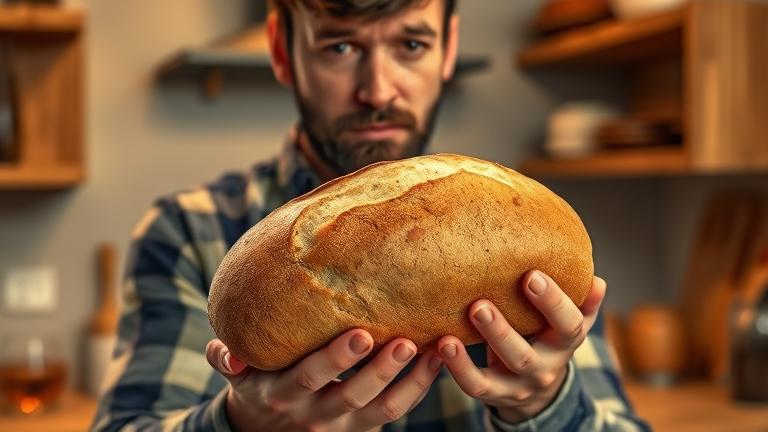
Why Does Bread Smell Like Alcohol?
If you’ve ever baked bread and noticed it smells a little like alcohol, you’re not alone. This smell is often caused by the fermentation process involving yeast. While it might raise a concern, understanding why it happens can help you decide whether your bread is still good to eat.
Yeast is a tiny living organism that helps bread rise by producing gases and alcohol during fermentation. Normally, once the bread is baked, most of this alcohol evaporates. However, if the bread has a strong alcohol smell before baking, it could mean the fermentation has gone a bit off track.
One common reason is that the dough has been left to ferment too long or at the wrong temperature. When dough sits out too long, especially in warm environments, the yeast continues to produce alcohol and other byproducts. This excess alcohol can linger in the bread, giving it that signature smell.
Another factor is the type of yeast or starter you use. Some wild yeasts or sourdough starters naturally produce more alcohol during fermentation. Usually, this is not a problem, and baking at the right temperature will drive off most of the alcohol. However, an unusually strong smell might indicate over-fermentation or that the dough was not baked thoroughly.
Sometimes, if the dough isn’t mixed well or there’s too much sugar, the yeast may produce more alcohol than usual. Incomplete mixing can cause uneven fermentation, leading to pockets of alcohol that carry a strong scent. Poor oven temperature or underbaking can also leave some alcohol behind, causing the smell to remain.
Is the bread safe to eat if it smells like alcohol? Generally, yes. The alcohol created by yeast is not harmful in small amounts. If the bread looks, smells, and tastes normal aside from the alcohol scent, it is usually safe. However, if you notice any other unusual smells, mold, or a sour taste that’s far stronger than typical sourdough, it’s better to be cautious and avoid eating it.
To prevent a strong alcohol smell in future baking, consider these tips:
- Ensure proper fermentation time and temperature. Don’t leave your dough sitting out too long, especially in warm conditions.
- Make sure your dough is well mixed so fermentation is even throughout.
- Bake your bread thoroughly to evaporate any residual alcohol.
- If you’re using wild yeast or a sourdough starter, understand that some alcohol smell may be normal, but it should diminish after baking.
In most cases, a slight alcohol scent is no cause for alarm, and your bread will taste lovely once baked. If you’re ever unsure, trust your senses: if it looks, smells, and tastes good after baking, it’s likely safe to enjoy. Remember, a little patience and attention during fermentation can help you bake delicious, perfectly rising bread without unwanted smells.
Is It Safe to Eat Bread That Smells Off?
If you find bread that smells strange or off, you might wonder whether it’s still safe to eat. The smell of bread can tell you a lot about its freshness and whether it has gone bad. A fresh loaf usually has a mild, yeasty aroma that’s inviting. But when bread develops a sour, sour, or even moldy smell, it’s a sign that something’s wrong.
Consuming bread that smells off can pose health risks, especially if mold or bacteria have started to grow. Mold can produce mycotoxins, which are harmful substances that can upset your stomach or cause allergic reactions. Bacteria, on the other hand, might cause food poisoning, leading to symptoms like nausea, vomiting, or stomach cramps.
So, how do you know if it’s safe to eat bread with a strange odor? The first step is to trust your nose. If the smell is faint and the bread looks normal—no visible mold, no discoloration—it might still be okay to eat, especially if it’s just a mild sour smell that can sometimes develop during storage. But if the smell is strong, sour, or rotten, it’s best to toss it out.
Keep in mind that some breads, like sourdough, naturally have a tangy smell, which is normal. However, if your bread doesn’t usually taste or smell sour, and suddenly it does, that’s a sign it may be past its prime.
When to Avoid Eating Bread with Off Smells
- If you see visible mold growth on the surface or inside the loaf.
- If the smell is very sour, rotten, or pongy beyond the typical yeasty aroma.
- If the bread feels slimy or sticky to the touch.
- If it has been stored in your pantry or fridge for a long time, especially if it’s crusty bread that should be fresh.
- If you notice any discoloration or dark spots that weren’t there when you bought it.
Always remember, when it comes to food safety, it’s better to be cautious. If in doubt about the smell or appearance, it’s safest to discard the bread. Eating spoiled bread can cause uncomfortable and sometimes serious health issues. It’s not worth risking your health over a bit of odd odor.
To extend the shelf life of your bread and reduce the chances of unpleasant smells, store it properly. Keep it in a cool, dry place or in an airtight container if you won’t eat it quickly. For longer storage, consider freezing bread. Just make sure to wrap it tightly so it doesn’t absorb other odors from your freezer.
Signs Your Bread Might Be Bad
It can be tricky to tell if bread has gone bad just by looking at it. Sometimes, the signs are obvious, but other times they are more subtle. Being able to spot these signs helps you avoid eating spoiled bread and keeps your meals safe and tasty.
First, check the visual appearance of the bread. Fresh bread usually has a soft crust or a nice golden color, depending on the type. If you notice any mold growth — fuzzy spots in green, blue, black, or white — it’s best to toss the bread. Mold can spread beyond what you see, making the bread unsafe to eat. Even if you cut off the moldy part, spores might have penetrated deeper.
Look for other signs such as discoloration, such as dark or gray patches, which can indicate spoilage. Puffy or swollen bread is also a warning sign, often meaning it has been contaminated by bacteria or yeast fermentation gone wrong. If the bread looks shriveled, dry, or has hardened significantly, it might have gone stale. While stale bread isn’t harmful, it won’t taste as good and might be tough to chew.
Moving to smell, your nose is a great tool. Fresh bread should smell warm and inviting, sometimes with a slight yeast aroma. If you detect a sour, rancid, or off-putting odor, this is a clear sign the bread is no longer good. Rancid smell often indicates the fats inside the bread have spoiled, which can happen after too long of storage. Don’t ignore strange odors — they are your body’s warning signals.
The texture also tells a story. When you touch bread, it should be soft and flexible, especially if it’s fresh. If it feels sticky or extremely moist, it might be harboring mold or bacteria. Conversely, if the bread is rock-hard or crumbly, it could be past its prime or stored improperly. Interestingly, bread can develop a hard crust and still be safe, but very dry or crumbly bread isn’t likely to be enjoyable or safe if it shows other spoilage signs.
Sometimes, bread can develop small insects or pests, which is a definite sign to throw it away. Check the packaging if you’ve bought pre-sliced bread, and look for tiny bug holes or residue before consuming.
To help you decide if bread is still good to eat, here are some quick tips:
- Inspect for mold or unusual discoloration.
- Smell for sour, rancid, or off odors.
- Feel the texture for stickiness, hardness, or crumbliness.
- Check for signs of pests or bugs.
Always remember, if something about the bread seems off, it’s best to err on the side of caution. Eating spoiled bread can cause stomach upset or food poisoning. When in doubt, dispose of questionable bread and opt for fresh slices. Keeping bread stored properly — in a cool, dry place or sealed in the fridge or freezer — can also prolong its freshness and prevent spoilage.
How to Prevent Alcohol Odor in Bread
If you’ve ever noticed an alcohol smell in your freshly baked bread, don’t worry. This aroma often comes from the fermentation process when yeast produces alcohol as a byproduct. While a slight tang can add character, too much alcohol odor might be unpleasant. Luckily, there are simple tips and best practices to keep your bread smelling fresh and delicious.
The key to preventing alcohol smell lies in managing fermentation, choosing the right ingredients, and following proper baking techniques. By understanding these factors, you can enjoy bread with a pleasant aroma every time.
Control the Fermentation Process
Fermentation is essential for bread to rise and develop flavor, but over-fermenting can lead to excess alcohol production. To prevent this, monitor your dough carefully.
- Set a timer and stick to recommended fermentation times given in your recipe. Generally, 1 to 2 hours for the first rise is enough.
- Keep the dough in a warm, draft-free place. Temperatures around 75-78°F (24-26°C) encourage steady fermentation without overdoing it.
- Check your dough regularly. If it smells strongly of alcohol or has bubbles on the surface, it’s a sign of over-fermentation. Punch it down and reshape to halt the process.
Choose Quality Ingredients
High-quality ingredients can influence the fermentation process and the bread’s final aroma. Here are some tips:
- Use fresh yeast and avoid old or expired packages. Old yeast can ferment unevenly, resulting in stronger alcohol odors.
- Opt for filtered or purified water to prevent impurities that may interfere with fermentation.
- Use unbleached flour for better fermentation control. Bleached flour can sometimes produce off-flavors.
Baking Techniques to Reduce Alcohol Odor
The baking process itself can help eliminate alcohol smells. Follow these approaches:
- Ensure your oven is fully preheated before baking. A hot oven helps cook off alcohol quickly.
- Bake at the right temperature, typically around 375°F to 400°F (190-200°C), for the recommended time, usually 25–30 minutes.
- Consider extending baking slightly if you notice any lingering alcohol scent after the regular bake time. A few extra minutes can help evaporate residual alcohol.
Additional Tips for Fresh-Smelling Bread
- Use a long, slow proof: By allowing the dough to ferment more slowly in the fridge overnight, you reduce rapid alcohol production and develop better flavor.
- Avoid overmixing: Mix until just combined to prevent unnecessary yeast activity that might produce more alcohol.
- Let the bread cool completely: Cooling helps any remaining alcohol evaporate before slicing or storing.
By keeping an eye on fermentation times, selecting quality ingredients, and following proper baking steps, you can prevent unwanted alcohol odors in your bread. A well-made loaf should smell inviting, not overpowering. With a little practice, you’ll be baking bread that smells as good as it tastes!
Fixing Common Bread Baking Issues
Baking bread can be a rewarding experience, but sometimes things don’t turn out perfectly. If your bread has an undesirable odor or texture, don’t worry. Many common problems have simple solutions that can help you troubleshoot and improve your baking results.
Identifying Odor Problems
Sometimes bread develops a strange or unpleasant smell. This can be caused by several factors, including the use of old ingredients, poor fermentation, or contamination. If your bread smells sour or off, first check the freshness of your ingredients, especially flour and yeast. Make sure your kitchen utensils and baking tools are clean since bacteria or mold can create odors.
If the smell is sour or alcoholic, it may indicate over-proofing or that the yeast was too active. To avoid this, keep an eye on rising times and store your yeast properly in a cool, dry place. Using fresh yeast and ingredients will also help ensure a pleasant aroma.
Common Texture Problems and How to Fix Them
- Dense or Heavy Bread: This is often caused by under-proofing or not kneading enough. When dough isn’t allowed enough time to rise, the air pockets don’t form properly, resulting in dense bread. Ensure you give your dough ample time to rise, usually until it doubles in size, and knead thoroughly to develop gluten.
- Gummy or Chewy Crust: Too little baking or insufficient oven temperature can leave the crust soft or gummy. Make sure your oven is properly preheated and bake until the crust is golden and firm. You can also increase baking time slightly or try placing a pan of water in the oven to create steam, which helps develop a nice crust.
- Cracked or Sunken Loaf: Cracks often happen when the dough expands rapidly during baking, sometimes due to over-proofing or too much oven heat. Sunken bread can be caused by over-proofing or insufficient baking. To prevent these issues, monitor proofing times closely and avoid opening the oven door during early baking stages.
Tips for Better Results
- Use high-quality, fresh ingredients for the best flavor and smell.
- Follow your recipe’s proofing times carefully but observe your dough — it should be puffy and doubled in size.
- Check your oven temperature with an oven thermometer for accuracy.
- Allow your bread to cool before slicing to set the texture properly.
Additional Troubleshooting
If you encounter persistent issues, consider keeping a baking journal. Note ingredient brands, proofing times, temperatures, and any environmental factors like humidity or drafts. This practice helps you identify patterns and adjust your method accordingly.
Remember, every oven and kitchen environment is different, so don’t be discouraged by early setbacks. With patience, practice, and a few troubleshooting tips, you’ll be baking bread with perfect aroma and texture in no time.
When to Toss Old or Faulty Bread
Knowing when to toss old or faulty bread is key to keeping your food safe and enjoyable. Bread is a staple in many households, but it doesn’t last forever. Over time, it can develop mold or get stale, which can affect its taste and safety. Recognizing the signs that it’s time to throw out bread helps prevent health risks and ensures you’re eating fresh, safe food.
First, check for visible mold. Mold appears as fuzzy spots that can be green, white, black, or blue. Even if you see mold on a small section, it’s safest to discard the entire loaf. Mold’s roots can spread inside the bread, even if you don’t see it. Never cut off the moldy part and eat the rest — mold can produce toxins harmful to your health.
Next, smell the bread. Fresh bread has a pleasant, yeasty aroma. If it smells sour, rancid, or just off in any way, it’s best to toss it. A sour or strange smell often means the bread has gone bad or is starting to ferment, which can cause stomach upset if eaten.
Observe the texture and appearance. Old bread that has become very dry and hard is called stale. While stale bread is not unsafe, it may not be pleasant to eat unless you plan to make croutons, breadcrumbs, or toast. If the bread feels damp or sticky, this could indicate moisture leading to mold growth. Also, look for any unusual discoloration or sliminess.
Another common sign is the presence of bugs or insects. If you see tiny bugs on or inside the bread, discard it immediately. Bugs at home can carry bacteria or cause contamination.
Here are some tips for storage and shelf life:
- Keep bread in a cool, dry place or in the bread box to slow mold growth.
- Use resealable bags or airtight containers to keep bread fresh longer.
- In hot or humid climates, consider refrigerating bread to extend its freshness, but note that refrigeration can make bread dry out faster.
- For longer storage, freeze bread and toast slices directly from the freezer as needed.
When it comes to shelf life, consider these guidelines:
| Type of Bread | Room Temperature | Refrigerated | Frozen |
|---|---|---|---|
| Commercially baked bread | 5–7 days | Up to 2 weeks | 3–6 months |
| Homemade bread | 1–3 days | Up to 1 week | 3–6 months |
If your bread is past these timeframes or shows any signs of mold, strange smell, or texture changes, it’s wise to toss it. Eating spoiled bread can lead to food poisoning or allergic reactions.
Remember, when in doubt, it’s safer to discard questionable bread. Trust your senses — sight, smell, and touch — to decide whether it’s still good to eat. When you handle bread carefully and store it properly, you’ll enjoy fresh, safe bites every time.
Tips for Better Bread Baking Next Time
Brewing bread at home can be a fun and rewarding experience. If your last batch had an unexpected alcohol smell or didn’t turn out quite right, don’t worry. With a few simple adjustments, you can improve your bread baking skills and enjoy perfect loaves every time.
One common reason for a strong alcohol smell in bread is that the dough hasn’t fermented long enough. During fermentation, yeast produces alcohol, which can stay in the bread if not fully baked or if the proofing time was too short. To avoid this, make sure to give your dough enough time to rise. A good rule of thumb is to let it double in size during the initial rise and be patient with the final proof.
Temperature plays an important role in bread making. Yeast becomes most active between 75°F and 85°F (24°C to 29°C). If your kitchen is cooler, it might take longer for the dough to rise and develop flavor, which can sometimes lead to off-flavors. To help, place your dough in a warm spot, like inside an oven with the light on or on top of a warm appliance, but avoid direct heat that can dry out the dough.
Using the right type of flour can also make a big difference. Bread flour, with higher gluten content, provides better structure and rise. If you use all-purpose flour, consider adding a small amount of vital wheat gluten, especially for enriched or softer bread recipes. This helps improve the dough’s elasticity and oven spring, resulting in a lighter, fluffier loaf.
Be mindful of the amount of yeast used. Too much yeast can speed up fermentation, leading to a stronger alcohol smell and a dense texture. Use the amounts specified in your recipe, and consider reducing yeast slightly if you are aiming for a longer, slower ferment that develops better flavor.
Proper kneading is essential. Knead until the dough is smooth and elastic. This process develops gluten, which traps the gases created during fermentation and helps the bread rise well. Under-kneaded dough can be dense and may have a poor crumb, while over-kneading can make it tough.
Finally, ensure your oven is properly preheated. A hot oven (usually around 450°F or 230°C) helps create a good crust and allows the bread to expand fully during baking. Use a baking stone or a heavy Dutch oven if possible, as these retain heat better and give your bread a more professional finish.
- Be patient with fermentation – give your dough enough time to rise fully.
- Control the temperature – keep your dough in a warm, draft-free spot.
- Use quality ingredients, especially bread flour for better structure.
- Measure yeast carefully – avoid overusing it.
- Knead thoroughly for the right gluten development.
- Preheat your oven well and consider using a baking stone or Dutch oven.
With these tips, you’ll notice improvements in flavor, texture, and appearance. Remember, baking bread is both an art and a science. Experiment, take notes, and enjoy the process of making delicious homemade bread with each batch.