
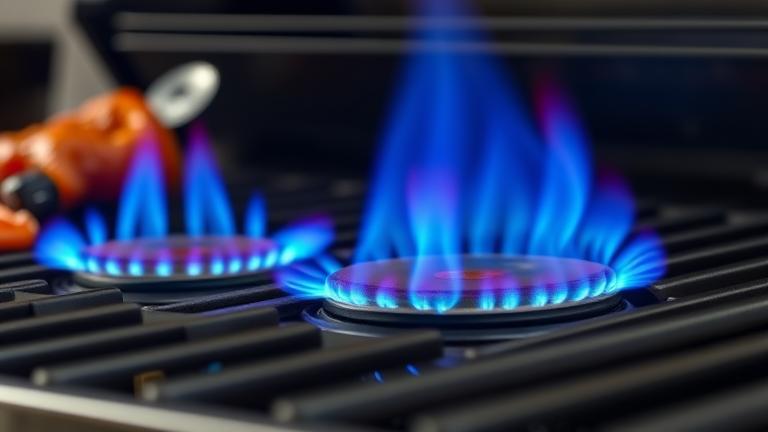
What Does an Ideal Gas Grill Flame Look Like?
When you’re grilling on a gas grill, it’s important to know what an ideal flame looks like. Recognizing the right flame helps ensure your food cooks evenly and safely. A proper gas grill flame should be blue, steady, and not too large or too small.
The most common sign of an optimal flame is its bright blue color. A blue flame indicates complete combustion, meaning the gas is burning efficiently. When the flame is mostly yellow or orange, it suggests incomplete combustion, which can produce soot and smoke that might affect the taste of your food. It can also be a sign of a problem with your grill’s air supply or gas flow.
In addition to color, the size and shape of the flame matter. An ideal flame is about a half to one inch high, even, and steady. It shouldn’t flicker wildly or seem to dance excessively. A flame that’s too high and roaring can cause flare-ups and uneven cooking, while a small or weak flame might not generate enough heat for proper grilling. The flame should be consistent across all burners, avoiding uneven heat zones.
How to Tell If Your Flame Is Perfect
- Color: Bright blue with a small yellow tip, approximately a quarter inch. The yellow tip is normal during ignition or quick adjustments but should disappear soon after.
- Size: About half to one inch tall, not taller. Adjust your air shutter or gas flow if it’s too high or low.
- Steadiness: The flame should be steady and not flickering excessively. Constant flickering or irregular flames mean there’s a problem.
Common Issues and Fixes
- Yellow or orange flames: Usually caused by dirty burners, clogged air shutters, or incorrect gas pressure. Clean the burners and check for blockages.
- Flames that are too high: Adjust the flow of gas or open the air shutter slightly to allow more air in for a cleaner burn.
- Low or weak flames: Ensure your gas supply is sufficient, and check for leaks or obstructions in the gas line.
Safety Tips
- Always turn off the grill and disconnect the gas supply before cleaning or inspecting the burners.
- If you notice persistent yellow flames or strong gas odors, turn off the gas and have your grill checked by a professional.
- Regular maintenance and cleaning help keep the flame bright and blue, ensuring safety and better grilling results.
By keeping an eye on these key characteristics, you can enjoy consistent, safe, and flavorful grilling. Remember, a good flame is the backbone of great barbecue!
Common Gas Grill Flame Issues and Fixes
If you enjoy grilling outside, you might sometimes notice problems with your gas grill flames. Issues like flickering flames or yellow flames are common and can affect how well your food cooks. Thankfully, most of these problems are easy to fix with a little troubleshooting.
Understanding the typical flame issues can help you keep your grill running smoothly. Let’s look at some common problems and how to fix them to get back to perfect grilling in no time.
Flickering Flames
Flickering flames are quite common and usually mean your gas flow isn’t steady. This can happen if the gas pressure is too low or if the burners are clogged.
First, check the propane tank or natural gas supply. Make sure the tank valve is fully open. If your gas seems fine, then it’s time to clean the burners. Dust, grease, or food debris can block the burners and disrupt airflow, causing flickering.
Remove the burners carefully and clean them with a brush or a small wire. Look inside the burner holes for any blockages and clear them out. Sometimes, a pin or needle can help if the holes are really small and clogged.
After cleaning, reassemble everything and turn on the gas. Light the grill and see if the flames are steady. If flickering continues, check the gas pressure or consider replacing the burners if they are old or damaged.
Yellow or Orange Flames
Yellow or orange flames on your gas grill indicate incomplete combustion. This means the gas isn’t burning with enough oxygen. A proper flame should be mostly blue with a slight yellow tip.
This problem is often caused by a restriction in the airflow to the burners. To fix it, start by turning off the gas and letting the grill cool. Remove the grates and knobs, then inspect the air vents on the burners. Dust or spider webs can block these openings.
Clear out any debris from the air intake ports and ensure they are fully open. You can also clean the burners as mentioned earlier. When you replace everything, turn the gas back on, light the grill, and check the flame color.
Low Flame or Weak Flames
If your flames are weak or barely there, the gas pressure might be low. Check your propane tank level to ensure it isn’t empty. Also, make sure all valves are fully open and that the regulator isn’t faulty.
If the regulator is old or damaged, replace it with a compatible one designed for your grill model. Sometimes, hoses can have cracks or leaks; inspect and replace if needed to ensure a strong, steady flame.
Tips to Prevent Flame Issues
- Regularly clean the burners and air vents.
- Check the gas supply before each use.
- Inspect hoses and regulators for leaks or damage.
- Store propane tanks upright in a cool, ventilated place.
- Replace old or damaged parts promptly for safe and efficient grilling.
By keeping an eye on these common flame issues and performing regular maintenance, your gas grill will stay in top shape. This way, you can enjoy a delicious, perfectly cooked meal every time you fire it up.
Recognizing Signs of Flame Malfunctions
When using your grill, it’s important to know how to spot signs of flame malfunctions. These issues can not only affect how well your grill cooks but also pose safety risks. Being aware of common symptoms helps you take quick action and keep grilling safe and fun.
One of the first signs of a flame problem is a weak or unstable flame. If the flame keeps flickering, dies out unexpectedly, or is visibly smaller than usual, it may indicate a blockage or an issue with the gas supply. For example, a consistent yellow or orange flame instead of a bright blue flame suggests incomplete combustion, which can produce dangerous carbon monoxide. If you notice this, it’s time to check the gas supply and burner ports.
Another common sign is excessive noise from the burner area, such as popping or hissing sounds. While some noise is normal, persistent loud sounds can signal debris in the gas line or worn-out parts that need replacement. An uneven flame across the burners—some flames being larger or smaller than others—is also a red flag. This unevenness often results from clogged burners or misaligned gas jets.
Pay attention to the smell of gas when you turn on the grill. A strong gas odor indicates a potential leak or leak near the connections. Never ignore a gas smell; it’s a clear warning that your grill may be unsafe to use. If you detect any smell, turn off the gas immediately, avoid lighting the grill, and inspect all connections carefully.
Visible signs of flame malfunction include soot or black residue on the outside of the burners. This build-up signals incomplete combustion, meaning the grill isn’t burning fuel efficiently. It can also cause flare-ups or uneven cooking. Regularly inspecting and cleaning the burners helps prevent this issue.
Sometimes, the flame may produce a hissing or roaring sound that seems louder than normal. This could mean excessive gas flow or pressure problems, which might need professional adjustment to avoid dangerous situations.
Other signs involve the overall performance of your grill. If your grill takes longer than usual to heat up or doesn’t reach the desired temperature, it might be a symptom of flame problems. Similarly, if you notice uneven cooking or food that burns too quickly, the issue could stem from irregular flames.
Knowing these signs allows you to take quick corrective steps. For example, if the flame is unstable or yellow, cleaning the burners and ensuring the gas supply is open and unobstructed can restore proper function. If there’s a gas smell or leak, turn off the grill immediately, and check all connections or call a professional. Regular maintenance, such as cleaning burners and inspecting hoses, greatly reduces these problems.
In summary, watch for weak or flickering flames, unusual noises, uneven burning, gas smells, and soot buildup. Recognizing these signs early helps you keep your grill safe and ensures delicious, evenly cooked meals every time. Remember, when in doubt, consult your grill’s manual or a professional for repairs.
How to Adjust and Control Your Grill Flame
Controlling the flame on your grill is an essential step to ensure your food cooks evenly and comes out just the way you like it. Whether you’re aiming for a high-heat sear or a gentle cooking heat, knowing how to adjust the gas supply and regulator settings makes a big difference. Plus, it keeps your grilling safe and efficient.
Start by understanding how your grill’s flame works. Gas grills typically have knobs or dials that control the flow of propane or natural gas. These are connected to the regulator, which manages the pressure and flow rate. When you turn the knob, you’re opening or closing the gas valve, affecting the size and intensity of the flame.
Steps to Adjust Your Flame
- Preheat your grill: Before making any adjustments, turn on your grill and allow it to preheat with the lid closed. This helps you see the actual flame size and quality.
- Locate the control knobs: Find the knobs for each burner. Each one controls a separate flame, so you can customize heat zones.
- Adjust the flame: Turn the knobs slowly to increase or decrease the flame. For a quick visual cue, a proper flame is mostly blue with a small yellow tip, indicating efficient combustion. A yellow or orange flame may suggest a problem, like dirt in the burner or incorrect gas flow.
- Monitor the flame size: For high-heat cooking, aim for a tall, steady blue flame. For gentle cooking or if you’re smoking food, a smaller flame is best. You can fine-tune by small adjustments in the knobs.
Practical Tips for Optimal Flame Control
- Adjust incrementally: Make small changes and wait a few seconds to see how the flame responds before further adjustments.
- Avoid large swings in flame: Rapidly opening or closing the valve can cause dangerous flare-ups or uneven heat.
- Clean your burners regularly: Dirt or grease buildup can affect airflow and flame stability. Remove the burners periodically according to your grill’s instructions.
- Check for safety: If the flame is yellow or flickering, turn off the gas and inspect the burners or regulator. Do not attempt to cook with a faulty flame, as it might be unsafe.
- Use the lid wisely: Closing the lid traps heat, making the flame more efficient. Opening it provides more direct control but can cause temperature fluctuations.
Safety First
Always ensure your grill is on a stable surface and never leave it unattended while adjusting the flame. If you smell gas or notice leaks, turn off the grill immediately and ensure proper ventilation. Regular maintenance and inspection of the regulator and gas lines help prevent accidents and keep your grill functioning smoothly.
With practice, controlling your grill flame becomes second nature. It allows you to cook exactly how you want, from quick searing to slow roasting. Just be patient, make small adjustments, and enjoy the process of perfecting your grill skills.
Safety Tips for Operating Your Gas Grill
Using a gas grill can make outdoor cooking easy and fun, but safety should always come first. Following simple safety tips helps prevent accidents and ensures you have an enjoyable grilling experience. Whether you’re a beginner or a seasoned griller, these safety precautions are important to keep in mind every time you fire up your grill.
Start by checking your grill before each use. Look for any signs of damage or leaks, such as rust, cracks, or worn-out hoses. Make sure all the connections are tight and secure. If you notice a strong smell of gas or suspect a leak, turn off the gas supply immediately and do not use the grill until it has been inspected and repaired by a professional.
Proper Setup and Location
- Place your grill in an open area, away from overhanging branches, deck railings, and overhangs. Keep it at least 10 feet away from your house or any structures.
- Set up your grill on a flat, stable surface to prevent tipping or accidents.
- Ensure good ventilation. Avoid grilling in enclosed spaces like garages or porches with no proper airflow. Gas fumes can build up and cause fires or health hazards.
Handling Gas Safely
- Always open the grill lid before igniting it. This prevents gas buildup, which could cause a sudden flare-up or explosion when ignited.
- Keep your face, hands, and clothing away from the grill’s burners while lighting.
- Use long-handled tools and a match or lighter designed for grilling to stay safe while igniting.
During Grilling
- Never leave the grill unattended while it is in use. Flare-ups and accidents can happen quickly.
- Keep a fire extinguisher or a bucket of sand nearby in case of a fire. Know how to use the extinguisher properly.
- Wear appropriate clothing, avoiding loose or hanging fabrics that can catch fire.
- Manage flare-ups by adjusting the heat or moving food away from flames. Avoid spraying water on grease fires.
After Grilling
- Allow the grill to cool completely before cleaning or covering it. This prevents accidental burns or fires.
- Turn off the gas supply and disconnect the propane tank when not in use for extended periods.
- Clean the grill grates regularly to prevent grease buildup, which can cause flare-ups.
Extra Safety Tips
- Store propane tanks outdoors in a well-ventilated area, away from direct sunlight or heat sources.
- Do not store or transport propane tanks in the trunk of a car or in a closed space.
- Keep children and pets away from the grill area at all times for their safety.
By following these safety tips, you can make sure every grilling session is both safe and enjoyable. Remember, safety precautions are simple but crucial for preventing accidents and ensuring delicious, worry-free fun outside.
Troubleshooting: When Flame Looks Wrong
If your grill’s flame is not looking right, it can be a sign that something needs attention. A healthy, steady flame is essential for even cooking and safety. If your flame is inconsistent, weak, or unusual in color, don’t worry. There are simple steps to diagnose and fix common flame problems, helping you get back to grilling with confidence.
First, observe the color and shape of the flame. A proper flame should be mainly blue, with perhaps a small yellow tip. If you see a yellow or orange flame, it often indicates incomplete combustion, which can produce smoke and soot. If the flame flickers or goes out often, it might signal air flow issues or blocked vents.
Check for Blockages and Obstructions
- Start by turning off the grill and disconnecting the propane tank or gas line.
- Remove the burner grates and check for debris, dirt, or spiders that might have fallen into the gas ports.
- Use a thin wire or a pipe cleaner to gently clear out any clogged holes in the burners. Be careful not to damage the insides.
- Inspect the gas line and connections for leaks or cracks. A soapy water solution applied around fittings will bubble if there’s a leak.
If you find obstructions, cleaning them out can often fix weak or uneven flames. Also, ensure vents are open and clear so air can mix properly with the gas.
Adjust Air Intake Settings
Beyond blockages, the amount of air reaching the flame affects its look. Most grills have an air shutter or vent on the burner that can be adjusted. If the flame is too yellow or lazy, try opening the air shutter slightly to introduce more oxygen. If the flame is billowing and sooty, closing the shutter a bit can help produce a cleaner, more blue flame. Make small adjustments and observe how the flame responds.
Check Gas Supply and Pressure
A weak or inconsistent flame might also stem from issues with the gas tank or flow. Ensure your propane tank is sufficiently filled. If you recently filled your tank or connected a new one, make sure the connection is tight and without leaks. In some cases, the pressure regulator might be faulty or clogged, reducing gas flow. Replacing the regulator can often improve flame quality and strength.
Clean and Maintain Regularly
Regular cleaning prevents buildup that can block gas flow. After each grilling season, wipe down burners and check vents. Keep the area around your grill clear of debris and insects. Proper maintenance not only ensures better flames but also prolongs your equipment’s lifespan.
When to Seek Professional Help
If you try these troubleshooting tips and the flame still looks wrong, or if you smell gas leaks, turn off the gas supply immediately. It’s safest to contact a professional technician to inspect your grill. Gas leaks or faulty parts should never be ignored for safety reasons.
Remember, a good flame is one of the keys to successful grilling. By checking for obstructions, adjusting air flow, and maintaining your grill regularly, you can solve most flame issues. A little effort now means better and safer cooking every time you fire up the grill!
Maximize Your Grill’s Performance and Safety
Keeping your gas grill in top shape is essential for delicious meals and a safe cooking experience. With a few simple maintenance tips, you can ensure your grill works efficiently and stays safe for everyone. Plus, proper care can extend the life of your grill, saving you money in the long run.
Start by regularly inspecting your grill before each use. Check for any gas leaks, damaged hoses, or loose connections. A quick safety check with a soap and water solution can reveal leaks — if bubbles form around any connection, tighten or replace parts as needed. Never use the grill if you suspect a leak, as this can be dangerous.
Cleaning for Performance and Safety
Keeping your grill clean is more than just about good looks. Grease and food buildup can affect cooking performance and create fire hazards. After each use, scrub the grates with a grill brush. For a deeper clean, periodically remove the grates and soak them in warm, soapy water. Use a scraper or brush to remove any stubborn residue.
Don’t forget the burners. Remove and clean them carefully to prevent blockages that can cause uneven heating or flare-ups. Clear any grease or debris from the burner ports while you’re at it.
Optimize Your Grill’s Performance
Proper ventilation and correct gas settings are key to achieving the perfect cooks. Always operate your grill outdoors in well-ventilated areas and away from flammable objects. Adjust the burners to maintain uniform heat, and preheat the grill for about 10-15 minutes before cooking. This helps to burn off any residues and ensures even heat distribution.
Using the right type of fuel and check your propane tank’s level regularly helps prevent interruptions. If your grill has temperature controls, learn how to use them effectively to manage heat zones, which is especially helpful for different types of food.
Safety Tips During Operation
- Keep a fire extinguisher nearby, rated for grease fires. Know how to use it before you start grilling.
- Never leave the grill unattended while in use. Hot surfaces can cause accidents quickly.
- Use long-handled tools to keep your hands away from the flames and heat.
- Wear flame-resistant gloves or an apron for extra safety from splatters or flare-ups.
- Close the lid when not checking on the food to contain flare-ups and keep the fire controlled.
Storage and Long-Term Maintenance
When you’re finished grilling, turn off the gas supply and burners completely. Allow the grill to cool down before cleaning and covering it. Store propane tanks upright and in a safe location, away from direct sunlight or heat sources.
Arrange for annual professional inspections, especially if your grill is used frequently. Regular maintenance and attentive usage are the best ways to keep your grill performing well and ensure your safety during every cookout.