
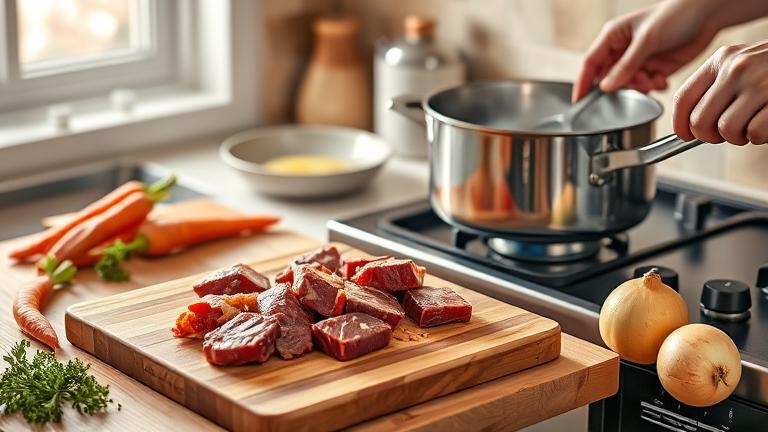
Is Cooking Frozen Beef Safe?
Many home cooks wonder if it is safe to cook beef directly from the freezer without thawing it first. The short answer is yes, it is generally safe to cook frozen beef, as long as you follow some essential safety tips. Cooking beef from frozen can be convenient, especially when you forget to thaw it ahead of time. However, there are important considerations to ensure your meal is safe and delicious.
When you cook beef straight from the freezer, the main concern is that the meat may not heat evenly. This can lead to parts of the beef remaining in the danger zone, which is between 40°F and 140°F. Bacteria thrive in this temperature range, increasing the risk of foodborne illness. To minimize this risk, it’s important to know the best ways to cook frozen beef and what to watch out for.
Safety Considerations When Cooking Frozen Beef
- Use the right cooking method: Some methods are better suited for frozen beef. For example, braising, slow cooking, or cooking in a pressure cooker allows the meat to cook evenly from frozen. Conversely, grilling or pan-searing typically works best when the beef has been partially thawed, as these methods may lead to uneven cooking.
- Increase cooking time: Frozen beef generally requires at least 50% longer cooking time than thawed beef. This extra time helps ensure the interior reaches a safe temperature, killing any bacteria present.
- Use a reliable thermometer: Always check the internal temperature with a meat thermometer. Beef should reach at least 145°F for steaks and roasts, and ground beef should be cooked to a minimum of 160°F. Cooking to these temperatures ensures safety and good texture.
- Avoid partial cooking: Do not partially cook the beef and then finish it later. This practice can allow bacteria to grow. Cook the beef thoroughly in the first session.
- Be mindful of food safety time frames: Do not leave raw frozen beef sitting at room temperature for too long. Keep it cold in the freezer until you are ready to cook.
Best Practices for Cooking Frozen Beef Safely
- Choose the right cut and method: For steaks or chops, pan-searing or broiling from frozen can work if you increase cooking time. For larger roasts, slow cooking or roasting may be better.
- Ensure even cooking: During the cooking process, turn the beef occasionally to promote even heat distribution and avoid cold spots.
- Allow resting time: After cooking, let the beef rest for a few minutes. This helps juices distribute evenly and completes the cooking process.
Common Mistakes to Avoid
- Cooking beef straight from frozen without adjusting time or temperature, which can leave parts undercooked.
- Using high heat beyond the recommended cooking time, risking burning the outside before the inside is safe.
- Not checking internal temperature, which is critical to confirming the beef is safe to eat.
Overall, cooking frozen beef is safe when you follow proper procedures. Key points include choosing suitable cooking methods, adding extra cook time, and checking internal temperatures. By keeping these tips in mind, you can confidently prepare delicious and safe meals straight from your freezer.
How to Prepare Frozen Beef for Stewing
Cooking with frozen beef can be convenient, but it’s important to prepare it properly before you start stewing. Proper preparation helps ensure your beef turns out tender, flavorful, and safe to eat. Whether you keep your beef in the freezer for preservation or forget to thaw it in advance, there are simple steps to follow for the best results.
First, consider how your beef is stored. If it’s directly from the freezer, check the packaging. If it’s in a heavy-duty freezer bag or wrapped tightly in plastic, you’re ready to begin. If not, you might want to rewrap it tightly in plastic wrap and foil to prevent freezer burn and contamination. Good packaging helps maintain the beef’s quality and makes handling easier.
Thawing Methods
The safest way to prepare frozen beef for stewing is to thaw it gradually. The most recommended method is in the refrigerator. Place the beef in a shallow dish or on a tray to catch drips. Allow it to thaw slowly over several hours or overnight, depending on the size of the cut. This keeps the meat at a safe temperature and preserves its texture.
If you need to thaw the beef quickly, use the cold water method. Seal the beef in a leak-proof plastic bag and submerge it in cold water. Change the water every 30 minutes to keep it cold. Small cuts can thaw in about an hour this way, while larger pieces may take a few hours.
Never thaw beef at room temperature on the counter. This can promote bacteria growth and make the meat unsafe to eat.
Preparing Frozen Beef for Stewing
- Once thawed, handle the beef with clean hands and utensils to avoid contamination.
- If you haven’t yet, trim off any excess fat, sinew, or silverskin. Removing these parts improves the tenderness and flavor of your stews. Use a sharp chef’s knife and take your time to make clean cuts.
- For easier handling, cut the beef into uniform cubes or chunks. This ensures even cooking and makes the stewing process smoother. If the beef is still partially frozen, use a sharp knife and be careful — it can be firmer and more difficult to cut.
- After cutting, pat the beef dry with paper towels. Removing excess moisture helps your beef sear better when you start browning it, adding flavor and color.
Additional Tips for Best Results
- Work with cold beef to prevent juices from spilling and to keep your workspace clean.
- Use a sturdy chopping board and sharp knife to avoid slipping and accidents.
- If you plan to marinate or season your beef before stewing, do it after thawing and trimming. This allows flavors to penetrate more effectively.
- Always store leftover beef in airtight containers in the fridge if not used immediately, and consume within a few days.
By following these steps, your frozen beef is ready for the stewing pot. Proper thawing, trimming, and handling make a big difference in the final dish’s tenderness and flavor. With a little prep, you’ll enjoy a delicious, hearty stew every time.
Quick Tips for Delicious Frozen Beef Stew
Making a tasty beef stew starting with frozen beef is perfectly possible with a few simple tricks. Frozen beef can sometimes affect the texture and flavor if not handled properly. But don’t worry — with these practical tips, you’ll turn your frozen beef into a hearty, flavorful stew every time.
First, it’s important to thaw the beef safely before cooking, unless your recipe is designed for frozen meat. If you have time, transfer the beef from the freezer to the refrigerator 24 hours before you plan to cook. This slow thaw helps retain moisture and good texture. If you’re short on time, you can also use the cold water method: seal the beef in a leak-proof bag and submerge it in cold water, changing the water every 30 minutes until thawed. Avoid leaving beef out on the counter to thaw, as this can promote bacteria growth.
When cooking with frozen beef directly in the pot, start by searing it in a hot pan. This step adds flavor and helps develop a rich, brown crust that enhances the taste. Make sure the pan is hot enough before adding the meat, and don’t overcrowd the pan, which can cause steaming rather than searing. If your beef is very frozen, you might need to cook it a little longer to get that perfect browning.
Season the stew generously. Frozen beef can sometimes become a bit bland if not seasoned well, as freezing can dull some flavors. Use herbs, spices, and seasoning layers to build depth. Adding garlic, onion, bay leaves, and pepper early on infuses the meat and broth with flavor. Don’t forget a splash of Worcestershire sauce or a dash of soy sauce for umami richness.
Simmer the stew slowly. Once all ingredients are in the pot, bring it to a gentle simmer rather than a rapid boil. Slow simmering breaks down tougher connective tissues in the beef, resulting in tender meat. Keep the lid slightly ajar to prevent excess liquid and to help concentrate flavors. Cooking times can be a bit longer for frozen beef, so plan to cook your stew at least 1.5 to 2 hours depending on the cut.
To ensure your vegetables and beef are perfectly cooked, add quick-cooking vegetables like peas or greens toward the end of cooking. Root vegetables such as carrots and potatoes can be added early on, as they’ll soften into a hearty base for your stew. Keep an eye on the liquid level, adding more broth or water if needed to prevent scorching or drying out.
Lastly, taste your stew before serving. Adjust the salt, pepper, or acidity (a splash of vinegar or lemon) to brighten up the flavors. Resting the stew for 10 minutes after cooking allows the flavors to meld and the meat to become even more tender.
- Remember, starting with frozen beef isn’t a problem if you thaw it safely or adjust cooking times.
- Searing frozen beef adds flavor but may require a longer cooking time.
- Slow simmering tenderizes the meat and enhances flavor depth.
- Season generously and taste adjust before serving for best results.
Best Methods to Thaw Beef Safely
Thawing frozen beef properly is key to keeping your meals safe and delicious. When beef is frozen, bacteria become inactive, but once thawed, any bacteria present can grow quickly if not handled correctly. That’s why choosing the right thawing method is so important. Fortunately, there are several safe and effective ways to thaw beef, each with its own advantages.
The three most common methods are refrigeration, cold water, and microwave thawing. Let’s explore each to help you decide which is best based on your schedule and meal plans.
Refrigerator Thawing
This is the safest method and ideal when you have enough time. To do this, place your frozen beef in a leak-proof container or wrap it securely to prevent drips. Then, put it on a plate or tray in the refrigerator. This method requires approximately 24 hours for every five pounds of beef, so plan accordingly.
Refrigerator thawing keeps the beef at a consistent, safe temperature just above freezing. You can keep the beef in the fridge for an additional 1 to 2 days before cooking. If you don’t plan to cook it immediately, this method offers flexibility without risking safety.
Cold Water Thawing
This faster method is safe if done correctly. Seal the beef tightly in a leak-proof plastic bag. Submerge the bag in a bowl or sink filled with cold tap water. Change the water every 30 minutes to maintain cold temperature and prevent bacteria growth.
Small cuts of beef, like steaks or cubes, may thaw in an hour or less. Larger cuts such as roasts may take several hours. Once thawed, cook the beef immediately. Avoid using hot water or leaving it submerged for too long to prevent bacterial growth.
Microwave Thawing
This is the quickest option and ideal when you’re in a rush. Use your microwave’s defrost setting by entering the weight of the beef. Make sure to check and rotate or flip the meat often for even thawing.
Be aware that microwave thawing can start to cook parts of the beef, so watch carefully. After thawing, cook the beef immediately to prevent bacteria growth. This method works best for small cuts or when you need to prepare beef quickly.
Quick Tips for Safe Thawing
- Never thaw beef at room temperature on the countertop, as this can foster bacteria growth.
- Always cook beef to the proper internal temperature, which is at least 145°F (63°C) for steaks and roasts, or 160°F (71°C) for ground beef.
- If you won’t cook the beef immediately after thawing, store it in the refrigerator for another 1-2 days.
- Plan your meal ahead to thaw beef safely and maintain freshness and safety standards.
By selecting an appropriate thawing method and following these safety tips, you can enjoy perfectly prepared, safe beef every time. Proper handling from frozen to cooked makes all the difference in the quality of your meal.
Cooking Frozen Beef: Step-by-Step Guide
Cooking beef directly from frozen is a time-saving option that still delivers delicious results. While it might seem challenging at first, with the right techniques and patience, you can cook beef safely and thoroughly without prior thawing. This guide walks you through the essential steps, including optimal cooking times, temperature settings, and tips to achieve perfectly cooked beef.
Preparation Before Cooking
Start by deciding which cut of beef you are using and the method suitable for your recipe. Thinner cuts like steaks can be cooked quickly, whereas thicker roasts may need a bit more attention. Remember that cooking from frozen typically takes about 1.5 times longer than cooking thawed meat.
Ensure your kitchen tools are ready. Use a reliable meat thermometer to verify doneness, which is critical for safety as well as quality. Preheat your oven or stovetop to the appropriate temperature before beginning.
Cooking Techniques and Tips
- Sautéing or pan-frying: For smaller cuts like steaks, heat a skillet with a little oil over medium heat. Add the frozen beef directly. Cook approximately 4-5 minutes per side for medium rare, adjusting the time for thickness. Use a thermometer to measure internal temperature, ensuring it reaches at least 145°F (63°C).
- Baking or roasting: Preheat your oven to 350°F (175°C). Place the frozen beef on a baking sheet or in a roasting pan. For steaks or small cuts, bake for about 20-25 minutes. For larger roasts, plan for roughly 50% longer. Always verify internal temperature with a meat thermometer.
- Slow cooking: Add frozen beef to a slow cooker with seasonings. Cook on low for 6-8 hours for tender results. Avoid high setting for extended periods, as it may not reach a safe temperature in time.
Ensuring Thorough Cooking
Frozen beef carries a higher risk of uneven cooking, making temperature monitoring essential. Always insert a meat thermometer into the thickest part of the meat. The USDA recommends a minimum internal temperature of 145°F (63°C) for steaks and roasts, with a rest period of three minutes before serving.
Let the beef rest after cooking to allow juices to redistribute and improve flavor. Cover loosely with foil and wait about 5-10 minutes before slicing.
Safety Tips and Common Mistakes
- Avoid thawing at room temperature: Never leave beef out to thaw on the counter, as this promotes bacteria growth. Cook from frozen or thaw properly in the fridge or microwave.
- Don’t cook frozen beef at very high temperatures: High heat may burn the outside while leaving the center undercooked. Moderate heat and patience are best.
- Use a meat thermometer to prevent undercooking or overcooking, ensuring safety and optimal juiciness.
- Thicker cuts require more cooking time. Check internal temperature regularly to avoid overcooking.
By following these steps, you can enjoy a juicy, safely cooked beef meal straight from the freezer. Happy cooking!
Common Mistakes to Avoid
Cooking frozen beef is convenient but can easily go wrong if you’re not careful. Knowing these common mistakes helps you avoid pitfalls and ensures flavorful, safe meals every time. Here’s what to keep in mind:
1. Not Thawing Properly
One of the most frequent errors is rushing or skipping the thawing process. Cooking beef straight from the freezer can cause uneven cooking, with the outside overdone and the inside undercooked.
Plan ahead and thaw your beef in the refrigerator. This gentle process maintains a consistent, safe temperature and preserves quality. If you’re pressed for time, use the microwave’s defrost setting but cook immediately afterward to prevent bacteria growth.
2. Cooking at Too High a Temperature
Many beginners try to accelerate cooking by using high heat, which risks burning the exterior before the inside is done. This results in tough, uneven meat that’s neither appealing nor safe.
Use medium or medium-low heat. This allows the beef to cook slowly and evenly, maximizing flavor and tenderness.
3. Overcrowding the Pan or Grill
Trying to cook multiple frozen portions at once or thick pieces can lower the temperature of your cooking surface. This leads to steaming rather than searing, reducing flavor and creating less desirable texture.
Leave enough space in your pan or grill. Cook in batches if needed, ensuring proper browning and crust formation.
4. Not Using a Food Thermometer
Relying solely on visual cues is risky. The exterior can look done, but the interior may still be undercooked, which is unsafe
Always use a meat thermometer. For ground beef, aim for at least 160°F (71°C). For steaks or roasts, check desired doneness, but never cook frozen beef without confirming internal temperature.
5. Ignoring Resting Time
Many tend to cut into the meat immediately after cooking. Resting the beef for 5-10 minutes allows juices to settle, making the meat juicier and more flavorful.
Once cooked, loosely cover with foil and let rest. This simple step improves overall quality and eating experience.
Tips to Improve Cooking Frozen Beef
- Plan ahead to thaw beef safely in the refrigerator or microwave.
- Cook at moderate temperatures for even results.
- Avoid overcrowding the pan for better browning.
- Use a meat thermometer to verify safety and doneness.
- Allow resting after cooking for optimal flavor and juiciness.
Final Tips for Perfect Stew Every Time
Creating a flavorful stew involves technique and patience, whether your beef started frozen or was thawed beforehand. A few expert tips can help you achieve that rich, hearty result consistently. Keep these pointers in mind as you hone your stew-making skills:
First, selecting the right cut of beef makes a significant difference. Tougher cuts like chuck, brisket, or round are ideal for slow cooking because they become tender and flavorful over time. If your beef is frozen, it’s best to thaw it in the refrigerator overnight. This ensures even cooking and reduces bacteria risk. If short on time, you can cook from frozen but expect a longer cooking process.
When browning the beef, don’t rush. Pat the meat dry and use a hot skillet. Avoid overcrowding to prevent steaming—proper searing creates a depth of flavor. A good crust allows the meat to develop richer tastes.
Vegetables should be cut into uniform pieces for even cooking. Aromatic vegetables like onions, garlic, and carrots added early lend depth of flavor. Softer vegetables, such as peas or green beans, are best added toward the end, so they retain color and texture.
Long, slow simmering is key. Maintain low heat to gently break down connective tissues, ensuring tender meat. Typically, a stew cooks for at least one to two hours. Stir occasionally and add more broth if needed, to keep everything moist.
If you’re using frozen beef, extend the initial searing time and plan for a longer simmer. Keep an eye on the liquid level to prevent burning and preserve flavors.
- Use a sturdy, heavy-bottomed pot or Dutch oven for even heat.
- Keep the lid partially on during simmering, lifting occasionally to stir and check consistency.
- Season gradually and taste before serving for the perfect balance of flavors.
- Allow the stew to rest before serving, so flavors can meld and meat remains tender.
Adding final touches, such as a splash of fresh herbs, a squeeze of lemon, or vinegar, can brighten and enhance your stew’s flavor profile. Whether starting from frozen or thawed, these expert tips will help you craft a hearty, delicious stew every time.