
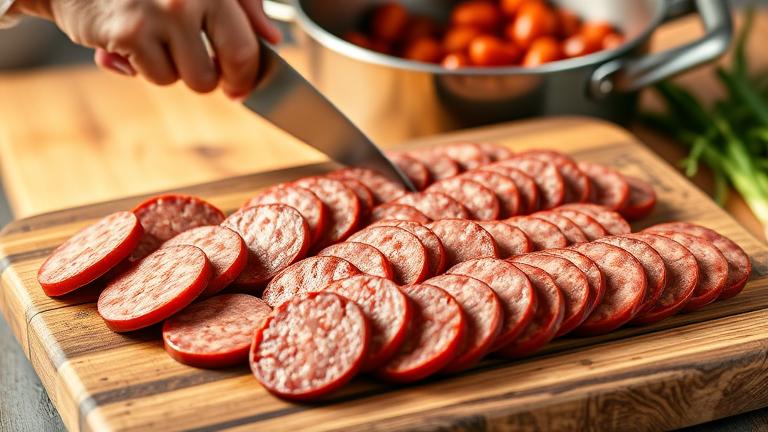
What Is Linguica? An Overview
If you’ve ever cooked with Portuguese or Latin-inspired dishes, you might have come across linguica. It is a flavorful type of sausage that adds a smoky, spicy kick to many recipes. Linguica is popular in countries like Portugal, Brazil, and parts of the United States with vibrant Portuguese communities.
This sausage is known for its bold taste and distinctive aroma. It is made primarily from pork, which gives it a rich, juicy texture. The meat is usually ground and mixed with a blend of spices before being packed into casings and smoked or dried. This process enhances its flavor and makes it a versatile ingredient in many dishes.
Origins of Linguica
Linguica has deep roots in Portuguese cuisine, dating back hundreds of years. Its name comes from the Latin word “lingua,” meaning tongue, referring to the shape of the sausage. Over time, linguica spread to other countries through Portuguese explorers and settlers.
Today, linguica is considered a staple in traditional Portuguese feasts, especially during festivals and family gatherings. It has also gained popularity across the United States, particularly in areas like New England and California, where Portuguese communities have settled.
Typical Ingredients
The main ingredient in linguica is pork, which can include a mix of lean meat and fat for tenderness and flavor. The key to its signature taste lies in the spices added during preparation. Common seasonings include garlic, paprika, chili powder, and sometimes vinegar or wine for extra zest.
Some linguicas may also contain additional flavorings like black pepper, cumin, or herbs depending on regional recipes. The sausage is often smoked, which gives it a deep smoky aroma and preserves it for longer storage. This process enhances the flavor, making linguica both savory and slightly spicy.
Key Characteristics of Linguica
- Spicy and smoky flavor profile
- Made mainly from ground pork mixed with spices
- Typically smoked or dried for preservation and taste
- Can be eaten on its own, sliced in sandwiches, or cooked in stews and dishes
Understanding what linguica is can help you choose the right ingredients and cooking methods. Whether you’re making a traditional Portuguese dish or adding a flavorful twist to your breakfast, knowing the basics about linguica will help you enjoy it to the fullest. Its bold flavor makes it a versatile ingredient to keep in your freezer for quick, tasty meals.
Is Linguica Pre-Cooked? The Facts
If you’re new to linguica or just bought some at the store, you might be wondering: is linguica pre-cooked or do I need to cook it before eating? Many people have this question because it affects how they prepare it and how safe it is to eat. The good news is, understanding this simple aspect can help you enjoy linguica safely and correctly.
First, know that linguica is a type of smoked sausage that originated in Portugal. Because of its smoking process, many believe it might be ready to eat straight from the package. However, whether you should cook it or not depends on how the sausage was processed during manufacturing.
Understanding How Linguica Is Made
The production of linguica involves mixing ground pork with spices, then stuffing the mixture into casings. After that, the sausages are smoked, which helps preserve them and adds a smoky flavor. Sometimes, linguica is sold fully cooked, which means it has already been processed and smoked thoroughly.
Other times, especially with fresh or raw types, linguica is only cured and smoked, but not cooked. This means it still needs to be fully cooked before eating. The packaging usually indicates whether it is ready to eat or if cooking is necessary.
How to Tell if Your Linguica Is Pre-Cooked
To determine if your linguica is pre-cooked, check the label first. If it says “fully cooked,” “ready to eat,” or “pre-cooked,” you can enjoy it without further cooking. Just make sure to heat it or serve it at your preferred temperature.
If the label reads “fresh,” “raw,” or “uncooked,” then you need to cook it before consumption. Even if the sausage looks cooked because it is smoked, eating it cold can sometimes carry risks of bacteria. Cooking ensures safety and enhances flavor.
Safe Cooking Tips for Linguica
- Always cook linguica to an internal temperature of 160°F (71°C). Use a food thermometer to check.
- Cook smoked linguica in a skillet, oven, or grill. For skillet cooking, slice the sausage and fry until browned.
- If oven baking, place the sausages on a baking sheet and cook at 375°F (190°C) for about 20-25 minutes, turning halfway through.
- Grilling linguica gives it a nice smoky flavor. Grill over medium heat until heated through and slightly charred.
Common Mistakes to Avoid
One common mistake is assuming that all smoked sausages are ready to eat. As mentioned, always check the packaging carefully. Another is undercooking, which can pose health risks, especially if the sausage isn’t fully smoked or cooked during processing.
Lastly, avoid eating linguica cold unless the label confirms it is pre-cooked and safe for eating right out of the package. When in doubt, cooking it thoroughly is the safest option.
Final Thoughts
In summary, whether linguica is pre-cooked depends on how it was processed and labeled. When in doubt, always check the packaging and cook accordingly. Proper cooking not only makes it safe but also enhances its flavor. With this knowledge, you can enjoy linguica confidently in any recipe or meal.
How To Properly Cook Linguica
Linguica is a flavorful Portuguese sausage that adds a bold taste to many dishes. Cooking it correctly is key to making sure it is both safe to eat and delicious. Whether you prefer grilling, pan-frying, or baking, each method offers a tasty way to prepare linguica for your meals.
Preparing the Linguica
Before you start cooking, check that your linguica is fresh and stored properly in the refrigerator. If it’s in links, you can cook it whole or sliced. Slicing the sausage allows it to cook faster and releases more flavor. Always remove the packaging and, if needed, prick the sausage with a fork to release any excess fat during cooking.
Grilling Linguica
Grilling is a popular and easy way to cook linguica, perfect for outdoor gatherings. Set your grill to medium heat. If you’re using sausages in links, place them on the grill and cook for about 12-15 minutes, turning frequently. This helps get an even, charred exterior while cooking through.
- Tip: For extra flavor, brush the sausages with a little olive oil or a marinade before grilling.
- Tip: Use tongs instead of a fork to prevent piercing the sausage and losing juices.
Check if they’re done by cutting into one end or using a meat thermometer. The internal temperature should reach 160 degrees Fahrenheit, ensuring they are safe to eat.
Pan-Frying Linguica
For a quick stovetop option, pan-frying linguica works great. Slice the sausage into rounds or cook whole links. Heat a skillet over medium heat and add a small amount of oil. Place the sausages in the pan and cook, turning occasionally, for about 8-10 minutes or until browned on all sides.
- Tip: Don’t overcrowd the pan. Cook in batches if necessary for even browning.
- Tip: Keep an eye on the heat. Too high can burn the outside while leaving the inside undercooked.
Use a meat thermometer to check that the internal temperature hits 160°F. This method also helps you control the doneness precisely.
Baking Linguica
Baking is a simple way to cook linguica, especially if you’re preparing it alongside vegetables or in a casserole. Preheat your oven to 375 degrees Fahrenheit. Arrange whole or sliced sausages on a baking sheet lined with parchment paper or foil.
Bake for 20-25 minutes if whole, or about 15 minutes if sliced. Turn halfway through for even cooking. The sausages are ready when they are browned and cooked through.
- Tip: Adding sliced peppers and onions on the same baking sheet enhances flavor and creates a complete dish.
- Tip: Use a meat thermometer to ensure safety and check that internal temperature reaches 160°F.
Safety Tips and Common Mistakes
- Always cook linguica to an internal temperature of 160°F to kill any bacteria.
- Avoid boiling the sausage, as boiling can cause it to lose flavor and become waterlogged.
- Don’t forget to prick skin if cooking whole to prevent bursting during cooking.
- Watch the heat levels to prevent burning or undercooking.
Follow these methods and tips, and your linguica will turn out savory, safe, and perfectly cooked every time. Enjoy your delicious meal, whether you’re grilling outdoors, frying on the stove, or baking in the oven!
Delicious Linguica Recipes To Try
If you love the bold, smoky flavor of linguica, you’re in for a treat. This versatile sausage can be used in many recipes to add a rich, savory touch. Whether you’re new to cooking with linguica or wanting to try new ideas, these recipes are easy to make and full of flavor.
One of the best ways to enjoy linguica is in a hearty breakfast. Think of frying sliced linguica alongside scrambled eggs or mixing it into a breakfast hash. Its smoky taste pairs well with potatoes, peppers, and onions, creating a satisfying start to your day. It’s simple to prepare: just slice the linguica, cook until browned, and serve. This makes for an excellent filling for breakfast burritos too.
Linguica and Vegetable Stir-Fry
For a quick and colorful dinner idea, try a linguica and vegetable stir-fry. Cut the linguica into slices or chunks and sauté in a hot skillet until browned. Remove from the pan and set aside. In the same pan, stir-fry colorful vegetables like bell peppers, zucchini, and snap peas with a splash of soy sauce or teriyaki for added flavor. Add the cooked linguica back to the pan and toss everything together. Serve over rice or noodles for a filling, flavorful meal.
Linguica Pasta Bake
This comforting dish combines linguica with pasta and cheese for a satisfying oven-baked meal. Cook your favorite pasta according to package instructions and drain. Meanwhile, cook sliced linguica until crispy. Mix the linguica with cooked pasta, marinara or tomato sauce, and a handful of shredded cheese. Pour into a baking dish and top with extra cheese. Bake at 375°F (190°C) for about 20-25 minutes until bubbly and golden on top. It’s perfect for family dinners and makes great leftovers too.
Linguica Sandwiches
If you’re looking for a quick lunch or picnic idea, linguica makes a fantastic filling for sandwiches. Grill or pan-fry slices until crispy and warm. Place them inside a crusty roll or baguette with your favorite toppings like lettuce, tomato, onions, and mustard. You can also add cheese, such as provolone or cheddar, for extra richness. Serve with chips or a simple salad for a satisfying meal on the go.
Tips for Cooking with Linguica
- Remove the casing if you prefer a softer texture, but keep it on if you want a firmer bite.
- Cooking linguica slowly helps keep it juicy and flavorful, while high heat can add a crispy exterior.
- Pair linguica with fresh herbs like parsley or cilantro to brighten the smoky flavor.
- Store leftovers in an airtight container in the fridge for up to three days, or freeze for longer storage.
These recipes showcase just a few ways to enjoy linguica. Feel free to get creative and experiment with your favorite ingredients. Its robust flavor makes it a perfect match for many dishes, from casual breakfasts to hearty dinners. With a little practice, you’ll find your own delicious ways to incorporate linguica into your meals.
Storing Linguica: Tips & Shelf Life
Proper storage of linguica, the flavorful smoked sausage, is key to keeping it fresh and tasty for as long as possible. Whether you have leftover linguica or want to prepare ahead, knowing how to store it correctly can help prevent spoilage and maintain its quality.
First, it’s important to consider the type of linguica you have. Fresh linguica needs different storage compared to cooked or cured varieties. Always check the packaging or your recipe for specific guidance, but these general tips will apply to most types.
Refrigeration Tips
For short-term storage, keeping linguica in the refrigerator is your best option. Wrap it tightly in plastic wrap or aluminum foil, or place it in an airtight container. This helps prevent exposure to air, which can cause the sausage to dry out or develop off-flavors.
Store linguica in the coldest part of your fridge, usually at the back or on the bottom shelf. Keep the temperature below 40°F (4°C). Proper refrigeration can keep linguica fresh for 1 to 2 weeks, depending on whether it’s fresh, smoked, or cured.
Freezing for Longer Storage
If you want to store linguica for more than a couple of weeks, freezing is your best bet. Wrap individual portions tightly in plastic wrap or vacuum-seal them to prevent freezer burn. After wrapping, place the sausage in a freezer-safe resealable bag or airtight container.
Label the package with the date so you know how long it has been stored. When frozen properly, linguica can last for up to 3 months without significant loss of quality. For best taste, try to consume it within this period.
Optimal Storage Practices
- Keep it cool and consistent: Sudden temperature changes can cause moisture buildup or freezer burn.
- Avoid cross-contamination: Store linguica separately from raw meat or other strongly flavored foods to prevent flavor transfer.
- Use quality wrapping: Good wrap prevents air exposure, which is essential for preserving texture and flavor.
- Check regularly: Look for signs of spoilage such as sour odor, sliminess, or discoloration. When in doubt, it’s safer to discard.
Important Safety Tips
Always follow guidelines for storage and freshness. If your linguica develops an off smell, slimy texture, or shows mold, it’s best to throw it away. Consuming spoiled sausage can lead to foodborne illnesses.
Before cooking, always thaw frozen linguica in the refrigerator and not at room temperature. This helps keep it at a safe temperature and reduces bacterial growth.
By storing linguica correctly, you can enjoy its rich flavors for days or even weeks longer. With proper wrapping and consistent refrigeration or freezing, your sausage stays flavorful and safe to eat, making your cooking experience more enjoyable!
Health Benefits of Eating Linguica
Linguica is a flavorful sausage that many enjoy in various dishes, but it’s also important to understand its nutritional benefits and what to keep in mind when eating it. Made from pork and seasoned with spices, linguica can add richness and depth to your meals while offering some health advantages.
One of the main nutritional benefits of linguica is its protein content. Protein is essential for building and repairing tissues, supporting immune function, and maintaining muscle mass. A typical serving of linguica provides a good amount of high-quality protein, which can help you feel full and satisfied after a meal.
In addition, linguica contains several vitamins and minerals that are beneficial for your health. These include vitamin B12, which supports nerve health and red blood cell production, and zinc, important for immune function. The spices used in linguica, such as garlic and paprika, also contain antioxidants that may help reduce inflammation in the body.
However, it’s important to remember that linguica is also a source of fat and salt. It can be quite flavorful because of its rich ingredients, which often means higher fat content. Consuming it in moderation is a good idea, especially if you are watching your intake of saturated fats or sodium. Excessive consumption of such processed meats has been linked to health issues like heart disease and high blood pressure.
To enjoy linguica while managing your health, consider pairing it with vegetables or whole grains. For example, adding linguica to a vegetable stir-fry or serving it with brown rice can boost your meal’s nutritional profile. Cooking methods matter too; grilling or baking linguica instead of frying can help reduce added fat.
Moderation Tips for Enjoying Linguica
- Limit portion sizes — a small to moderate serving can still offer flavor without overdoing fats and salt.
- Charge up your dish with vegetables to increase fiber and nutrient intake, balancing the meal.
- Opt for leaner versions if available, or look for products with lower sodium content to reduce health risks.
- Be mindful of frequent consumption — eating linguica occasionally is better for your heart health than daily intake.
- Pair linguica with healthier sides to create a balanced meal that supports overall wellness.
While linguica offers nutritional benefits and can be part of a balanced diet, it’s best enjoyed as an occasional treat rather than a daily staple. Cooking it mindfully, paying attention to portions, and combining it with healthy foods can help you savor its flavors while supporting your health goals.
Frequently Asked Questions About Linguica
If you’re curious about linguica, you’re not alone. This flavorful sausage is popular in many kitchens, but many home cooks have questions about it. Whether you’re wondering about ingredients, safety, or how to cook it perfectly, here are some helpful answers to common questions about linguica.
What is linguica made of?
Linguica is a type of spicy Portuguese sausage. It typically contains pork, which is the main ingredient. Along with pork, it includes seasonings like garlic, paprika, and other spices that give it its distinctive flavor. Some versions might also include vinegar or wine to add tanginess. The sausage is usually cured and smoked, giving it a rich, smoky taste and long shelf life.
Is linguica safe to eat?
Yes, linguica is safe to eat when it’s properly stored and cooked. Since it is usually cured and smoked, it lasts longer than fresh sausage. If you’re buying pre-packaged linguica from the store, check the expiration date. Store it in the refrigerator and use it within the recommended time. Cooking is essential if the sausage is raw or semi-cured to kill any bacteria. Cook it thoroughly until it is hot all the way through.
How do I cook linguica?
There are many ways to cook linguica, depending on your recipe and preferences. It can be grilled, fried, baked, or even simmered in dishes like stews. Here are some popular methods:
- Grilling: Preheat your grill to medium heat. Slice the linguica into rounds or cook whole. Grill for about 5-7 minutes per side until browned and cooked through. This method adds a smoky flavor.
- Pan-frying: Heat a little oil in a skillet over medium heat. Add sliced linguica and cook for 5-7 minutes, turning occasionally until browned. This is quick and perfect for breakfast or mixture with other ingredients.
- Baking: Place linguica on a baking sheet and cook in a 375°F (190°C) oven for about 15-20 minutes. You can also add it to casseroles or sheet meals.
- Simmering: Add sliced linguica to soups or stews in the last 10-15 minutes to add flavor.
What should I serve with linguica?
Linguica pairs well with a variety of side dishes. It goes great with rice, potatoes, or crusty bread. For a classic Portuguese meal, serve it with sautéed greens or peppers. Many people enjoy it in sandwiches, pasta, or as part of breakfast with eggs. Feel free to get creative and add vegetables or grains to create a balanced meal.
Can I freeze linguica?
Yes, you can freeze linguica to extend its shelf life. Wrap it tightly in plastic wrap or foil, then place it in an airtight container or freezer bag. It can be stored in the freezer for up to 3 months. When you’re ready to use it, thaw in the refrigerator overnight and cook thoroughly before eating.
What are common mistakes to avoid with linguica?
- Cooking linguica at too high a heat, which can cause it to burn on the outside while remaining raw inside.
- Overcooking, leading to dry or tough sausage. Keep an eye on cooking times and check for doneness.
- Not storing it properly, which can lead to spoilage or off flavors.
Now that you have these answers, you can enjoy linguica confidently. Whether grilling it for a barbecue or slicing it into a breakfast scramble, this tasty sausage can add a punch of flavor to many meals.