
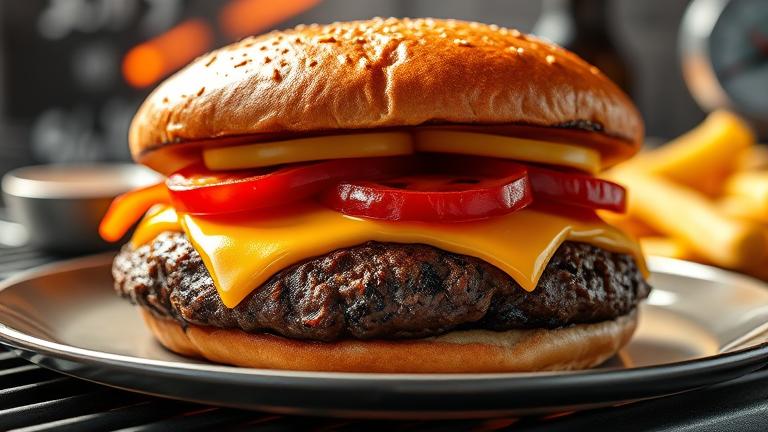
Signs Your Burger Is Cooking Perfectly
Knowing when your burger is cooking just right can make all the difference in getting a juicy, flavorful bite. As you cook, keep an eye on certain visual and tactile signs that indicate your burger is on the right track. These clues help you avoid undercooking or overcooking, ensuring a safe and delicious meal.
One of the first signs to observe is the color of the meat. When you start cooking, the outside will turn from pink or red to a brown or grayish hue. This change shows that the heat is penetrating the meat and cooking it through. For a medium or well-done burger, expect the exterior to be deep brown and slightly charred, with juices running clear instead of pink or red.
Another visual indicator is the juice that pools on the top of the burger. As it cooks, you’ll notice the juices become more opaque and less red. When the juices are clear or slightly caramelized, it’s often a good sign that the burger is close to being fully done. However, be cautious: some pinkness might still be okay for medium or rare burgers, so use other signs to confirm doneness if needed.
Touch is also a helpful way to gauge if your burger is cooked to your liking. Use a gentle press on the meat with a spatula or your finger. A firm yet slightly springy texture usually indicates a well-cooked burger. If your burger feels very soft and squishy, it’s likely undercooked. Too firm or hard may mean it’s overdone, especially if it starts to crack or become dry on the edges.
Just keep in mind that cooking times and signs can vary depending on thickness and heat level. For instance, a thick patty may need more time to cook through, and high heat can cause the exterior to char quickly while the inside remains raw. A good practice is to flip the burger only once during cooking to promote even browning and cook it until the signs we’ve discussed become evident.
If you want to be more precise, especially for safety, a meat thermometer can be a handy tool. For beef burgers, aim for an internal temperature of at least 160°F (71°C). Insert the thermometer into the center of the patty, avoiding the pan or grill grates.
- Check for a uniform brown color on the outside.
- Watch for juices that run clear when pressed lightly.
- Feel the firmness — it should be springy but not mushy.
- Use a meat thermometer to confirm internal temperature if unsure.
By paying close attention to these signs during cooking, you’ll be able to serve a burger that’s safe, juicy, and cooked to perfection. Practice makes perfect, so keep these indicators in mind next time you fire up the grill or stovetop. Soon, you’ll develop an intuitive sense for when your burger is just right.
How to Check If Your Burger Is Done
Cooking the perfect burger means ensuring it’s safe to eat while still juicy and flavorful. Knowing how to check if your burger is done can make all the difference. Whether you prefer it rare, medium, or well done, there are simple methods to tell if your burger has reached the right level of doneness.
The most reliable way is using a meat thermometer, but visual cues also help, especially if you don’t have one handy. Let’s explore both methods so you can cook with confidence every time.
Using a Food Thermometer
A meat thermometer is the easiest, most accurate way to check if your burger is cooked through. Insert the thermometer into the center of the patty, making sure it’s not touching bone or the pan. For safety, ground beef should reach an internal temperature of 160°F (71°C). This temperature guarantees that harmful bacteria are killed.
If you like different levels of doneness:
- Rare: 125°F to 130°F (52°C to 54°C) – very red and cool in the middle
- Medium rare: 130°F to 135°F (54°C to 57°C) – warm red center
- Medium: 140°F to 145°F (60°C to 63°C) – pink in the middle
- Medium well: 150°F to 155°F (66°C to 68°C) – slightly pink center
- Well done: 160°F and above (71°C and higher) – uniformly brown or gray in the center
Remember to wash your thermometer after each use to keep everything hygienic. Checking the temperature is quick, easy, and prevents guesswork.
Visual Inspection Techniques
If you don’t have a thermometer, observation is your next best tool. Here are some tips:
- Color of the juices: When you press the burger with a spatula, the juices should run clear for a well-done burger. Pink or red juices indicate it’s less cooked.
- Color of the interior: Cut into the burger about halfway through cooking. A rare burger will be red or pink inside, medium will have a warm pink center, and well done will be uniformly brown or gray.
- Texture: Well-cooked burgers are firm to the touch, while rarer burgers feel softer and a bit squishy.
Be careful not to cut into the burger too early, as this releases juices and can cause dryness. Checking at the right time helps keep the burger juicy.
Common Mistakes to Avoid
- Guesswork: Relying solely on color or texture can be misleading. Use a thermometer for the most accurate results.
- Overcooking: Removing the burger too late can dry it out. Once it hits the desired temperature, it’s best to take it off the heat.
- Not letting the burger rest: Letting it sit for a few minutes after cooking allows juices to redistribute, resulting in a more flavorful burger.
By mastering these simple methods, you can enjoy perfectly cooked burgers every time. Safety first, but don’t forget to keep them juicy and delicious!
Visual Cues for Burger Doneness
Cooking a burger just right is all about watching the visual signs. When you understand what to look for, you can enjoy juicy, safe-to-eat burgers every time. Using simple visual cues like color, juice, and surface texture helps you tell if your burger is perfectly cooked or needs a little more time on the grill.
One of the easiest ways to judge burger doneness is by looking at the color. When you first flip your burger, the raw inside is bright red or pink. As it cooks, the exterior becomes brown and develops a nice crust. For a medium-cooked burger, expect the interior to be pink in the center, but no longer raw. Well-done burgers will be uniformly brown or gray all the way through.
Next, pay attention to the juices. When you press down lightly on the burger with a spatula or tongs, you should see clear or slightly golden juices oozing out. If the juices are red or pink, the burger needs more cooking. Juices that run clear or light brown signal that the meat has cooked through and is safer to eat.
Look at the surface texture too. A properly cooked burger will develop a dark, caramelized crust on the outside. This crust indicates that the Maillard reaction is happening—that’s the tasty browning that adds flavor. The surface should feel firm and slightly crispy, but not burnt or charred. Avoid burgers that look pale, glossy, or have a raw appearance on the surface.
Additional Tips for Using Visual Cues
- Press gently on the burger to check firmness—an evenly firm patty usually indicates doneness.
- Look for small cracks or splits on the surface—these often mean the burger is thoroughly cooked inside.
- Check the edges—cooked burgers will have a slightly darker, cooked border.
Keep in mind, visual cues can sometimes be less reliable than using a meat thermometer, especially for beginners. But combined with these signs, they offer a quick, handy way to judge your burger’s doneness right on the grill or stovetop.
Practicing these visual signs will help you become confident in cooking burgers perfect for any taste—whether you like them rare, medium, or well-done. Remember, safety first: when in doubt, use a thermometer to double-check that the internal temperature has reached at least 160°F (71°C) for safety, especially with ground beef.
Temperature Tips for Juicy Burgers
Getting the perfect, juicy burger starts with knowing the right internal temperatures for different levels of doneness. Whether you like your burger rare, medium, or well done, keeping an eye on temperature helps ensure your burger is both safe and delicious.
First, it’s good to remember why temperature matters. Cooking burgers too little can risk foodborne illness, especially if the meat isn’t cooked through. Overcooking, on the other hand, dries out the burger and makes it less juicy. The key is finding that sweet spot where the burger is fully cooked but still tender and moist.
Safe Temperatures for Burgers
| Doneness Level | Internal Temperature | Description |
|---|---|---|
| Rare | 125°F (52°C) | Crisp, red center. Not recommended for safety reasons for ground beef. |
| Medium Rare | 135°F (57°C) | Warm, red center. Safe if the meat is freshly ground and handled properly. |
| Medium | 145°F (63°C) | Pink center. A popular choice for juicy burgers. |
| Medium Well | 150°F (66°C) | Lightly pink center. Less juicy but still flavorful. |
| Well Done | 160°F (71°C) or higher | Brown throughout. Juiciness decreases with higher temperatures, but safety is guaranteed. |
How to Measure Burger Temperature
The best way to check your burger’s temperature is with a reliable meat thermometer. Insert the thermometer probe into the center of the patty, making sure it doesn’t touch the grill or pan, which can give a false reading.
It’s a good idea to check the temperature during the last few minutes of cooking. This way, you can remove the burger when it’s just right. Remember, the temperature will rise slightly after you take it off the heat, so it can be helpful to take the burger off a little before it reaches your target temperature.
Tips for Juicy Burgers
- Don’t press down on your burger while cooking. This pushes out the juices and makes it drier.
- Use ground beef with a higher fat content, like 80/20. The fat adds flavor and keeps the burger moist.
- Let your burger rest for a few minutes after cooking. Resting allows the juices to redistribute throughout the meat.
- If you prefer more control, consider cooking burgers in a cast-iron skillet or on a grill with a lid. This helps cook evenly and retain moisture.
- For safety, always cook ground beef to a minimum of 145°F (63°C), especially if you are unsure of the meat’s freshness or handling process.
By paying attention to internal temperatures, you can enjoy a juicy burger that is both safe and delicious. Use a thermometer as your guide, and don’t forget to take the burger off the heat a little early. A perfectly cooked burger is really about balance — safety, flavor, and moisture all in one bite.
How to Test Without a Thermometer
Cooking a perfect burger often relies on getting the inside just right—juicy and cooked through without being overdone. If you don’t have a thermometer, don’t worry! There are simple, reliable ways to check if your burger is cooked to your desired level using touch, timing, and visual cues.
One popular method is the finger test, which involves pressing the burger gently with your finger or a utensil. Here’s how it works: when you press the center of the burger, it will feel different depending on how cooked it is.
- Rare burgers feel soft and squishy, almost like touching the flesh of your cheek.
- Medium burgers will spring back slowly, feeling slightly firm but still tender.
- Well-done burgers feel firm and hold their shape when pressed, similar to pressing the tip of your nose.
To get a practical sense of this, try it with a burger you cook to your preferred doneness a few times, so you know the feel. Remember, this method isn’t 100% precise but is quite useful once you get the hang of it.
Timing is another helpful tool. While oven and stovetop times can vary based on thickness and heat, general guidelines can give you good clues. For a typical 1-inch thick burger cooked on medium-high heat:
- About 4 minutes per side usually results in a rare to medium-rare burger.
- 5 to 6 minutes per side often yields medium doneness.
- 8 minutes or longer per side is generally well done.
Keep in mind, these times are approximate. Use them as a starting point, and combine with other cues for better accuracy. For thicker burgers, add an extra minute or two per side.
Visual indicators are also useful. Look for these signs:
- The juices bubbling on top turn from red or pink to clear.
- The edges of the burger become firm and brown.
- The fat has rendered out, and the burger no longer looks raw at the edges.
If you see the juices run clear and the surface is browned, that’s usually a good sign the burger is cooked through. Making a small cut in the center can also help check the color inside—aim for no pink for fully cooked.
Some tips to remember:
- Avoid pressing down hard on the burger, as this releases juices and can dry it out.
- Use your senses—touch, sight, and smell—to gauge doneness.
- Keep in mind, ground beef should be cooked to at least a medium level for safety, but visual cues can help you gauge this without a thermometer.
By combining these methods—touch, timing, and visual cues—you can confidently cook burgers without a thermometer. With practice, you’ll develop a feel for when your burger hits the perfect doneness for your taste.
Common Mistakes When Cooking Burgers
Cooking the perfect burger might seem simple, but even experienced cooks can make mistakes that affect the flavor and texture. Knowing what to avoid can help you achieve burger perfection every time. Let’s look at some common errors and how to steer clear of them.
Overcooking or Undercooking
This is one of the biggest pitfalls for home cooks. Overcooked burgers can become dry and tough, while undercooked ones might be unsafe to eat. To avoid this, use a meat thermometer to check the internal temperature. For beef, aim for 160°F (71°C) for well-done, 140°F (60°C) for medium, and 130°F (54°C) for rare. Remember, carryover cooking can raise the temperature a few degrees after removing from heat, so take the burger off a little sooner if you want a specific level of doneness.
Another tip is to avoid constantly pressing down on the burger with the spatula. This pushes out juices and can lead to dry meat.
Handling the Patties Too Much
When forming burger patties, it’s tempting to tinker with the meat too much. However, overworking the ground beef can lead to a dense, tough burger. To keep your burgers tender and juicy, handle the meat gently and only mix in seasonings briefly. Form the patties lightly, pressing them just enough to hold shape. Also, make a small dimple in the center of each patty. This prevents the burger from puffing up in the middle as it cooks.
Cooking at the Wrong Temperature
Too high a temperature can cause the exterior to burn before the inside cooks through, especially if the burger is thick. Likewise, cooking on too low a heat might result in a greasy, sluggish cook that doesn’t develop a good sear.
The best approach is to preheat your grill or skillet to medium-high heat. This allows for a good sear on the outside while cooking the inside evenly. When placing the burger on the heat, hear that sizzle—that’s the sign the temperature is just right. Adjust as necessary during cooking to maintain a steady heat.
Ignoring Resting Time
Many forget to let their burgers rest after cooking. Resting allows the juices to redistribute within the meat, keeping your burger moist and flavorful. Just a few minutes of resting time before biting into your burger makes a big difference. Cover it lightly with foil if you want to keep it warm.
Neglecting Proper Seasoning
Under-seasoned burgers often result in a bland taste. Be generous with salt and pepper, and feel free to add garlic powder, onion powder, or other seasonings to enhance flavor. For best results, season the meat just before forming the patties. Keep in mind that over-seasoning can overpower the natural beef flavor, so find a good balance.
By avoiding these common mistakes, your next burger will be juicier, flavorful, and cooked just right. Remember, practice makes perfect — don’t be discouraged if your first few attempts aren’t perfect. With these tips, you’ll soon be making burgers everyone will love.
Quick Tricks for Juicy, Safe Burgers
When it comes to making delicious burgers at home, keeping them juicy while also ensuring they are cooked safely is key. Luckily, with a few simple tricks, you can achieve both in no time. Whether you’re grilling outdoors or cooking on the stovetop, these tips will help you serve burgers that are flavorful, moist, and cooked just right.
Choose the Right Meat
Start with ground beef that has a good fat content, usually around 15-20% fat. This fat helps keep the burger juicy during cooking. Leaner meat might result in dry burgers, so balance lean with some fat. You can also mix ground beef with chopped bacon or add a bit of grated onion for extra moisture and flavor.
Handle the Meat Gently
When shaping your burger patties, avoid overworking the meat. Pressing or kneading too much can make the burgers dense and less juicy. Form your patties gently, keeping them about ¾ inch thick, and make a small indent in the center. This helps them cook evenly and prevents puffing up in the middle.
Season and Rest Before Cooking
Season your burger patties with salt and pepper just before cooking. Salt helps lock in moisture, but if added too early, it can draw out moisture. After seasoning, let your patties rest for a few minutes while your grill or pan heats up. Resting helps the flavors settle and readies the meat for cooking.
Cook to the Right Temperature
For safety, ground beef should be cooked to an internal temperature of 160°F (71°C). Use a reliable meat thermometer to check. Avoid cutting into the burger to check doneness, as this allows juices to escape. Instead, measure with a thermometer for accuracy.
Rest the Burgers After Cooking
Once cooked, let your burgers rest for about 3 minutes before serving. Resting allows juices to redistribute inside the meat, making each bite juicy and flavorful. Covering the burgers lightly with foil can help retain heat during this period.
Keep Moisture During Cooking
To add extra moisture, consider basting the burgers with butter or a small brush of oil during cooking. You can also add cheese during the last minute of cooking to melt and enhance juiciness. Avoid pressing down on the patties with spatulas, as this squeezes out the natural juices.
Practical Tips and Common Mistakes
- Tip: Don’t overcook them. Use a thermometer for best results.
- Mistake to avoid: Using lean meat without additional moisture sources.
- Tip: Rest your burgers before serving to lock in juices.
- Tip: Keep your grill or pan at medium-high heat for a good sear without drying out the meat.
With these simple tricks, your burgers will stay juicy, flavorful, and safe to eat every time. Remember, the secret is in choosing the right meat, handling it gently, and cooking to the perfect temperature. Happy grilling!