
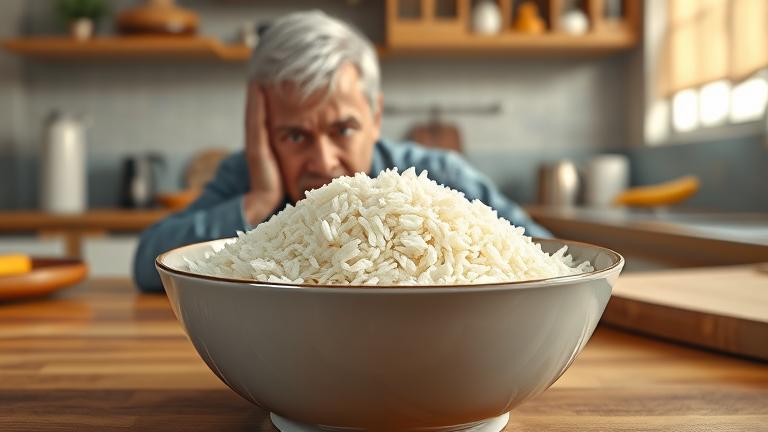
Risks of Undercooked Rice
Eating undercooked rice can pose several health risks because it may still harbor harmful bacteria, parasites, or other pathogens. Proper cooking is essential to ensure that rice is safe to eat and that any potential dangers are eliminated. Many home cooks might be tempted to save time by skipping the fully cooked stage, but this can lead to health problems that are best avoided.
One common concern with undercooked rice is the presence of Bacillus cereus, a type of bacteria that can survive the cooking process if rice is not heated thoroughly or left at unsafe temperatures for too long. These bacteria can produce toxins that cause food poisoning, leading to symptoms such as nausea, vomiting, diarrhea, and stomach cramps. Because Bacillus cereus spores can resist heat, it’s crucial to handle rice properly after cooking and serve it promptly.
Another hazard from undercooked rice involves parasites such as Toxoplasma gondii. While these are less common, they can cause illness if consumed in contaminated rice that hasn’t been fully cooked. Symptoms from parasitic infections may include flu-like feelings, muscle aches, and in severe cases, more serious health complications.
Additionally, undercooked rice can contribute to digestive issues. Raw or partially cooked rice contains resistant starches that are harder to digest, leading to bloating or gas. Consuming rice that hasn’t been cooked enough also increases the risk of eating dirt, bacteria, or other contaminants that might be present on the rice grains before cooking.
To reduce these risks, always ensure rice is cooked thoroughly. The rice should be hot throughout, with no visible raw or starchy areas inside. Use a cooking thermometer if needed—safe internal temperature for cooked rice is about 165°F (74°C). After cooking, keep rice hot above 140°F (60°C) if not serving immediately, or store leftovers properly in the refrigerator within two hours of cooking.
Remember, avoid eating rice that is clumpy, cold, or slimy, as these are signs it might not be safe. Reheat leftovers to at least 165°F before consuming again. Taking these simple steps helps you enjoy rice safely and keeps your meals delicious and risk-free.
Why Proper Cooking Matters
Cooking rice thoroughly is essential for several good reasons. First, it makes the rice safe to eat. Raw or undercooked rice can harbor harmful bacteria and pathogens that might cause foodborne illnesses. By cooking rice properly, you kill these germs, ensuring that the rice is safe for everyone to enjoy.
Another reason is texture. Proper cooking transforms hard, tough grains into fluffy, tender rice that’s enjoyable to eat. If rice is undercooked, it can be sticky, clumpy, or even crunchy, which is less appetizing. Overcooking, on the other hand, can make rice mushy or sticky in an unpleasant way. The goal is to find the right balance to get perfectly cooked rice every time.
Proper cooking also helps unlock the rice’s nutritional benefits. When rice is cooked well, nutrients like vitamins and minerals become more accessible and easier for your body to absorb. Raw or undercooked rice can be difficult to digest, possibly causing stomach discomfort or bloating. Cooking breaks down the rice’s outer layers, making it gentler on your digestive system.
Safety Tips When Cooking Rice
- Always rinse rice before cooking to remove excess starch and dirt.
- Use enough water to fully hydrate the grains.
- Cook rice at a consistent simmer, not a rapid boil, to prevent burning or uneven cooking.
- Check that the rice is tender and the water is fully absorbed before removing it from heat.
- Store leftover cooked rice in the refrigerator within two hours to prevent bacteria growth.
Be aware that improperly stored rice can develop bacteria called Bacillus cereus, which survive even after cooking. To prevent food poisoning, don’t leave cooked rice out at room temperature for more than two hours. Always reheat rice thoroughly before eating leftovers, and consume refrigerated rice within one to two days for safety and freshness.
Common Mistakes to Avoid
- Not rinsing rice—this can affect texture and increase stickiness.
- Using too little water—resulting in undercooked, hard rice.
- Overcooking—leading to overly mushy grains.
- Leaving cooked rice out for too long—risky for bacteria growth.
By paying attention to how you cook rice, you make sure it’s tasty, safe, and nutritious. Perfectly cooked rice enhances your meal and keeps everyone healthy. So next time you prepare rice, remember: proper cooking is the key to a great dish!
Common Mistakes When Cooking Rice
Cooking rice seems simple, but it’s easy to make mistakes that can lead to undercooked, mushy, or even unsafe rice. Whether you’re a beginner or just want to perfect your technique, understanding common errors can help you get consistently good results. Here are some of the most typical mistakes people make when cooking rice and how to avoid them.
Using the Wrong Water-to-Rice Ratio
One of the biggest mistakes is not using the correct amount of water. Too much water makes the rice mushy and sticky, while too little leaves you with dry, hard grains. The ideal ratio depends on the type of rice you’re cooking. For example, long-grain white rice generally requires about 1.5 to 2 cups of water per cup of rice. Short-grain varieties might need a little more water.
Pro tip: Always check the package instructions for specific water ratios. If you’re unsure, start with a standard ratio of 1.5 cups of water for every cup of rice and adjust based on experience.
Not Rinsing Rice Properly
Skipping the rinsing step is a common error. Rinsing rice removes excess starch, which helps prevent clumping and results in fluffier rice. It also washes away any dirt or debris from packaging.
To rinse, place the rice in a bowl and cover with cold water. Swirl gently, then drain. Repeat until the water runs clear. This simple step makes a big difference in the texture of your cooked rice.
Cooking at the Wrong Temperature or Time
Cooking rice at too high a temperature can cause it to burn or stick to the bottom of the pot. On the other hand, cooking at too low a temperature may leave the rice undercooked and watery. Getting the right temperature and timing is key.
A good rule is to bring the water to a boil, then reduce the heat to low and cover tightly. Let it simmer without lifting the lid too often. Typically, white rice takes about 15–20 minutes, while brown rice may need 40–45 minutes. Always check for doneness before turning off the heat.
Not Letting the Rice Rest
Many people remove the rice from heat too early or don’t let it rest after cooking. Resting allows the moisture to distribute evenly and the grains to become tender and fluffy. Without it, you might end up with sticky or unevenly cooked rice.
Once the cooking time is up, turn off the heat and leave the lid on for at least 5 minutes. Avoid stirring or uncovering during this resting period, as it can cause rice to become mushy.
Cooking Rice in Too Much or Too Little Water
- Too much water can lead to overly soft, sticky rice.
- Too little water results in dry, crunchy grains.
To avoid this, measure carefully and stick to recommended ratios. If your rice consistently turns out wrong, experiment with small adjustments until you find what works best for your stove and rice type. Also, avoid lifting the lid during cooking, as it allows steam to escape and disrupts the process.
Overcrowding the Cooking Pot
Cooking too much rice in a small pot can cause uneven cooking and sticking. It’s best to use a larger pot to give the rice space to expand and cook evenly. Also, ensure the lid fits tightly to trap steam effectively.
By avoiding these common mistakes, you’ll be able to cook rice that’s fluffy, tender, and safe to eat. With practice and attention to detail, perfect rice can become a simple, predictable part of your meals.
How to Ensure Rice Is Safe
Rice safety is an important step for every home cook. Properly cooked rice not only tastes better but also helps prevent foodborne illnesses. In this guide, you’ll learn how to tell if your rice is cooked enough and safe to eat, along with useful tips to get it right every time.
Check the Visual and Texture Cues
One of the easiest ways to see if rice is done is to look at its appearance and texture. Well-cooked rice should be tender and fluffy, with each grain separate and not clumped together. When you first lift the lid during cooking, the rice should be steaming and look moist, but not swimming in water.
To check, use a spoon or fork to gently stir the rice. The grains should be soft but not mushy. If they feel hard or chewy, it needs more cooking time. Conversely, if they turn to a paste or porridge-like consistency, you may have overcooked it. Always rely on this tactile and visual check before serving.
Perform a Tasting Test
The most reliable way to confirm rice safety is to taste a small portion. Carefully take a bite and notice the texture. It should be fully tender, with no hard centers or gritty feel. If it tastes raw or chalky, give it a few more minutes and check again.
Remember, if you’re cooking rice for a specific recipe, follow the recommended cooking times, but always taste to be sure. Don’t rush this step—quality results depend on it.
Follow Proper Cooking Guidelines
To make sure your rice is safe, use correct cooking techniques. Start by rinsing the rice thoroughly under cold water. This removes excess starch and dirt, helping the rice cook evenly.
Use the right amount of water for the rice variety you’re cooking. For example, long grain white rice normally needs about 2 cups water for 1 cup rice. Follow package instructions or trusted recipes for best results.
Bring the water to a boil first, then lower the heat to a simmer and cover with a tight-fitting lid. Cooking times vary: white rice usually takes around 15-20 minutes, while brown rice may need 40-45 minutes. Never lift the lid during cooking, as this can interrupt the process and result in uneven cooking.
Use a Food Thermometer for Extra Safety
If you want to be extra cautious, especially when cooking large batches or storing rice, consider using a food thermometer. Cooked rice should reach an internal temperature of 165°F (74°C) to ensure harmful bacteria are destroyed. Insert the thermometer into the rice to check.
This step is particularly useful if you’ve stored cooked rice and want to verify it has cooled down properly before eating or refrigerating.
Proper Storage to Prevent Spoilage
Even safe-to-eat cooked rice can become a health risk if not stored correctly. After cooking, let the rice cool quickly by spreading it out in a shallow container. Do not leave it at room temperature for more than two hours.
Refrigerate the rice in airtight containers and consume within 1 to 3 days. When reheating, make sure it is heated thoroughly to 165°F (74°C). When in doubt, throw out rice that has been stored too long or shows signs of spoilage, such as an off smell or mold.
- Always check the rice before serving, looking for proper texture and appearance.
- Use a food thermometer for extra safety if unsure.
- Store cooked rice promptly and reheated to the right temperature.
Signs of Properly Cooked Rice
Knowing when rice is perfectly cooked can make a big difference in your meals. There are some easy-to-spot signs that tell you if your rice has reached that ideal state. Paying attention to texture, moisture, and aroma will help you cook rice that’s fluffy, tender, and delicious every time.
First, check the texture of the rice. Properly cooked rice should be tender yet hold its shape without being mushy. When you take a spoonful, it shouldn’t be hard or crunchy. Instead, each grain should be soft enough to bite through easily but not falling apart. If the rice feels very firm, it needs more cooking time. Conversely, if it’s soft and sticky, it might be overdone. A good trick is to gently press a few grains between your fingers; they should be soft but still defined, not clumped together.
Moisture level is another important sign. When rice is cooked correctly, it should have a slight sheen but not be swimming in water. Typically, after cooking, there should be no excess liquid in the pot. During the last few minutes of cooking, the liquid should be mostly absorbed by the rice. When ready, the rice should be fluffy with individual grains that are slightly moist but not wet or slimy. If it looks overly wet or sticky, it might need a little more time with the heat off, allowing residual moisture to evaporate.
Another helpful indicator is the aroma. Properly cooked rice releases a mild, pleasant smell that’s comforting and slightly nutty or sweet, depending on the type of rice. If you notice a strong, raw-cooked smell, it could mean it needs more time to cook through. Conversely, if the rice smells burnt or has a strange odor, it might be overcooked or burned at the bottom. Using your nose as a guide helps you avoid under- or overcooking.
Lastly, look at the appearance of the rice. The grains should be plump and slightly risen. They shouldn’t be cloudy or broken apart unless you’re preparing a dish like risotto, where a creamier texture is desired. If you’re cooking long-grain rice, the grains should be separate and not clumped together, indicating that they are properly cooked and fluffy.
Keep in mind that different types of rice may have slightly different signs of doneness. For example, jasmine rice tends to be softer and more fragrant when done, while basmati rice should remain fluffy and separate. Familiarity with these signs will improve your cooking skills over time.
When you master these indicators, cooking rice becomes much easier, and you’ll consistently get those perfect results. It’s all about developing your senses — sight, touch, and smell — to judge when your rice is just right. With a little practice, you’ll be able to tell instantly whether your rice is ready to serve or needs a few more minutes.
Health Benefits of Well-Cooked Rice
Eating well-cooked rice can do wonders for your health. When rice is prepared properly, it becomes easier for your body to digest and absorb its nutrients. This means you get more energy and nourishment from every bite.
One of the main benefits of properly cooked rice is improved digestion. When rice is cooked thoroughly, the starches break down more completely. This makes it gentler on your stomach and helps prevent indigestion or bloating. People with sensitive stomachs often find that well-cooked rice is a good choice because it’s soft and easy to chew.
In addition to better digestion, well-cooked rice offers enhanced nutrient absorption. Cooking helps unlock vital nutrients like B vitamins, magnesium, and iron, making it easier for your body to use them. For example, rice is a good source of carbohydrates, which provide quick energy. Proper cooking ensures your body can efficiently turn these carbs into fuel for your daily activities.
Consuming well-cooked rice can also support weight management. Because thoroughly cooked rice is easier to digest, it can help you feel full longer without overeating. Plus, rice is naturally low in fat and sodium, making it a healthy staple for balanced meals.
Another health benefit is blood sugar regulation. Properly cooked rice has a lower glycemic index than undercooked or partially cooked rice. This means it causes a slower, steadier rise in blood sugar levels, which is especially helpful for people with diabetes or those managing their blood sugar levels.
It’s important to note that the way you cook rice matters. Overcooking or undercooking can change its nutritional profile and digestibility. For best results, follow the recommended cooking times and methods, such as boiling or steaming, to ensure your rice is both tasty and healthful.
Here are some practical tips for nutritious rice cooking:
- Use fresh, quality rice for better flavor and nutrients.
- Rinse rice thoroughly before cooking to remove excess starch and dirt.
- Cook rice until it’s fluffy and tender, not mushy.
- Avoid overcooking to prevent nutrient loss and stickiness.
- Allow rice to rest covered for a few minutes after cooking, helping it steam evenly and improving texture.
Keep in mind that pairing rice with colorful vegetables, lean proteins, or healthy fats can boost its health benefits even more. So, next time you cook rice, aim for thorough cooking and enjoy all the nutritional advantages it offers your body.
Tips for Perfectly Cooked Rice
Cooking rice might seem simple, but achieving that perfect fluffy texture every time takes a little practice. Whether you’re making white rice, brown rice, or any variety, these practical tips will help you get it just right.
Start with Rinsing and Soaking
Rinsing rice under cold water helps remove excess starch, preventing the rice from becoming sticky or clumpy. Use a fine sieve or bowl to rinse the rice until the water runs clear. For an even better texture, soak your rice for 15 to 30 minutes before cooking. Soaking allows grains to absorb water and cook more evenly, especially for brown or wild rice varieties.
Measure Water Carefully
The right water-to-rice ratio is crucial. A common ratio for white rice is about 1 cup of rice to 1.5 cups of water. For brown rice, use approximately 1 cup rice to 2 cups water. Always check your rice package for specific instructions, as different types may need slight adjustments. Using too much water can make the rice mushy, while too little can leave it undercooked and hard.
Choose the Right Cooking Method
You can cook rice on the stove, in a rice cooker, or in the oven. For stovetop cooking, bring your water and rice to a boil, then lower the heat to a gentle simmer. Cover with a tight-fitting lid to trap steam. Let it cook without opening the lid until the time is up. Rice cookers automatically control heat and time, which often results in more consistent results. Oven baking is also an option, especially when cooking larger amounts, by placing rice and water in a covered dish and baking at about 375°F (190°C).
Mind the Cooking Time
White rice typically cooks in 15-20 minutes, while brown rice takes about 40-45 minutes. Resist the temptation to lift the lid during cooking, as steam escape can lead to uneven doneness. Use a timer and trust the process. Once the time is up, turn off the heat and let the rice rest, covered, for 5 minutes. This allows the steam to finish cooking the rice evenly.
Fluff and Serve
After resting, gently fluff the rice with a fork to separate the grains. Avoid stirring vigorously, which can make rice gummy. If the rice appears a little dry after cooking, add a splash of hot water and fluff again. Serve immediately or keep covered on low heat for a short time if needed.
Common Mistakes to Avoid
- Not rinsing the rice, which can lead to sticky results.
- Using incorrect water ratios.
- Cooking without a lid or peeking too often.
- Cooking at too high heat, causing uneven textures.
- Forgetting to let the rice rest before fluffing.
With these friendly tips and a little practice, you’ll consistently make rice that’s fluffy, tender, and perfect for any meal. Remember, every stove and rice variety is a little different, so don’t be afraid to adjust water levels and cooking times to suit your preferences.