
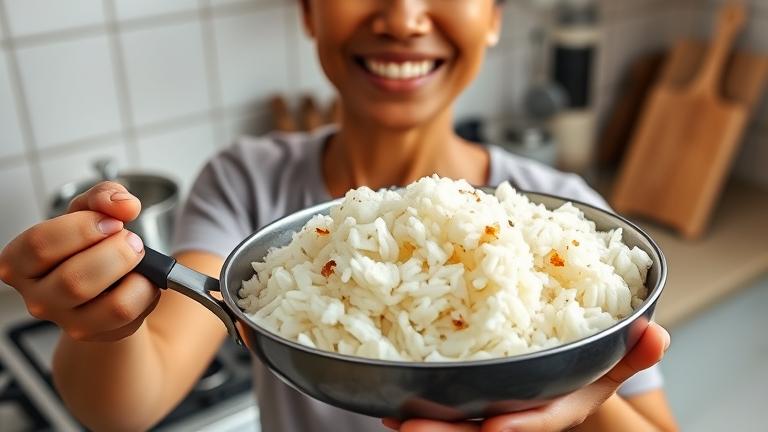
Can Parboiled Rice Be Fried?
Many home cooks wonder if parboiled rice is suitable for frying or if it works better in other dishes. The good news is that parboiled rice can be fried, but there are some important considerations to keep in mind. Understanding the differences between parboiled rice and regular white or jasmine rice helps determine the best way to incorporate it into frying recipes.
Parboiled rice has been partially boiled in its husk before milling. This process makes the rice more durable and alters its texture. When cooked, parboiled rice tends to be firmer and less sticky compared to regular white rice. These qualities can actually make it a good choice for certain fried dishes like fried rice or rice balls, as it holds its shape better.
However, since parboiled rice is less sticky, it may not cling together as well as sticky or jasmine rice in some recipes. To achieve the best results when frying parboiled rice, proper preparation techniques are essential. For example, using leftover cooked parboiled rice, which has had time to dry out slightly in the fridge, often yields better frying results. This helps the rice fry evenly and become crispy.
Before frying, rinse the rice lightly to remove any excess starch, then drain thoroughly. If you’re using freshly cooked parboiled rice, spread it out on a tray and let it cool and dry for a few minutes. This step reduces moisture that can cause sogginess during frying.
When frying, use a hot pan with enough oil to coat the rice pieces. For flavored fried rice, consider adding ingredients like soy sauce, garlic, or vegetables for extra taste. Be mindful that parboiled rice may take a little longer to become crispy compared to softer rice types. Keep the heat moderate and stir regularly to prevent burning.
While parboiled rice can be fried, it’s not always the first choice for crispy snacks like rice crackers or tempura. For those, stick with rice varieties that become crunchier when fried, such as jasmine or short-grain rice. But for dishes like fried rice or rice fritters, parboiled rice can be just as effective, especially if pre-cooked and properly dried.
- Use leftovers or cook rice ahead of time and let it cool for optimal frying results.
- Rinse the rice briefly to remove excess starch.
- Dry the rice thoroughly before frying to prevent sogginess.
- Adjust cooking time and heat to achieve crispy textures.
In summary, parboiled rice is quite versatile for frying purposes. Its firm texture and less sticky quality make it suitable for many fried dishes, especially when prepared properly. Try it out in your next fried rice recipe and observe how it turns out!
Best Types of Rice for Frying
Choosing the right rice for frying is key to creating meals that taste great and retain their desired texture. Not all rice varieties are equally suited for stir-frying or pan-frying. When selecting rice for frying, look for types that are firm and can hold their shape after cooking. This helps prevent mushy or sticky dishes, ensuring every bite is enjoyable.
One of the best rice options for frying is Long-Grain Rice. It has a slender shape and low starch content. This means it cooks up fluffy, with grains that stay separate when fried. Examples include basmati and jasmine rice. Basmati rice, with its fragrant aroma, is especially popular in Indian and Middle Eastern dishes. Its light and airy texture make it perfect for fried rice recipes where distinct grains are desired.
Another excellent choice is Medium-Grain Rice. It’s slightly shorter than long-grain rice and has a bit more starch. Calrose rice, a common medium-grain type, becomes tender but still holds its shape after frying. It’s often used in fried rice and Asian-style stir-fries. Its balance of stickiness and fluffiness makes it quite versatile.
In contrast, Short-Grain Rice tends to be stickier because of its higher starch content. While this can be advantageous for sushi or rice balls, it’s less ideal for frying if you want separate grains. If you decide to fry short-grain rice, ensure it’s well cooked and cooled beforehand to prevent clumping.
What to Avoid
- Sticky Rice: Also known as glutinous or sweet rice, it adheres together even when cooked. It’s challenging to fry without ending up with clumps.
- Instant or Pre-Seasoned Rice: These often contain added ingredients and absorb sauces differently, making their behavior during frying less predictable.
To achieve the best fried rice, always cook your rice ahead of time and let it cool thoroughly. Cold rice fries better because the grains are firmer and less prone to sticking together during frying. For extra fluffiness, spread the cooked rice on a baking sheet and refrigerate for at least an hour prior to frying.
Remember, using the right rice is only part of the process. Proper cooking, cooling, and frying techniques are crucial to producing excellent results, whether you’re making simple fried rice or more elaborate stir-fries. Feel free to experiment with different types to find your favorites. Happy frying!
Preparing Parboiled Rice for Frying
Getting your parboiled rice ready for frying begins with a few simple steps that ensure it turns out crispy and flavorful. Proper preparation helps prevent clumping and guarantees evenly cooked, delicious fried rice. Follow these easy instructions to prepare your parboiled rice before frying.
First, it’s essential to rinse the rice thoroughly. Place the measured amount of parboiled rice in a fine-mesh strainer or a bowl. Rinse under cold running water, gently swishing with your fingers. Continue until the water runs clear. This step removes excess surface starch, which can cause rice to stick together during frying.
Next, soak the rice to improve its texture and ensure even cooking during frying. Transfer the rinsed rice to a large bowl and cover with plenty of cold water. Let it soak for at least 30 minutes, or up to an hour for softer, fluffier fried rice. This soaking softens the rice, making it easier to fry and reducing the risk of mushiness.
After soaking, drain the rice well using a sieve. To achieve optimal dryness, spread the drained rice on a clean kitchen towel or a baking sheet lined with paper towels. Pat gently to remove excess moisture. The goal is to dry the rice enough so it won’t splatter excessively when fried. Some cooks prefer to air-dry the rice for an additional 10-15 minutes, especially in humid environments. Properly dried rice will fry up crisp and golden.
Here are some additional tips for preparing parboiled rice for frying:
- Ensure the rice is completely dry before frying to prevent oil splatters.
- If in a hurry, use a fan or place the rice in a warm oven (around 200°F or 90°C) for a few minutes to speed up drying.
- Do not skip rinsing; it helps achieve the right texture and reduces stickiness.
- Use a wide, shallow pan for frying to give the rice enough space to crisp evenly.
By following these simple steps—rinsing, soaking, draining, and drying—you’ll be perfectly prepared to fry your parboiled rice. Well-prepared rice will turn out crispy on the outside and tender inside, elevating your fried rice dishes. Remember, patience during preparation results in restaurant-quality crispy fried rice right in your own kitchen.
Tips for Crispy Fried Rice
Achieving crispy fried rice relies on proper techniques and quality ingredients. To ensure your fried rice is flavorful and crisp, focus on frying methods, oil selection, and temperature control. These simple tips will help you nail the perfect crispy fried rice every time.
Choose the Right Rice
Freshly cooked rice can be too soft and sticky for frying. The best choice is day-old rice that has been refrigerated. Cold, dry rice is easier to fry and crisp up. If you don’t have leftover rice, spread freshly cooked rice on a baking sheet and refrigerate for at least 30 minutes before frying.
Use the Correct Oil
Select an oil with a high smoke point, such as vegetable oil, peanut oil, or canola oil. These oils can withstand high frying temperatures without burning or smoking. Avoid butter or olive oil for high-temperature frying because they burn more easily. Enough oil ensures even coating and helps the rice become crispy without sticking.
Control the Temperature
The key to crispy fried rice is frying over medium-high heat. Too low, and the rice becomes soggy; too high, and it might burn. Test the oil by dropping in a small piece of rice. If it sizzles immediately and bubbles up, the temperature is just right. Keep the heat steady throughout for even cooking.
Fry in Small Batches
Overcrowding the pan reduces temperature and causes steaming instead of frying. Fry in small portions to give each grain space to crisp. Use a wide, flat skillet or wok for maximum surface area and even browning.
Stir Carefully and Frequently
Gently stirring and tossing the rice helps it cook evenly and develop a crispy exterior on all sides. Use a spatula or wooden spoon and avoid over-stirring, which can break the grains and make the rice mushy.
Add Flavor and Texture
For extra flavor, incorporate chopped scallions, garlic, and a splash of soy sauce. To enhance crispiness, sprinkle a little cornstarch on the rice before frying—this creates a light, crispy crust and amplifies texture.
Mind the Cooking Time
Fry the rice just until golden and crispy. Overcooking can cause burnt bits and a tough texture. Keep a close eye and remove from heat once the desired crispiness is achieved.
By following these practical tips, you can turn plain rice into a crispy, flavorful masterpiece. Remember, patience and practice are essential. Experiment with small changes until you find your signature method, and enjoy every crunchy bite!
Common Mistakes to Avoid
Frying rice may seem straightforward, but some common pitfalls can ruin your dish. If you’re not careful, your fried rice may turn out soggy, burnt, or lacking in flavor. Being aware of these mistakes will help you improve each time.
One frequent error is using rice straight from the cooker. Freshly cooked rice is often too moist and soft, which can lead to mushiness. To avoid this, cook rice ahead of time and allow it to cool completely. Many cooks prefer rice that has been refrigerated overnight because it’s firmer and less likely to clump during frying.
Another mistake is not using enough oil. Fried rice needs sufficient oil to prevent sticking and to achieve that appetizing shiny look. Using too little oil causes ingredients to stick and burn. Aim for about one to two tablespoons of oil per two cups of rice, and spread it evenly in the pan.
The choice of pan is also critical. A non-stick skillet or a well-seasoned wok distributes heat evenly and simplifies stirring. Avoid small or thin pans that crowd the ingredients, as they can cause steaming instead of frying. An open, larger pan allows moisture to evaporate and promotes browning edges.
Managing heat and timing properly is vital. High heat can burn rice quickly, while too low heat results in steaming rather than frying. Maintain a steady medium-high heat, and add ingredients in stages, giving each time to cook without burning.
Overloading the pan is a common misstep. Too much rice at once lowers the temperature significantly, leading to soggy results. Fry in batches for consistent crispiness. Using a wide surface area helps ensure even frying.
Proper seasoning is often overlooked. Light soy sauce, sesame oil, and salt enhance flavor, but adding too much soy can make rice overly salty and dark. Incorporate sauces gradually, tasting as you go.
Overmixing ingredients can break the rice grains and create mush. Add vegetables, eggs, or meat in stages, cooking each component just enough. This preserves texture and prevents overcooking.
Neglecting to stir constantly or moving the rice around the pan can cause uneven cooking and burning. Keep the rice moving, scraping the bottom, to ensure even browning and to prevent sticking.
- Use rice prepared ahead of time and cooled thoroughly.
- Maintain enough oil and use a suitable pan.
- Keep the heat at medium-high for consistent frying.
- Cook ingredients separately and combine at the end.
- Season gradually and taste frequently.
- Stir often to achieve an even, crispy texture.
By avoiding these common mistakes, your fried rice will come out flavorful, fluffy, and perfectly cooked each time. Patience and attention to detail are the secrets to restaurant-quality results in your own kitchen.
Delicious Fried Rice Recipes
Fried rice is a versatile, delicious dish that can be easily made using parboiled rice, which remains firm and fluffy after stir-frying. Whether you’re preparing a quick weeknight dinner or aiming to impress guests, there are countless creative fried rice recipes to explore. Here’s how to craft mouthwatering fried rice dishes suitable for various tastes and occasions.
Starting with properly cooked parboiled rice is crucial. Ensure your rice is cooled before frying, as warm rice can turn mushy. It’s best to cook the rice a day in advance or spread it on a baking sheet to dry slightly. This step prevents clumping and promotes a better texture.
Classic Vegetable Fried Rice
This simple, healthy option emphasizes fresh vegetables and savory flavor. Begin by sautéing chopped onions and garlic in a little oil until aromatic. Add diced carrots, peas, and bell peppers, cooking until tender. Push the vegetables to one side of the pan and scramble in an egg or two, then stir everything together.
Incorporate your cooled parboiled rice, breaking up any clumps. Season with soy sauce, salt, and pepper to taste. Stir well to ensure the sauce coats the rice evenly and blends with the vegetables. For added flavor, garnish with chopped scallions or a splash of sesame oil. This dish is perfect for a quick lunch or light dinner.
Prawn and Pineapple Fried Rice
This tropical-inspired recipe combines prawns and pineapple chunks for a burst of flavor. Sauté prawns until pink and cooked through, then set aside. In the same pan, cook diced pineapple until it begins to caramelize, adding sweetness and texture contrast.
Next, cook diced onions, garlic, and a touch of ginger for aroma. Add the cooled rice and stir-fry, coating it with flavors. Return the prawns to the pan and mix everything well. Season with soy sauce, chili flakes, and lime juice to brighten the dish. It’s an ideal choice for entertaining guests or a weekend treat.
Vegetarian Kimchi Fried Rice
This spicy, tangy dish is perfect for a quick vegetarian meal. Sauté chopped onions and garlic in sesame oil until fragrant. Add chopped kimchi and cook for a few minutes, allowing flavors to meld. Mix in the cooled rice, breaking up any lumps.
Season with soy sauce, a dash of sugar, and a splash of sesame oil. For extra protein, top with sliced tofu or a fried egg. Garnish with chopped scallions and toasted sesame seeds. It’s a bold and comforting dish that pairs well with a light salad or soup.
Creative Tips for Making Delicious Fried Rice
- Always use day-old or cooled rice to prevent clumping and sogginess.
- Cook ingredients separately and combine at the end to preserve their flavors.
- Adjust seasonings according to your taste — more soy sauce for saltiness, chili for heat, or lime for acidity.
- Experiment with different proteins, vegetables, and sauces to create your signature fried rice.
- Protect your hands from hot splatters by using a large wok or deep skillet and stirring carefully.
By following these ideas and tips, you can craft a variety of delicious fried rice dishes suitable for any occasion. Get creative with ingredients and flavors, and enjoy the process of making your own tasty fried rice masterpieces at home.
Nutritional Benefits of Rice
Rice is a dietary staple for many populations worldwide and offers numerous health benefits. When considering different types of rice, parboiled rice stands out due to its unique nutritional profile and cooking qualities. Understanding what makes rice healthy can help you make smarter choices in your meals.
Parboiled rice is partially boiled in the husk before processing, which causes some nutrients from the outer layers to migrate into the starchy core. This results in rice that is higher in vitamins and minerals, particularly B vitamins, magnesium, and iron. It also retains more nutrients during cooking compared to regular white rice.
One of rice’s main advantages is its role as a good source of energy. It provides carbohydrates, which serve as the body’s primary fuel. Including rice in your diet can help maintain energy levels throughout the day. Additionally, rice is naturally low in fat and contains no cholesterol, making it a heart-healthy option when eaten in moderation.
The dietary fiber content varies among rice types, with brown and parboiled rice having more fiber. Fiber is essential for healthy digestion and can prevent constipation. It also promotes satiety, helping you feel full longer, which can be beneficial for weight management.
While rice contains small amounts of protein and fatty acids, it isn’t a high-protein food on its own. Combining rice with beans, lean meats, or fish can create nutritionally balanced meals. For higher nutrient retention, opt for brown or parboiled rice over polished white rice, as these retain more nutrients and fiber.
How Frying Affects Rice’s Nutritional Profile
Frying rice, commonly in oil, is a popular method to enhance flavor and texture—especially in dishes like fried rice. However, frying can alter its nutritional value. It increases the fat and calorie content of the dish, especially if generous amounts of oil or fried ingredients are used, which can diminish some health benefits.
Additionally, frying affects the carbohydrate structure. Heat treatment during frying may cause some starch to become more resistant, which can influence digestion and blood sugar response—an important consideration for diabetics or those monitoring carbohydrate intake.
To keep fried rice healthier, consider using oils with healthier fat profiles, such as olive oil or avocado oil, and limit the amount used. Incorporating plenty of vegetables, lean proteins, and herbs can also boost the nutritional profile, making the fried rice more wholesome without overloading on fats.
Overall, rice remains a nutritious food choice, especially parboiled and brown varieties. Being mindful of cooking methods like frying will help you enjoy rice’s benefits while maintaining a balanced diet. Simple adjustments can turn a fried rice dish into a more nutritious meal that complements a healthy lifestyle.